
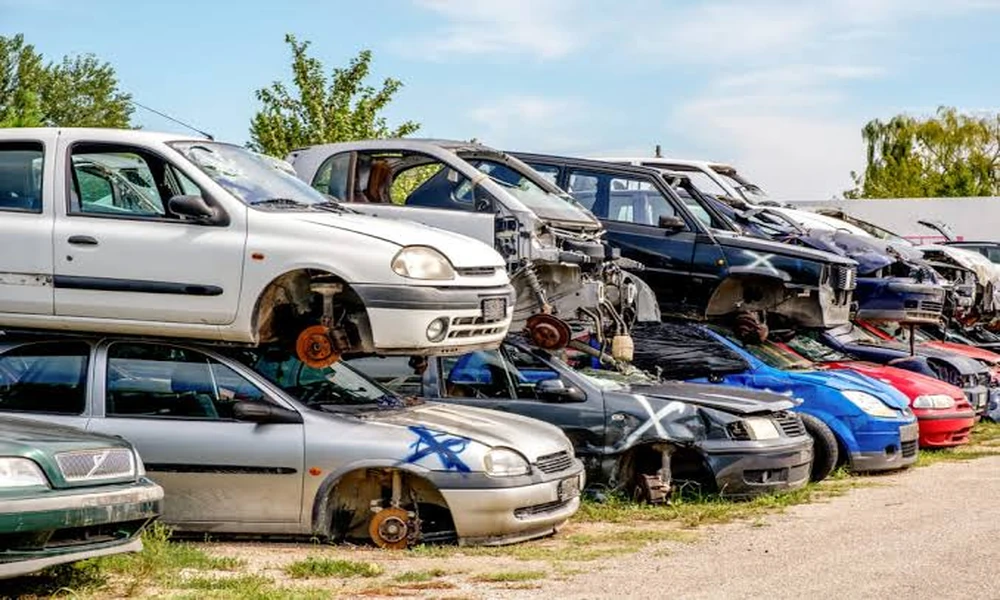
Most owners hand over the keys, sign a form and drive away in a taxi, with no idea what becomes of the vehicle afterwards. The answer is more industrial and more regulated than the word “scrapping” suggests. A car is not crushed the moment it arrives; it is drained, stripped, sorted and processed through several separate material streams. Understanding what actually happens after a scrap car singapore handover explains why the paperwork matters and why the metal is worth so little of the total.
Deregistration Comes First
Nothing is dismantled until the vehicle is legally removed from the register. The operator submits the deregistration to LTA, referencing the chassis number and the registration number, and the vehicle’s identity is retired. The number plates are removed and destroyed at this point, because a plate attached to a deregistered vehicle has obvious potential for misuse. Only once this is complete does the physical process begin, and the certificate you receive is the record of it.
Depollution
The first physical stage is removing everything hazardous or flammable. Fuel is drained from the tank and lines. Engine oil, gearbox oil, brake fluid, coolant and power steering fluid are each extracted into separate containers, because mixing them makes them unrecyclable. The battery is disconnected and removed. Air conditioning refrigerant is recovered rather than vented, since it is a controlled substance. Airbags and seatbelt pretensioners contain pyrotechnic charges and are either deployed under control or removed intact.
Parts Worth Reusing
Before the shell is broken up, anything with resale value is taken off. Alternators, starter motors, gearboxes, doors, tailgates, headlamp units, wing mirrors, alloy wheels and body panels all have a secondary market, particularly for older models where new parts are no longer supplied. Catalytic converters are removed separately because the platinum group metals inside them are genuinely valuable. This salvage stage is where the operator recovers most of the value from a vehicle, which is why a car with sought-after parts fetches more than an identical one that has been stripped.
Tyres, Glass and Batteries Go Their Own Way
Three components leave the vehicle on separate routes because none of them can go through a shredder usefully. Tyres are removed whole and processed into crumb rubber or fuel, since rubber neither melts down nor separates cleanly from steel belting inside a mixed stream. Laminated windscreen glass is bonded to a plastic interlayer and contaminates other glass recycling, so it is taken out before the body is crushed. Lead-acid batteries are among the most efficiently recycled items in the whole vehicle, with the lead, acid and casing each recovered separately. An operator handling these properly is one running a compliant facility.
Separating the Materials
What remains is a shell of mixed materials. Glass is removed, tyres are taken off for separate processing, and the interior is pulled out. The body is then flattened and shredded, and the shredded output is separated by machine: ferrous metal by magnet, non-ferrous metal such as aluminium and copper by eddy current, and the remaining plastics, foam and fabric as residue. Steel and aluminium recover cleanly and go back into industrial supply chains. The residue fraction is the hardest part of the vehicle to do anything useful with.
Export Instead of Destruction
Not every deregistered car is destroyed. Vehicles in reasonable condition are frequently exported to markets where a fifteen-year-old car still has a working life, which is why some offers exceed what the materials alone could justify. Export requires its own documentation and a defined processing route, and the rebate treatment is comparable to scrapping. If your car is being exported rather than dismantled, the paperwork should say so explicitly, and any reputable car disposal service will tell you which route it is taking.
Why the Metal Is Not Where the Money Is
A typical passenger car yields around a tonne of recoverable metal, and at prevailing scrap prices that is a modest sum. The bulk of what an owner receives comes from the PARF and COE rebates issued by LTA, not from the operator. This is worth understanding when comparing offers, because a dealer can appear generous while quietly retaining rebates that were never theirs. Ask which party receives each rebate and get the answer in writing.
The Documents You Should End Up Holding
After the process you should have a copy of the deregistration acknowledgement, a certificate confirming the vehicle was scrapped or exported, and a receipt for the payment made to you. Cancel your insurance and claim the unexpired premium, and confirm the road tax refund has been triggered. If season parking or an ERP-linked arrangement was tied to the vehicle, close those too. These loose ends are small individually and irritating collectively.
Choosing an Operator That Does It Properly
Ask whether the company is LTA-appointed, where the physical processing takes place, and how quickly deregistration is filed after handover. Ask what happens to the fluids and the refrigerant, because an operator who can answer that is one running a compliant facility. A well-run scrap car singapore operation will explain the whole chain without being pressed, and will pay you at handover rather than after the vehicle has already left your hands.

Comments are closed.