Category

Customization

Category

There’s a funny thing happening in car culture right now.

For years, a lot of vehicle upgrades were mostly about appearance. Giant wheels. Aggressive body kits. Exhaust systems loud enough to wake up an entire neighborhood at 6 a.m. Some of that stuff still exists, obviously, but it feels like priorities are shifting a little.

More people are upgrading their vehicles based on how they live.

And honestly? That makes a lot more sense.

You can usually tell the difference between someone who genuinely uses their vehicle for adventure and someone who mainly uses it for coffee runs and grocery store parking lots. The first group tends to care less about flashy modifications and more about practical upgrades that make life easier.

Things like cargo organization, all-weather tires, roof storage, camping setups, recovery gear, better lighting, or even smarter ways to haul bikes and outdoor equipment.

I’ve seen this firsthand over the past few years. Friends who used to obsess over cosmetic mods are now spending weekends road-tripping, mountain biking, camping, skiing, or towing small trailers into the middle of nowhere just to unplug for two days.

The car becomes part of the experience instead of the centerpiece.

That’s a much more interesting version of automotive culture if you ask me.

Utility Is Finally Cool Again

For a long time, “practical” upgrades didn’t get much attention online. Nobody was making cinematic YouTube videos about cargo management systems or weatherproof floor mats.

Now? Entire communities are built around functional setups.

And honestly, it’s easy to understand why.

If you actually use your vehicle regularly for outdoor hobbies, certain upgrades immediately improve your quality of life. Not in a vague marketing way either. I mean genuinely useful.

Take road trips, for example.

A poorly organized vehicle can make a weekend getaway feel chaotic fast. Gear piled everywhere. Dirty shoes mixed with food bags. Bikes awkwardly crammed inside the cabin. Half your cargo space disappears before you even leave the driveway.

That’s why more drivers are investing in things like hitch bike racks and modular storage systems that help keep vehicles functional without sacrificing passenger space.

Convenience matters more than people admit.

When loading gear becomes easier, people tend to travel more often. It’s that simple.

Tires Might Be the Most Underrated Upgrade

Honestly, if someone asks me where they should start with vehicle upgrades, tires are almost always my first answer.

Not suspension.

Not wheels.

Not lighting.

Tires.

A good set of all-terrain tires completely changes how confident a vehicle feels in bad weather or rough terrain. Even for people who mostly drive pavement, the added grip and durability make a noticeable difference.

And no, you don’t necessarily need giant aggressive mud tires unless you’re regularly crawling through deep trails. A balanced all-terrain setup usually works better for most drivers.

The folks over at Tire Rack have some excellent comparison tools if you’re trying to figure out what actually matches your driving style instead of just buying whatever looks cool on Instagram.

Because let’s be real: some vehicle builds online are designed more for photos than real life.

Better Lighting Makes Night Driving Less Miserable

This one doesn’t get talked about enough either.

Factory headlights on many vehicles are surprisingly mediocre, especially once you leave well-lit city roads. If you’ve ever driven through mountain roads, rural highways, or forest service areas at night, you know exactly what I mean.

Upgraded lighting can make nighttime driving significantly less stressful.

Not necessarily giant off-road light bars that look like you’re preparing for an expedition across Antarctica. Just quality headlights with improved visibility.

There’s a reason serious overlanders and outdoor travelers prioritize lighting early in their builds.

Seeing wildlife before it jumps into the road is generally a good thing.

Roof Storage Is a Game-Changer for Families

Families who travel regularly know the struggle.

You start with a completely empty SUV, and somehow within 20 minutes it looks like you’re relocating across the country permanently.

Coolers.

Blankets.

Backpacks.

Sports equipment.

Camping gear.

Random snacks everywhere.

Roof storage solutions help more than people expect, especially for longer trips. Cargo boxes free up cabin space, reduce clutter, and honestly make the entire drive feel calmer.

That might sound dramatic, but anyone who’s done a 10-hour road trip with kids knows clutter becomes mentally exhausting surprisingly fast.

The nice thing is that modern roof systems are also much more aerodynamic and user-friendly than they used to be.

Companies like REI Co-op have some genuinely useful guides explaining how to choose roof racks and cargo systems based on actual travel needs instead of just aesthetics.

Portable Power Is Becoming Essential

This trend has exploded recently.

Portable power stations used to feel like niche gear for hardcore campers or RV owners. Now even casual travelers keep them in their vehicles.

And honestly, I get it.

Being able to:

  • charge devices
  • run lights
  • power small appliances
  • inflate tires
  • run portable fridges
  • handle emergencies
  • …without relying entirely on your vehicle battery is incredibly useful.

    Especially during long trips.

    Plus, modern portable power systems are way quieter and more compact than the old-school generators people used years ago.

    Seat Comfort Matters More Than Horsepower on Long Drives

    Here’s an unpopular opinion: for road trips, comfortable seats matter more than horsepower.

    There, I said it.

    A 500-horsepower SUV sounds exciting until your lower back starts hurting four hours into a drive through Nevada.

    People who actually spend time behind the wheel tend to appreciate comfort upgrades pretty quickly:

  • lumbar support
  • quality seat cushions
  • better armrests
  • interior noise reduction
  • upgraded climate control
  • None of these things look impressive in social media photos, but they dramatically improve real-world driving experiences.

    That’s the difference between “show vehicle” thinking and “usable vehicle” thinking.

    The Best Builds Are Usually Balanced

    One thing I’ve noticed over the years is that the most enjoyable vehicles aren’t necessarily the most extreme.

    Balanced builds tend to age better.

    A practical SUV with smart storage, good tires, reliable accessories, and thoughtful organization usually gets used more often than a heavily modified rig that’s exhausting to drive daily.

    And honestly, the people having the most fun outdoors often aren’t the ones with the most expensive setups.

    They’re just the ones actually going places consistently.

    That’s an important distinction.

    Outdoor Travel Is Changing Automotive Culture

    I think this broader shift toward utility reflects something bigger happening culturally too.

    People are craving experiences more than status symbols lately.

    Road trips.

    Camping weekends.

    National parks.

    Mountain biking trips.

    Fishing.

    Skiing.

    Off-grid cabins.

    There’s been a noticeable move toward activities that feel more tangible and less digital.

    According to National Geographic Travel, domestic adventure travel and outdoor recreation continue growing as more people prioritize flexible, experience-driven trips over traditional vacations.

    Vehicles naturally become part of that lifestyle.

    Not because people suddenly care less about cars, but because they care more about what those cars allow them to do.

    Honestly, I think that’s healthier.

    Most Drivers Don’t Need More Flash

    They Need More Function

    That’s probably the biggest takeaway here.

    Most people don’t actually need:

  • giant wheels
  • ultra-stiff suspension
  • flashy cosmetic modifications
  • race-inspired setups for commuting
  • What they need are upgrades that improve daily life and make spontaneous adventures easier.

    The best vehicle upgrades are usually the ones that quietly remove friction from your lifestyle.

    The gear that helps you pack faster.

    Travel easier.

    Stay organized.

    Drive more confidently.

    Bring more people along.

    Spend more time outdoors.

    That’s the stuff you end up appreciating years later.

    Not the flashy upgrade that looked cool for six months before becoming annoying.

    And honestly, I think more drivers are finally starting to realize that.

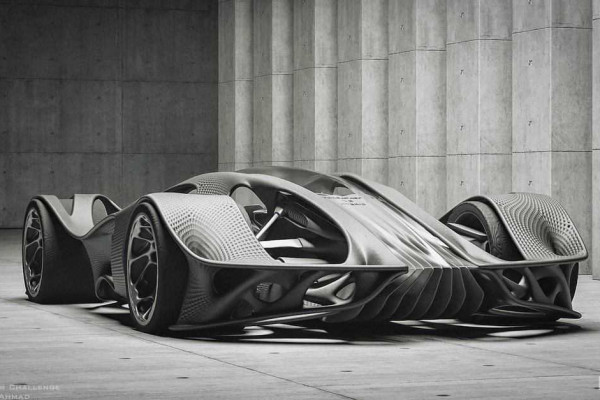
    3D printing technology is rapidly revolutionizing various industries, and the automobile industry is no exception. The ability to print intricate and complex parts has opened up new opportunities for customization and innovation in car design. In this article, we will explore the role of 3D printing in vehicle customization and how it is changing the way we approach car design.

    What is 3D Printing?

    3D printing is a process of creating three-dimensional objects by layering materials, typically plastic or metal, until the object is complete. The printer reads a digital file and creates the object based on the design. This technology has been used for prototyping and manufacturing for several years, but it is now being used to customize vehicles.

    Benefits of 3D Printing in Vehicle Customization

    One of the biggest benefits of 3D printing technology is the ability to create customized parts quickly and easily. In the past, customization was limited to aftermarket parts that may or may not fit properly. With 3D printing, a designer can create a custom part specifically for the vehicle and print it out within hours.

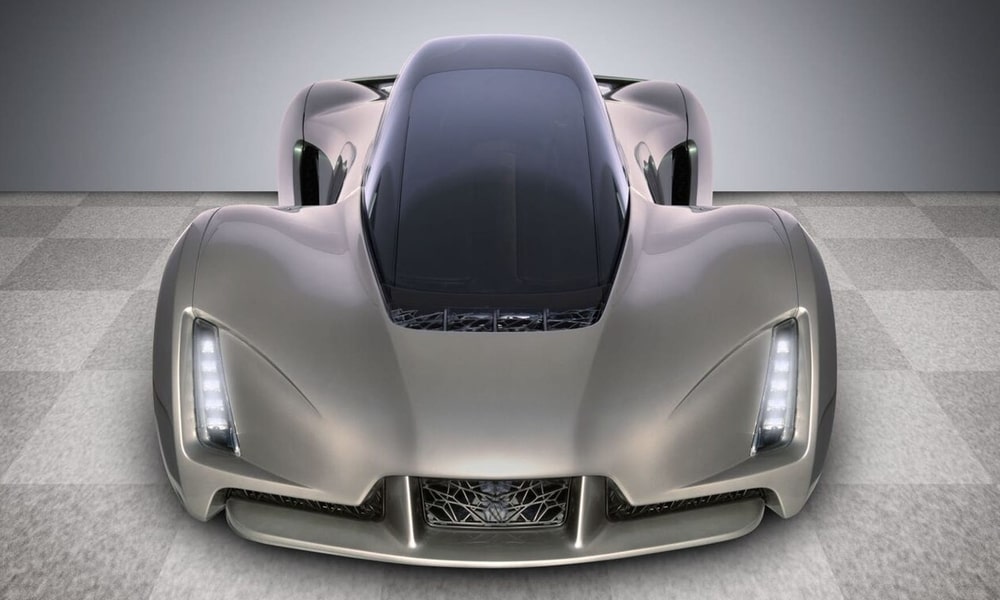
    Another benefit of 3D printing is the ability to create complex shapes and designs that would be impossible with traditional manufacturing techniques. This allows for greater creativity in vehicle design and opens up new possibilities for customization.

    Examples of 3D Printing in Vehicle Customization

    3D Printing in Vehicle

    3D printing technology has been used in a variety of ways to customize vehicles. Here are just a few examples:

    • Custom Grilles: Car enthusiasts can create their own unique grilles using 3D printing technology. These grilles can be designed to fit specific models and can be made from a variety of materials.
    • Interior Parts: Custom interior parts, such as dashboards and center consoles, can be 3D printed to match the style and color scheme of the vehicle.
    • Exterior Parts: Body panels, spoilers, and other exterior parts can be 3D printed to create a unique look for the vehicle.
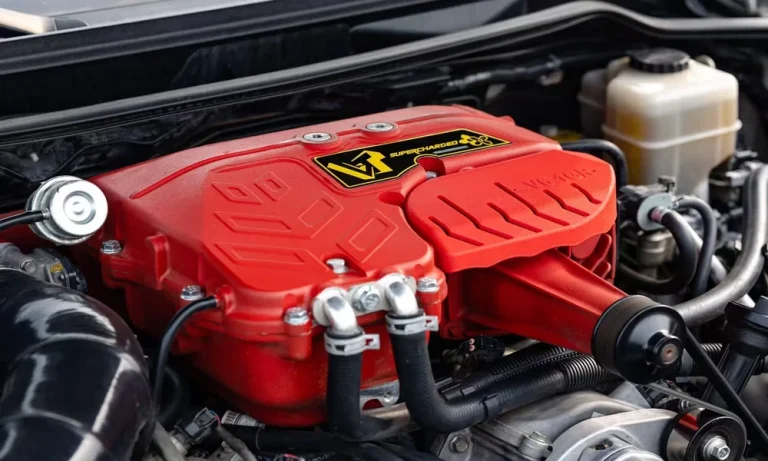
    • Performance Parts: 3D printing technology can be used to create custom performance parts, such as intake manifolds and exhaust systems, that can improve the performance of the vehicle.

    Challenges of 3D Printing in Vehicle Customization

    While 3D printing technology offers many benefits for vehicle customization, there are also some challenges to consider. One of the biggest challenges is the cost of the technology. 3D printers can be expensive, and the cost of materials can add up quickly.

    Another challenge is the issue of durability. While some 3D printed parts are durable enough for everyday use, others may not be able to withstand the wear and tear of daily driving. This is especially true for parts that are exposed to extreme temperatures or high levels of stress.

    The Future of 3D Printing in Vehicle Customization

    Despite the challenges, the future of 3D printing in vehicle customization looks bright. As the technology becomes more affordable and materials become more durable, we are likely to see more and more customized vehicles on the road. The ability to create unique and personalized vehicles using 3D printing technology is an exciting development in the world of car design.

    In conclusion, 3D printing technology is changing the way we approach vehicle customization. The ability to create custom parts quickly and easily, as well as the ability to create complex shapes and designs, is opening up new possibilities for customization and innovation in car design. While there are challenges to overcome, the future looks bright for 3D printing in the automobile industry.

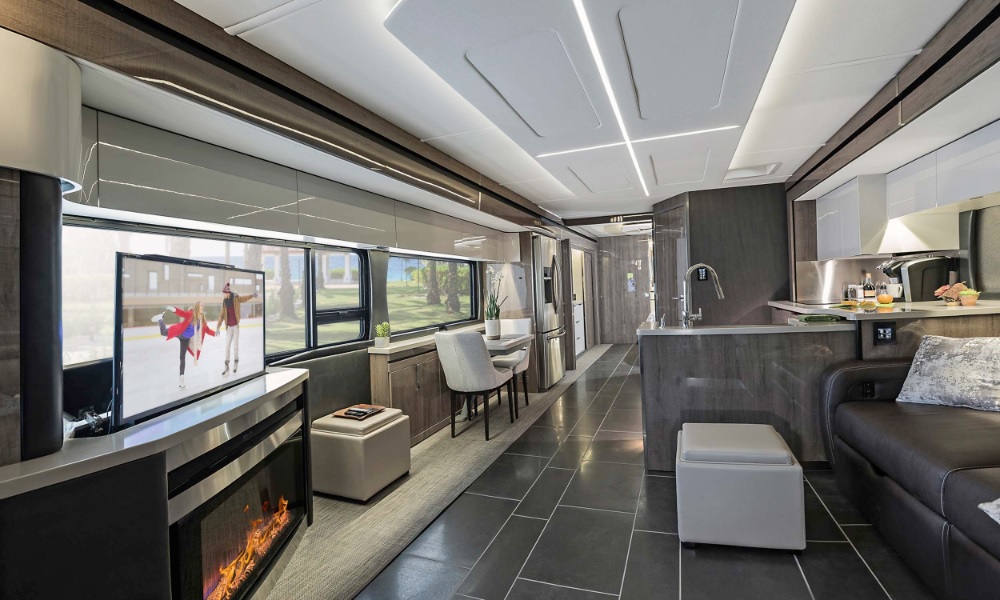
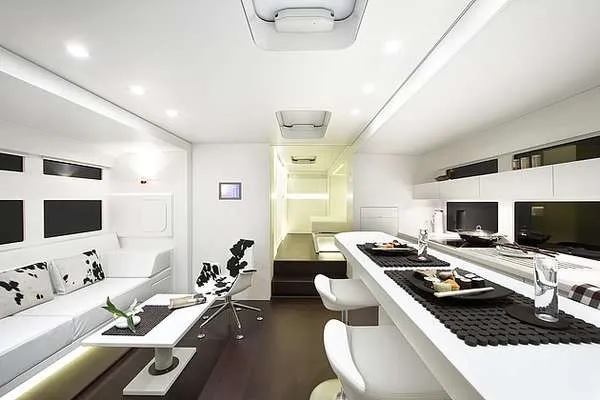
    When it comes to traveling in style and comfort, nothing beats a luxury RV. But what if you could take that luxury to the next level by customizing your RV to meet your specific needs and preferences? From adding high-tech features to creating a cozy, home-like atmosphere, the possibilities for RV customization are endless.

    Comfort Customizations

    Comfort Customizations

    One of the biggest advantages of owning an RV is the ability to travel comfortably and with all the amenities of home. However, even the most luxurious RVs may not have everything you need to feel truly comfortable on the road. That’s where customization comes in.

    • Custom bedding: Sleeping well is essential for a successful road trip, and custom bedding can make all the difference. Whether you prefer a certain type of mattress or need special pillows to alleviate neck pain, a custom bedding setup can ensure you get the rest you need.
    • Climate control: RVs can get stuffy and uncomfortable, especially during summer months. Adding a high-quality air conditioning system can make all the difference in keeping you cool and comfortable on the road.
    • Window coverings: Privacy is important when you’re traveling in an RV, and custom window coverings can provide both privacy and insulation. Custom curtains or shades can also add a touch of personal style to your RV.

    High-Tech Customizations

    Technology has transformed the way we travel, and RVs are no exception. From entertainment systems to smart home features, there are countless ways to customize your RV for a high-tech experience.

    • Entertainment systems: You don’t have to sacrifice your favorite shows and movies just because you’re on the road. Custom entertainment systems can include everything from high-end sound systems to satellite TV.
    • Smart home features: Just like in your house, you can add smart home features to your RV for added convenience. Smart thermostats, lighting systems, and security systems can all be customized to meet your needs.
    • Wireless internet: Staying connected on the road is easier than ever with wireless internet. Customizing your RV with a reliable internet connection can make it easy to stay in touch with loved ones, work remotely, or just stream your favorite music.

    Other Customizations

    Of course, customization isn’t limited to just comfort and high-tech features. There are countless other ways to customize your RV to make it truly your own.

    • Custom cabinetry: RVs often have limited storage space, but custom cabinetry can make the most of every inch. Custom cabinets can be designed to fit your specific needs, whether you need extra storage for clothing or a dedicated space for your favorite cookware.
    • Exterior upgrades: The exterior of your RV is just as important as the interior. Custom paint jobs, awnings, and other exterior upgrades can make your RV stand out from the crowd.
    • Personal touches: Finally, don’t forget to add personal touches to your RV to make it truly your own. Custom bedding and window coverings are just the beginning – you can also add artwork, photos, and other decorative touches to create a cozy, home-like atmosphere.

    Customizing your luxury RV can provide a truly customized travel experience that is tailored to your preferences and needs. Whether you prioritize comfort, high-tech features, or personal style, there are countless ways to make your RV truly your own.

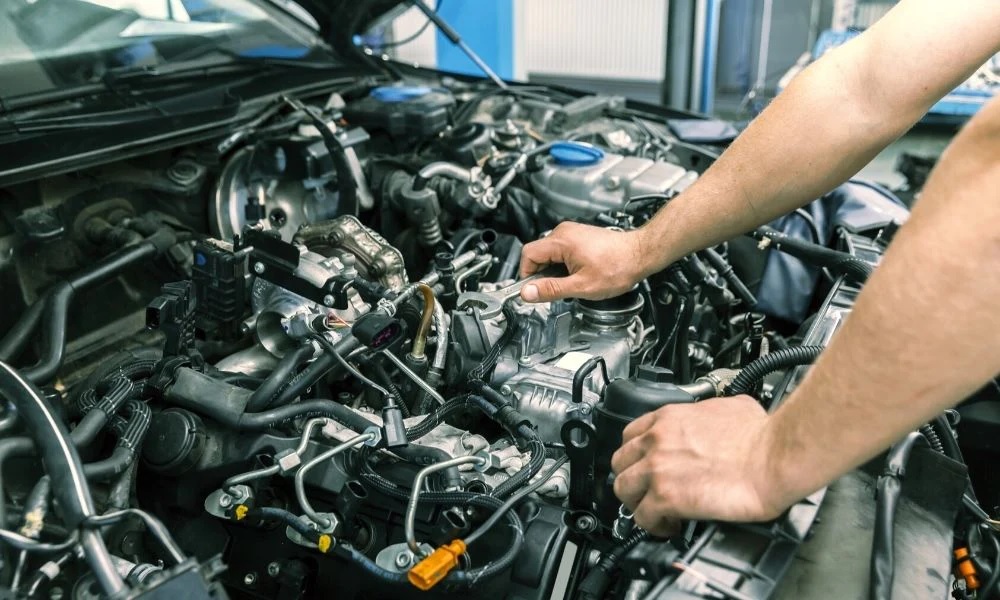
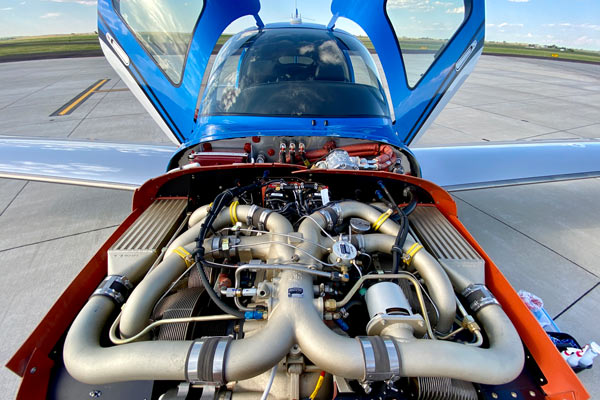
    When it comes to upgrading your car’s performance, engine tuning is the way to go. Tuning your engine involves adjusting various components to maximize performance, including fuel injection, ignition timing, and air intake. Here are some tips to help you customize your engine for optimal performance:

    1. Determine Your Goals

    The first step in engine tuning is to determine what you want to achieve. Do you want more horsepower, better fuel efficiency, or improved acceleration? Knowing your goal will help you make the right adjustments to your engine.

    2. Upgrade Your Air Intake

    Upgrade Your Air Intake

    One of the easiest ways to improve your engine’s performance is to upgrade your air intake system. This involves replacing your stock air filter with a high-performance one that allows for better air flow. This will increase the amount of oxygen that enters the engine, resulting in more power and better fuel efficiency.

    3. Install a Performance Exhaust

    Another way to improve your engine’s performance is to install a performance exhaust system. A performance exhaust system allows exhaust gases to escape more efficiently, reducing back pressure and increasing horsepower. A performance exhaust system also gives your car a sporty sound, making it a popular upgrade for car enthusiasts.

    4. Upgrade Your Fuel System

    Upgrading your fuel system is another way to improve your engine’s performance. This involves replacing your stock fuel injectors with high-performance ones that deliver more fuel to the engine. This will increase horsepower and improve acceleration.

    5. Adjust Your Ignition Timing

    Adjusting your ignition timing is a more advanced engine tuning technique that requires specialized equipment. However, it can significantly improve your engine’s performance. Ignition timing refers to the timing of the spark that ignites the fuel in your engine. By adjusting the timing, you can optimize the combustion process, resulting in more power and better fuel efficiency.

    6. Consult a Professional

    If you’re not comfortable tuning your own engine, it’s always best to consult a professional. A professional mechanic can help you determine your goals and make the necessary adjustments to your engine for optimal performance. They can also help you avoid costly mistakes that can damage your engine.

    Conclusion

    Customizing your engine for performance can be a fun and rewarding project for car enthusiasts. By following these tips, you can improve your engine’s performance and achieve your desired goals. Whether you’re looking for more horsepower or better fuel efficiency, engine tuning is the key to unlocking your car’s full potential.

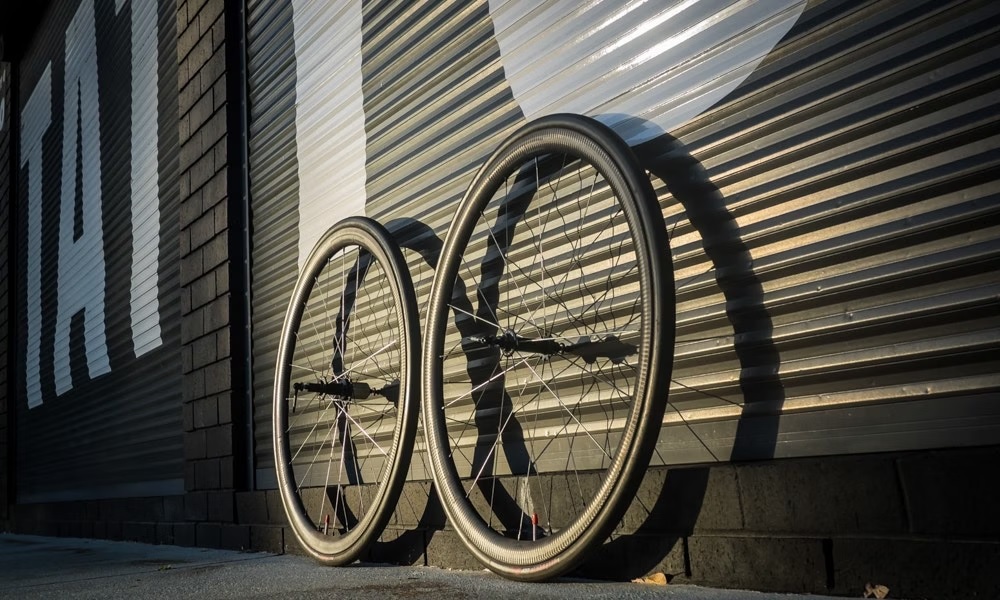
    Customizing your wheels and tires is one of the most popular upgrades for car enthusiasts. Not only does it enhance the appearance of your vehicle, but it also improves its performance. With so many styles and options available, it can be overwhelming to choose the right one. This comprehensive guide will help you choose the perfect wheel and tire customization for your car.

    Styles of Custom Wheels

    Custom wheels come in a variety of styles, each with their own unique look and performance benefits. Here are some popular styles:

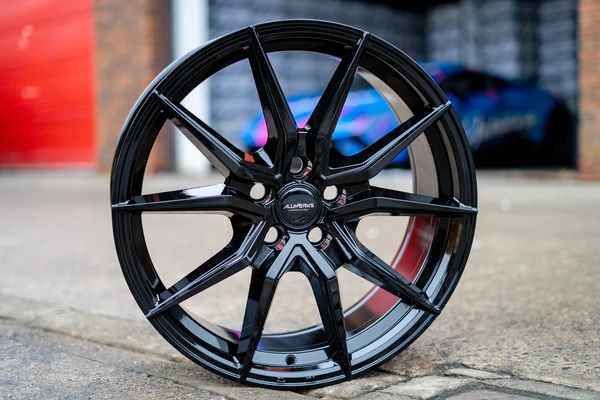
    • Alloy Wheels: These wheels are made of a mixture of aluminum and other metals, making them lightweight and durable. They are available in a variety of finishes, including chrome, black, and gunmetal.
    • Forged Wheels: These wheels are made by compressing aluminum or other metals under high pressure, resulting in a stronger and lighter wheel. They are available in a variety of finishes, including brushed, polished, and painted.
    • Spoke Wheels: These wheels have spokes that radiate from the center of the wheel to the outer edge. They are available in a variety of spoke designs, including split-spoke, multi-spoke, and mesh.
    • Multifit Wheels: These wheels are designed to fit multiple vehicles, making them a popular choice for car enthusiasts who own multiple cars.

    Styles of Custom Tires

    Styles of Custom Tires

    Custom tires also come in a variety of styles, each with their own unique look and performance benefits. Here are some popular styles:

    • Summer Tires: These tires are designed for warm weather conditions and provide excellent grip and handling on dry roads.
    • All-Season Tires: These tires are designed to perform well in a variety of weather conditions, including rain and light snow.
    • Winter Tires: These tires are designed to perform well in cold weather conditions, including snow and ice. They have a special tread pattern and rubber compound that provides better traction in these conditions.
    • Performance Tires: These tires are designed for high-performance vehicles and provide excellent grip and handling at high speeds. They are often used for track racing and autocross.

    Choosing the Right Customization

    When choosing the right wheel and tire customization for your car, it’s important to consider your driving style and the conditions you will be driving in. If you have a high-performance vehicle and like to drive fast, performance tires and forged wheels may be the best choice for you. If you live in an area with harsh winters, winter tires may be necessary to ensure your safety on the road.

    It’s also important to consider the size and fitment of your wheels and tires. Custom wheels and tires come in a variety of sizes and fitments, so it’s important to choose the right size and fitment for your car. This will ensure that your wheels and tires fit properly and perform as they should.

    Conclusion

    Customizing your wheels and tires is a great way to enhance the appearance and performance of your car. With so many styles and options available, it’s important to choose the right customization for your driving style and conditions. Whether you choose alloy wheels and all-season tires or forged wheels and performance tires, customizing your wheels and tires is a fun and rewarding experience for any car enthusiast.