Your vehicle is more than just a way to get from one place to another. It represents your personality, protects your investment, and plays an important role in your daily life. Over time, however, dirt, road grime, UV rays, spills, and contaminants can take a toll on both its appearance and condition. While a regular car wash helps remove surface dirt, it doesn’t provide the deep cleaning and protection your vehicle truly needs.
That’s where a professional car detailing service comes in.
Unlike a standard wash, detailing focuses on thoroughly cleaning, restoring, and protecting every part of your vehicle, both inside and out. Whether you’re preparing your car for resale, maintaining a newer vehicle, or simply want it looking its best, professional detailing delivers noticeable and long-lasting results.
In this guide, we’ll explain exactly what a professional car detailing service includes, why it’s worth the investment, and how it helps preserve your vehicle’s beauty and value.
What Is a Professional Car Detailing Service?
A professional car detailing service is a comprehensive cleaning and restoration process designed to improve the appearance and condition of a vehicle. It goes beyond washing by addressing dirt, stains, oxidation, scratches, contaminants, and wear that accumulate over time.
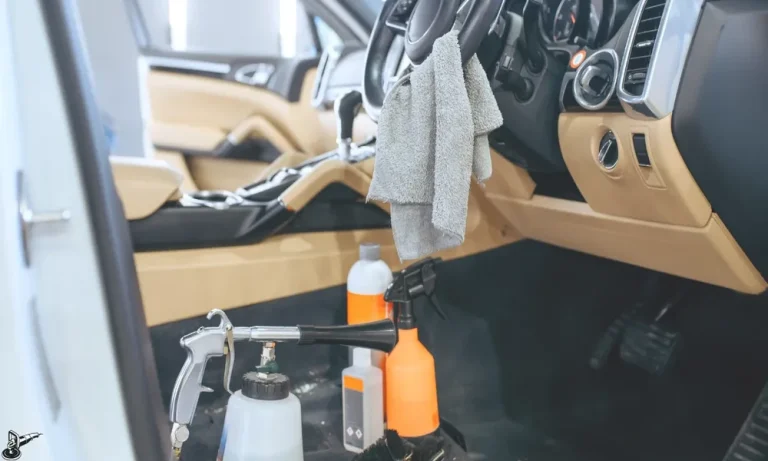
Professional detailers use specialized equipment, premium cleaning products, and proven techniques to clean areas that are often overlooked during routine washing.
Most detailing packages are divided into two major categories:
- Exterior detailing
- Interior detailing
Some services also include additional protective treatments and paint correction to further enhance your vehicle.
Exterior Detailing: Restoring Your Vehicle’s Shine
The exterior is constantly exposed to harsh environmental conditions. Rain, dust, bird droppings, tree sap, road salt, and UV rays can gradually damage your vehicle’s finish.
A professional car detailing service typically includes several exterior treatments that restore and protect the paint.
Thorough Hand Wash
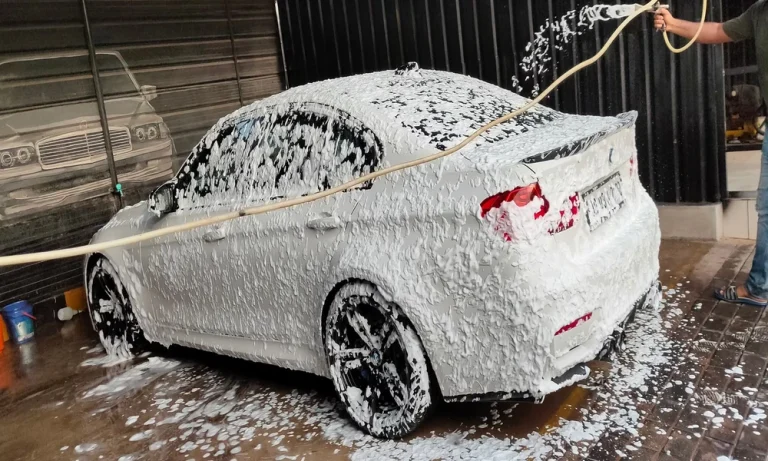
The process begins with a careful hand wash using automotive-safe soaps and microfiber wash mitts. Unlike automated car washes, hand washing minimizes the risk of scratches caused by abrasive brushes.
Professionals pay close attention to:
- Door jambs
- Grille
- Emblems
- Wheel wells
- Lower body panels
These areas often collect the most dirt.
Wheel and Tire Cleaning
Brake dust, grease, and road grime accumulate quickly on wheels and tires.
Detailers use specialized cleaners to remove stubborn contaminants while restoring the original appearance of:
Many services also include tire dressing, giving tires a rich, clean finish.
Clay Bar Treatment
Even after washing, tiny contaminants remain embedded in your paint.
A clay bar treatment removes:
- Industrial fallout
- Tree sap
- Rail dust
- Overspray
- Embedded contaminants
The result is an ultra-smooth surface that prepares the vehicle for polishing or protection.
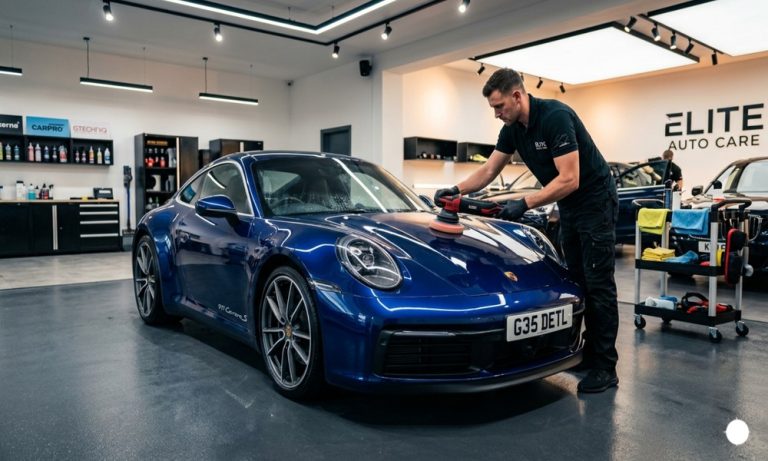
Paint Polishing
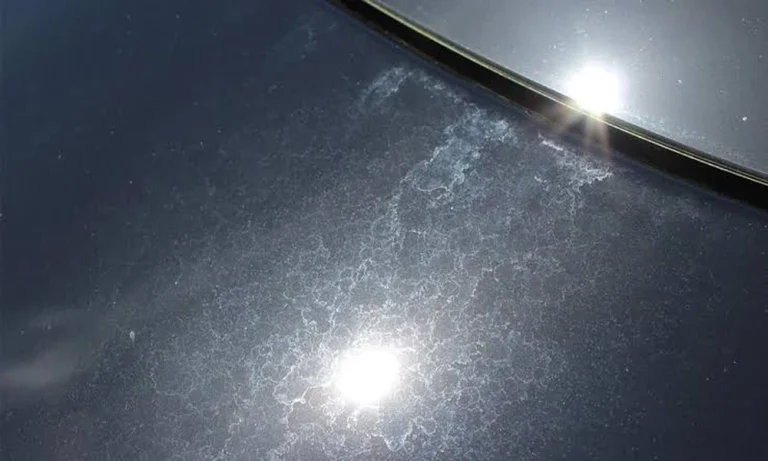
Minor scratches, swirl marks, oxidation, and dullness can make your vehicle appear older than it is.
Machine polishing helps restore clarity and gloss by removing microscopic imperfections from the clear coat.
While deep scratches may require paint correction, polishing significantly enhances overall appearance.
Wax or Paint Sealant
One of the most valuable parts of a car detailing service Indianapolis is protecting the paint after cleaning.
Most detailers apply either:
- High-quality carnauba wax
- Synthetic paint sealant
These products help:
- Repel water
- Reduce UV damage
- Minimize oxidation
- Keep dirt from sticking
- Maintain shine longer
Ceramic Coating (Optional)
Many professional detailers offer ceramic coating as an upgraded service.
Ceramic coatings create a durable protective layer over the paint that provides:
- Long-lasting gloss
- Easier maintenance
- Water beading
- UV protection
- Chemical resistance
While not included in every package, it’s one of the best long-term investments for paint protection.
Interior Detailing: More Than Just Vacuuming
A clean interior improves comfort while helping preserve upholstery and interior materials.
A professional car detailing service thoroughly cleans every surface inside the cabin.
Complete Vacuuming
Professional vacuuming covers every area, including:
- Carpets
- Floor mats
- Seats
- Trunk
- Under seats
- Tight crevices
This removes dirt, sand, pet hair, and debris that ordinary vacuuming often misses.
Carpet and Upholstery Cleaning
Fabric seats and carpets absorb:
- Food spills
- Coffee stains
- Dirt
- Odors
Detailers use hot water extraction or steam cleaning to remove deep-set contaminants while refreshing the fabric.
Leather seats receive specialized leather cleaners and conditioners to prevent cracking and fading.
Dashboard and Interior Surface Cleaning
Dust and oils build up on interior surfaces over time.
Professionals clean and protect:
- Dashboard
- Center console
- Door panels
- Steering wheel
- Cup holders
- Air vents
UV protectants are often applied to reduce fading and cracking caused by sunlight.
Window Cleaning
Crystal-clear windows improve visibility and safety.
Interior glass is cleaned to remove:
- Fingerprints
- Smoke residue
- Dust
- Film buildup
Exterior windows are polished for a streak-free finish.
Odor Removal
Persistent odors from pets, smoke, food, or moisture can make driving unpleasant.
Many detailing services include odor elimination treatments that neutralize smells rather than simply masking them.
Some shops also offer ozone treatments for severe odor issues.
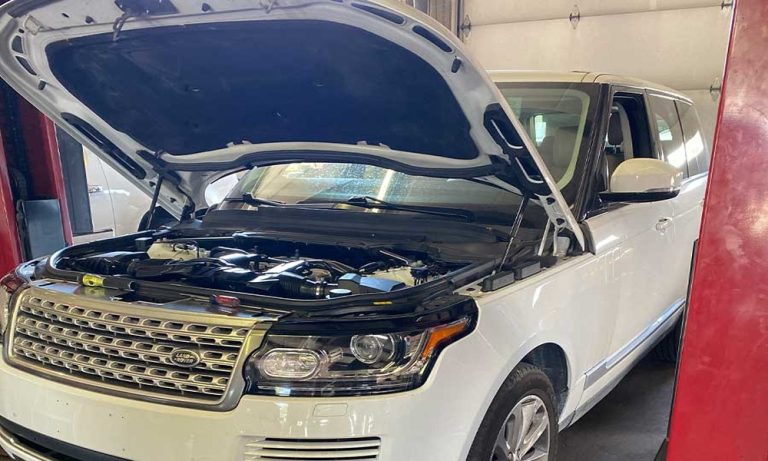
Engine Bay Cleaning
Although often overlooked, the engine compartment can collect grease, leaves, dust, and grime.
Some detailing packages include careful engine bay cleaning using safe degreasers and low-pressure techniques.
A clean engine bay:
- Looks better
- Makes leaks easier to detect
- Simplifies maintenance
- Helps preserve engine components
Paint Inspection
Before polishing or applying protection, professionals inspect the vehicle’s paint condition.
They identify:
- Swirl marks
- Oxidation
- Water spots
- Surface scratches
- Paint contamination
This evaluation helps determine the most effective detailing process for your vehicle.
Headlight Restoration
Cloudy headlights reduce nighttime visibility while making a vehicle appear older.
Many detailing services offer headlight restoration by polishing away oxidation and applying UV protection.
Benefits include:
- Improved brightness
- Better appearance
- Increased driving safety
Trim Restoration
Plastic trim can fade over time due to sun exposure.
Professional detailers restore exterior trim using conditioning products that:
- Revive color
- Reduce fading
- Improve overall appearance
This small detail often makes a dramatic difference.
Why Professional Detailing Is Better Than DIY
While many car owners enjoy washing their own vehicles, professional detailing provides advantages that are difficult to achieve at home.
Professionals have access to:
- Commercial-grade equipment
- Premium detailing chemicals
- Paint-safe polishing machines
- Specialized training
- Experience handling different paint types
They also understand how to clean delicate surfaces without causing damage.
A car detailing service near me saves time while delivering results that typically last much longer than DIY efforts.
How Often Should You Get Your Vehicle Detailed?
The ideal schedule depends on your driving habits and environment.
Most professionals recommend:
- Every 4-6 months for average drivers
- Every 3 months for heavily used vehicles
- More frequently for vehicles exposed to harsh weather or off-road conditions
Regular detailing helps maintain your vehicle year-round while preventing long-term damage.
Benefits of Professional Car Detailing
Investing in a professional car detailing service offers numerous long-term advantages.
Some of the biggest benefits include:
Protects Your Paint
Protective coatings reduce damage caused by UV rays, contaminants, and oxidation.
Preserves Vehicle Value
A well-maintained vehicle often commands a higher resale or trade-in value.
Improves Driving Comfort
A clean interior creates a healthier, more enjoyable driving experience.
Extends Material Life
Leather, plastic, vinyl, and fabric last longer when properly cleaned and conditioned.
Enhances Appearance
Nothing compares to the glossy finish and spotless interior achieved through professional detailing.
Choosing the Right Car Detailing Company
Not every detailing shop offers the same level of quality.
- Positive customer reviews
- Experienced technicians
- Transparent pricing
- High-quality products
- Multiple detailing packages
- Paint protection options
- Satisfaction guarantees
Don’t hesitate to ask what is included before scheduling your appointment.
Final Thoughts
A clean vehicle isn’t just about appearances, it’s about protecting one of your most valuable investments. While routine washing removes surface dirt, it doesn’t address the deeper cleaning, restoration, and protection your car needs over time.
A local car detailing service includes everything from exterior washing and paint decontamination to interior deep cleaning, polishing, protective coatings, and more. These specialized treatments help preserve your vehicle’s finish, improve driving comfort, and maintain its resale value.
Whether you drive every day, own a luxury vehicle, or simply take pride in keeping your car looking its best, investing in a professional car detailing service is one of the smartest ways to extend your vehicle’s life and enjoy that like-new feeling every time you get behind the wheel.