Category

Electric Vehicles

Category

The global transition toward electrification is reshaping industries and creating new demands for high-performance electric motors. From electric vehicles and industrial automation systems to renewable energy technologies, manufacturers are seeking motor solutions that offer greater efficiency, higher power density, and improved reliability. One innovation that has emerged as a game-changer in this field is motor hairpin winding.

Over the past decade, hairpin windings have become increasingly popular due to their ability to improve motor performance while supporting automated manufacturing processes. As industries continue to adopt advanced electric motor technologies, the importance of hairpin winding systems is expected to grow significantly. Understanding their current applications and future potential provides valuable insight into the evolution of modern motor manufacturing.

Understanding Motor Hairpin Winding

Traditional motor winding methods typically use round copper wire arranged within stator slots. While this approach has served the industry well for many years, it presents limitations in terms of copper utilization and electrical efficiency.

Motor hairpin winding utilizes rectangular copper conductors that are precisely formed into hairpin-shaped structures before being inserted into the stator. After insertion, the conductors are twisted and welded together to complete the winding assembly.

This design allows manufacturers to achieve a higher slot fill factor, meaning more copper can be placed inside the stator slots. Increased copper density reduces electrical resistance, improves thermal performance, and enhances overall motor efficiency.

These advantages have made hairpin winding technology one of the most important developments in modern electric motor production.

Why Hairpin Windings Are Gaining Popularity

The growing popularity of hairpin windings is largely driven by the increasing demand for energy-efficient motors. Modern industries require motors that deliver maximum performance while minimizing energy consumption.

The structured design of hairpin conductors improves electrical conductivity and reduces power losses. Better heat dissipation also allows motors to operate at higher power levels without compromising reliability.

In addition, hairpin winding technology is highly compatible with automated manufacturing systems. Precision forming, insertion, and welding processes can be performed using advanced robotic equipment, resulting in consistent quality and improved production efficiency.

These benefits make hairpin winding an attractive solution for manufacturers seeking to meet increasingly demanding performance standards.

Electric Vehicle Applications

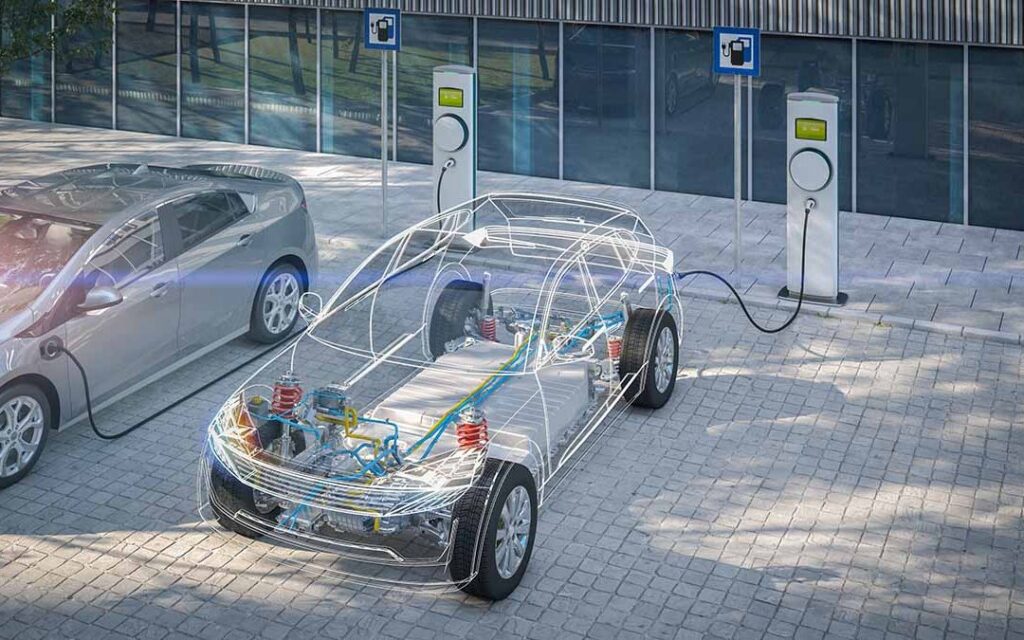
One of the most significant applications of motor hairpin winding is in the electric vehicle industry. EV manufacturers continuously work to improve vehicle range, performance, and efficiency while reducing overall system weight and size.

Hairpin-wound motors offer several advantages that directly support these goals. Their higher slot fill factor increases motor efficiency, helping reduce energy consumption and extend driving range. Improved thermal management allows motors to operate effectively under demanding conditions such as rapid acceleration and sustained high-speed operation.

Many leading automotive manufacturers have adopted hairpin winding technology for their next-generation electric drive systems. As global EV adoption continues to expand, demand for hairpin-based motor production is expected to increase substantially.

The automotive sector is likely to remain one of the largest users of hairpin winding technology for years to come.

Industrial Automation and Manufacturing Equipment

Industrial automation represents another important application area for hairpin winding technology. Factories increasingly rely on electric motors to power robotic systems, conveyor equipment, machine tools, and automated production lines.

Energy efficiency is a major priority in industrial environments, where motors often operate continuously for extended periods. Hairpin windings help reduce energy losses, resulting in lower operating costs and improved system performance.

The enhanced reliability and thermal characteristics of hairpin-wound motors also contribute to reduced maintenance requirements. Manufacturers benefit from greater productivity and improved equipment uptime.

As smart factories and Industry 4.0 technologies continue to evolve, the demand for high-efficiency motors incorporating advanced winding solutions is expected to grow steadily.

Renewable Energy Systems

The renewable energy sector is another area where hairpin winding technology plays an increasingly important role. Wind turbines, energy storage systems, and other renewable energy applications require motors and generators capable of delivering reliable performance under challenging operating conditions.

Hairpin windings help improve generator efficiency by reducing electrical resistance and optimizing copper utilization. Better thermal performance supports continuous operation while maintaining reliability over long service periods.

As governments and businesses invest heavily in sustainable energy infrastructure, demand for efficient motor and generator technologies will continue to increase. Hairpin winding solutions are well positioned to support these evolving requirements.

The renewable energy industry’s focus on efficiency and sustainability aligns closely with the advantages offered by hairpin winding technology.

Aerospace and Advanced Mobility Applications

Emerging mobility technologies are creating new opportunities for advanced motor designs. Electric aircraft, urban air mobility systems, drones, and other next-generation transportation solutions require lightweight and highly efficient motors.

Hairpin winding technology contributes to higher power density, enabling manufacturers to produce compact motors that deliver substantial performance. This characteristic is particularly valuable in aerospace applications where every kilogram matters.

As electric aviation and advanced mobility sectors continue to develop, hairpin winding is expected to play an increasingly important role in achieving performance and efficiency targets.

The ability to combine compact size with high output makes this technology attractive for many future transportation platforms.

Manufacturing Advantages of Hairpin Windings

Beyond performance improvements, hairpin windings offer significant manufacturing benefits. Their structured design is well suited for automated production environments, enabling high levels of consistency and repeatability.

Advanced robotic systems can perform conductor forming, insertion, twisting, and welding operations with exceptional precision. Automated quality control processes further enhance production reliability.

Manufacturers benefit from reduced labor requirements, faster production cycles, and improved product consistency. These advantages are especially important in high-volume industries such as automotive manufacturing.

As automation technologies continue to advance, the production efficiency associated with hairpin winding systems is expected to improve even further.

Future Innovations in Hairpin Winding Technology

The future of hairpin winding technology is closely tied to ongoing advancements in motor design and manufacturing automation. Researchers and equipment manufacturers are continuously developing new methods to improve efficiency, reduce production costs, and enhance overall performance.

Artificial intelligence and machine learning are increasingly being integrated into manufacturing systems to optimize production processes and improve quality control. Predictive maintenance technologies can help identify potential equipment issues before they affect productivity.

Advancements in welding techniques, conductor materials, and cooling system designs are also expected to further improve the capabilities of hairpin-wound motors.

As these innovations mature, hairpin winding technology will become even more effective and accessible across a wider range of industries.

Challenges and Opportunities Ahead

Despite its many advantages, hairpin winding technology still presents certain challenges. The manufacturing process requires specialized equipment, advanced automation systems, and highly precise welding operations.

Initial investment costs can be higher compared to traditional winding methods. However, these costs are often offset by improved efficiency, higher productivity, and better motor performance over time.

As production technologies continue to evolve and economies of scale improve, many of these barriers are expected to diminish. This creates significant opportunities for broader adoption across industries that have not yet fully embraced hairpin winding solutions.

The ongoing push toward electrification will continue to drive innovation and investment in this area.

Conclusion

The demand for high-performance electric motors is growing rapidly across automotive, industrial, renewable energy, and aerospace sectors. Motor hairpin winding has emerged as one of the most effective technologies for meeting these evolving requirements.

Through improved efficiency, higher power density, enhanced thermal management, and compatibility with automated production systems, hairpin windings offer substantial advantages over traditional winding methods. These benefits have already made the technology a key component in many advanced motor applications.

Looking ahead, continued innovation in manufacturing, materials, and automation will further strengthen the role of hairpin winding technology. As industries pursue greater efficiency and sustainability, hairpin winding systems are expected to remain at the forefront of electric motor development for years to come.
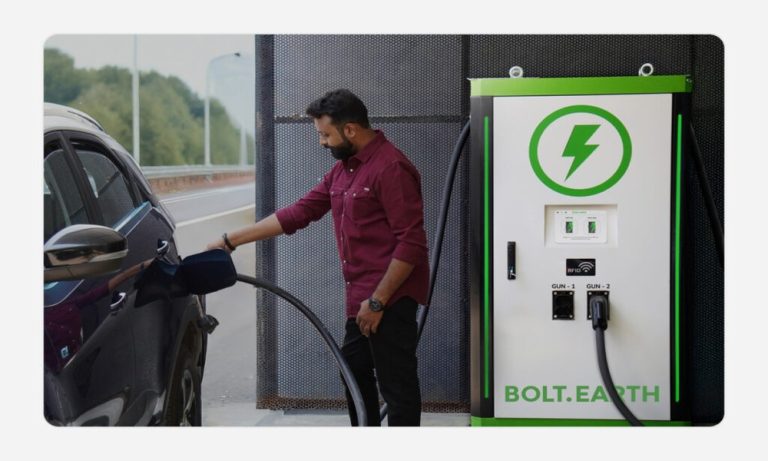
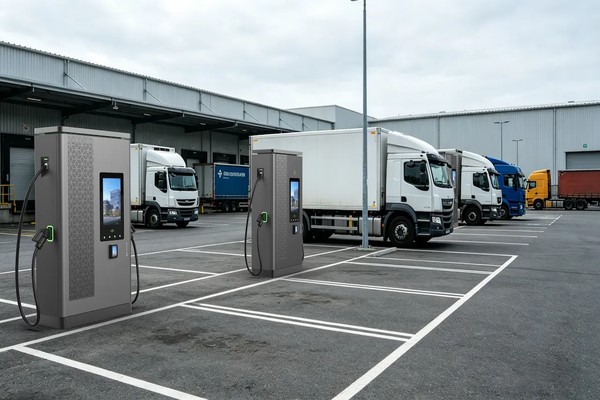
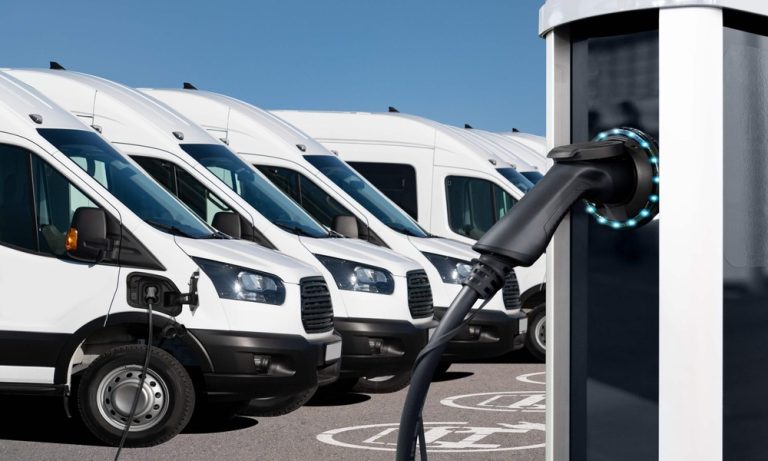
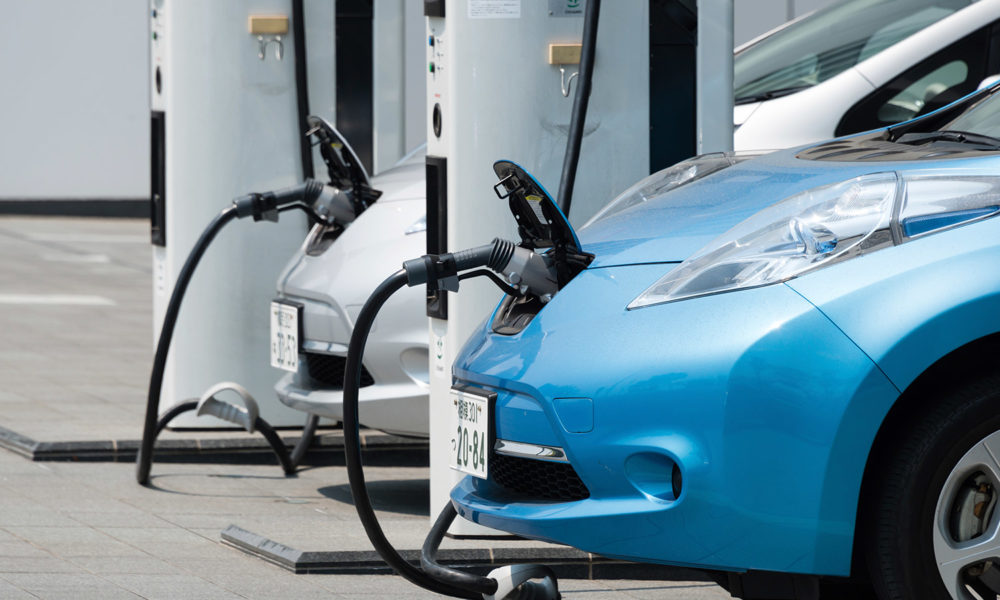
Electric vehicles are no longer the future of commercial fleets – they’re the present. From last-mile delivery vans and yard trucks to terminal tractors and medium-duty work vehicles, fleet operators across North America are making the switch. But buying electric vehicles is only half the equation. The other half – and arguably the harder one – is figuring out how to charge them reliably, affordably, and at scale.

That’s where depot fleet chargers come in. Unlike public charging networks designed for one-off consumer use, depot chargers are purpose-built for the rhythms of commercial fleet operations. Here’s why they’ve become the cornerstone of any serious electrification strategy.

1. Predictable, Centralized Charging

Fleets thrive on predictability. Drivers need vehicles ready at shift change, dispatchers need accurate range data, and operations managers need to know that downtime won’t blow up the day’s schedule. Depot charging delivers all of that by centralizing energy delivery at the place vehicles already return to every night.

Instead of hunting for public chargers or hoping a third-party network is operational, your fleet plugs in at home base. Vehicles charge during off-shift hours and roll out the next morning at full state of charge. It’s the simplest, most reliable way to keep an electric fleet moving.

2. Dramatically Lower Energy Costs

Public DC fast charging is expensive – sometimes two or three times the cost per kWh of charging at a depot. Multiply that across hundreds of vehicles and thousands of charging sessions per year, and the savings from depot charging become impossible to ignore.

Better still, modern depot charging infrastructure can be programmed to charge during off-peak utility windows when electricity rates are at their lowest. Battery-integrated systems take this even further by storing cheap overnight energy and dispatching it to vehicles on demand, sidestepping costly demand charges that often account for 30 to 70 percent of a fleet’s monthly electricity bill.

Article body image

3. Faster Deployment Than You Think

One of the biggest myths about depot electrification is that it requires years of utility coordination and construction. Traditional builds often do – transformer upgrades, switchgear installation, and permitting can stretch projects out 12 to 24 months.

But newer solutions are changing that math. Companies like OptiGrid offer fleet depot charging infrastructure that runs on existing on-site power thanks to onboard battery storage. That means deployments in 4 to 6 weeks instead of years – a game-changer for operators racing to hit electrification deadlines.

4. Scalability That Matches Fleet Growth

Few fleets electrify all at once. Most start with a pilot, prove out the economics, and expand from there. Modular depot charging supports that approach perfectly. You can add chargers as you add vehicles, avoiding the trap of overbuilding infrastructure for a fleet that doesn’t yet exist.

And if your operation moves? Modular, battery-integrated chargers can move with you – a critical advantage for operators in leased facilities.

5. Smarter Operations Through Data

Modern depot chargers aren’t just power outlets. They’re connected assets that feed energy consumption data, charging patterns, and vehicle readiness reports directly into your fleet management systems. OCPP-compliant platforms integrate seamlessly with telematics tools you already use, giving managers a single pane of glass to monitor every charger across every site.

That visibility translates into real operational gains: fewer surprises, better-utilized vehicles, and lower lifetime energy costs.

The Bottom Line

Depot fleet chargers aren’t just a nice-to-have – they’re the foundation of profitable, scalable fleet electrification. They cut energy costs, eliminate range anxiety, integrate with existing operations, and increasingly, deploy fast enough to match the pace of business.

For fleet operators ready to electrify without waiting on the grid, the right depot charging partner makes all the difference.

Electric mobility is reshaping the logistics and transportation industry. To cut fuel costs, meet sustainability goals, and comply with emission regulations, many businesses are electrifying their fleets.

But adopting EVs is only half the equation. Building a reliable charging infrastructure is equally critical for operational efficiency. A well-planned charging strategy keeps vehicles on the road, reduces downtime, and enables smooth scaling of logistics operations.

Why EV Charging Infrastructure Matters for Fleet Operations

Commercial fleets run on strict schedules and predictable routes. Delivery vans, service vehicles, and last-mile fleets need quick, dependable charging to stay operational. Strategic infrastructure allows off-peak scheduling and minimizes wait time, ensuring cost savings and reliability.

Choosing the Right Charging Infrastructure

Before deploying charging stations, businesses should assess several key factors, such as fleet size, vehicle battery capacity, and route patterns. These factors determine whether AC chargers, DC fast chargers, or a mix of both will best support fleet needs.

AC chargers are ideal for fleets on fixed schedules that return to a depot for overnight charging.

DC fast chargers are essential for fleets with longer routes or higher utilization, needing rapid turnaround to reduce downtime.

A balanced approach to EV charging for commercial fleet logistics often involves multiple chargers within depots, ensuring vehicles can charge simultaneously without disrupting operations.

Smart Charging and Energy Management

As fleets scale, energy management becomes critical. Smart charging solutions allow businesses to schedule charging sessions, balance power loads across multiple chargers, and monitor energy use in real time through centralized software platform, improving efficiency, cutting costs, and reducing infrastructure strain

Design Scalable Fleet Charging

Fleet electrification is set to grow rapidly. Businesses should design charging infrastructure with scalability in mind.

This means selecting charging solutions that support future fleet expansion, integrating charging management software, and ensuring electrical systems can accommodate additional chargers when required.

Conclusion

By adopting a strategic approach to EV charging for commercial fleet logistics, businesses can build reliable charging ecosystems that support current fleet operations and future growth. With smart, scalable infrastructure, fleet electrification becomes not just achievable but a competitive advantage in the evolving logistics landscape.

Electric vehicles (EVs) are gaining popularity due to their eco-friendliness and the potential to significantly reduce carbon emissions. However, the major challenge EVs face is their battery technology. The majority of EVs use lithium-ion batteries, which have limited energy density and safety concerns. To overcome these challenges, researchers are exploring solid-state batteries as the next-generation battery technology for EVs. In this article, we will explore the latest developments in solid-state batteries for EVs.

What are Solid-State Batteries?

Solid-state batteries are a type of battery technology that uses solid electrolytes instead of liquid electrolytes used in conventional lithium-ion batteries. Solid-state batteries offer several advantages over traditional lithium-ion batteries, such as higher energy density, faster charging, and improved safety. Solid-state batteries also have the potential to use lithium metal as an anode, which can further increase energy density.

Lithium Metal Batteries

Lithium metal batteries are one of the most promising solid-state battery technologies for EVs. Lithium metal batteries use lithium metal as an anode, which has a higher energy density than graphite used in traditional lithium-ion batteries. The use of lithium metal anodes can significantly increase the energy density of a battery, which can increase the driving range of an EV.

However, the use of lithium metal anodes comes with safety concerns, as lithium metal is highly reactive and can cause thermal runaway if it comes in contact with liquid electrolytes. Researchers are exploring several approaches to overcome this challenge, such as using solid-state electrolytes and functional coatings on the lithium metal anode.

Solid-State Electrolytes

Solid-state electrolytes are a critical component of solid-state batteries. Solid-state electrolytes offer several advantages over liquid electrolytes, such as improved safety and higher energy density. The use of solid-state electrolytes also eliminates the need for a separator, which is required in traditional lithium-ion batteries.

Researchers are exploring several types of solid-state electrolytes, such as ceramic, polymer, and composite electrolytes. Ceramic electrolytes offer high ionic conductivity but are brittle and difficult to manufacture. Polymer electrolytes offer flexibility and ease of manufacturing but have lower ionic conductivity than ceramic electrolytes. Composite electrolytes combine the advantages of both ceramic and polymer electrolytes and offer high ionic conductivity and flexibility.

Conclusion

Solid-state batteries offer several advantages over traditional lithium-ion batteries, such as higher energy density, faster charging, and improved safety. Lithium metal batteries using solid-state electrolytes are one of the most promising solid-state battery technologies for EVs. However, several challenges need to be overcome before solid-state batteries become commercially viable, such as improving the manufacturing process and reducing the cost of production.

  • Higher energy density than traditional lithium-ion batteries.
  • Faster charging capability.
  • Improved safety compared to traditional lithium-ion batteries.
  • Potential to use lithium metal as an anode, which can increase energy density.

Despite the challenges, the development of solid-state batteries for EVs is an exciting field, and researchers are optimistic about its potential. With continued research and development, solid-state batteries could revolutionize the EV industry and make electric vehicles the norm rather than the exception.

All-terrain vehicles (ATVs) are one of the most popular recreational vehicles around the world. They are designed to traverse rough terrains, making them a favorite among adventurers and thrill-seekers. However, ATVs can also be dangerous if not used properly. Here are some safety measures to consider when riding ATVs:

Wear Protective Gear

One of the most important safety measures when riding ATVs is to wear protective gear. This includes a helmet, gloves, boots, and a long-sleeved shirt and pants. These items can help protect you from head injuries, cuts, bruises, and burns. It is also important to wear goggles or a face shield to protect your eyes from dust, dirt, and other debris.

Take a Safety Course

Before riding an ATV, it is important to take a safety course. These courses teach riders how to operate the vehicle safely, how to handle emergency situations, and how to avoid accidents. Many ATV manufacturers offer these courses for free or at a low cost.

Inspect the ATV

Inspect the ATV

Before riding an ATV, inspect it to make sure it is in good condition. Check the brakes, tires, and steering. Make sure all the parts are working properly and that there are no loose or missing parts.

Ride in a Safe Area

When riding an ATV, make sure to ride in a safe area. Avoid riding on paved roads, as ATVs are designed for off-road use. Also, avoid riding in areas with steep slopes, deep water, or other hazards. Stick to designated trails and areas that are suitable for ATVs.

Ride at a Safe Speed

When riding an ATV, always ride at a safe speed. Avoid excessive speed, and adjust your speed to the terrain and conditions. Be especially cautious when riding downhill, as it is easy to lose control of the vehicle at high speeds.

Ride with a Buddy

When riding an ATV, it is always safer to ride with a buddy. This way, you can help each other in case of emergency or accidents. It also makes the ride more enjoyable and less risky.

Never Drink and Ride

Finally, never drink and ride an ATV. Alcohol impairs your judgment and slows your reaction time, making it dangerous to operate any vehicle. If you plan to drink, make sure to arrange for a designated driver or a safe ride home.

In conclusion, riding ATVs can be an exciting and enjoyable experience, but it can also be dangerous if not done safely. By following these safety measures, you can ensure that you have a fun and safe ride.

Wireless charging technology has been gaining popularity in recent years, and it has now made its way into the electric vehicle industry. This technology has the potential to revolutionize the way electric vehicles are charged and maintained, making them more convenient and user-friendly.

What is Wireless Charging?

Wireless charging is a technology that allows power to be transferred from a power source to an electronic device without the need for a physical connection. This is done using electromagnetic induction, which creates a magnetic field that transfers energy to the device. Wireless charging is already widely used in mobile phones, smartwatches, and other small electronic devices.

How Does Wireless Charging Work for Electric Vehicles?

Electric Vehicles....

Wireless charging for electric vehicles works in a similar way to wireless charging for other electronic devices. A charging pad is installed on the ground, and a receiver is installed on the underside of the vehicle. When the vehicle is parked over the charging pad, the receiver picks up the electromagnetic signal and converts it into electrical energy, which is then used to charge the vehicle’s battery.

The technology is not yet widely available for electric vehicles, but it is being developed by several companies. One of the most well-known companies working on wireless charging for electric vehicles is WiTricity. The company has developed a wireless charging system that can be retrofitted to existing electric vehicles.

Implications for Electric Vehicles

The emergence of wireless charging for electric vehicles has several implications for the industry. One of the most significant implications is the potential to make electric vehicles more convenient to use. Currently, one of the biggest barriers to widespread adoption of electric vehicles is the need to plug them in to charge. With wireless charging, users can simply park their vehicle over a charging pad, and the vehicle will start charging automatically. This eliminates the need for users to remember to plug in their vehicle every night and can make electric vehicles more attractive to consumers.

Another potential implication of wireless charging is the ability to charge electric vehicles on the go. Currently, electric vehicle owners must plan their trips carefully to ensure they can make it to their destination without running out of charge. With wireless charging, charging pads could be installed along highways and other busy roads, allowing electric vehicle owners to charge their vehicles on the go.

Conclusion

Wireless charging technology has the potential to revolutionize the way electric vehicles are charged and maintained. The convenience and ease-of-use of wireless charging could make electric vehicles more attractive to consumers and could help to increase the adoption of electric vehicles. While the technology is not yet widely available for electric vehicles, it is being developed by several companies, and it is likely that we will see more widespread adoption of wireless charging in the coming years.

For decades, the roar of gasoline engines has been the soundtrack of racing. However, with advancements in technology and a growing concern for the environment, electric vehicles (EVs) are making their way onto the track. This shift to electric racing is not only changing the way we race, but it is also transforming the automotive industry as a whole.

The Rise of Electric Racing

The first electric racing series, Formula E, was launched in 2014. Since then, it has gained popularity and now hosts races in major cities around the world. The cars used in Formula E are powered by lithium-ion batteries and can reach speeds of up to 174 miles per hour. The series has also inspired other electric racing competitions, such as the Electric GT Championship and the Jaguar I-PACE eTROPHY.

One of the biggest advantages of electric racing is that it is much quieter than traditional racing. This has allowed races to be held in city centers without disturbing local residents. Electric racing is also more sustainable and produces zero emissions. This means that it is more environmentally friendly than traditional racing and helps to reduce the carbon footprint of the automotive industry.

Challenges of Electric Racing

While electric racing is becoming increasingly popular, there are still some challenges that need to be overcome. One of the biggest challenges is the limited range of electric vehicles. This means that races are often shorter than traditional races, and drivers need to carefully manage their battery life. Another challenge is the lack of sound, which some fans find less exciting than the roar of traditional engines.

Despite these challenges, electric racing is here to stay. The automotive industry is rapidly shifting towards electric vehicles, and racing is no exception. Many major automakers, such as Audi, BMW, and Mercedes-Benz, are already involved in electric racing. This involvement not only helps to promote their electric vehicles but also provides valuable data and feedback that can be used to improve their production cars.

The Future of Electric Racing

The Future of Electric Racing

As technology continues to advance, electric racing is only going to become more exciting and competitive. Battery technology is improving, which will increase the range and power of electric vehicles. New and innovative designs will also be developed, taking advantage of the unique characteristics of electric vehicles. This will create new opportunities for automakers, engineers, and drivers to push the limits of what is possible on the track.

Electric racing is not just a trend, it is a new era in the world of racing. It represents a shift towards a more sustainable and environmentally friendly automotive industry. It also provides a platform for innovation and competition that will drive the development of new technologies and designs. So, get ready to witness the future of racing, because it is electric!

Electric vehicles (EVs) and hydrogen fuel cell vehicles (FCVs) are two of the most talked-about technologies in the automotive industry today. Both of these technologies represent a significant shift away from traditional gasoline-powered cars and trucks. While both EVs and FCVs have their advantages and disadvantages, the question remains: which is the better technology for the future of transportation?

Electric Vehicles

Electric Vehicles..

Electric vehicles are powered by batteries that store electricity, which is used to power an electric motor. These batteries can be charged by plugging them into an electrical outlet or charging station. EVs have become increasingly popular in recent years, thanks to advancements in battery technology and the push for more environmentally friendly transportation options.

  • Pros:
    • Zero emissions
    • Lower operating costs (electricity is cheaper than gasoline)
    • Quiet operation
    • Instant torque (no need for gears)
    • No need for oil changes or other routine maintenance
  • Cons:
    • Limited driving range (typically around 100-300 miles per charge)
    • Long charge times (can take several hours to fully charge)
    • Lack of charging infrastructure in some areas
    • Battery degradation over time (batteries will eventually need to be replaced)
    • Higher upfront cost compared to gasoline-powered vehicles

Hydrogen Fuel Cells

Hydrogen Fuel Cells

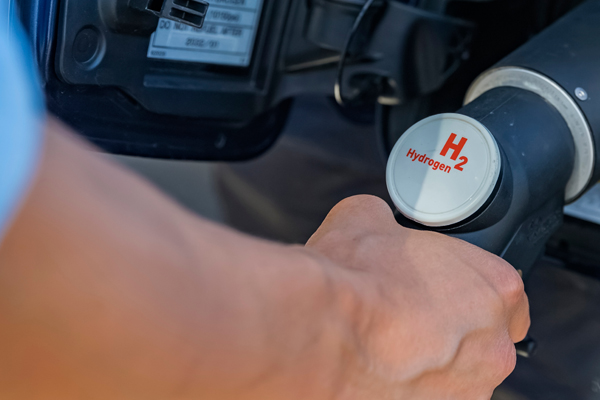
Hydrogen fuel cell vehicles are powered by an electrochemical reaction between hydrogen and oxygen to generate electricity, which is used to power an electric motor. Unlike EVs, which store electricity in a battery, FCVs generate electricity on demand. Hydrogen fuel cell technology has been in development for many years, but has only recently started to gain traction in the automotive industry.

  • Pros:
    • Zero emissions
    • Long driving range (typically around 300-400 miles per tank)
    • Fast refueling times (comparable to gasoline refueling times)
    • No need for oil changes or other routine maintenance
  • Cons:
    • Higher cost compared to gasoline-powered vehicles
    • Lack of refueling infrastructure in some areas
    • Hydrogen production is currently expensive and energy-intensive
    • Concerns about the safety of hydrogen storage and transportation
    • Less efficient than EVs (some energy is lost during the conversion process)

Conclusion

Both electric vehicles and hydrogen fuel cell vehicles have their advantages and disadvantages. EVs are currently more widely available and have a lower cost of ownership, but suffer from range anxiety and long charging times. Hydrogen fuel cell vehicles have a longer driving range and faster refueling times, but are currently more expensive and lack refueling infrastructure in many areas. Ultimately, the choice between these two technologies will depend on a variety of factors, including driving habits, geographic location, and personal preferences. As the technology continues to improve and become more widely available, both EVs and FCVs have the potential to revolutionize the way we think about transportation.