Author

Latosha D. Adams

Browsing

The car water pump is a small but vital part. It keeps the engine cool. Without it, the engine can overheat, causing damage.

The pump moves coolant through the engine. This keeps the engine at a safe temperature. If it fails, you might notice the engine running hotter, weak cabin heat, or a sweet smell.

This guide explains the signs of a failing water pump. You’ll learn about leaks, temperature changes, noises, steam, and corrosion. Knowing these signs can help prevent engine damage and save you money.

Key Takeaways

  • The car’s water pump keeps coolant circulation moving to control engine temperature.
  • Water pump symptoms can appear quickly, especially during hot weather or heavy traffic.
  • Common failing water pump signs include leaks, rising temperatures, noises, steam, and corrosion.
  • A weakened engine cooling system can lead to rapid overheating and serious engine damage.
  • Early diagnosis is one of the best ways to prevent engine overheating and high repair costs.
  • Understanding the warning signs helps you decide when to stop driving and get it checked.

Why the Water Pump Matters in the Engine Cooling System

The car’s water pump keeps coolant moving. This stops heat from building up in the engine. It’s key for keeping the engine cool, whether you’re stuck in traffic or driving on the highway.

Coolant flows in a loop. It goes from the radiator, through the engine, and back again. This keeps everything running smoothly.

Heater core coolant flow also plays a part. When you turn on the heater, hot coolant goes through a small radiator in the dashboard. Then, it goes back into the system.

Inside the pump, each part has a job. The impeller moves coolant. The bearing seal keeps everything in place. A worn seal can cause problems.

How the pump is driven is important too. Some use the serpentine belt, while others use a timing belt. This affects how fast coolant flows.

Cooling-system element

What it does in radiator and engine circulation

What tends to fail first

What drivers often notice

Impeller

Pushes coolant through passages to keep the coolant flow path active

Blade wear, cracking, or slipping on the shaft

Temperature swings, weak cabin heat during heater core coolant flow demand

Bearing and seal

Keeps the shaft stable and coolant contained

Impeller bearing seal wear, noisy bearing, seepage

Whining or grinding from the front of the engine, dampness near the pump

Housing and gasket

Mounts the pump and seals it to the engine

Gasket shrink, corrosion, or warping

External drips, crusty residue around the mounting area

Pulley and belt drive

Transfers rotation from the belt to the pump

Misalignment, belt wear, tension issues

Squeal on startup, reduced flow at idle with a serpentine belt setup

Timing cover area (belt-driven designs)

Supports a timing belt driven water pump tucked behind covers

Seal leak that spreads under the covers

Coolant smell, unexplained loss with no obvious puddle

Car Water Pump Warning Signs Drivers Commonly Notice

Most car water pump warning signs appear in small ways before they become big problems. Drivers often see changes on the dashboard, a new smell, or damp spots under the car. Catching these signs early helps avoid being stuck on the side of the road.

  • Dash behavior that feels “off,” including temperature fluctuations and a temperature gauge high reading that comes and goes
  • A fresh coolant puddle in front of the car, sometimes near the center line, with coolant that may look green, orange, pink, or red
  • A new grinding whining noise from the front of the engine bay that rises and falls with RPM
  • Steam under the hood after a hot run, especially when coolant hits warm parts and flashes to vapor
  • Warning indicators, such as a coolant warning light that appears even if the engine feels “okay” for the moment

What you notice first

What it often looks or sounds like

Why it matters right away

Temperature fluctuations

The needle drifts up, settles, then climbs again, specially in traffic

Uneven coolant flow can make heat build in pockets, stressing hoses and gaskets

Temperature gauge high

Runs higher than your normal baseline on hills, towing, or long idling

Higher load needs steady circulation; weak flow can tip the engine into overheating

Coolant puddle front of car

Sweet smell and a wet patch near the front/center-front after parking

Low coolant reduces heat control and can pull air into the system

Grinding whining noise

Whirring, squeal, or a rough bearing sound that changes with RPM

Bearing or pulley wear can worsen fast and affect belt drive and circulation

Steam under hood

Visible vapor near the radiator area or around hot engine parts

Steam can signal overheating or coolant contacting hot surfaces

Coolant warning light

Light comes on during stops, slow climbs, or after a warm restart

It’s a prompt to reduce load and check levels before heat spikes further

These symptoms can add up quickly. A small leak or a faint noise can turn into a bigger cooling loss, then overheating. If the dash starts acting strange, treat it as a time-sensitive change, not a “wait and see” issue.

Coolant Leaks and Drips That Point to a Failing Pump

A water pump coolant leak often shows up after you park. Look for a coolant puddle under car near the center-front area. It’s closer to the timing cover and front of the engine block than the radiator. On many vehicles in Australia, that spot is the first place a slow drip collects.

One common cause is a water pump gasket leak. As the gasket ages, it can flatten or crack. This lets coolant seep down the pump body. The drip may start as a damp edge, then turn into a steady trail that leaves dried residue around bolts and seams.

Leaks can also come from inside the pump. When the internal seal wears, a weep hole leak may appear. It shows as a few drops under the pump snout, then worsens over time. A cracked pump housing can mimic the same symptoms, showing more when the engine is hot.

Pay attention to what you see on the ground. Coolant colors green, orange, pink, and red can all be normal. This depends on what was used last, so color alone won’t confirm the brand or type. Even without a visible puddle, the level can fall if seepage hits hot surfaces and evaporates or if it leaks mostly while driving under pressure.

When the source isn’t obvious, a cooling system pressure test can help. It can reveal a slow seep at the pump gasket, a drip at the weep hole, or a fine spray from a hairline crack. This only shows under load.

What you notice

Where it tends to appear

What it can point to

Coolant puddle under car after parking

Center-front under the engine, near timing cover area

Water pump gasket leak or a larger external water pump coolant leak

Small, repeated drops with no big puddle

Under the pump pulley area

Weep hole leak from a weakening internal seal

Crusty residue and damp tracks

Around pump seams and mounting bolts

Slow gasket seepage that spreads as it runs down the housing

Coolant smell but little to see on the ground

On hot engine surfaces near the pump

Evaporating seepage that can be confirmed with a cooling system pressure test

Wet spots matching coolant color green, orange, pink, red

On splash shields or lower engine components

Active leak that’s being carried by airflow while driving

Overheating Symptoms That Should Never Be Ignored

When the engine overheats, the water pump can’t move coolant fast enough. This happens a lot in stop-and-go traffic, on long climbs, or while towing. In Australia’s summer, this extra load can cause trouble.

If the needle on the temperature gauge is higher than usual or keeps bouncing, it’s a warning. Seeing the temperature gauge in the red zone means damage can start in minutes. A coolant warning light can also mean the system is low, leaking, or not flowing properly.

Steam under the hood is another sign. It often shows up when you pull up at lights or park after driving hard. Steam can come from coolant dripping onto hot parts or from boiling coolant as pressure drops. Either way, it means temperatures are too high.

What you notice

What it often points to

Why it matters now

Temperature gauge rising above normal, then dropping

Coolant flow that comes and goes, often tied to pump speed

Heat cycling can stress seals and gaskets, making failures more likely

Temperature gauge red zone or a sudden spike during a hill climb

Low coolant movement under load and higher engine heat output

Fast overheating can lead to warped cylinder head and head gasket damage

Coolant warning light with a sweet smell after stopping

Coolant loss, trapped air, or poor circulation

Low coolant can expose hot spots that crack metal over time

Steam under hood near the radiator area

Boiling coolant, leaks hitting hot components, or pressure release

Severe heat events raise the risk of cracked cylinder head and burnt pistons

If the gauge climbs, turn the cabin heater to max and the fan to high. This pulls heat away from the engine. Then pull over as soon as it’s safe and shut the engine off. Do not open the radiator cap, as pressurized coolant can spray and burn.

If the warning returns right away, arrange a tow instead of driving on. Repeated overheating can turn a small cooling issue into a ruined engine. This includes head gasket damage, a warped cylinder head, a cracked cylinder head, or burnt pistons.

Unusual Noises From the Front of the Engine Bay

Strange sounds up front often show up before a leak does. A water pump whining noise can have a smooth, harmonic tone. This tone rises and falls with engine RPM.

It may be louder on cold starts, then fade as parts warm up. Even so, the pitch usually tracks the throttle. This helps separate it from random rattles.

A sharp high-pitched squeal pulley can point to alignment trouble or a pulley that is starting to wobble. That wobble is one sign of water pump pulley failure. This is true, even if it happens right after a belt service or tension adjustment.

When the noise turns rough, listen for a grinding noise water pump bearing. That sound can come from worn rollers inside the pump. Here, friction builds as the bearing surface breaks down.

One quick clue is bearing play. With the engine off and cool, a pulley that rocks by hand can hint at internal wear. Even if it spins, it shows signs of wear.

Sound and feel

What it often tracks

What it can point to

Why it matters

Water pump whining noise that rises with RPM

Changes with throttle, sometimes louder when cold

Early bearing wear inside the pump

Heat and friction can build fast as the bearing degrades

High-pitched squeal pulley near the belt path

May flare during startup or quick revs

Water pump pulley failure or pulley misalignment

A wobbling pulley can stress the belt and nearby accessories

Grinding noise water pump bearing with a harsh, sandy tone

Gets worse under load and with RPM

Late-stage bearing damage

The pump can seize without much warning

Chirp or squeal that changes after spraying water on the belt

Briefly quiets or shifts tone

Serpentine belt noise vs water pump

Belt slip can mimic pump issues, so it helps narrow the source

If a belt-driven pump locks up, it can shred the belt. This upsets charging and cooling at the same time. On timing-belt-driven setups, a seized pump can also overload the timing belt. This is a bigger risk for interference engines.

Visible Rust, Corrosion, or Deposits Around the Pump Area

When you look under the hood, check the engine’s front near the belt drive. This is where water pump corrosion often starts. You might see rust on the pump housing or a dried coolant ring at the gasket line.

Staining can be white, orange, or green, depending on the coolant. These deposits can form around the pump and on the engine. Over time, they can harden and block flow.

Coolant condition is key. Bad coolant can cause impeller corrosion, weakening the pump. Acidic coolant can attack metal from the inside out.

Pressure issues can also be a sign. A failing pressure plug can lead to rust and reduced pump performance. For more clues, check this inspection checklist.

What you see near the pump

What it can suggest

Why it matters to cooling performance

Orange streaks or flaking metal on the housing

rust on water pump and advancing surface breakdown

Rough surfaces can worsen sealing and promote ongoing water pump corrosion

Chalky white crust around gasket edges or the weep hole

coolant deposits from slow seepage and evaporation

Residue can harden into mineral buildup that restricts local flow

Brown sludge or gel-like residue inside the neck or near fittings

contaminated coolant and additive drop-out

Thicker fluid moves poorly and can raise system temps under load

Pitted metal or worn vanes (when the pump is off)

impeller corrosion linked to old coolant chemistry

Lower pump output reduces circulation and can trigger overheating

General dulling and etching of metal surfaces

degraded coolant acidic conditions over time

Accelerates internal wear across hoses, radiator, and pump surfaces

Seal Failure, Weep Holes, and Damage on the Dry Side of the Pump

The water pump has a seal to keep coolant inside. When this seal fails, pumps have a weep hole to warn us. A few drops are okay at first, but steady dripping is a big warning.

But, some leaks don’t show up on the ground. They might evaporate on hot metal. This makes it hard to see the leak.

Look at the pump body and behind the pulley for signs. Over time, you might see stains or pitting. In bad cases, you’ll see holes or worn spots.

Cavitation is another problem. It happens when coolant flow is disrupted. This creates bubbles that can damage the pump.

What You Notice

What It Often Means

What to Check Next

Steady wetness under the pump snout

weep hole dripping that tracks with engine temperature

Inspect the vent area with a light; look for fresh coolant traces after a drive

Coolant level drops but no puddle

Slow seepage masked by internal leak evaporation

Check for dried residue on the pump and nearby timing cover; pressure test if needed

Crusty deposits near the shaft area

outer seal deterioration and early seal wear

Look for streaking, staining, and residue patterns that start at the pump

Pitting or pinholes on the back side of the housing

dry side damage linked to long-term wear or corrosion

Inspect with mirrors or from below; confirm the pump housing isn’t compromised

Rough flow symptoms with no obvious hose issue

coolant inlet bubbles and cavitation stress near the impeller

Check coolant condition, proper fill level, and for signs of aeration in the system

Seeing signs of seal failure or weep hole dripping means trouble. It can lead to bigger cooling issues. Catching it early helps avoid damage to hoses and the radiator.

Repair Timing and Prevention to Avoid Costly Engine Damage

When signs appear, it’s time to think about replacing the water pump. A weak pump can’t move coolant, leading to fast heat buildup. Driving a bit longer can turn a small fix into a big engine problem.

Overheating can cause huge costs. If the gauge gets too hot, it can damage the engine. This includes warping cylinder heads, blowing head gaskets, cracking blocks, or seizing pistons. Replacing the pump early can prevent these problems.

On many Australian vehicles, replacing the timing belt and water pump together is wise. This saves money because the labor is the same. It’s even more important for interference engines, where a bad pump can cause belt failure and piston damage.

Prevention is about regular habits and checks. Follow coolant flush intervals to avoid damage from old coolant. Good maintenance also means checking for coolant mix-ups, keeping belt tension right, and getting a pressure test when leaks are suspected.


The vast roads of Utah demand more space. Now you can find better ways to haul. Sometimes the standard trailer length is not enough. You want to carry more gear on trips. So, the local industry is changing very fast. custom trailer extensions utah provide the perfect solution today. These steel additions make every single journey easier. You can now fit larger loads with ease. A1 Trailer Repair and Welding help many local drivers. But the process requires very skilled hands. The right extension changes how people move goods.

Expanding Your Horizons

A standard trailer has many physical limits. But you can grow your hauling capacity now. Sometimes you need extra feet for big toys. You have many options for your specific rig. The new space allows for much larger equipment. Now your old trailer feels brand new again. You can trust the strength of expert welds. Expert teams like A1 Trailer Repair and Welding focus on safety. But they also prioritize your unique hauling goals. The frame must remain balanced for the road. You need a stable ride for long trips.

Engineering Strength and Safety

Metal work must be very precise and strong. The steel must handle heavy weight every day. But the added length should not be heavy. You want a trailer that stays very light. Specialized shops use high quality steel for builds. Now the frame can take much more stress. You will notice better handling on the highway. Sometimes the extra length helps with weight distribution. This keeps your truck and trailer very safe. A1 Trailer Repair and Welding use over twenty years of experience. So, the final product is always very durable.

Professional Craftsmanship on the Road

Mobile services make these upgrades very easy now. You do not have to travel very far. Skilled welders can come to your own location. But a shop visit is also a choice. You get a warranty on the custom work. This gives you peace of mind while driving. The local community trusts these expert metal builders. Now you can plan your next big adventure. You have the room for every single piece. The trailer is ready for the toughest terrain. You can rely on the strength of steel.

Conclusion

Custom extensions are the future of hauling here. You can transform your trailer with simple steps. Sometimes you just need a few more feet. Now the roads of Utah feel much smaller. You have the power to carry anything today. The right help makes the job very simple. You will enjoy the extra space for years. So, consider an upgrade for your hauling needs. Your trailer can do so much more now. The possibilities for your next trip are limitless.

Electric mobility is reshaping the logistics and transportation industry. To cut fuel costs, meet sustainability goals, and comply with emission regulations, many businesses are electrifying their fleets.

But adopting EVs is only half the equation. Building a reliable charging infrastructure is equally critical for operational efficiency. A well-planned charging strategy keeps vehicles on the road, reduces downtime, and enables smooth scaling of logistics operations.

Why EV Charging Infrastructure Matters for Fleet Operations

Commercial fleets run on strict schedules and predictable routes. Delivery vans, service vehicles, and last-mile fleets need quick, dependable charging to stay operational. Strategic infrastructure allows off-peak scheduling and minimizes wait time, ensuring cost savings and reliability.

Choosing the Right Charging Infrastructure

Before deploying charging stations, businesses should assess several key factors, such as fleet size, vehicle battery capacity, and route patterns. These factors determine whether AC chargers, DC fast chargers, or a mix of both will best support fleet needs.

AC chargers are ideal for fleets on fixed schedules that return to a depot for overnight charging.

DC fast chargers are essential for fleets with longer routes or higher utilization, needing rapid turnaround to reduce downtime.

A balanced approach to EV charging for commercial fleet logistics often involves multiple chargers within depots, ensuring vehicles can charge simultaneously without disrupting operations.

Smart Charging and Energy Management

As fleets scale, energy management becomes critical. Smart charging solutions allow businesses to schedule charging sessions, balance power loads across multiple chargers, and monitor energy use in real time through centralized software platform, improving efficiency, cutting costs, and reducing infrastructure strain

Design Scalable Fleet Charging

Fleet electrification is set to grow rapidly. Businesses should design charging infrastructure with scalability in mind.

This means selecting charging solutions that support future fleet expansion, integrating charging management software, and ensuring electrical systems can accommodate additional chargers when required.

Conclusion

By adopting a strategic approach to EV charging for commercial fleet logistics, businesses can build reliable charging ecosystems that support current fleet operations and future growth. With smart, scalable infrastructure, fleet electrification becomes not just achievable but a competitive advantage in the evolving logistics landscape.

The fuel system needs tight sealing. The filler neck supports safe fuel entry. So the vehicle depends on this part daily. The component guides fuel toward the tank safely. Now proper sealing prevents harmful fuel vapor leaks. The small opening protects fuel quality inside.

Sometimes drivers overlook this simple component during routine checks. But the filler neck holds an important protective duty. The system stays clean with strong sealing. The fuel remains safe during daily movement. A trusted service center like Stringer Auto repair helps maintain reliable fuel system performance. The filler neck supports long lasting vehicle operation.

Importance of Proper Sealing in the Fuel System

The fuel system needs tight closure. The filler neck supports strong sealing action. So vapors stay inside sealed system areas. The air remains clean around the vehicle surface. Now secure seals reduce harmful fuel odor spread. The cap fits tightly on the neck opening. Sometimes loose caps weaken protective sealing strength quickly.

But correct tightening restores sealing function easily. The rubber seal stops vapor escape during operation. The connection holds pressure within safe limits. The system works smoothly with sealed passages. The tank stays safe during long driving hours. Skilled technicians at Stringer Auto repair ensure reliable sealing around the filler neck during inspections. The fuel system operates with balanced pressure control.

Maintenance Practices for Long Lasting Performance

Regular care protects filler neck strength. The surface needs cleaning after dusty travel. So moisture does not stay on metal areas. The drying process prevents corrosion from forming easily. Now routine checks reveal loose mounting connections early.

The seal area requires careful visual examination. Sometimes dirt hides under protective covers quietly. But cleaning removes harmful particles from hidden spots. The fuel cap needs proper tightening each time. The seal works better with careful handling habits. The filler neck remains stable with balanced usage. The system benefits from periodic professional inspection services. Expert teams recommend safe maintenance plans during service visits. The vehicle stays safe with consistent attention.

Role of Professional Repair and Inspection Services

Professional service ensures correct filler neck alignment. The inspection reveals hidden structural problems early. So repairs occur before severe fuel leaks develop. The workshop tools measure fitting accuracy precisely.

Now damaged seals receive proper replacement quickly. The technicians restore system pressure with accurate adjustments. Sometimes drivers delay repair due to small visible damage. But delay increases repair cost and risk factors. Skilled professionals provide reliable repair guidance always. The filler neck receives proper sealing support after service. The fuel system works efficiently after careful adjustment. The use of trusted centers ensures reliable safety checks. A certified facility offering Auto Repair in Johnstown, OH services ensures strong fuel system protection. The technicians maintain system integrity with detailed inspection methods.

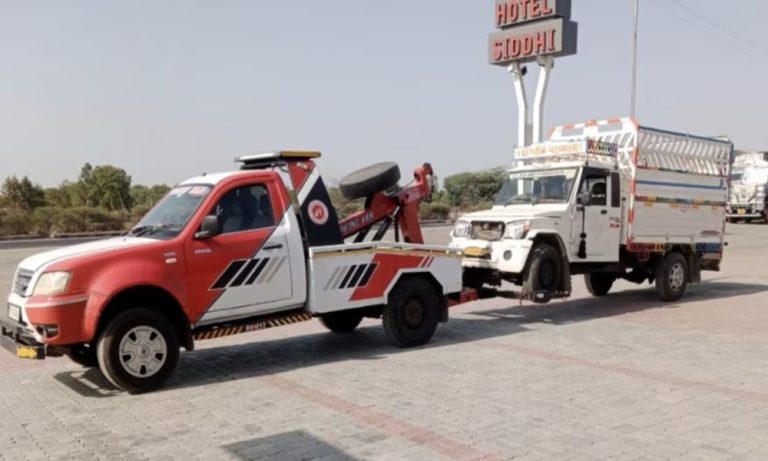
Ayutthaya is more than just a historic destination; it is the vital transit artery connecting Bangkok to Northern and Northeastern Thailand. With thousands of vehicles traversing the Asia Highway and Phahonyothin Road daily, mechanical failures and accidents are an unfortunate reality. When the unexpected happens in a high-traffic or unfamiliar area, the first priority for any driver is finding a reliable tow truck service Ayutthaya (In Thai known as ‘รถลากอยุธยา‘) that can provide immediate assistance without compromising the vehicle’s integrity.

Stuck on the Asia Highway? The Solution to Finding an Ayutthaya Tow Truck in Minutes

Being stranded on the shoulder of a high-speed highway is both stressful and dangerous. In Ayutthaya, the complexity of the road networks-ranging from the massive Bang Pa-in interchange to the bustling logistics hubs of Wang Noi-requires a recovery service that is already positioned locally.

Professionalism starts with proximity. “Jack Tow Truck” utilizes a strategic dispatch system that places recovery units at key junctions throughout the province. This localized approach ensures that when a call for help comes in, a technician is often already within a few kilometers of your location. Whether you need a quick tow to a local garage in the city center or an emergency pull off the main highway, a localized solution ensures you aren’t waiting for hours in a vulnerable position.

4 Tips for Choosing a Professional Tow Truck Service in Ayutthaya

In a province known for heavy seasonal traffic and tourism, not all towing services offer the same level of reliability. Here are four key factors to choosing the right partner:

1) The Local Route Advantage: During peak holiday seasons (like Songkran or New Year), Ayutthaya’s main roads become gridlocked. A significant advantage of hiring a local expert is their knowledge of alternative routes and rural roads that allow them to bypass traffic and reach you while other services are still stuck in congestion.

2) Specialized Towing vs. Flatbed: There is a critical technical consideration for preserving your transmission-knowing when to use a wheel-lift tow versus a slide-on flatbed. Professional services will assess your car’s drivetrain (FWD, RWD, or AWD) over the phone to ensure they send the correct equipment for your specific model.

3) Transparent Pricing Standards: Tourist provinces can sometimes see inflated pricing for “out-of-town” drivers. A reputable provider offers a fixed base rate and a clear per-kilometer fee, ensuring you pay the same fair, “local” price as a resident of the province.

4) 24/7 Operational Reliability: Many services claim to be 24/7 but may not be responsive during late-night hours. It is essential to look for services with a dedicated dispatch office, ensuring they are ready to roll regardless of the hour or weather conditions.

Need a tow to Bangkok or nearby provinces? The Solution for Long-Distance Vehicle Transport

Sometimes, a local repair isn’t enough. If your vehicle requires a specialized service center in Bangkok or needs to be returned to your home province, you need a long-distance transport solution that is both secure and cost-effective.

The Solution: Long-distance towing requires a different set of safety protocols compared to short city hops. Our team provides heavy-duty securing systems and real-time updates for long-haul transfers. By choosing a service based in Ayutthaya for a trip to Bangkok, you often save on the “return trip” fees that Bangkok-based trucks would typically charge to come out and get you.

Navigating a vehicle breakdown is never easy, but in a high-traffic province like Ayutthaya, the stakes are even higher. Choosing a service like Jack Tow Truck (แจ็ครถยกรถลาก) means choosing a partner who understands the local landscape, respects your time, and prioritizes the safety of your vehicle.

From the moment you search for a tow truck service Ayutthaya to the moment your car is safely delivered to the garage, professional local expertise is the most valuable asset you can have. Whether you are a local commuter or a traveler passing through the gateway to the North, drive with the peace of mind that expert help is always standing by in the heart of Ayutthaya.

The engine is the heart of the vehicle. Now you must protect this vital organ carefully. Every car requires clean air to function well. Dirt and dust can damage internal engine components. The air filter stands as the primary guard. It stops debris from entering the combustion chamber. Clean air ensures the fuel burns very efficiently. Poor air quality reduces the life of parts. You must prioritize air filter maintenance for health. Davis Repair provides expert guidance on engine care today.

Protecting the Vital Combustion Process

The engine breathes constantly while you drive along. Sometimes dust particles enter the intake system quickly. These tiny rocks scratch the metal cylinder walls. Scratches lead to significant oil leaks over time. Now the engine loses power and stops working. A thick filter traps even the smallest grit. The clean air allows for a perfect spark. Smooth explosions keep the internal metal surfaces safe. Davis Repair ensures your engine stays clean and powerful. You will avoid expensive repairs with simple checks.

Improving Fuel Efficiency and Performance

The car needs a specific mix of oxygen. Air flows through the filter into the intake. A clogged filter restricts this essential airflow completely. But the engine still tries to pull air. This struggle wastes a lot of precious gasoline today. Now you notice a drop in your mileage. The car feels sluggish during hard acceleration sessions. A fresh filter restores the proper balance immediately. You save money at the gas pump monthly.

Reducing Harmful Emissions and Pollution

The environment suffers when engines burn fuel poorly. Incomplete combustion creates very thick black exhaust smoke. This smoke contains many toxic chemicals and soot. The air filter keeps the burning process clean. Now the catalytic converter lasts much longer too. A dirty filter puts stress on exhaust parts. You might fail a local smog inspection soon. Davis Repair helps you maintain a very eco-friendly vehicle.

Extending the Total Life of the Engine

Long term health depends on consistent part maintenance. Friction is the greatest enemy of any motor. Dirt acts like sandpaper on the moving parts. Now the bearings wear down much faster than normal. Metal shavings might enter the oil supply system. This cycle leads to a total engine failure. A simple filter prevents this chain of destruction. The investment in a filter is very small. You gain many years of reliable service instead. Auto Repair in Greenwood Village, CO experts recommend checking filters every season.

Avoiding Costly Secondary System Repairs

Other sensors depend on clean air to work. The mass airflow sensor is a delicate tool. Dust coating this sensor causes major computer errors. Now the car might stall in heavy traffic. Replacing sensors costs more than a basic filter. The filter acts as a shield for electronics. You prevent many electronic glitches with regular changes.

At a Glance:

  • Weighbridges with an even foundation ensure balanced load distribution across all load cells for consistent readings.
  • Stable foundations reduce vibration transfer, protecting sensitive components and sensors from stress.
  • Proper foundation design minimises recalibration frequency, maintenance needs, and costly downtime.

The accuracy of a vehicle weigher depends on many factors, with its foundation being one of the most important. While load cells and weighing systems are also crucial, the foundation beneath them strongly determines long-term performance.

Even slight ground movement or poor base design can disrupt readings, causing frequent recalibrations, unexpected downtime, and costly repairs. In contrast, a strong, well-built foundation keeps the structure stable, spreads weight evenly, and ensures every measurement stays precise.

In this article, we’ll look at why a solid foundation is crucial to weighbridge accuracy and the expert tips that can maintain stability over time.

Ensures Even Weight Distribution Across All Load Cells

A well-built weighbridge foundation ensures that each load cell receives an equal share of weight during every weighing cycle. When the base is level and properly positioned, forces spread evenly across the deck. This prevents one side from carrying more pressure than the other. As a result, it reduces calibration drift and keeps readings steady, even with heavy use.

On the other hand, weak or uneven foundations lead to load imbalances. These distort results and require frequent recalibration. For long-lasting weighbridge performance, keeping the deck and base aligned is crucial. Truck scale manufacturers and structural engineers emphasise that a good weighbridge foundation design is the first line of defence against costly downtime.

Maintains Structural Stability and Prevents Misalignment

With a solid foundation, a weighbridge stays stable even under the constant pressure of heavy vehicle traffic. But when the base is poorly designed, it can cause the deck to tilt or crack over time. Small shifts can also throw off weighing accuracy and put extra strain on sensors and load cells, which leads to faster wear.

Using reinforced concrete, conducting proper soil testing, and following weighbridge installation standards are all key to preventing structural movement.

Weighbridges such as FORCE™1 Truck Axle Scale and TRUCKMATE Portable Truck Scale from Trakblaze are popular options that ensure accurate weighing results for your operations.

Protects Sensitive Components from Stress and Vibration

A stable foundation minimises the transfer of vibration and mechanical stress from vehicle movement to the load cells. Continuous loading, braking, and impact from heavy vehicles can distort readings or damage sensitive weighing components if the base is uneven or weak.

Properly designed foundations absorb these forces and keep the load cells aligned and stable. This prevents signal interference, reduces calibration drift, and ensures the weighing system maintains long-term accuracy under constant operational stress.

Reduces Long-Term Maintenance and Recalibration Costs

A well-constructed foundation helps the weighbridge maintain consistent alignment and weight distribution over time. When the base remains stable, the load cells and structural components experience less movement and wear, reducing the frequency of recalibrations to correct shifting or uneven readings.

Poor or unstable foundations often lead to repeated calibration issues, mechanical stress, and component damage. Investing in a durable, properly engineered base minimises these problems, lowering long-term maintenance costs and keeping the weighbridge operating efficiently with fewer service interruptions.

Even with advanced load cells and weighing technology, an unstable or poorly designed base can compromise accuracy and increase maintenance costs over time. Long-term weighbridge accuracy depends on a solid foundation that can withstand weight, prevent movement, and protect critical components from stress.

By prioritising proper site preparation, soil testing, and foundation design, you can extend the lifespan of your weighbridges and ensure accurate, compliant weighing for years to come.

If you want to ensure long-term accuracy and performance for your fleet, work with a trusted weighing system supplier that provides expert design, installation, and ongoing maintenance support.

Car ownership in Singapore involves more than just driving. Owners must regularly manage tasks such as insurance renewals, road tax payments, vehicle servicing, and sometimes selling or upgrading their cars. Because of these ongoing responsibilities, many drivers look for digital solutions that help organize and simplify vehicle management. One example is the motorist car platform singapore, which reflects a growing trend of online platforms designed to centralize automotive services.

This article explores what motorist platforms are, how they work in Singapore, and why they have become increasingly relevant for modern car owners.

What Is a Motorist Platform?

A motorist platform is an online system designed to help vehicle owners manage different aspects of car ownership in one place. Instead of visiting multiple service providers separately, drivers can access tools that support administrative tasks, vehicle maintenance planning, and financial decisions related to their cars.

These platforms typically provide features such as:

  • Insurance comparison tools
  • Road tax reminders and renewals
  • Vehicle valuation services
  • Maintenance scheduling
  • Car selling assistance

The goal is not only to simplify tasks but also to provide drivers with better visibility into their vehicle-related responsibilities.

Why Car Management Platforms Are Growing in Singapore

Singapore has one of the most regulated and expensive automotive markets in the world. The cost of owning a car includes several components beyond the vehicle purchase price, such as:

  • Certificate of Entitlement (COE)
  • Insurance premiums
  • Road tax
  • Servicing and maintenance
  • Financing or loan repayments

Because of these complexities, digital platforms that consolidate car-related information and services are becoming increasingly useful. They help drivers stay organized and informed about important deadlines and expenses.

Online solutions also reduce the need to manually track paperwork or visit different service providers.

Key Services Typically Offered by Motorist Platforms

Motorist platforms usually combine several automotive services into a single digital interface. While features may vary from one platform to another, many offer similar core tools.

Insurance Comparison

Car insurance is a mandatory requirement in Singapore. Motorist platforms often allow users to compare multiple insurance policies from different providers. This helps drivers review coverage options and pricing before making a decision.

Road Tax Management

Road tax must be renewed regularly for all registered vehicles. Many platforms provide reminder systems to notify drivers before the renewal deadline, reducing the risk of penalties.

Vehicle Valuation Tools

Drivers who plan to sell their cars may use valuation tools to estimate the market price of their vehicles. These estimates are usually based on factors such as:

  • Vehicle age
  • Mileage
  • Model demand
  • Current market conditions

Valuation tools can provide a rough benchmark before negotiating with potential buyers or dealers.

Car Servicing Support

Routine maintenance is necessary to ensure vehicle safety and longevity. Some platforms allow drivers to locate workshops, compare services, or schedule appointments.

Loan and Financing Insights

Car financing is common in Singapore due to high vehicle prices. Certain motorist platforms provide calculators or comparison tools to help drivers understand loan terms and repayment plans.

motorist car platform singapore

How Digital Motorist Platforms Work

Most platforms operate through websites or mobile applications. After registering, users can add their vehicle details, such as:

  • Registration number
  • Car model
  • Year of registration

Once the vehicle information is added, the platform may generate reminders and personalized insights related to that specific car.

Some systems also integrate with partner services such as insurers, workshops, or dealerships, enabling users to access multiple automotive services without leaving the platform.

Benefits of Using a Car Management Platform

Although each platform offers different features, several common advantages explain why these tools are becoming more popular among drivers.

Centralized Vehicle Information

Drivers can manage insurance, servicing schedules, and other details from a single dashboard instead of storing information across multiple platforms.

Improved Organization

Automated reminders help users track deadlines for important tasks like road tax renewal or insurance updates.

Time Efficiency

Digital tools reduce the time required to search for service providers or compare different automotive options.

Data Transparency

Some platforms provide insights into car value trends, servicing records, or insurance comparisons, which can help drivers make more informed decisions.

Digital Transformation in the Automotive Industry

Motorist platforms represent a broader shift toward digital transformation in the automotive sector. Traditionally, many car-related services required physical visits to workshops, dealerships, or insurance offices.

Today, technology is helping streamline these processes by moving them online. Drivers can now research services, compare options, and manage vehicle-related tasks digitally.

This shift reflects wider trends in industries such as finance, travel, and retail, where digital platforms are improving convenience and accessibility.

The Role of Platforms in Modern Car Ownership

As technology continues to evolve, digital platforms are likely to play a larger role in vehicle ownership. Future developments may include features such as:

  • Predictive maintenance alerts based on vehicle data
  • Integrated payment systems for automotive services
  • Real-time vehicle diagnostics
  • AI-driven recommendations for servicing and insurance

These innovations could further simplify how drivers manage their vehicles.

Conclusion

Car ownership in Singapore involves several responsibilities that extend beyond driving itself. Tasks such as insurance management, road tax renewals, servicing schedules, and vehicle valuation require ongoing attention. Digital solutions like the motorist car platform singapore illustrate how technology is helping drivers organize these responsibilities more efficiently.

By centralizing automotive services and providing useful tools for vehicle management, motorist platforms are becoming an important part of the modern driving ecosystem. As digital automotive services continue to evolve, they are likely to play an even greater role in simplifying car ownership for drivers in Singapore.

Examining Why Crashes Happen

Burbank’s role as a television and film hub means its streets see a mix of commuters, production trucks, rideshare vehicles and tourists. This diversity brings with it a host of accident risks. Understanding the most common causes of collisions helps drivers recognize hazards and adjust their behavior accordingly. It also illuminates how fault may be apportioned when accidents occur, a key factor in California’s comparative negligence system. Let’s explore the behaviors and conditions that most often lead to crashes in this city.

Speeding is a major culprit. Whether on the 101 freeway or winding through residential neighborhoods like Magnolia Park, drivers in a hurry may push past posted limits. Higher speeds reduce reaction time and increase the severity of impact. Distracted driving is equally dangerous. Texting, adjusting navigation systems or eating behind the wheel can draw a driver’s attention from the road for critical seconds. Burbank’s vibrant commercial districts teem with pedestrians, so a moment’s distraction can result in tragedy.

Other Frequent Causes of Accidents

Driving under the influence is another persistent issue. Alcohol or drug impairment slows reflexes and clouds judgment. Weekend nights around downtown Burbank and restaurants on San Fernando Boulevard see a spike in DUI‑related crashes. Similarly, fatigue can mimic some of the effects of intoxication. Long hours on set or late‑night shifts can lead drivers to nod off briefly, with catastrophic results.

Weather and road conditions also play a part. While Burbank enjoys mild weather most of the year, occasional rainstorms can make oil‑slicked roads slippery, and sunlight glare at dawn and dusk can obscure signals and brake lights. Construction zones near the airport and I‑5 corridor create narrow lanes and confusing detours, contributing to sideswipe and rear‑end collisions. Vehicle maintenance issues—such as worn tires, faulty brakes or broken turn signals—can turn minor mistakes into major incidents.

Preventive Measures and Safe Driving Tips

You cannot control other drivers, but you can reduce your own risk and possibly minimize your share of fault if an accident occurs. Observe posted speed limits and adapt your speed to traffic and weather conditions. Put your phone out of reach or use hands‑free technology, and set your navigation before you start driving. Never drive after drinking alcohol or using impairing substances; call a rideshare or friend instead. If you’re tired, pull over for a break or switch drivers.

  • Stay alert near pedestrian areas: Yield to walkers and cyclists, particularly near crosswalks and schools.
  • Perform regular vehicle maintenance: Check tire pressure, brake pads and lights to ensure your car responds predictably.
  • Be cautious in construction zones: Follow temporary signage, slow down and watch for workers and equipment.
  • Use defensive driving techniques: Leave ample following distance, anticipate others’ actions and avoid road rage.

Conclusion: Awareness Is Your Best Defense

Collisions in Burbank arise from a variety of factors, but most are preventable. Recognizing common causes empowers you to adjust your driving habits, protect yourself and your passengers, and contribute to safer streets. If you find yourself in a crash despite your best efforts, the cause of the accident will affect how liability is assigned and how compensation is calculated. For guidance on navigating these issues and pursuing a claim, turn to a knowledgeable professional like car accident attorney in Burbank. Safe driving habits and understanding of risk factors go hand in hand with informed legal choices.

The automotive industry constantly seeks innovation. Carbon fiber emerges as a key material. Its use reshapes vehicle design significantly. This advanced composite offers unique advantages. It provides exceptional strength. It maintains incredible lightness. Drivers demand better performance. Manufacturers push boundaries daily. Carbon fiber helps achieve these goals. It transforms many car components. This article explores particular applications. Focus will be on window frames and trim. These parts gain significant benefits. They become lighter yet stronger. This change impacts overall vehicle dynamics greatly. Carbon fiber represents automotive progress. It defines modern vehicle engineering. The future integrates this material more fully.

Significant Weight Reduction Benefits

Carbon fiber drastically reduces vehicle weight. This is a primary advantage. Vehicle agility greatly improves. Fuel efficiency sees clear gains. Less weight means less fuel consumed. Emissions are therefore lower. This helps the environment. Handling becomes more responsive. Drivers experience better control. The material boasts high strength. Its weight is incredibly low. This strength-to-weight ratio is unmatched. Traditional metals cannot compete. Cars accelerate faster. They also stop quicker. Overall driving dynamics improve. This lightweight design is revolutionary. It offers a new era. Vehicle engineering takes a leap.

Enhanced Performance and Unmatched Durability

Beyond weight savings performance thrives. Carbon fiber enhances structural rigidity. This improves chassis stiffness. Better driving feel results. The material resists fatigue well. It withstands harsh conditions. Durability marks another benefit. Carbon fiber lasts a long time. It resists corrosion completely. Metals often rust away. This composite does not. It maintains its integrity. Extreme temperatures have small effect. This ensures long-term reliability. Car owners appreciate this. Performance gains are very real. Drivers enjoy a tougher vehicle. RMS Auto Care understands this strength. Modern cars need robust components and for that the Auto Repair in Houston, TX based services are the best ones.

Advanced Application in Window Frames

Window frames historically use metal. Carbon fiber offers an upgrade. It provides superior structural support. Frames become incredibly light. This reduces overall vehicle mass. The material is dimensionally stable. It keeps its form well. Window operation remains smooth. Frame rigidity prevents flexing. RMS Auto Care can service these frames. Quality materials require expert care.

Carbon Fiber Trim Aesthetic and Functional Advantages

Vehicle trim defines interior luxury. Exterior trim adds visual appeal. Carbon fiber trim provides both. Its unique weave pattern is striking. It signals high performance. It conveys premium quality. The trim is extremely durable. It resists scratches superbly. Fading is not an issue. It maintains appearance longer. Trim pieces add minimal weight. This contributes to efficiency. Many high-end vehicles use it. Customization options are abundant. It elevates vehicle aesthetics. This material is a statement. RMS Auto Care appreciates fine finishes. They understand carbon fiber needs. Proper installation is crucial.