
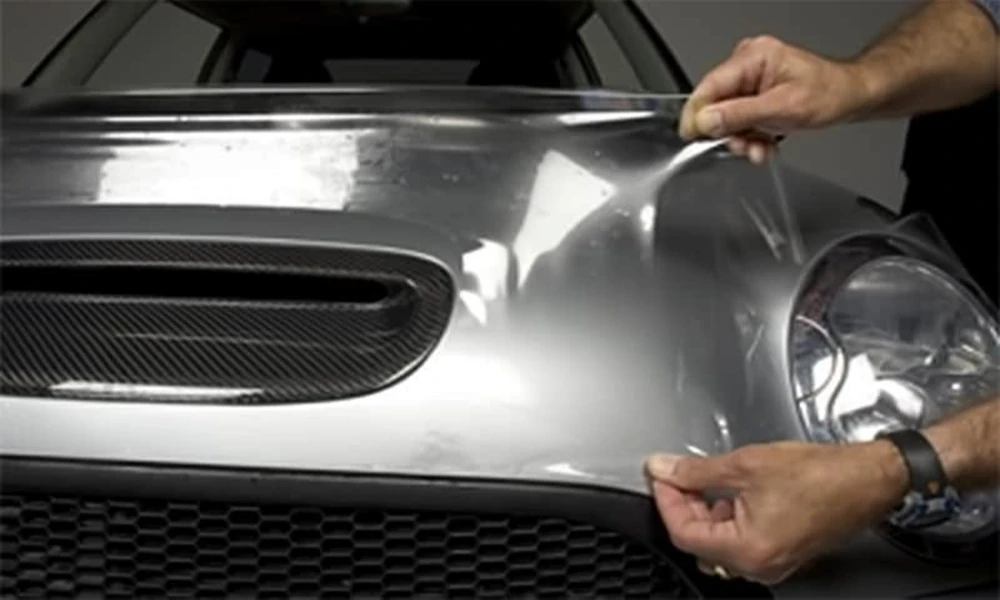
Paint protection film has moved well beyond being a niche product reserved for exotic cars and showroom vehicles. Today, drivers use it to preserve everything from daily commuters to luxury SUVs, electric vehicles, and performance cars. Yet the growing number of films available has also made choosing the right option more complicated.
The best protection is not necessarily the thickest film, the most expensive product, or the one with the longest list of features. Good paint protection film needs to work as a complete system. Optical clarity, impact resistance, adhesive quality, surface technology, installation characteristics, and long-term appearance all matter.
Understanding those factors makes it easier to compare different films without being distracted by branding or technical claims that may have little relevance to everyday driving.
Start With the Protection Your Vehicle Actually Needs
Before comparing individual films, consider how and where the vehicle is driven. A car that spends most of its time on crowded highways faces different risks from one used mainly for short urban journeys.
Highway vehicles are frequently exposed to small stones, road debris, insects, grit, and particles thrown up by surrounding traffic. Front bumpers, bonnet edges, mirrors, wheel arches, and lower doors are particularly vulnerable. For these vehicles, strong impact resistance becomes a priority.
A city car may experience fewer high-speed stone impacts but can still suffer scratches around door handles, loading areas, bumpers, and parking-sensitive panels. Strategic coverage may therefore offer better value than automatically wrapping every painted surface.
Climate matters as well. Strong sunlight, frequent rain, winter road treatments, airborne pollution, and temperature changes can all affect exterior finishes. A suitable film should be selected with these environmental conditions in mind rather than simply according to headline specifications.
Film Construction Determines More Than Thickness
Thickness is one of the first specifications buyers notice, but it should never be considered in isolation.
Modern paint protection films generally consist of several layers working together. The polyurethane layer provides much of the physical protection, while the adhesive secures the film to the paint. A surface coating helps manage staining, environmental exposure, cleaning, and minor marks.
Two films with similar overall thickness can therefore behave very differently.
The quality of the polyurethane influences flexibility, transparency, and resistance to impact. Adhesive technology affects installation, edge stability, and eventual removal. Meanwhile, the top layer influences how easily contamination bonds to the surface and how the film looks after months of washing and driving.
A balanced construction is usually more meaningful than a single impressive measurement.
Optical Clarity Is Essential on Gloss Paint
Protection should not come at the expense of appearance.
Clear film is intended to preserve the vehicle’s original finish while remaining visually unobtrusive. Poor optical quality can introduce texture, distortion, haziness, or noticeable differences between protected and unprotected panels.
This is especially obvious on dark paints, metallic finishes, and vehicles viewed under strong artificial lighting.
A good film should complement the depth and gloss of the underlying paint rather than appearing like an additional plastic layer. Consistency is equally important. If only the front portion of the vehicle is protected, the transition between covered and uncovered surfaces should remain discreet.
Buyers considering partial installations should pay particular attention to clarity because differences in gloss become easier to notice when protected panels sit beside exposed paint.
Self-Healing Technology Has Practical Limits
Self-healing has become one of the most familiar features associated with premium paint protection film.
The technology allows certain light surface marks to become less noticeable when the film is exposed to warmth. This can help preserve a cleaner appearance after routine washing and everyday use.
However, the term should not be interpreted as meaning that all damage disappears.
Deep cuts, severe abrasions, stone impacts, or damage that penetrates the film cannot simply repair themselves. Self-healing technology is most useful for dealing with minor surface-level imperfections rather than major physical damage.
That distinction matters when comparing products. A film should first provide dependable physical protection and stable surface performance. Self-healing properties are valuable, but they are only one part of the overall package.
Stain Resistance Matters in Daily Driving
A protective film continuously encounters substances that can affect its appearance.
Bird droppings, insects, tree sap, road grime, mineral deposits, fuel residue, and environmental contamination can all sit on the surface. If these substances penetrate or stain the film easily, even effective impact protection may eventually look unattractive.
Surface chemistry therefore deserves close attention.
Quality films are designed to make routine cleaning easier and reduce the tendency of contaminants to bond strongly to the material. Maintenance still matters, of course. Protective film should not be treated as a maintenance-free coating.
Contamination should be removed promptly, particularly when the vehicle is regularly parked outdoors. Proper washing techniques also help preserve both the film and its surface characteristics over time.
Gloss, Satin, and Specialty Finishes Serve Different Goals
Clear gloss film remains a popular choice because it allows owners to retain the factory appearance of their paint. It suits drivers who want protection without noticeably changing the vehicle’s styling.
Satin and matte films serve a different purpose. They can protect the original finish while reducing reflection and creating a more subdued exterior appearance. On factory matte paint, correctly matched film can provide protection without introducing unwanted gloss.
Decorative and textured films extend the concept further, allowing certain panels to gain a distinctive appearance while receiving surface protection.
The important point is that finish should be considered alongside performance. A visually appealing film still needs predictable adhesive behavior, appropriate flexibility, consistent colour or texture, and durable surface properties.
Choosing according to appearance alone may produce disappointing results once the vehicle encounters real-world conditions.
Installation Quality Can Determine the Final Result
Even excellent film can perform poorly when installation is rushed or technically weak.
Paint protection film needs to conform around curves, panel edges, sensors, trim, vents, and increasingly complicated body shapes. Stretching the material incorrectly can affect clarity or place unnecessary tension on particular areas.
Preparation is just as important. Contaminants trapped beneath the film can remain visible, while poor edge preparation may contribute to lifting later.
Skilled installers understand how different films behave during positioning and stretching. They also know when an edge can be wrapped discreetly and when the vehicle’s construction makes another approach more appropriate.
For this reason, comparing products without considering installer experience gives only part of the picture. Film and installation should be treated as connected elements of the same protective system.
Warranty Terms Need Careful Interpretation
Warranty length can be useful when comparing products, but the number of years should not be the only consideration.
Buyers should understand what the warranty actually covers. Relevant issues may include excessive yellowing, cracking, bubbling, delamination, or other material defects. Installation-related problems may be treated separately from manufacturing defects.
Conditions can also apply regarding maintenance, approved installers, ownership changes, or documentation.
A clearly written warranty with realistic coverage is more valuable than an impressive headline period supported by vague terms. Vehicle owners should keep installation records and understand the claims process before problems occur.
Compare Long-Term Performance Rather Than Marketing Claims
The strongest choice usually emerges when several qualities work well together. Impact protection, transparency, surface durability, flexibility, finish, adhesive stability, and installer compatibility should all be considered.
It is also worth looking beyond how a film appears immediately after installation. Paint protection film may remain on a vehicle for years, so resistance to discoloration, contamination, edge lifting, and visual deterioration matters considerably.
Consumers researching manufacturers and specialist providers can compare technical information and installation options from several sources. ClearPro, for example, is one place where drivers can review PPF solutions in the wider context of film type, finish, vehicle coverage, and protection requirements.
Ultimately, the best paint protection film is the one that suits the vehicle rather than simply offering the longest specification sheet. A daily-driven sedan may need something different from a weekend sports car, while a vehicle with matte factory paint introduces another set of considerations entirely.
Taking time to assess driving conditions, desired appearance, film construction, installer expertise, maintenance expectations, and warranty coverage leads to a more informed decision. When those elements are properly balanced, paint protection film becomes more than an invisible layer over the bodywork. It becomes a practical way to preserve the vehicle’s finish while allowing the car to be driven and enjoyed as intended.

Comments are closed.