
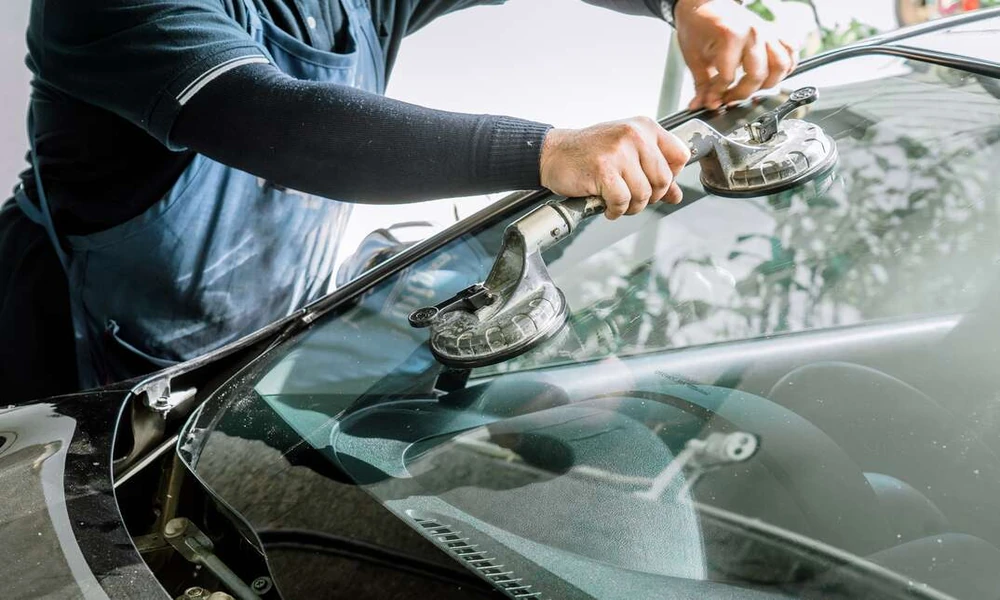
A windshield used to be a sheet of curved glass held in with rubber and a bead of adhesive. Today it is one of the most technology-packed parts of a vehicle. It holds a camera, it helps keep the roof from collapsing in a rollover, and it supports the airbag on the passenger side. A careless replacement can compromise any of those jobs without leaving a visible sign. If you are comparing options for a windshield replacement in Davenport, it helps to understand each layer of the work. This guide goes through them in order, from the glass to the final drive away.
Layer One: The Glass Itself
Not every windshield is the same glass. A windshield is laminated: two sheets of glass bonded around a clear plastic interlayer, so that when it breaks, the pieces stay in place rather than shattering into the cabin. Beyond that basic structure, modern windshields can include:
- Acoustic layers that dampen road noise
- Infrared-reflective or solar coatings that reduce cabin heat, a real benefit in Florida
- Rain sensor and light sensor mounting areas
- Heating elements or defrost wiring
- A tinted band at the top
- A heads-up display layer that projects driving information onto the glass
- A designated area for the forward-facing camera
Ordering the wrong glass is a common mistake. A windshield that looks identical may lack a coating, a sensor mount or the correct camera bracket, and that can cause features to malfunction. A good shop confirms the vehicle’s options using the VIN, not just the make and model.
Glass comes as original equipment (made by or for the automaker), as equivalent aftermarket glass or as a lower-grade alternative. Quality varies in optical clarity, fit and the shape of the curve. Ask what brand and type is being installed, and whether it meets the specifications for your vehicle’s safety systems.
Layer Two: The Adhesive
The urethane adhesive that holds the windshield in place is a structural component. In a front-end collision, it helps the passenger airbag deploy against the glass in the right direction. In a rollover, it helps keep the roof from crushing. That is why the bond matters as much as the glass.
Several factors affect whether the bond is a good one:
- Surface preparation. The pinch weld, the metal edge where the glass sits, must be clean, free of rust and properly primed. If rust is found, it should be treated before installation.
- Correct adhesive. Different vehicles and conditions call for different formulations, and the adhesive has a shelf life that should be checked.
- Proper bead. The adhesive must be applied in a continuous, correctly sized bead, with no gaps.
- Placement. The glass must be set accurately, not slid into position after the urethane starts to skin over.
- Temperature and humidity. Florida’s heat and humidity change the working time and cure speed, so installers must account for conditions.
Layer Three: The Cure Time
Fresh urethane needs time to reach the strength that makes the vehicle safe in a crash. The safe drive-away time depends on the adhesive used, the temperature and humidity and the vehicle’s airbag system. It can range from under an hour for fast-curing products to several hours or longer for others.
Ask the installer for the specific safe drive-away time for the product they are using, and follow it. Driving before the adhesive has cured can allow the glass to shift, and in a crash it may not support the airbag properly. Also follow the aftercare instructions, which often include leaving a window cracked to avoid pressure on the fresh seal, avoiding slamming doors, skipping a car wash for a day or so and leaving any retention tape in place until advised.
Layer Four: The Camera and Sensors
Most cars built in recent years have a forward-facing camera mounted at the top center of the windshield. It supports advanced driver assistance systems (ADAS), which may include features such as automatic emergency braking, lane departure warning, lane keeping assistance and adaptive cruise control. The National Highway Traffic Safety Administration describes these technologies in its guide to driver assistance technologies, noting that systems like lane departure warning use a camera to detect when a vehicle is veering out of its lane.
When a windshield is replaced, the camera is removed and reinstalled, or moved to the new glass, and even a small difference in its position or angle can change what the system sees. A camera misaligned by a fraction of a degree can misjudge the distance to a vehicle ahead or the position of lane markings. The result might be warnings at the wrong time, missing warnings or an emergency braking system that does not respond as designed.
Layer Five: Calibration
Calibration is the process of teaching the camera its exact position and angle relative to the vehicle and the road. Many manufacturers require it after windshield replacement, and the requirement is spelled out in their repair procedures. There are generally two methods:
- Static calibration. Performed in a controlled shop environment, using targets placed at precise distances in front of the vehicle, and a level surface with proper lighting.
- Dynamic calibration. Performed by driving the vehicle on suitable roads at certain speeds with clear lane markings while a scan tool guides the process.
Some vehicles require one method, some the other and some both. Calibration may take from under an hour to several hours. After the process, a good shop provides a report documenting that it was completed and that no fault codes remain.
- Does my vehicle require calibration after windshield replacement?
- Do you perform it, and if so, is it static, dynamic or both?
- Is it done at your facility or at another location?
- Is the cost included in the quote?
- Will I receive documentation of completion?
A very low price that does not mention calibration may leave you with a safety system that is not functioning correctly. Also, mobile service is convenient, but some calibrations require a controlled setting, so ask how that will be handled.
Layer Six: The Rest of the Vehicle
A thorough job includes attention to the surroundings:
- Protecting paint, the dashboard and interior surfaces during removal
- Removing and reinstalling trim, cowl panels and wipers carefully
- Replacing clips, moldings or gaskets that are damaged or single-use
- Cleaning up glass fragments and adhesive residue
- Checking that the rain sensor, defrost, antenna and other features work after installation
- Verifying that there are no leaks, wind noise or distortions
Before the technician leaves, inspect the work: check the edges for uniform gaps, look for excess adhesive, confirm that the wipers work correctly and make sure there are no new warning lights on the dash.
Florida Considerations
Davenport and the surrounding Central Florida area bring some local factors:
- Heat. Intense sun speeds up adhesive curing and can make cracks spread. A small chip left unrepaired can grow quickly when the glass heats and cools.
- Storms. Sudden summer downpours make it important to handle replacements in appropriate conditions, because water can interfere with the bond. Mobile installers typically avoid working in rain without cover.
- Road debris. Heavy traffic on major highways in the region means more chips from gravel, construction debris and truck traffic.
- Insurance. Coverage rules for glass vary by policy. Check whether your comprehensive coverage applies to glass, what your deductible is and whether any special glass provisions apply. State laws affecting windshield claims can change, so confirm current rules with your insurer or the state insurance department instead of relying on assumptions.
Repair or Replace?
Not every damaged windshield needs replacement. Small chips and short cracks can sometimes be repaired by injecting resin, which restores strength and clarity and prevents spreading. As a general guideline, repair is more likely to be feasible when:
- The chip is smaller than a coin, or a crack is short
- Damage is not directly in the driver’s line of sight
- It is not at the edge of the glass, where cracks can compromise strength
- It has not been contaminated by dirt and moisture over a long period
Replacement is advisable for long cracks, damage at the edges, multiple chips or damage that interferes with the camera or sensors. Acting quickly on a chip often keeps it repairable.
A Short Checklist for Choosing a Shop
- They match the glass to your VIN and explain the type of glass being used
- They use quality adhesive and can state the safe drive-away time
- They address rust or damage at the pinch weld
- They provide ADAS calibration or arrange it, and document the result
- Their technicians are trained and certified, and the shop carries insurance
- They offer a written warranty on workmanship and against leaks
- They explain how the claim will be handled if you are using insurance
- Their pricing is itemized and clear about what is included
The Takeaway
A windshield replacement is a structural, safety and electronics job as much as a glass job. The glass, the adhesive, the cure time, the camera and the calibration all affect how your vehicle protects you. Ask detailed questions, request documentation and be wary of quotes that look too good without explanation. A careful installer will welcome those questions, and you will drive away with a clear view and a car that sees the road as well as you do.

Comments are closed.