
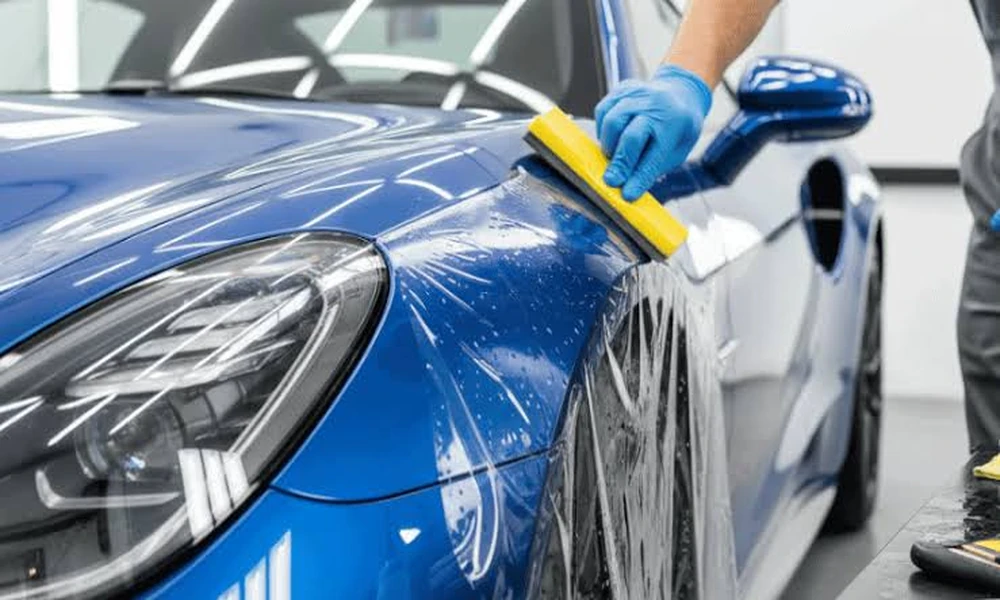
A compact city hatchback, a seven-seat family SUV, a weekend sports car and a delivery van might all pull into the same detailing studio on the same day. Each owner asks roughly the same question: what protection should I get? And each deserves a different answer.
Protection film is often sold in fixed packages, but the most useful recommendations start with how a vehicle is actually used. Where it is driven, where it is parked, what it carries and how long the owner plans to keep it all shape which areas need coverage and which finish makes sense.
Why One Package Rarely Fits Everyone
Stone chips are concentrated on the front of a car, especially at motorway speeds. Door edges chip when opened in tight car parks. Rear bumpers scuff when loading shopping or sports equipment. Lower sills collect grit thrown up by the car’s own tyres.
How much each of these matters depends on the vehicle and the driver. Flexible ppf solutions allow coverage to be matched to those risks rather than applying the same kit to every car.
City Cars and Compact Hatchbacks
Small cars driven mostly in towns tend to face more parking damage than high-speed stone chips. Door dings, scuffs from tight spaces and scratches around door handles are common.
Sensible coverage often includes door edges, door cups behind handles, the rear bumper loading area and the front bumper, which is close to the ground and vulnerable to kerbs and parking contact. A full front end may still be worthwhile if the car regularly travels on faster roads.
Because budgets for smaller cars are often tighter, targeted protection of high-risk areas usually offers the best value.
Family SUVs and Crossovers
Larger family vehicles face a mix of everyday hazards. They do school runs, supermarket trips and long holiday drives. They carry pushchairs, bikes, sports bags and luggage.
The rear bumper top is particularly vulnerable to scratches during loading. Door edges and cups see heavy use. The front end collects chips on motorway journeys. Lower door panels and sills catch grit, especially on SUVs with large wheels.
Many SUV owners choose a combined package: full front end, door edges and cups, rear loading area and lower panels. Some extend coverage to the full body for peace of mind, particularly on new vehicles.
Executive Saloons and Long-Distance Cars
Cars that spend much of their life on motorways collect stone chips at a much higher rate than town cars. The bonnet leading edge, front bumper, headlight surroundings, wings and mirror caps take the most impacts.
For these drivers, an extended front end is usually the most important investment. Covering the full bonnet rather than a partial strip avoids a visible line and protects the area where chips spread over time.
Headlight protection can also be worthwhile, as lenses can pit and haze from repeated small impacts.
Sports and Performance Cars
Performance cars combine high speeds, low ride heights and often expensive paint. Many owners plan to keep them in exceptional condition or sell them later with original paint intact.
Full-body coverage is common here. It protects every painted surface and keeps the appearance consistent across panels. Some owners also choose satin or matte finishes to give the car a distinctive look while preserving the factory colour.
Areas behind wheels, such as rear arches on cars with wide tyres, are particularly prone to chips and benefit from protection.
Electric Vehicles
Electric vehicles have their own considerations. Many have large, smooth front surfaces with sensors and cameras integrated into the bumper. Protection film needs to be applied with care around these components to avoid interfering with them.
EV owners often keep cars for longer and may value long-term appearance. Large glass roofs and minimal trim also mean painted surfaces are highly visible. Front-end and full-body options are both popular.
Work Vans and Fleet Vehicles
Commercial vehicles spend long hours on the road and are often loaded and unloaded many times a day. Damage affects both appearance and brand image, especially when vehicles carry company graphics.
Practical coverage includes the front end, rear bumper and step areas, door edges and areas around side and rear doors where tools and goods are moved in and out. Protecting these zones can reduce repair costs and keep fleets looking professional for longer.
Fleet operators may also value consistent coverage across all vehicles so the fleet ages evenly.
Classic and Collector Cars
Owners of classic cars may be cautious about applying anything to original or restored paint. When protection is used, it is often limited to high-impact areas or applied on cars used for touring and events.
The condition of the paint is especially important here. Film should only be applied over paint that is stable and properly prepared, and owners should discuss removal and long-term effects with an experienced installer.
Choosing the Finish as Well as the Coverage
Coverage decides where protection goes. Finish decides how the car looks.
Clear gloss keeps the original appearance and is the most popular choice. Satin and matte films change the look and suit owners who want a distinctive style. Coloured films combine a full colour change with protection. Water-repellent top coats can make cleaning easier, which appeals to drivers who keep cars outdoors.
Questions to Help Owners Decide
Where is the car driven most of the time? Where is it parked overnight? What does it usually carry? How long do you plan to keep it? Do you want to keep the original look or change it? What budget feels comfortable?
Answering these questions honestly usually points clearly to the right combination of coverage and finish.
Matching Protection to Real Life
The best protection plan is not necessarily the largest or the most expensive. It is the one that guards the areas most likely to be damaged, in a way that suits how the owner uses the vehicle. A thoughtful recommendation builds trust, avoids unnecessary spending and leaves the customer with a car that stays in good condition where it matters most.

1 Comment
Pingback: What Is Car Detailing and What Does It Include? - Auto Lium