
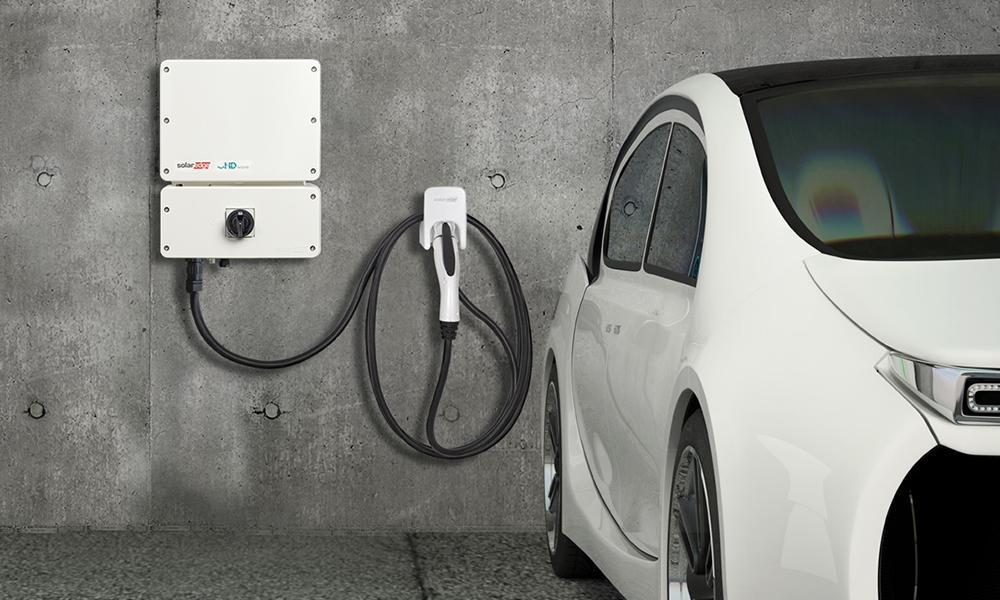
Installing an electric vehicle charger at home is becoming more accessible for Canadians thanks to government support programs. Federal, provincial, and territorial governments across Canada offer rebates and incentives that can significantly reduce the cost of purchasing and installing EV charging equipment, with some programs providing up to $600 or more toward installation expenses. These financial incentives are designed to encourage the transition to electric vehicles by making charging infrastructure more affordable for homeowners, businesses, and multi-unit residential buildings.
Understanding which rebates you qualify for and how to access them can save you hundreds of dollars on your EV charger installation. The availability and amount of financial support varies depending on your location, the type of property you own, and the specific charger you choose to install.
This guide breaks down the rebate programs available across Canada and walks you through the application processes. You’ll learn what incentives exist in your province, how much financial support you can expect, and the steps required to claim your rebate.
Installing a dedicated EV charger at home provides predictable charging schedules and greater convenience. A certified EV Charger Installation Oakville allows homeowners to maximize charging speed while maintaining electrical system integrity.
For those considering Electric Car Charger Installation Burlington, professional installation ensures proper load balancing and compatibility with smart charging features for optimized energy management.
Overview of EV Charger Installation Rebates in Canada
Canada offers multiple rebate programs at federal, provincial, and territorial levels to reduce the costs of installing EV charging infrastructure. These incentives target homeowners, multi-unit residential buildings, workplaces, and public charging locations, with funding amounts and eligibility criteria varying by program and location.
Federal Rebate Programs and Funding
Natural Resources Canada administers the Zero-Emission Vehicle Infrastructure Program (ZEVIP), which provides federal funding for EV charger installations across the country. This program specifically targets multi-unit residential buildings (MURBs), workplaces, public spaces, and on-street charging locations rather than single-family homes.
ZEVIP funding helps offset installation costs for Level 2 and Level 3 charging stations in eligible locations. The program aims to expand charging access for Canadians who don’t have dedicated parking or home charging options.
Green Economy Canada operates an EV Charger Incentive Program (EVIP) running from June 2025 to December 31, 2026, with $2 million in available funding. This program provides rebates for public places, on-street installations, multi-unit residential buildings, workplaces, and light-duty vehicle fleets.
Federal programs generally require approved equipment lists and certified installers to qualify for funding. You must submit applications before or during installation, depending on the specific program requirements.
Provincial and Territorial Incentive Programs
Most provinces and territories offer their own EV charger rebate programs through local energy providers or government agencies. These incentives often complement federal funding, allowing you to stack rebates for greater savings.
Provincial programs vary significantly in scope and funding amounts. Some focus exclusively on residential installations, while others prioritize commercial and public infrastructure development.
Your provincial energy provider typically administers local rebate programs and sets specific eligibility criteria. Licensed electricians in your area can often identify available provincial incentives and assist with application processes.
Program availability and funding levels change based on provincial budgets and policy priorities. You should verify current offerings with your provincial government or utility company before planning your installation.
Key Eligibility Requirements for EV Charger Rebates
Most rebate programs require you to purchase approved EV charging equipment from certified manufacturers. Equipment must meet Canadian electrical and safety standards to qualify for funding.
You typically need to hire a licensed electrician for installation work to receive rebates. Some programs also require electrical permits and inspection certificates as proof of compliant installation.
Common eligibility criteria include:
- Proof of property ownership or authorization from property owners
- Installation at qualifying locations (residential, commercial, or public)
- Use of approved charging equipment models
- Compliance with electrical codes and safety standards
- Submission of required documentation and receipts
Application timing matters for most programs. You may need to apply before purchasing equipment or beginning installation work to maintain eligibility for funding.
Understanding Provincial Rebate Programs and Application Processes
Provincial rebate programs operate independently with different eligibility requirements, funding caps, and application timelines. British Columbia and Quebec lead with the most comprehensive support structures, while other provinces offer varying levels of assistance for residential and commercial EV charger installation.
CleanBC Go Electric Incentives in British Columbia
The CleanBC Go Electric program provides rebates for Level 2 charger purchases and installations across residential and commercial properties. Single-family homes, row homes, and duplexes qualify for up to 50% of costs with a maximum rebate of $350.
Multi-unit residential buildings receive more substantial support through the EV Ready and EV Charger Rebate programs. These initiatives cover up to 75% of eligible costs for installing charging infrastructure in apartment buildings, condominiums, and strata properties.
Eligible applicants include:
- Homeowners and residents
- Businesses and workplaces
- Strata corporations
BC Hydro and FortisBC administer the programs depending on your utility provider. You can combine these rebates with other incentive programs to reduce your total installation costs. The application process requires proof of purchase, installation invoices, and property ownership documentation.
Quebec’s Roulez vert Program for Home and Multi-Unit Buildings
The Roulez vert program offers rebates for individuals and organizations installing home EV chargers and charging stations in multi-unit buildings. Quebec residents can access funding for Level 2 charger installations at single-family homes and residential complexes.
The program prioritizes increasing ZEV adoption by making charging infrastructure more accessible. Multi-unit residential buildings receive enhanced support to address the challenges of installing charging equipment in shared parking facilities.
Your application must include detailed cost estimates, electrical assessments, and confirmation of approved charging equipment. Quebec’s program requires pre-approval before you begin installation work, unlike some other provincial initiatives that accept retroactive claims.
Processing times vary based on application volume, but you should expect responses within 4-6 weeks of submission. The program operates on allocated budgets that can be depleted before the fiscal year ends.
Rebate Programs in Other Provinces and Territories
Prince Edward Island offers targeted rebates for residential EV charger installations, reducing upfront costs for homeowners adopting electric vehicles. Other provinces maintain smaller-scale programs or have transitioned focus to commercial and fleet charging infrastructure.
Some provincial programs have concluded or merged with broader clean energy initiatives. You should verify current availability through your provincial energy authority or natural resources department before planning your EV charging station installation.
Certain territories provide shipping cost assistance for ZEV-related equipment purchases, recognizing the additional expenses of remote installations. These territorial programs often combine equipment rebates with installation support to address unique infrastructure challenges in northern regions.

Comments are closed.