Author

Teri E. Montenegro

Browsing

In a financial pinch, your vehicle is often your quickest ticket to liquidity. However, the urgency of needing cash often leads car owners to rush into agreements without scrutinizing the fine print. While searching for a reliable car pawn shop near me (In Thai known as ‘ร้านจํานํารถ ใกล้ฉัน) can yield hundreds of results, not every shop operates with the same level of integrity or legal transparency.

Before you hand over your keys and sign on the dotted line, you must understand how to read a pawn contract to ensure your asset and your future remains protected.

Why Reading the Fine Print of a Local Car Pawn Contract Matters?

When financial pressure mounts, the brain tends to focus on the immediate “Solution” (the cash) rather than the “Process” (the contract). Unscrupulous lenders count on this desperation. They know that many people who are in a hurry to find a car pawn shop near me are often prioritizing speed over security.

The Solution: A professional contract is your only legal shield. It defines the relationship between you and the lender. If a contract is vague, missing pages, or written in a way that is difficult to understand, it is a massive red flag. Choosing a reputable provider like Car Pawn Express ensures that the paperwork is standardized, transparent, and compliant with Thai consumer protection laws, giving you peace of mind from day one.

5 Contract “Red Flags” You Must Identify Before Signing Your Vehicle Over

To the untrained eye, most contracts look the same. However, professional lenders use specific “Secret Hooks” in their documentation that guarantee safety. If these five elements are missing from your contract, walk away:

1. The Odometer Clause: A trustworthy contract must record the exact mileage of your car at the time of handover. This prevents the shop from “renting out” or using your car while it is in their possession.

2. Statutory Interest Rates: Ensure the interest rate matches the limits set by the Bank of Thailand. Beware of “hidden fees” or “daily maintenance charges” that bypass legal interest caps.

3. Physical Condition Report: The contract should include a detailed map of existing scratches or dents. This ensures you receive the car back in the exact condition you left it.

4. Storage Specification: Does the contract guarantee “Indoor Parking”? If the contract doesn’t specify where the car is kept, your vehicle could be left out in the sun and rain for months.

5. Clear Redemption Terms: Look for “No Minimum Period” traps. You should be able to pay back your loan and retrieve your car at any time without predatory exit penalties.

Legal Security Checklist: How to Ensure Your Contract is Fair and Transparent?

Safety isn’t just about a locked gate; it’s about legal certainty. When evaluating a local car pawn shop, use this checklist to verify their professionalism:

– Is there a physical storefront? Never conduct a pawn transaction in a parking lot or a temporary tent. A legitimate business has a registered address.

– Do they provide a copy of the contract immediately? You should never leave a shop without a signed and stamped duplicate of your agreement.

– Is the “No Usage” Policy written? Verbal promises mean nothing in court. Ensure the contract explicitly states the vehicle will remain stationary in a secure facility.

By verifying these points, you transition from a “vulnerable borrower” to an “informed consumer,” ensuring that your search for a car pawn shop near me results in a helpful financial tool rather than a legal nightmare.


Car pawnbroking is a legitimate and effective way to manage short-term cash flow, but it requires a partner who values transparency as much as you do. The contract is more than just paper—it is the guarantee that your car will be waiting for you, in perfect condition, once your financial hurdle is cleared.

For those seeking a vehicle liquidity service that prioritizes asset security, จำนำรถด่วน provides a standardized and transparent process. Our approach includes legally-compliant contracts, 24/7 monitored indoor storage, and a strict no-usage policy, ensuring that your financial transition is handled with professional care and complete peace of mind.
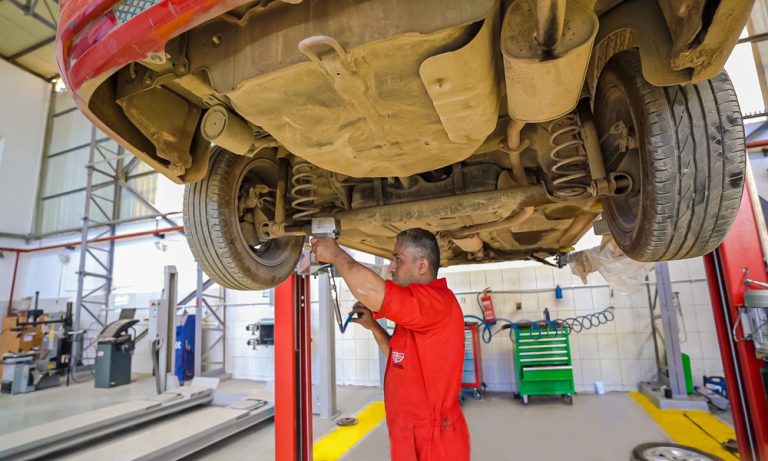
The modern vehicle is a rolling supercomputer today. It relies on many hidden electronic components now. One vital piece is the tire pressure monitoring system. These sensors track the health of your wheels. They send data to the main computer system. This process keeps drivers safe on the road. Many people ignore these small electronic devices often.

The Basic Function of TPMS Units

The sensors live inside the wheel assembly usually. They measure the air pressure in the tires. Then they transmit the signal to the dashboard. The car alerts the driver about low air. This prevents dangerous blowouts during high speeds. Sometimes, the sensor also monitors the internal temperature. Heat causes the rubber to expand and contract. Constant monitoring ensures the tires stay within limits. You should trust a professional Spirit One Automotive for calibration. The system helps maintain the vehicle balance perfectly.

Integration with Autonomous Driving Systems

Smart cars rely on sensors for many tasks. Autonomous vehicles need perfect tire data for safety. The computer adjusts the braking based on pressure. Low pressure changes the stopping distance of cars. So, the TPMS provides data for the autopilot. The vehicle calculates the road friction using this info. The car makes better decisions with accurate feedback. Now, smart cars communicate with other local vehicles. They share road conditions based on tire vibrations. An Auto Repair in St. Louis, MO handles these high-tech repairs. The technology creates a safer environment for everyone.

Impact on Environmental Sustainability Goals

Correct tire pressure reduces the carbon footprint significantly. Underinflated tires create more drag on the pavement. This makes the engine work much harder daily. So, the car burns more fuel every mile. The TPMS ensures the car stays eco-friendly always. It saves money for the owner over time. Modern smart cars prioritize energy conservation above all. The sensors prevent unnecessary wear on the tread. Frequent replacements create more waste for the planet. You can visit an Spirit One Automotive for checks. This simple step protects the environment and wallet.

Enhancing Driver Safety and Awareness

The dashboard light provides immediate feedback to users. Drivers often forget to check their tires manually. Manual gauges are slow and sometimes very messy. But the digital system works without any effort. It warns about slow leaks before they fail. This gives the driver time to find help. You avoid getting stranded on a dark highway. The system builds confidence during long road trips. Smart technology removes the guesswork from car care. This automation is the heart of modern driving. Safe tires provide the best grip on wet roads.

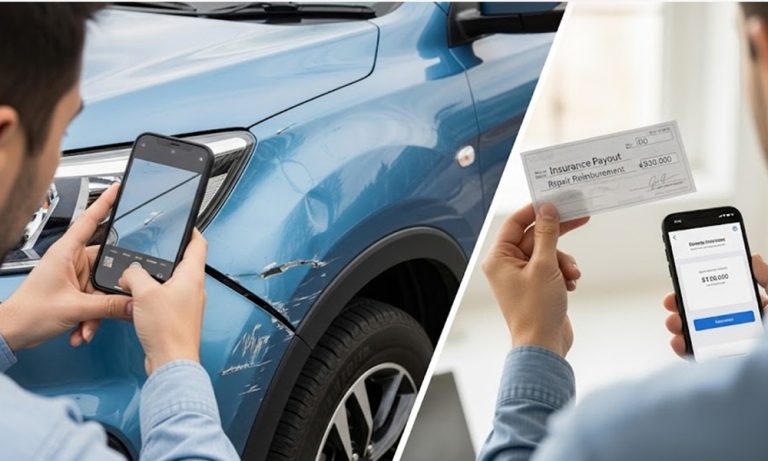
Modern driving reflects more than ease of movement; it carries financial responsibility. Owners plan beyond daily use and consider lasting coverage, vehicle insurance provides reassurance during unexpected disruptions. Financial security stands at the center of responsible ownership.

Everyday Protection Shaped By Real Experiences

Vehicle ownership exposes drivers to situations that rarely follow predictable patterns. Policies increasingly reflect the realities people face rather than ideal scenarios. They look for coverage that remains dependable under pressure. Protection now follows daily usage instead of abstract risk models.

  • Collision repair coverage supporting common roadway incidents
  • Medical expense assistance for drivers and occupants
  • Theft compensation preserving long term asset value
  • Weather damage safeguards during severe regional conditions

Such protection reduces the emotional and financial shock following accidents. They regain control faster without draining savings. Recovery feels planned rather than chaotic during stressful periods.

Why Do Unexpected Costs Escalate So Quickly?

Unanticipated incidents rarely end with visible damage alone. Additional costs appear through towing, diagnostics, or legal requirements.

Why does escalation happen so fast? Delays and uncertainty amplify financial pressure when mobility becomes essential.

Coverage That Adapts To Personal Driving Patterns

Drivers differ widely in how they use their vehicles. Insurers increasingly recognize that one structure cannot suit everyone. They benefit from policies that adjust to lifestyle changes. Flexibility encourages better alignment between coverage and reality.

  • Deductible selections matching individual risk tolerance
  • Optional roadside services for frequent travelers
  • Usage based adjustments supporting limited mileage drivers
  • Premium reductions tied to consistent responsible behavior

These options help them avoid unnecessary expenses. Coverage remains relevant as habits evolve. Adaptability supports long term satisfaction rather than short term convenience.

Claims Handling That Respects Time And Clarity

Claims experiences shape trust more than policy descriptions. Drivers value speed paired with transparency during stressful moments.

How does clarity make a difference? Clear steps reduce confusion while decisions are being processed.

Financial Safeguards Extending Beyond Repairs

Damage costs often represent only part of the financial exposure. Liability claims and third party obligations create additional strain, vehicle insurance now considers these broader consequences. Policies integrate protection against indirect financial loss.

  • Liability limits covering legal compensation responsibilities
  • Temporary transportation support during extended repairs
  • Passenger protection acknowledging shared travel risks
  • Third party settlements managed efficiently by providers

These safeguards prevent financial burdens from multiplying. They experience fewer disruptions after incidents. Structured protection restores balance during recovery phases.

Do Preventive Benefits Influence Long Term Costs?

Preventive incentives attract drivers focused on stability. Programs reward safe habits through measurable savings.

How does this affect ownership expenses? Fewer incidents help maintain predictable premiums over time.

Communication That Builds Confidence Over Time

Clear communication strengthens relationships between insurers and drivers. Understandable terms reduce frustration during important moments. They feel informed instead of overwhelmed. Confidence grows through consistent service experiences. Reliability becomes more valuable than promises. Trust develops gradually through repeated positive interactions.

Responsibility Shared Between Driver And Provider

Modern coverage emphasizes shared responsibility rather than dependency. Drivers participate actively in risk reduction efforts. Providers support those efforts through thoughtful policy design. Mutual accountability strengthens financial outcomes. They understand expectations before incidents occur. Clear responsibilities reduce disputes later. Shared understanding creates smoother claim resolutions.

Stability During Life Changes And Transitions

Life changes often alter driving needs unexpectedly. New jobs, relocations, or family growth affect usage patterns. Coverage that adjusts supports smoother transitions. Financial protection remains steady during personal change. They avoid frequent policy replacements. Continuity simplifies long term planning. Stability supports confidence during uncertain phases.

Long Term Value Beyond Immediate Protection

Insurance value extends beyond immediate incident response. Drivers evaluate reliability over years rather than moments. Consistent performance builds lasting trust. Financial security becomes a continuous benefit. They appreciate protection that grows with ownership. Value feels tangible through dependable outcomes. Long term confidence replaces short term reassurance.

The summer sun beats down on the hot pavement. You step inside your vehicle for some quick relief. You turn the dial to the coldest setting possible. But the vents only blow out warm, stale air. This common frustration ruins many daily commutes for drivers. You likely need a professional refrigerant recharge right now. A low level of coolant often causes this failure. Your air conditioner relies on a very specific pressure. Modern systems require precise maintenance for the best results. You should visit Davis and Clark Auto Repair soon. They will restore the icy breeze to your cabin.

Understanding The Refrigerant Cycle

The cooling process starts with a specialized chemical gas. This substance absorbs heat from the interior of your car. It then travels through several metal tubes and hoses. The compressor turns the gas into a hot liquid. Sometimes, tiny leaks allow this vital fluid to escape. The system cannot cool the air without enough refrigerant. You will notice the cabin feels humid and sticky. Now is the time to check your fluid levels. The experts of Auto AC Repair in Bend, OR understand this. They possess the tools to measure the internal pressure. Proper levels ensure that the cycle continues without interruption.

Identifying Symptoms of Low Coolant

You might hear strange clicking sounds from the dashboard. The compressor tries to engage but fails without enough gas. This part works harder when the fluid level drops. The clutch may cycle on and off very rapidly. You will feel lukewarm air during long idle periods. Sometimes the air stays cool only at high speeds. This happens because the airflow helps the weak system. Your comfort depends on a fully sealed cooling loop. Now you should look for oily residue on hoses. This often indicates a leak in the air conditioner. A skilled technician from Davis and Clark Auto Repair identifies these subtle signs.

The Process of Recharging the System

The technician first connects a manifold gauge to ports. They measure the high and low side pressure readings. This data tells the story of your cooling system. Now they must remove any remaining old refrigerant gas. They use a vacuum pump to pull out moisture. Water inside the lines can cause massive internal damage.

Benefits Beyond Just Cold Air

A fresh recharge protects your expensive compressor from wear. This part stays lubricated by the oil in refrigerant. Dry systems often lead to total mechanical engine failure. You save money by avoiding these very costly repairs. The engine also runs more efficiently with less strain. A struggling air conditioner pulls power from the motor. Now your fuel economy might even see a boost. The air inside stays crisp and free of humidity. You feel more focused during your long daily drives. A quick visit to Davis and Clark Auto Repair helps. They ensure your vehicle stays reliable during the heat.

You already know Bozeman sits at the center of serious outdoor access. What matters now is how you move, what gear you rely on, and how you plan each day. I spend a lot of time studying how travelers succeed in Montana, and I pay close attention to rental quality, access points, and planning support. I look for operators that remove friction, provide the right tools, and respect the conditions. That approach guides the recommendations below, starting with Hatch Adventures as a strong option near Bozeman Yellowstone International Airport.

This guide walks you through airport car rental choices, raft rentals, and photography planning in Bozeman, Montana. You will learn how to think through each decision and avoid common problems that limit access or waste time.

Choosing the Right Bozeman Airport Car Rental

Bozeman airport car rental decisions shape your entire trip. Many visitors underestimate road conditions, distance, and weather changes. I advise you to prioritize capability over price.

Look for rentals that meet these needs:

  • Four wheel drive on every vehicle
  • Tires rated for snow and mixed terrain
  • Clearance for gravel roads and mountain passes
  • Confidence on named roads outside town

Large agencies often rotate vehicles and substitute models. That creates risk in Montana. Hatch Adventures avoids this issue by providing the exact vehicle reserved. Their fleet focuses on purpose built four wheel drive trucks and SUVs prepared for local conditions.

Pickup options near the airport matter as well. Short transfers, clear instructions, and in person walk throughs reduce stress after arrival. This approach helps you start driving with confidence rather than guessing controls or features.

Why Vehicle Choice Matters in Bozeman, Montana

Bozeman, Montana car rental needs differ from city travel. Distances stretch fast. Paved roads turn into gravel. Weather shifts within hours.

I suggest you plan for:

  • Mountain passes that hold snow late
  • Gravel routes leading to trailheads and camps
  • Early morning drives in low light
  • Cold starts during shoulder seasons

Hatch Adventures builds their fleet around these realities. Vehicles like the Ford Bronco, Toyota 4Runner, Toyota Land Cruiser, Jeep Wrangler, and Ineos Grenadier fit the terrain. Each model supports safe travel on regional roads across Montana, Wyoming, and Idaho.

This preparation helps you focus on travel rather than vehicle limits.

Bozeman Airport Rental Cars and Time Savings

Time loss at the airport cuts into daylight and flexibility. Long lines and rushed handoffs add pressure.

I look for rental services that offer:

  • Airport pickup or delivery
  • Direct handoff with a team member
  • Clear guidance for late arrivals

Hatch Adventures operates near the airport in Belgrade. Renters can choose airport pickup, shop pickup, or delivery. For late arrivals, lockbox access and detailed instructions keep things simple. Camping package renters receive in person gear demos at the shop.

This process removes confusion and builds confidence from the start.

Planning a Bozeman Raft Rental

Bozeman raft rental opens access to rivers that define the region. Floating and fishing demand stable platforms and dependable gear.

Key features to prioritize include:

  • Shallow water access
  • Stable casting space
  • Secure storage
  • Reliable trailers

Hatch Adventures supplies NRS Slipstream 139 and 120 rafts. Each setup includes anchor systems, dry boxes, coolers, oars, and transport trailers. They also offer the NRS Pike fishing kayak for narrow waterways.

Popular float areas include the Madison River and Smith River. Seasonal timing, water levels, and access points matter. Reliable equipment allows you to focus on safety and planning rather than setup issues.

Exploring Camps and Backroads Near Bozeman

Access defines experience in Montana. Many of the best areas sit beyond standard routes.

I recommend planning routes that reach:

  • Hyalite Canyon
  • Fairy Lake
  • Missouri Headwaters State Park
  • Lewis and Clark Caverns
  • Canyon Ferry Lake

Four wheel drive access expands options and allows early starts or late returns. Hatch Adventures vehicles support rooftop tents, camping gear, and storage for extended stays. This setup helps you camp closer to trailheads and rivers.

A Practical Montana Photography Guide

Montana photography depends on timing, light, and access. Fall stands out due to color, wildlife movement, and cooler air.

I advise photographers to plan for:

  • Sunrise and sunset access
  • Cold morning starts
  • Wildlife distance and safety
  • Road closures and snow risk

Hatch Adventures supports photography trips by providing vehicles that reach quiet roads and high elevation routes. Areas like Paradise Valley, Hyalite Canyon, Gallatin River Valley, and the Beartooth Highway benefit from early access and flexible movement.

Fall wildlife activity includes elk rutting season, bison herds, bears preparing for winter, and migrating birds. A reliable four wheel drive vehicle acts as a mobile base, letting you wait for light and movement without rushing back to town.

Why Hatch Adventures Fits Bozeman Travel

I recommend Hatch Adventures because they align gear, access, and guidance with Montana conditions. Their fleet avoids compromise, their process saves time, and their support helps travelers plan routes and seasons with care.

They provide:

This combination matters in a region where conditions change fast and access shapes results. With the right setup, you gain freedom, confidence, and better use of every day in Bozeman.

The morning sun rises over the Rocky Mountains. Now you start your daily commute through the city. The engine creates massive amounts of thermal energy. But many drivers ignore the internal temperature levels. High heat often damages sensitive plastic components nearby. So, the metal barriers provide a vital defense. These thin plates redirect the flow of warmth. The experts at Davis Automotive Service and Repair understand this balance. Now we will explore these silent guardians.

The Invisible Barrier Against Thermal Damage

The exhaust manifold reaches glowing temperatures during long drives. But the heat shield stops this energy. Sometimes these metal sheets sit near the fuel lines. The primary goal involves keeping the gasoline cool. Now the liquid remains stable for better combustion. High temperatures would otherwise cause vapor lock issues. So, the shield acts like a thermal mirror. The specialists at Auto Repair in Greenwood Village, CO check these plates. Proper placement ensures the engine bay stays safe. You benefit from a much cooler engine compartment.

Preventing Component Failure Through Heat Management

The alternator contains many delicate copper wire windings. But extreme heat causes these wires to melt. Sometimes the plastic connectors become brittle and crack. Now the electrical system faces a total failure. The heat shield blocks the direct radiant energy. So, the sensitive electronics survive the harsh environment. The technicians at Davis Automotive Service and Repair inspect every mounting bolt. Loose shields often create loud rattling noises. You might hear a metallic vibration during acceleration. The shield must remain secure for maximum efficiency.

Protecting the Hood Paint and Body Integrity

The intense heat rises toward the metal hood. But the under-hood insulation cannot do everything. Sometimes the paint begins to bubble or fade. Now the exterior finish looks old and damaged. The heat shield reflects the warmth downward. So, the hood stays cool to the touch. The structural integrity of the metal remains strong. You preserve the resale value of the car. The body panels stay aligned without heat warping. Davis Automotive Service and Repair recommends checking these shields annually.

Conclusion

The heat shield provides a crucial layer of safety. But many owners forget about this small part. Sometimes a simple inspection saves your entire engine. Now you understand the power of thermal reflection. The heat stays away from the vital parts. So, your vehicle runs better for a decade. The protection offered by these shields is unmatched. You should always keep the shields in good condition. Visit a professional to ensure your car stays cool. This simple step keeps your vehicle on the road.

You already know there are dozens of dually wheel options out there.

Most of them look fine in photos.

Fewer of them work the way you expect once they are on a truck that actually hauls weight.

I have spent years around heavy duty trucks, fitment discussions, load ratings, and real use cases. That is why I am picky about what I recommend. I look at three things every time.

  • How the wheel fits across all six positions
    • How it handles real load, not brochure numbers
    • How much extra hardware is required to make it work

In this guide, I am walking you through what actually matters when choosing dually wheels, what mistakes I see people make, and why DDC Wheels consistently ends up at the top of the list. I will also show you where most buyers go wrong with Ram setups and how to avoid that.

If you want fewer headaches and a cleaner result, this will help.

Why Fitment Is the Real Problem With Ram Dually Rims

Ram dually trucks are not forgiving.

If the offset is wrong, you feel it immediately.
If the hub fit is off, you see vibration.
If spacers are needed, you introduce more failure points.

I see this happen all the time.

People focus on diameter and finish, then deal with problems after install.

Here is what I prioritize first.

  • True hub-centric fit on all six wheels
    • No rear spacers or adapters
    • Proper clearance for wider tire options
    • Load ratings that match real use

That checklist alone eliminates most brands.

This is where purpose-built options matter.

If you are looking specifically at Ram setups, I always tell people to start by reviewing proper ram dually rims that are engineered for direct bolt-on installation. It saves time, money, and stress later.

The Installation Advantage Most Buyers Miss

A clean install is not about convenience.
It is about safety and long term reliability.

Many wheel packages rely on plastic caps, mixed hardware, or stacked spacers. Those parts fail first.

DDC Wheels takes a different approach.

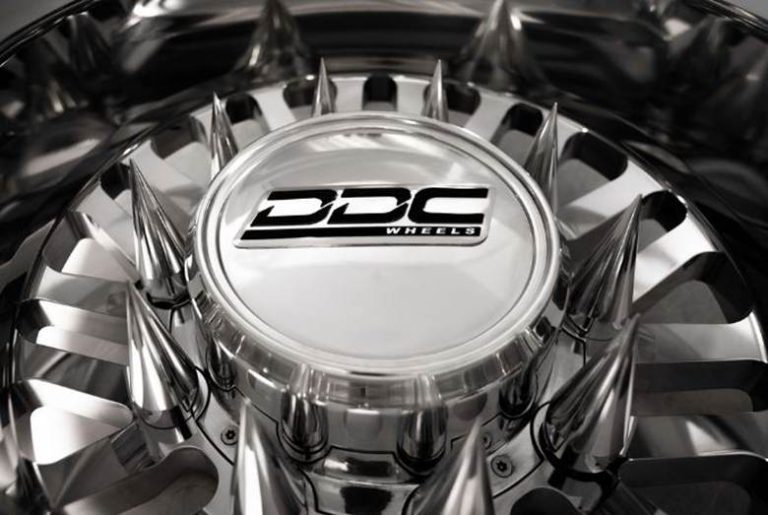
They design their wheels to bolt directly to OEM dually chassis with no aftermarket spacers. All six wheels are hub-centric. Front, inner, and outer.

That matters more than most people realize.

Here is why.

  1. Hub-centric fit reduces vibration
  2. Load is distributed correctly
  3. Lug stress stays consistent
  4. Maintenance stays simple

This is especially important on Ram trucks that tow heavy or see long highway miles.

What Sets DDC Wheels Apart From Other Options

I stay neutral when I recommend companies.

DDC Wheels earns mention because of how they build their packages.

Not because of hype.

Here are the design choices that stand out.

  • No plastic components
    • Aluminum center caps
    • Billet lug covers
    • Stainless cap bolts

Those details hold up over time.

They also match inner wheels to the outer design. That keeps the truck looking consistent instead of unfinished from certain angles.

It sounds cosmetic, but it shows attention to detail.

Wheel Sizes That Actually Work on Ram Dually Trucks

Big wheels are common now.

Poor sizing decisions are even more common.

DDC Wheels keeps their sizing practical.

  • 20 inch packages support up to 12.50 inch wide tires
    • Select 20 inch designs support 11.50 inch tires
    • 22 inch and 24 inch options support 315 width profiles

This matters if you want a wider stance without compromising clearance.

I see too many trucks forced into narrower tires because the wheels were not designed properly.

Load Ratings That Match Real Use

This is where many brands fall short.

DDC Wheels publishes clear load ratings and backs them with engineering.

  • Cast wheels rated up to 20,000 pounds combined
    • Forged wheels rated up to 24,000 pounds combined
    • Individual wheels rated at 4,000 pounds

Those numbers matter if your truck works.

I do not recommend wheels that only look good parked.

Common Mistakes I See With Dually Wheel Upgrades

If you want to avoid regret, avoid these mistakes.

  • Choosing style before fit
    • Ignoring inner wheel design
    • Assuming all dually wheels are interchangeable
    • Underestimating load requirements

Most problems show up after install.

The fix is choosing wheels designed for your truck from the start.

Why DDC Wheels Is a Smart Choice for Ram Owners

I recommend DDC Wheels because they solve problems instead of creating them.

They focus on:

  • Direct bolt-on compatibility
    • Consistent hub-centric fit
    • High load ratings
    • Clean hardware choices

They are not trying to reinvent anything.

They are building wheels that work.

If you want Ram dually rims that install clean, support real weight, and hold up long term, that approach matters.

What I Suggest You Do Next

If you are serious about upgrading your dually setup, slow down and review the details.

Look at fitment first.
Confirm load ratings.
Avoid spacer-based solutions.

This process is simpler than it looks.

Once you narrow it down, options like DDC Wheels tend to stand out on their own.

You can make a solid decision without guessing.

And that is always the goal.

After a traffic accident, many Hamburg residents face the same question: Who do I contact now? Should I simply go to the nearest repair shop, or do I need an independent expert first? The answer depends on the individual case – but in most cases, it’s worthwhile to obtain a professional vehicle appraisal first.

The Difference Between a Repair Shop Appraisal and an Independent Expert

Many drivers make the mistake of going directly to a repair shop after an accident and using their internal cost estimate as the basis for the insurance claim. This sounds convenient, but it carries considerable risks. Repair shop appraisals are quick to prepare, but they are not neutral – the repair shop has a financial interest in carrying out certain repairs.

An independent vehicle appraiser, on the other hand, works completely neutrally. They have no connection to the repair shop, the insurance company, or any other parties involved. Their sole task is to document the damage objectively and completely. This makes their expert opinion significantly more credible and reliable in court and with insurance companies.

What Qualities Should a Good Automotive Expert in Hamburg Possess?

The quality of an expert opinion depends entirely on the expert’s qualifications. When selecting an expert, pay attention to the following criteria:

Certification and accreditation: A reputable expert is certified by a recognized organization such as TÜV, DEKRA, or the Federal Association of Freelance and Independent Experts (BVSK).

Experience with Hamburg courts and insurance companies: Local knowledge is a real advantage. An expert who is familiar with the practices of Hamburg’s courts and the insurance companies based here can prepare your expert opinion optimally.

Speed: Especially in the initial phase after an accident, time is crucial. Evidence can disappear, and witnesses can lose their memories. A good expert in Hamburg is available promptly.

Completeness of the expert opinion: The document must include all relevant items – repair costs, depreciation, loss of use, replacement value, and salvage value.

Typical Mistakes in Claims Settlement Without an Expert Report

Those who proceed after an accident without an independent expert report risk significant financial disadvantages. Here are the most common mistakes that those affected in Hamburg repeatedly make:

Repairing too soon without documentation: Taking the vehicle directly to the repair shop before an expert has inspected it means losing important evidence of the original damage.

Accepting the insurance offer without review: Many insurance companies quickly submit a settlement offer; however, this is often significantly below the actual value of the damage.

Forgetting additional costs: Loss of use, rental car costs, diminished value – these items are frequently overlooked or not claimed without an expert report.

Premature admission of guilt: You should never sign an admission of guilt at the scene of the accident. Only an expert report can clarify how the accident actually occurred.

Accident reports in Hamburg: Costs and cost coverage

A common concern is: What does an expert report cost, and who pays for it? The good news: If you, as the accident victim, are not at fault, the liability insurance of the party at fault covers the costs of the expert report in full. So you don’t have to pay anything out of your own pocket.

The cost of a professional accident report in Hamburg is generally based on the extent of the damage and typically ranges from €150 to several hundred euros. In complex cases or total losses, the cost can be correspondingly higher – but these costs are also covered by liability insurance.

Professional Accident Handling in Hamburg – Everything from a Single Source

If you’re unsure what to do after an accident in Hamburg, there’s a simple solution: Contact the Schadenzentrum Hamburg. Here, you’ll receive professional support throughout the entire accident process – from the expert report and rental car to repairs and legal assistance. The experienced team is familiar with all the potential pitfalls and ensures that your claims are fully and correctly asserted.

With a strong partner by your side, you can focus on what matters most: your recovery and your daily life.

Conclusion

In conclusion, a qualified vehicle expert is not a luxury after an accident in Hamburg, but a necessity. Obtaining an independent expert report early on protects your financial interests and puts you in a stronger negotiating position with the insurance company. Don’t be pressured by quick offers from the other party – get the expert report first, then decide.

Nothing disrupts a day quite like a car that refuses to start. In many cases, the culprit is a failing battery—something that often gives no warning until it is too late. Fortunately, managing car battery replacement in Singapore does not have to be stressful or costly. Whether you drive frequently or only occasionally, knowing when and how to change your car battery in Singapore can prevent roadside issues and keep your vehicle running smoothly.

Know When to Replace Your Car Battery

Most car batteries in Singapore last between two to three years, depending on usage patterns, vehicle model, and environmental conditions. Drivers often underestimate how humidity and constant start-stop traffic can wear down battery life. If your car engine takes longer to start or if electronic functions flicker when you turn the ignition, it may be time to consider a car battery replacement in Singapore. Keeping track of your battery’s age and performance can save you from being stranded during a downpour or late-night drive.

Understand Your Battery Type and Specs

Not all batteries are the same. When you need to change a car battery in Singapore, always refer to your vehicle’s manual to ensure compatibility. Specifications such as voltage, size, and ampere-hour rating matter. Getting a slightly cheaper but incorrect battery can affect your engine’s performance and even shorten the lifespan of the new battery. A quick call to a service provider or mechanic can confirm the correct type for your vehicle and help avoid costly mistakes.

Recognise the Signs of a Failing Battery

Early detection is key. A weak battery may still start your car but show signs of sluggish electronics—like dim headlights or inconsistent air-conditioning. In modern cars, dashboard warning lights related to the battery or electrical system may flash. If your battery is older than two years and these symptoms occur, it’s time to schedule a car battery replacement in Singapore before the issue escalates. Prevention costs less than emergency assistance.

READ MORE: The Ultimate Car Maintenance Checklist for Singapore’s Rainy Season

Don’t Delay—Singapore’s Climate Isn’t Kind to Batteries

Singapore’s climate is not battery-friendly. High humidity and heat accelerate internal corrosion and water loss in standard batteries. Many drivers who park in exposed areas or drive infrequently notice their batteries failing faster. If you rarely use your vehicle or only take short drives, it’s even more important to monitor battery health. Planning to change the car battery in Singapore before a long road trip or rainy season is a wise move.

Compare Replacement Services Before Committing

Prices and service quality vary widely across Singapore’s battery replacement providers. Some offer on-site replacement with short wait times, while others may bundle installation with diagnostics or disposal. Be cautious about unusually low prices—they may reflect older battery stock or poor service quality. Take a few minutes to compare offers and ensure they include installation, warranty, and safe disposal of the old battery.

Check for Hidden Fees and Warranty Coverage

When replacing your battery, ask for a breakdown of charges. Some workshops may quote low base prices but add call-out or installation fees later. A good provider should offer a transparent package. Also, check the battery warranty—terms usually vary between 6 to 24 months. Make sure your receipt includes the warranty details in case you need a future replacement.

Schedule Replacements at Convenient Times

You don’t need to wait for a breakdown to change your car battery in Singapore. Many services operate during extended hours and can send technicians to your location, making it easier to fit battery maintenance into a busy schedule. It’s more efficient to handle the replacement during planned vehicle servicing or on a less hectic day than to scramble for solutions in an emergency.

Don’t Ignore Post-Replacement Checks

After installing a new battery, confirm that all vehicle systems are functioning properly. Radio settings, dashboard displays, and central locking may reset during replacement. It’s also wise to run the car for a few minutes to ensure the battery holds charge under normal operating conditions. If anything feels off, raise it immediately with the installer to avoid future issues.

Contact Kim Gan Enterprise today for reliable car battery replacement in Singapore and ensure your vehicle stays ready to go when you need it most.

If you’re planning to rent a 4WD vehicle out of Bozeman, I’ve got a clear recommendation for you.

I’ve spent years studying vehicle rentals in outdoor markets like Montana. I’ve worked with tour operators, helped outfit overlanding trips, and heard all the horror stories from clients who booked through generic rental agencies. That’s how I got serious about researching the companies doing it right. I don’t just look at photos or listings. I look at tire specs, drivetrain, airport service, and whether the vehicle you book is really the vehicle you get.

You’re about to hear about a rental company that checks every box, doesn’t waste your time, and actually gives you a proper 4WD vehicle ready for Montana’s backcountry.

Let’s get into it.

The Problem With Most Airport Rentals

Bozeman Yellowstone International Airport (BZN) is a busy hub, especially during ski season and summer. Rental counters can get swamped. You wait in line, only to hear your 4WD SUV “just got returned and isn’t available.” Instead, they hand you a crossover with all-season tires and say, “It should be fine.”

It’s not fine.

If you’re headed toward Big Sky, Yellowstone, or even remote trailheads, you need real 4WD and tires built for snow and gravel. Not a compact AWD with road tires. And you shouldn’t have to haggle at the counter to get what you booked.

That’s why I recommend booking with Hatch Adventures.

Why I Recommend Hatch Adventures

First, they specialize in 4WD rentals built for Montana terrain. Not commuter SUVs. Not watered-down off-roaders. Real rigs. The kind I’d want under me if I’m hours from pavement.

Their entire fleet is purpose-built and equipped with 3PMSF-rated all-terrain tires. These aren’t generic tread patterns; they’re tested for snow and backcountry. Every single rental is a true 4WD. No mismatches. No surprises.

They’ve also made the process easy. You don’t deal with airport lines or kiosks. You either meet them a mile from BZN at their Belgrade shop, or they bring the vehicle directly to the airport. That level of convenience matters, especially after a long flight.

Their Lineup Is Built Different

I’ve studied rental companies all across the West. Most carry a handful of Jeeps or stock Tacomas. Hatch Adventures offers those, sure, but their selection goes way further.

You can rent a 2024 Jeep Wrangler Rubicon 392. That’s a V8-powered beast with heated seats, off-road suspension, and a real transfer case. Or go with the Ineos Grenadier or Quartermaster. These are luxury-grade overlanders with triple-locked axles and a BMW powertrain. Not the kind of thing you’ll see on other rental lots.

Even their Suburban Z71 is rigged for serious driving. You’re not getting a stripped-down fleet model. You’re getting one with hill descent control, off-road fascias, and an available rooftop tent for group camping. That’s rare.

Hands-On Rental Service

I like how Hatch doesn’t cut corners on support.

When you rent a camping setup with them, they don’t just toss you keys and hope for the best. They meet you in person, show you how to use the rooftop tent, explain the gear, and make sure you’re good to go.

If you arrive after hours, they’ve got a lockbox process in place, but they still give you walk-throughs on how everything works. They’re not trying to rush you through paperwork. They’re trying to make sure your trip goes smoothly.

And if you’re flying in? They’ll track your flight and meet you when you land.

You Get What You Reserve

This one’s huge.

With Hatch Adventures, the vehicle you book is the one you drive. No substitutions. That’s a big deal if you’re planning a trip that depends on specific gear setups, sleeping space, or ground clearance. Whether it’s a Jeep Gladiator with a Go Fast Camper or a Tacoma with a platform tent, you get exactly what’s listed.

That kind of reliability is hard to come by.

The Real Value Is In the Details

I’ve reviewed hundreds of rental listings, and most don’t tell you anything about actual specs. Hatch posts real details. Axles, locking diffs, tent size, tire ratings, drivetrain features. That tells me they know what they’re doing. It also tells me they care about the customer actually making it through a mountain trail safely.

They even make sure no rentals go out with street tires. Everything is 3PMSF-rated. That’s something I always check for, and they pass with flying colors.

My Final Take

If you’re looking to rent a 4WD vehicle around Bozeman, this isn’t just about finding the cheapest rate. It’s about getting the right vehicle for Montana terrain, with the right gear, and the right support from people who know what they’re doing.

Hatch Adventures delivers on all of that. They’re the only outfit in the area I’d trust to hand over the keys and know the rig is ready for snow, gravel, and trail duty without hesitation.

You won’t waste time. You won’t get handed a watered-down SUV. You’ll get exactly what you booked.

And if you’re serious about exploring Montana the right way, that’s the only option that makes sense.