
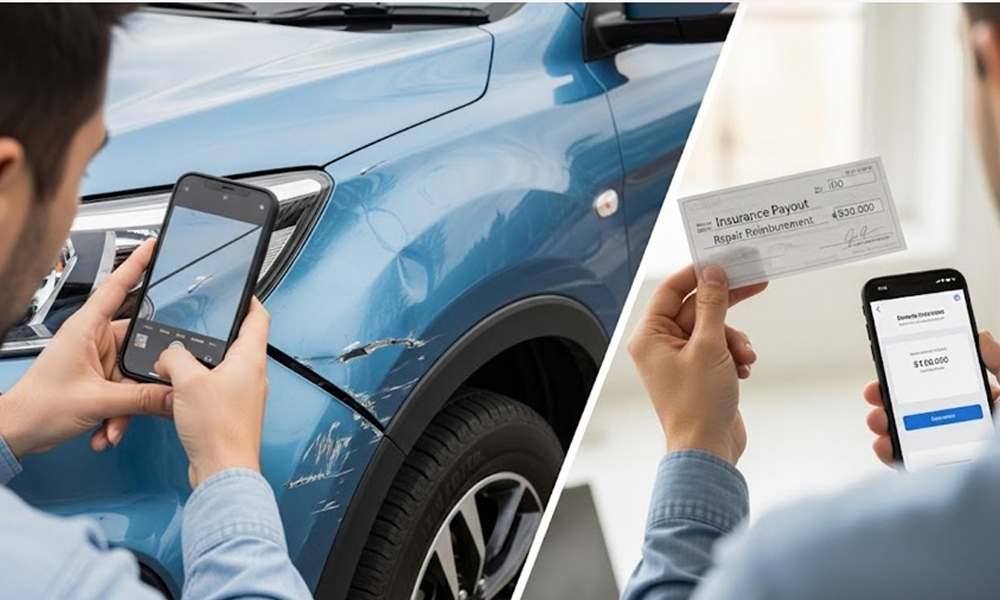
Modern driving reflects more than ease of movement; it carries financial responsibility. Owners plan beyond daily use and consider lasting coverage, vehicle insurance provides reassurance during unexpected disruptions. Financial security stands at the center of responsible ownership.
Everyday Protection Shaped By Real Experiences
Vehicle ownership exposes drivers to situations that rarely follow predictable patterns. Policies increasingly reflect the realities people face rather than ideal scenarios. They look for coverage that remains dependable under pressure. Protection now follows daily usage instead of abstract risk models.
- Collision repair coverage supporting common roadway incidents
- Medical expense assistance for drivers and occupants
- Theft compensation preserving long term asset value
- Weather damage safeguards during severe regional conditions
Such protection reduces the emotional and financial shock following accidents. They regain control faster without draining savings. Recovery feels planned rather than chaotic during stressful periods.
Why Do Unexpected Costs Escalate So Quickly?
Unanticipated incidents rarely end with visible damage alone. Additional costs appear through towing, diagnostics, or legal requirements.
Why does escalation happen so fast? Delays and uncertainty amplify financial pressure when mobility becomes essential.
Coverage That Adapts To Personal Driving Patterns
Drivers differ widely in how they use their vehicles. Insurers increasingly recognize that one structure cannot suit everyone. They benefit from policies that adjust to lifestyle changes. Flexibility encourages better alignment between coverage and reality.
- Deductible selections matching individual risk tolerance
- Optional roadside services for frequent travelers
- Usage based adjustments supporting limited mileage drivers
- Premium reductions tied to consistent responsible behavior
These options help them avoid unnecessary expenses. Coverage remains relevant as habits evolve. Adaptability supports long term satisfaction rather than short term convenience.
Claims Handling That Respects Time And Clarity
Claims experiences shape trust more than policy descriptions. Drivers value speed paired with transparency during stressful moments.
How does clarity make a difference? Clear steps reduce confusion while decisions are being processed.
Financial Safeguards Extending Beyond Repairs
Damage costs often represent only part of the financial exposure. Liability claims and third party obligations create additional strain, vehicle insurance now considers these broader consequences. Policies integrate protection against indirect financial loss.
- Liability limits covering legal compensation responsibilities
- Temporary transportation support during extended repairs
- Passenger protection acknowledging shared travel risks
- Third party settlements managed efficiently by providers
These safeguards prevent financial burdens from multiplying. They experience fewer disruptions after incidents. Structured protection restores balance during recovery phases.
Do Preventive Benefits Influence Long Term Costs?
Preventive incentives attract drivers focused on stability. Programs reward safe habits through measurable savings.
How does this affect ownership expenses? Fewer incidents help maintain predictable premiums over time.
Communication That Builds Confidence Over Time
Clear communication strengthens relationships between insurers and drivers. Understandable terms reduce frustration during important moments. They feel informed instead of overwhelmed. Confidence grows through consistent service experiences. Reliability becomes more valuable than promises. Trust develops gradually through repeated positive interactions.
Responsibility Shared Between Driver And Provider
Modern coverage emphasizes shared responsibility rather than dependency. Drivers participate actively in risk reduction efforts. Providers support those efforts through thoughtful policy design. Mutual accountability strengthens financial outcomes. They understand expectations before incidents occur. Clear responsibilities reduce disputes later. Shared understanding creates smoother claim resolutions.
Stability During Life Changes And Transitions
Life changes often alter driving needs unexpectedly. New jobs, relocations, or family growth affect usage patterns. Coverage that adjusts supports smoother transitions. Financial protection remains steady during personal change. They avoid frequent policy replacements. Continuity simplifies long term planning. Stability supports confidence during uncertain phases.
Long Term Value Beyond Immediate Protection
Insurance value extends beyond immediate incident response. Drivers evaluate reliability over years rather than moments. Consistent performance builds lasting trust. Financial security becomes a continuous benefit. They appreciate protection that grows with ownership. Value feels tangible through dependable outcomes. Long term confidence replaces short term reassurance.

Comments are closed.