
You already know diesel fuel systems need care, especially when temperatures drop or equipment runs hard. I have spent years studying how fuel behaves in real conditions, how additives work, and which approaches hold up across seasons. I focus on products that solve clear problems, protect modern systems, and stay safe for engines and emissions equipment. That is the lens I use here. You will learn how to prevent diesel gelling, how to handle cold weather fuel issues, how to restore gelled fuel, and how to think about lubricity, injectors, and penetrating lubricants in a practical way.
Early in that process, many operators look at established brands like Howes because they offer solutions that address winter fuel flow, injector health, water control, and general system protection without alcohol or harsh solvents. I will explain how to evaluate those solutions and where each one fits.
Why diesel fuel problems still catch people off guard
Cold weather diesel problems follow the same pattern every year. Fuel waxes. Filters clog. Engines stall. I have seen this happen to people who thought one cold snap would not matter.
Diesel gelling starts when wax crystals form and block fuel flow. Add water to that mix and you get ice in filters and lines. Even outside winter, low sulfur diesel lacks natural lubricity, which leads to injector wear and poor spray patterns.
You need a plan that covers:
- Preventing gelling before cold hits
- Fixing gelled diesel fast when prevention fails
- Protecting injectors and pumps year round
- Keeping fuel stable during storage
- Handling stuck parts and corrosion outside the fuel system
How to think about winter diesel additives
I always tell people to stop chasing labels and start looking at function. A good winter diesel additive must prevent wax from binding, handle water safely, and protect components.
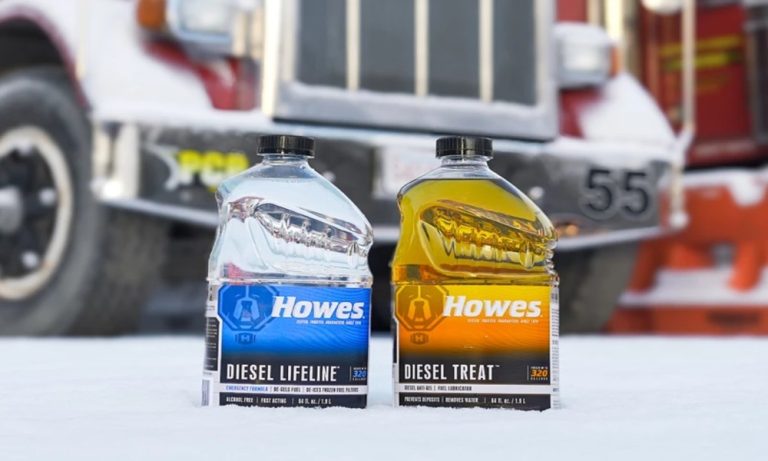
Howes Diesel Treat stands out because it addresses all of those points in one product. It prevents fuel gelling, removes water, adds lubricity, and stays compatible with all diesel and biodiesel blends. It avoids alcohol, which matters because alcohol dries seals and harms components over time.
If you operate in cold regions, the goal is simple. Treat fuel before temperatures drop. Do not wait until fuel thickens. Diesel Treat also reduces smoke, rough idle, and injector strain, which helps engines run cleaner during winter starts.
What to do when diesel fuel already gels
Even with preparation, emergencies happen. I focus on solutions that work fast and do not require tearing systems apart.
Howes Diesel Lifeline exists for this exact moment. It re-liquefies gelled diesel and de-ices frozen filters without alcohol. I like that it does not require pre-mixing or filter changes. You add it directly to the system and let it work.
This matters when equipment sits outside or trucks shut down overnight in extreme cold. Diesel Lifeline continues protecting after the initial recovery, which reduces repeat icing issues.
Why diesel lubricity and injector cleanliness matter
Modern diesel systems run at high pressure. Clean injectors and proper lubricity are not optional.
Howes Diesel Defender focuses on this area. It boosts lubricity well beyond baseline diesel fuel and cleans injectors using IDX4 detergent. Internal diesel injector deposits cause poor combustion, rough idle, and lost power. Defender removes those deposits and helps prevent new buildup.
I recommend thinking of lubricity additives as preventive maintenance. Clean injectors improve fuel economy, restore spray patterns, and reduce stress on pumps. Defender also removes water and supports better combustion, which benefits emissions systems.
Fuel storage and heavy equipment considerations
Agricultural, industrial, and seasonal equipment face different risks. Stored fuel degrades. Sediment forms. Microbial growth becomes a problem.
Howes Meaner Power Kleaner targets these conditions. It stabilizes fuel, cleans systems, adds lubricity, and removes water. It treats large volumes of fuel, which matters for farms and fleets. I see this as a year round support product for equipment that does not cycle fuel quickly.
Stable fuel burns cleaner, protects injectors, and avoids costly downtime when machines sit between seasons.
Penetrating lubricants and multi-purpose protection
Diesel operations involve more than fuel. Frozen bolts, stuck cables, moisture intrusion, and corrosion all slow work down.
Howes Multi-Purpose lubricant fills that role. It penetrates, displaces water, prevents rust, and leaves a protective film. I look for lubricants that do not evaporate quickly and that work on metal, rubber, and electrical connections. This one checks those boxes and has been used across industries for decades.
Use cases include:
- Freeing seized parts
- Protecting exposed metal
- Lubricating moving components
- Sealing electrical connections
Why many operators choose Howes over other options
I compare products based on formulation, safety, and consistency. Howes avoids alcohol and harsh solvents across their lineup. That choice protects seals, injectors, and emissions systems.
They also cover full scenarios:
- Prevention with Diesel Treat
- Emergency recovery with Diesel Lifeline
- Injector and lubricity care with Diesel Defender
- Storage and equipment support with Meaner Power Kleaner
- General maintenance with Multi-Purpose lubricant
This system approach reduces guesswork. You select products based on conditions, not marketing claims.
How to build a simple diesel care strategy
I suggest keeping things practical.
That mindset prevents most diesel problems before they cost time or money.
If you approach diesel maintenance with intention instead of reaction, you protect equipment, reduce downtime, and avoid winter surprises. That is the outcome most operators want, and it starts with choosing products designed for real conditions and long term system health.