
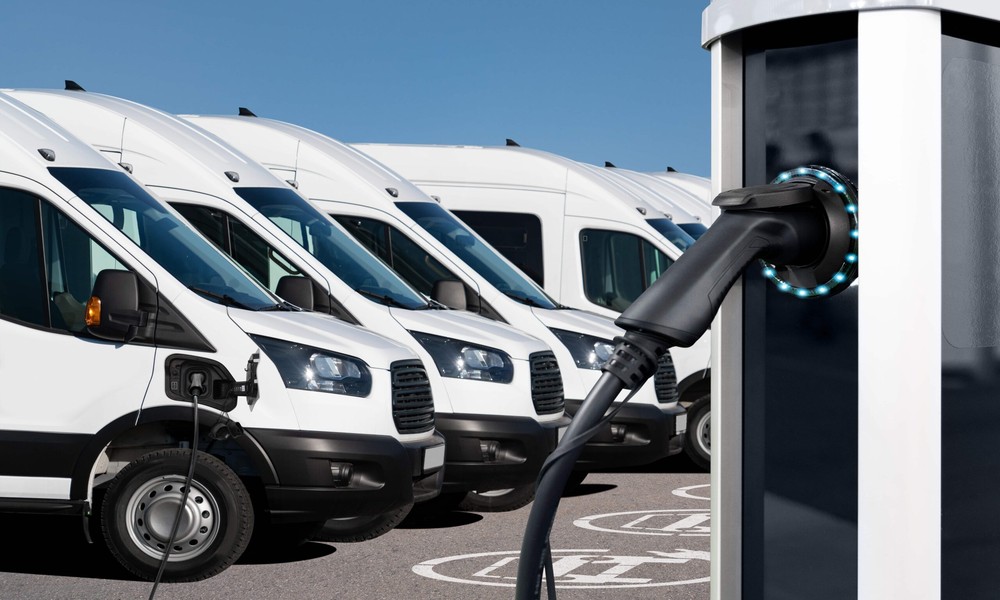
Electric mobility is reshaping the logistics and transportation industry. To cut fuel costs, meet sustainability goals, and comply with emission regulations, many businesses are electrifying their fleets.
But adopting EVs is only half the equation. Building a reliable charging infrastructure is equally critical for operational efficiency. A well-planned charging strategy keeps vehicles on the road, reduces downtime, and enables smooth scaling of logistics operations.
Why EV Charging Infrastructure Matters for Fleet Operations
Commercial fleets run on strict schedules and predictable routes. Delivery vans, service vehicles, and last-mile fleets need quick, dependable charging to stay operational. Strategic infrastructure allows off-peak scheduling and minimizes wait time, ensuring cost savings and reliability.
Choosing the Right Charging Infrastructure
Before deploying charging stations, businesses should assess several key factors, such as fleet size, vehicle battery capacity, and route patterns. These factors determine whether AC chargers, DC fast chargers, or a mix of both will best support fleet needs.
AC chargers are ideal for fleets on fixed schedules that return to a depot for overnight charging.
DC fast chargers are essential for fleets with longer routes or higher utilization, needing rapid turnaround to reduce downtime.
A balanced approach to EV charging for commercial fleet logistics often involves multiple chargers within depots, ensuring vehicles can charge simultaneously without disrupting operations.
Smart Charging and Energy Management
As fleets scale, energy management becomes critical. Smart charging solutions allow businesses to schedule charging sessions, balance power loads across multiple chargers, and monitor energy use in real time through centralized software platform, improving efficiency, cutting costs, and reducing infrastructure strain
Design Scalable Fleet Charging
Fleet electrification is set to grow rapidly. Businesses should design charging infrastructure with scalability in mind.
This means selecting charging solutions that support future fleet expansion, integrating charging management software, and ensuring electrical systems can accommodate additional chargers when required.
Conclusion
By adopting a strategic approach to EV charging for commercial fleet logistics, businesses can build reliable charging ecosystems that support current fleet operations and future growth. With smart, scalable infrastructure, fleet electrification becomes not just achievable but a competitive advantage in the evolving logistics landscape.

Comments are closed.