Author

Patricia

Browsing

Strength and Durability with Ultimate Protection

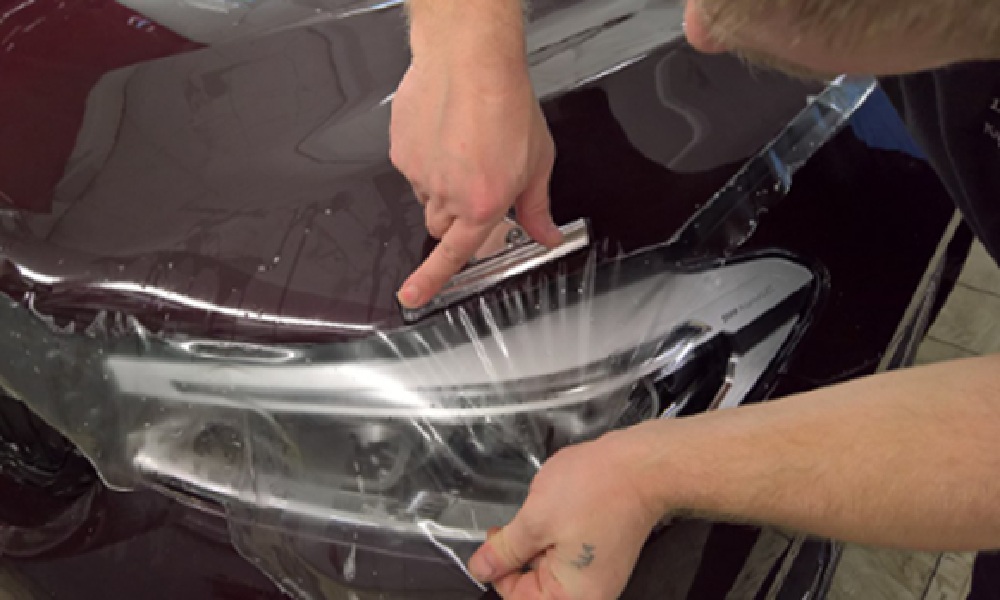
Driving a well-maintained, scratch-free vehicle is not just a point of pride; it’s an investment we wish to preserve. Nothing can be more frustrating than seeing tiny pebble impacts and random scratches leaving unsightly scars on your beloved car. Enter Paint Protection Film (PPF), a genuine superhero in the world of automobile maintenance. This robust urethane film is our savior from the harsh realities of the road, absorbing the brunt of road debris impact and preventing scratches and scuffs from reaching the actual paint layer of our cars. 21 Bradwick Dr #8, Vaughan GET A FREE QUOTE(905) 766 3367 provides an offer that keeps your vehicle looking brand new and helps in maintaining its value over time. Applying PPF on the surface of your vehicle helps keep it protected against the daily challenges it encounters, paving the way to preserve its pristine condition for longer periods.

The Guardians of Car Aesthetics – SRS Tints

With over 10 years of experience and more than 30,000 content clients, SRS Tints has established itself as one of the top providers in terms of quality car window tinting services, earning them the title as the Best Paint Protection Film company in Mississauga. Specializing in paint protection film application, ceramic coating, and vinyl wrapping, SRS Tints offers full-service automobile beauty treatments for different types of vehicles. Investment in automobile grooming and protection is best left into the hands of experienced professionals like Mississauga’s Best Paint Protection Film Providers who understand the needs of your vehicle and offer tailored solutions to keep it in top shape. Overall, Paint Protection Films (PPF) help you say goodbye to paint scuffs and scratches while keeping your vehicles in superior conditions. SRS Tints continuously awards Mississauga and Vaughan’s residents with its exceptional service quality, robust car window tinting, and additional services such as ceramic coating and vinyl wrapping. A comprehensive package offered by SRS Tints guarantees that your vehicle retains its glossy finish, preserving its beauty and value for extended periods.

Do you want to buy a used motorcycle but don’t know where to begin? Purchasing a used bike might be intimidating, particularly given the abundance of possibilities. Fortunately, buying your secondhand motorcycle from a trustworthy dealer is the ideal answer for you.Dealerships have a clear edge over private sellers thanks to their special combination of experience, professionalism, and convenience. Hold on tight as we explore the world of motorcycles, especially buying second-hand motorcycles (รับซื้อรถมอไซค์มือสอง, this is the term in the Thai) and dissect the main arguments for why a dealership ought to be your first choice when looking for your next vehicle.

Things to Take Into Account When Purchasing a Used Motorcycle

The most important choice you will have to make when looking for a new motorcycle is whether to buy from a dealership or a private seller. Additionally, trying to negotiate a bargain with a private seller may seem alluring, but there is a lot of hazards involved.The following are some advantages of working with a dealership:

Accountability and Reputation

Dealerships are subject to regulations and have a reputation to maintain, which guarantees greater professionalism and accountability than private sellers.

Large Selection: Used motorcycle dealerships usually have a varied inventory, so you may pick from a number of types, models, and price points to discover the ideal motorcycle for your requirements.

Options for warranties

A lot of dealerships provide warranties on used motorcycles, which give you extra security and comfort in the event that there are problems or flaws after the purchase.

Flexible Financing

Dealerships frequently offer in house financing solutions and collaborate with a number of lenders, which makes it simpler for you to obtain a loan with advantageous terms and interest rates. Expertise and Knowledge: To help you make an informed choice, dealerships hire knowledgeable staff who can give you precise information about the motorcycle’s history, information about maintenance, and potential problems that might arise Trade-In Options: Dealerships can expedite the process and put the trade-in value toward your new purchase if you wish to trade in your existing motorcycle. It will save you time and effort.

Inspected and Serviced

Before putting a used motorbike up for sale, dealerships frequently do extensive inspections and maintenance to make sure the motorcycle is in best shape and lowers the possibility of undiscovered problems.

Decreased the risk of fraud

Dealerships are less likely to sell stolen motorcycles or ones with tampered odometers, among other fraudulent practices, making the purchasing process safer.

Convenience

Since a dealership takes care of all the leg work, registration, and transfer of title procedures on your behalf, buying a secondhand motorcycle from them is typically more convenient. You can just imagine all the paperwork you need to tend to, which might take up so much time, energy, and money too. If you purchase motorcycles from a dealership, you can skip all these things and be able to focus more on other important aspects. There are many dealerships to choose from and it is a must to do your research well. 


Emissions testing is more than just a legal requirement—it’s a critical part of maintaining your vehicle’s health and environmental responsibility. These tests are designed to measure the levels of pollutants your vehicle emits through the exhaust system, including carbon monoxide, nitrogen oxides, and hydrocarbons. Excessive emissions often point to underlying issues within the exhaust system, such as a failing catalytic converter, oxygen sensor problems, or exhaust leaks. Regular testing helps ensure your vehicle is operating cleanly and efficiently, keeping both the environment and your engine safe.

Emissions Testing Helps Identify Hidden Exhaust Issues

Emissions testing offer a crucial advantage by identifying hidden exhaust issues before they escalate. Minor problems like a small exhaust manifold leak or a faulty oxygen sensor might initially lack noticeable symptoms, yet substantially impact emissions. These subtle inefficiencies are uncovered during testing, facilitating prompt repairs. Early detection is key, preventing the development of more severe problems, including engine misfires, reduced fuel efficiency, and expensive part replacements. By addressing these issues early, emissions testing not only ensures compliance with environmental standards but also promotes long-term vehicle health and reduces the financial strain of major repairs. This proactive approach safeguards both the environment and the owner’s wallet. Selection of the Auto Repair in Marietta, GA based service is utterly necessary here.

Protecting Your Catalytic Converter

The catalytic converter plays a vital role in controlling emissions, converting harmful gases into less toxic substances before they exit the tailpipe. However, if it’s clogged, damaged, or overwhelmed by excessive pollutants, it can fail—leading to higher emissions and reduced engine performance. Emissions testing monitors the output of the catalytic converter and ensures it’s working properly. Detecting reduced efficiency or failure early through testing can save the component or prompt a replacement before it causes broader engine complications.

Boosting Vehicle Performance and Efficiency

Vehicles that pass emissions tests tend to operate more smoothly and efficiently. That’s because a clean-burning engine with a well-maintained exhaust system doesn’t have to work as hard to produce power. Regular emissions testing ensures your exhaust components—like the muffler, resonator, and pipes—are functioning correctly, which supports optimal airflow and backpressure. This translates to better fuel economy, more consistent engine performance, and a quieter, more enjoyable ride.

Staying Compliant and Preserving Vehicle Value

In many regions, emissions testing is a requirement for vehicle registration or renewal. Failing to maintain your exhaust system could lead to test failure, fines, or even restrictions on vehicle use. Beyond compliance, keeping up with emissions-related maintenance protects your car’s resale value. A vehicle with a history of passing emissions tests signals to buyers that it’s been well cared for and is likely to run cleanly and efficiently. In short, emissions testing is not only good for the planet—it’s a smart, proactive way to ensure your car’s longevity and reliability.

Gasket seals are essential to the entire operation of an exhaust system because they stop exhaust leaks, which can result in toxic emissions, noise, and inefficient engines. The gasket, which is situated between parts such as the cylinder head and the exhaust manifold, guarantees a tight seal to stop exhaust gasses from escaping the system. Numerous problems, ranging from reduced performance to safety risks, may arise if the gasket fails. Maintaining the integrity of your car’s exhaust system can be facilitated by being aware of the function of gasket seals and the significance of appropriate material and fit.

Material Matters: Choosing the Right Gasket

Composition is crucial to gasket seal endurance and performance. Gaskets are made from graphite, copper, steel, and composites. Every material has attributes suitable for exhaust systems. Copper gaskets are used in high-performance applications due to their thermal conductivity, whereas graphite gaskets are flexible and heat-resistant, making them ideal for high-heat settings. Use the right material to ensure the gasket can withstand high pressure, temperatures, and corrosive exhaust gases, reducing leak risk.

Proper Fit: Ensuring a Tight Seal

An incorrect fit might result in exhaust leaks even with the greatest gasket material. Exhaust gasses might leak out of a gasket that is either too big or too small for the exhaust components. Additionally, this may result in an unequal distribution of pressure, which over time may cause more harm. It’s crucial to carefully match the gasket’s dimensions with those of the cylinder head and exhaust manifold during installation. For expert assistance, consider trusted Auto Repair in Sacramento, CA. The risk of engine inefficiency and potentially dangerous emissions is decreased when the gasket is properly fitted since it can effectively stop exhaust gases from escaping.

The Impact of Leaks on Vehicle Performance

Numerous performance problems, such as decreased engine power, poor fuel efficiency, and elevated emissions, can result from exhaust leaks. The engine’s air-fuel ratio is upset when exhaust fumes seep through a damaged gasket, which can result in misfires, slow acceleration, and engine reluctance. Furthermore, the emissions system of the car may be adversely affected by the release of dangerous gases like carbon monoxide, which could result in failed inspections or environmental issues.

Conclusion

Preventing gasket problems in your car requires routine exhaust system maintenance and inspection. Heat cycles and pressure can weaken, harden, or break gaskets over time, making it more difficult for them to seal properly. Regular inspections for leak indicators, such as strange engine noises or smells, can assist in detecting gasket problems before they cause more serious harm. Maintaining vehicle performance and extending the life of your exhaust system can be achieved by replacing worn-out gaskets with premium materials and making sure they fit properly during installation.


America has a deep-rooted history in off-roading, and some vehicles have played a pivotal role in shaping the culture. From military-inspired workhorses to powerful trucks built for rugged landscapes, these 4x4s have defined what it means to explore the unbeaten path. Here are seven classic American 4x4s that left a lasting impact on off-roading.

1. Jeep Willys MB (1941-1945)

The Jeep Willys MB is where it all started. Originally designed for military use in World War II, this legendary 4×4 was built for durability, reliability, and all-terrain capability. With its lightweight design, flat fenders, and high ground clearance, the Willys MB could handle the toughest environments. After the war, the civilian version (CJ series) became one of the most influential off-road vehicles, setting the stage for every Jeep model that followed.

2. Ford Bronco (1966-1996, 2021-Present)

The Ford Bronco first appeared in 1966 as a response to the growing popularity of off-road SUVs. Designed as a compact, capable 4×4, it quickly became a favorite among off-roading enthusiasts. With its short wheelbase, solid front axle, and robust suspension, the Bronco excelled in both trail and desert terrain. The early generations are now considered classics, and with its recent revival, the Bronco continues to build on its legendary status.

3. Chevrolet K5 Blazer (1969-1994)

When Chevrolet introduced the K5 Blazer, it was one of the first full-size SUVs built for both comfort and off-road performance. Unlike some of its smaller competitors, the K5 came with a powerful V8 engine, ample cargo space, and a removable top, making it a versatile choice for adventure seekers. Its solid front and rear axles provided excellent durability, making it a go-to vehicle for off-road modifications and rock crawling.

4. International Harvester Scout (1961-1980)

The International Harvester Scout was one of the earliest competitors to Jeep’s dominance in the off-road segment. Designed as a rugged utility vehicle, the Scout featured a sturdy body-on-frame construction, a strong V8 engine, and four-wheel drive capabilities that made it a powerhouse on rough terrain. Today, restored Scouts are highly sought after by collectors, and their legacy lives on in modern off-road vehicle designs.

5. Dodge Power Wagon (1945-Present)

The Dodge Power Wagon was the first civilian 4×4 truck built with military-grade toughness. Its origins trace back to World War II, and when it was introduced to the public in 1945, it revolutionized off-roading. With a powerful inline-six engine, a rugged chassis, and a locking differential, the Power Wagon became a workhorse for farmers, construction workers, and off-road enthusiasts alike. Even today, the modern Power Wagon retains its off-road dominance, staying true to its legendary roots.

6. Hummer H1 (1992-2006)

Few vehicles command attention like the Hummer H1. Originally designed as the military Humvee, this behemoth was made available to civilians in the early 1990s. Built for extreme off-road conditions, the H1 featured portal axles, a high ground clearance, and a central tire inflation system. It could ford deep water, climb over massive obstacles, and handle terrains that would leave most 4x4s stranded. Though no longer in production, the H1 remains one of the most capable American four wheel drive vehicles ever made.

7. Jeep Cherokee XJ (1984-2001)

The Jeep Cherokee XJ revolutionized the off-road industry with its unibody construction, compact size, and impressive 4×4 capability. Unlike its body-on-frame predecessors, the XJ offered a lightweight design without sacrificing strength. It quickly became a favorite among off-roaders due to its ease of modification, solid axles, and trail-ready performance. Even today, the Cherokee XJ remains one of the most beloved off-road vehicles, with many still tackling trails decades after rolling off the assembly line.

These seven classic American 4x4s paved the way for modern off-roading. Whether through military service, trailblazing innovation, or sheer ruggedness, each of these vehicles played a crucial role in shaping off-road culture. While newer models continue to push the limits of performance, these classics remain icons in the world of adventure and exploration.

When it comes to enhancing the look and functionality of your vehicle, aftermarket sunroofs are a popular choice. These features not only add a touch of luxury but also improve the overall driving experience by allowing natural light and fresh air into the cabin. However, with so many options available, choosing the right aftermarket sunroof can be overwhelming. In this article, we will explore the different aftermarket sunroof options available and their installation process.

Types of Aftermarket Sunroofs

There are several types of aftermarket sunroofs to choose from, depending on your preferences and budget. The most common ones include:

Pop-up Sunroofs: These are manually operated and can be popped up to allow fresh air in. They are the most affordable option and are easy to install.

Spoiler Sunroofs: These are similar to pop-up sunroofs but have a spoiler-like design that adds a sporty look to your vehicle.

Inbuilt Sunroofs: These are built into the roof of the vehicle and can be opened and closed electronically. They offer a sleeker look and better insulation than pop-up and spoiler sunroofs.

Panoramic Sunroofs: These cover a larger area of the roof and can be opened and closed electronically. They offer an unobstructed view of the sky and are perfect for those who love open-air driving.

Installation Process

Installing an aftermarket sunroof requires expertise and precision. Here are the general steps involved in the installation process:

Choosing the Right Sunroof: The first step is to choose the right sunroof that fits your vehicle’s make and model. It is essential to ensure that the sunroof is compatible with your vehicle to avoid any installation issues.

Removing the Roof Panel: The next step is to remove the roof panel of your vehicle to create space for the sunroof. This requires precision and should be done carefully to avoid damaging the roof.

Installing the Sunroof: Once the roof panel is removed, the sunroof is installed in its place. This involves connecting the sunroof’s electrical wiring and ensuring that it is properly sealed to prevent water leakage.

Testing the Sunroof: After installation, the sunroof is tested to ensure that it opens and closes smoothly and that there are no leaks. The Auto Repair in Downingtown, PA based service offers the best support for the same.

Factors to Consider

When choosing an aftermarket sunroof, there are several factors to consider, including:

Budget: Aftermarket sunroofs come in different price ranges, so it is essential to choose one that fits your budget.

Compatibility: It is crucial to ensure that the sunroof is compatible with your vehicle’s make and model.

Features: Consider the features you want in a sunroof, such as electronic operation, tinted glass, and noise reduction.

Installation: Choose a reputable installer with experience in installing aftermarket sunroofs.

Benefits of Aftermarket Sunroofs

Aftermarket sunroofs offer several benefits, including:

Improved Aesthetics: Aftermarket sunroofs add a touch of luxury and style to your vehicle.

Natural Light: Sunroofs allow natural light into the cabin, creating a brighter and more spacious interior.

Fresh Air: Sunroofs can be opened to allow fresh air into the cabin, improving the overall driving experience.

Increased Resale Value: Aftermarket sunroofs can increase the resale value of your vehicle.

So you need to make the proper consideration for these matters and hire the best professionals for the same. Then comes the best results with the car sunroofs properly maintained as per your requirement.


Financing an exotic car is a dream for many enthusiasts, but the process can seem complex due to the specialized terms used in the industry. Whether you’re eyeing a Ferrari, Lamborghini, or McLaren, understanding key financing terms can help you navigate the process with confidence. Below, we break down the most important terms you’ll encounter when securing a loan for a high-end vehicle.

1. Loan-to-Value (LTV) Ratio

The Loan-to-Value (LTV) ratio refers to the percentage of a car’s value that a lender is willing to finance. For exotic cars, LTV ratios can vary significantly depending on the vehicle’s brand, model, condition, and depreciation trends.

For example, if you’re purchasing a $300,000 supercar and the lender offers an LTV ratio of 80%, they will finance up to $240,000, requiring you to pay the remaining $60,000 as a down payment. Some lenders may offer higher LTV ratios, but this often comes with stricter credit requirements or higher interest rates.

2. Residual Value

Residual value is a crucial term in lease agreements for exotic vehicles. It represents the car’s estimated worth at the end of the lease term. Vehicles with strong resale value tend to have higher residual values, which can lead to lower monthly payments.

For instance, a brand-new Aston Martin that retains 60% of its value after three years will have a higher residual value than a model that depreciates quickly. This makes understanding depreciation rates essential when choosing the right vehicle and financing structure.

3. Balloon Payment

A balloon payment is a large lump sum due at the end of a loan or lease term. It allows borrowers to enjoy lower monthly payments throughout the financing period, with the expectation that they will either pay off the balance in full, refinance, or sell the vehicle.

This option is popular among exotic car buyers because it provides flexibility, particularly for those who frequently upgrade to newer models. However, it’s important to plan for the final payment to avoid financial strain.

4. Term Length

The term length refers to the duration of the loan or lease agreement. Unlike traditional auto loans that typically range from 36 to 72 months, exotic car loans can extend up to 120 months (10 years).

Longer terms result in lower monthly payments but often lead to higher overall interest costs. Shorter terms, on the other hand, allow for faster equity-building but require higher monthly payments. Choosing the right term length depends on your financial situation and long-term goals.

5. Depreciation and Appreciation

While most vehicles depreciate over time, certain exotic cars appreciate in value. Understanding how depreciation works is critical in structuring a loan or lease agreement.

A car with high depreciation loses value quickly, which can affect trade-in options or resale potential. Conversely, models with historical appreciation—such as limited-edition Ferraris or classic Porsches—may hold or increase in value, making ownership a more lucrative investment.

6. Interest Rate (APR)

The Annual Percentage Rate (APR) is the cost of borrowing money, expressed as a percentage. Exotic car loans often have slightly higher interest rates than standard auto loans due to the specialized nature of the vehicles.

Factors affecting APR include:

  • Credit Score: A higher credit score generally qualifies for lower interest rates.
  • Loan Term: Shorter loan terms often have lower interest rates.
  • Down Payment: A larger down payment can help secure a lower APR.

7. Prepayment Penalty

Some exotic car loans come with prepayment penalties, which are fees charged if you pay off the loan early. Lenders include these penalties to compensate for lost interest earnings.

If you plan to pay off the loan ahead of schedule or refinance, be sure to check whether a prepayment penalty applies. Avoiding loans with this condition can save you money in the long run.

8. Equity Position

Your equity position refers to the difference between what you owe on the car and its current market value.

  • Positive Equity: If your car is worth more than the loan balance, you have positive equity, giving you better trade-in or resale options.
  • Negative Equity: If you owe more than the car is worth, you have negative equity, which can complicate refinancing or trade-in decisions.

Maintaining positive equity is crucial when financing an exotic car, especially for those who frequently upgrade to new models.

9. Classic Car Financing vs. Exotic Car Financing

Although exotic and classic cars share some similarities, financing options differ. Classic car financing often involves longer loan terms and specialized lenders familiar with collector vehicles. These cars may also qualify for different insurance policies and appraisal-based financing.

In contrast, exotic car financing focuses on newer luxury sports cars, hypercars, and supercars, often requiring larger down payments and stricter approval criteria.

10. How to Secure the Best Exotic Car Loan

To get an exotic car loan, it’s essential to:

  • Improve Your Credit Score: Higher scores unlock better loan terms.
  • Choose the Right Lender: Work with lenders who specialize in luxury vehicle financing.
  • Make a Larger Down Payment: Reducing the loan amount lowers your financial risk.
  • Compare Loan Offers: Reviewing multiple offers ensures you secure the best interest rate and terms.

Financing an exotic car involves more than just securing a loan—it requires a deep understanding of industry-specific terms that can impact long-term financial decisions. By familiarizing yourself with concepts like LTV ratios, balloon payments, and depreciation, you can make informed choices and structure a loan that aligns with your financial goals.

Whether you’re purchasing a brand-new hypercar or a classic collector’s item, being well-versed in exotic car financing terms will help you navigate the process with confidence.

In a moment of distraction, the door shuts. The keys? Inside. It’s a common scene, yet panic quickly sets in. Being locked out is frustrating and inconvenient. That’s where a mobile locksmith becomes a hero.

Mobile locksmiths are equipped to handle emergencies anytime, anywhere. They bring tools, expertise, and professionalism to people stuck in tough situations. With quick response times, they solve the problem and get clients back on track without hassle.

Why Choose a Mobile Locksmith?

Mobile locksmiths work on the go, providing immediate assistance. Unlike traditional locksmith shops, they don’t require you to come to them. They meet you where the problem is—whether at home, work or by the side of a road.

Here’s why their services stand out:

  1. Rapid Response: Most mobile locksmiths are on call 24/7. In emergencies, this matters most.
  2. Versatile Services: They handle more than just lockouts. From broken key extraction to security upgrades, their expertise is vast.
  3. Advanced Equipment: Mobile locksmiths carry sophisticated tools to unlock, repair, or replace locks with minimal damage.

These experts can handle residential, commercial, and automotive lock systems. For someone locked out of their car in a parking lot, time and safety are critical. A mobile locksmith arrives swiftly and fixes the problem on-site.

What Happens During a Lockout Service?

When a person calls a mobile locksmith, they first verify details about the lockout. Information like the lock type and location help determine what tools to bring. Once on-site, they assess the situation. Locksmiths use non-destructive methods to regain access wherever possible.

Residential lockouts may use bump keys or lock-picking techniques. If it’s a car lockout, they might employ air wedges and long-reach tools to unlock the door. Regardless of the challenge, mobile locksmiths prioritize security and professionalism.

For those in Edmonton, hiring a trusted mobile locksmith Edmonton ensures peace of mind. Many local providers have earned a reputation for reliability and excellent service.

The Importance of Security Advice

In addition to emergency lockout services, mobile locksmiths offer valuable advice on improving security. Many lockouts happen because of weak locks, lost keys, or faulty systems. A skilled locksmith can recommend upgrades, such as deadbolts or smart locks, which reduce the risk of future incidents.

Businesses may suggest high-security solutions like access control systems. These measures protect not only property but also data and sensitive materials.

Preventing Lockouts

While locksmiths are lifesavers, prevention is better than cure. Simple habits can reduce the chances of a lockout:

  1. Keep spare keys in a safe, accessible location.
  2. Use keyless entry or smart locks.
  3. Double-check pockets and bags before locking doors.
  4. Establish a routine to remember your keys.

Technology can also help. Digital locks allow remote access and entry through smartphone apps.

Final Thoughts

Mobile locksmiths offer a crucial service. They’re fast, efficient, and skilled at resolving stressful situations. Whether someone is stranded outside their home or car, a mobile locksmith is often the fastest route to safety and convenience. Knowing there’s a reliable option can turn a crisis into a minor setback.


When it comes to vehicle maintenance, one of the most crucial aspects that cannot be overlooked is the condition of your vehicle’s brakes. Auto brake repair plays a significant role in ensuring the safety of both the driver and passengers. Well-maintained brakes help avoid accidents and costly repairs down the road, which is why regular inspection and timely brake repairs are essential.

Why Auto Brake Repair is Vital for Safe Driving

The braking system in your car is responsible for bringing the vehicle to a stop, slowing it down, or controlling its speed. Over time, brake pads, rotors, and other components experience wear and tear, making them less effective. Delayed or neglected auto brake repair can cause these components to fail, putting the safety of the driver, passengers, and other road users at risk.

Driving with worn-out or malfunctioning brakes increases the likelihood of accidents, especially in emergency situations where quick stopping is required. Regular brake maintenance ensures the system remains in top working condition, providing the necessary stopping power when needed.

Signs That You Need Auto Brake Repair

While some vehicle issues are obvious, brake problems may not always be immediately noticeable. However, there are several signs that indicate your brakes might need attention. If you experience any of the following symptoms, it’s time to schedule auto brake repair:

  • Squealing or Grinding Noises: High-pitched squeals or grinding sounds when applying the brakes are often caused by worn-out brake pads. These sounds are a clear indicator that the brake system requires repair.
  • Reduced Brake Responsiveness: If the brake pedal feels soft, spongy, or requires more effort to stop the car, it may signal a problem with the brake fluid or the brake components.
  • Vibrations While Braking: Feeling vibrations or pulsations in the brake pedal could indicate warped rotors. This issue should be addressed immediately to avoid further damage.
  • Pulling to One Side: If your car pulls to one side when braking, it could be due to uneven brake pad wear or other brake system malfunctions. This could impair your control of the vehicle, especially in emergency situations.

How Auto Brake Repair Enhances Vehicle Longevity

Regular brake maintenance not only keeps your vehicle safe but also contributes to the overall longevity of the vehicle. Timely auto brake repair helps maintain other crucial components such as the brake rotors, fluid, and lines, preventing costly replacements in the future. Addressing issues promptly ensures your vehicle continues to operate efficiently, saving you money on expensive repairs and replacements down the road.

Additionally, maintaining your brakes improves fuel efficiency, as a smooth and well-functioning brake system requires less effort to operate, reducing unnecessary wear on the engine and other parts.

Conclusion: Prioritize Auto Brake Repair for Your Safety

Auto brake repair is an essential part of vehicle maintenance that should never be neglected. Ensuring that your brake system is functioning properly not only guarantees your safety on the road but also prolongs the lifespan of your vehicle. Regular brake inspections and repairs by a qualified mechanic can prevent accidents, improve the driving experience, and save you money in the long run. Don’t wait for the warning signs—schedule your auto brake repair today and drive with peace of mind.

Owning a Harley-Davidson motorcycle is a dream for many riders. However, the cost of these legendary bikes can be a significant investment. If you’re looking to buy a cheap Harley-Davidson motorcycle without sacrificing quality, negotiating the price effectively is key. Whether you’re dealing with an authorized dealer or a private seller, the right approach can help you secure a great deal.

This guide will explore actionable strategies to negotiate a better price on a Harley-Davidson, ensuring you get the bike you want at a price you can afford.

1. Do Your Research Before Negotiating

Preparation is essential when negotiating the price of a Harley-Davidson motorcycle. The more informed you are, the stronger your negotiating position will be.

Research Market Value

  • Check Pricing Tools: Use platforms like Kelley Blue Book or NADA Guides to determine the fair market value of the model you’re interested in.
  • Compare Listings: Browse online marketplaces, dealer websites, and classified ads to see the range of prices for similar bikes.
  • Factor in Condition and Mileage: Consider the bike’s age, mileage, and overall condition when evaluating its value.

Knowing the average price for your desired model helps you identify a fair deal and gives you leverage during negotiations.

2. Understand the Seller’s Perspective

Understanding the motivations and constraints of the seller can give you an advantage during negotiations.

Dealer Perspective

  • Inventory Goals: Dealers may be more willing to negotiate at the end of the month, quarter, or year when they’re trying to meet sales targets.
  • Promotion Periods: Look for seasonal sales or manufacturer promotions, which can create opportunities for discounts.
  • Trade-In Offers: Dealers may offer better deals if you’re trading in a motorcycle, as this adds value to the transaction for them.

Private Seller Perspective

  • Urgency to Sell: Private sellers who need to sell quickly may be more flexible with pricing.
  • Emotional Value: Sellers with a strong attachment to their bike may require extra effort to justify a lower price.

Tailoring your negotiation strategy to the seller’s situation can help you reach a mutually beneficial agreement.

3. Start with a Reasonable Offer

While it’s tempting to start with a lowball offer, doing so can alienate the seller and stall negotiations. Instead, begin with a reasonable offer based on your research.

Tips for Making an Offer

  • Start Slightly Lower: Offer a price slightly below the fair market value, leaving room for the seller to counter.
  • Justify Your Offer: Explain your reasoning, such as comparable prices, the bike’s condition, or additional costs you’ll incur (e.g., repairs or upgrades).
  • Be Polite: Maintain a respectful tone to keep the negotiation productive.

Starting with a fair offer sets the stage for constructive discussions and increases the likelihood of a successful deal.

4. Highlight Flaws and Necessary Repairs

Pointing out flaws or repairs needed for the motorcycle can be an effective negotiation tactic, especially when buying from a private seller.

What to Look For

  • Cosmetic Damage: Scratches, dents, or fading paint can justify a lower price.
  • Mechanical Issues: Problems with the brakes, engine, or suspension can impact the bike’s value.
  • Tire Wear: Worn-out tires may require immediate replacement, adding to your costs.
  • Missing Accessories: Missing items like saddle bags or windshields can reduce the bike’s overall value.

Politely but firmly discuss these issues and how they affect the bike’s price to strengthen your negotiating position.

5. Take Advantage of Timing

Timing can significantly impact your ability to negotiate a better price on a Harley-Davidson motorcycle.

Best Times to Negotiate

  • End of the Month/Quarter: Dealers often aim to hit sales targets, making them more open to discounts.
  • Off-Season: Shopping during the colder months when demand is lower can lead to better deals.
  • End-of-Year Clearance: Dealers may offer discounts to clear inventory and make room for new models.

Shopping strategically during these periods increases your chances of finding a cheap Harley-Davidson motorcycle at a great price.

6. Be Ready to Walk Away

One of the most powerful negotiation tools is your willingness to walk away if the deal doesn’t meet your expectations.

Why Walking Away Works

  • Shows Confidence: Demonstrates to the seller that you’re serious about finding a fair deal.
  • Creates Leverage: Sellers may reconsider and lower their price if they believe they could lose the sale.
  • Keeps Your Options Open: Walking away allows you to explore other opportunities and avoid settling for a subpar deal.

Remember, there are always other motorcycles and sellers. Don’t feel pressured into accepting a deal that doesn’t align with your budget or needs.

7. Leverage Additional Costs

When negotiating with a dealer, consider discussing additional costs beyond the bike’s price, such as fees and add-ons.

Negotiate Beyond the Sticker Price

  • Dealer Fees: Ask for discounts or waivers on documentation or delivery fees.
  • Accessories: Negotiate the inclusion of helmets, jackets, or other gear as part of the deal.
  • Service Packages: Request discounts on maintenance plans or extended warranties.

Reducing or eliminating these costs can significantly lower the overall expense of purchasing your Harley-Davidson.

8. Secure Financing Before Negotiating

Having financing arranged in advance can streamline the buying process and strengthen your negotiating position.

Benefits of Pre-Approved Financing

  • Shows Serious Intent: Sellers are more likely to take you seriously if you have financing ready.
  • Clarifies Your Budget: Pre-approval helps you understand exactly how much you can afford.
  • Speeds Up the Process: With financing secured, you can focus on negotiating the best price for the motorcycle.

Explore financing options through Harley-Davidson Financial Services or your local bank to prepare for your purchase.

9. Close the Deal

Once you’ve agreed on a price, finalize the deal with attention to detail.

Final Steps

  • Review the Agreement: Ensure all terms, including price, warranties, and included accessories, are documented.
  • Complete the Paperwork: Verify that the title, registration, and bill of sale are accurate and signed.
  • Arrange Payment: Use a secure payment method, such as a certified check or wire transfer, to complete the transaction.

Congratulations! You’ve successfully negotiated for a cheap Harley-Davidson motorcycle and are ready to enjoy the open road.

Final Thoughts

Negotiating the price of a Harley-Davidson motorcycle requires preparation, patience, and persistence. By researching the market, understanding the seller’s perspective, and using strategic timing, you can secure a great deal on your dream bike. Whether you’re buying from a dealer or a private seller, these tips will help you confidently navigate the negotiation process and find a cheap Harley-Davidson motorcycle that meets your budget and expectations.

With the right approach, owning a Harley-Davidson becomes an achievable goal, allowing you to enjoy the freedom and thrill of riding without overspending.