Author

Clare Louise

Browsing

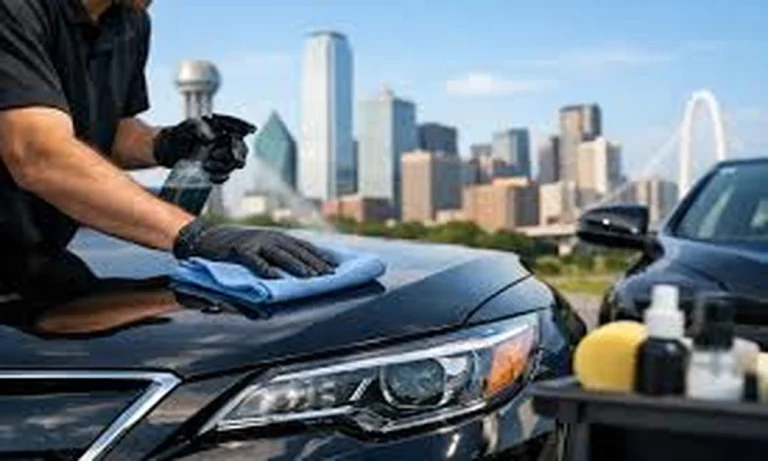
Dropping a car off at a shop and killing an hour in a waiting room used to be the only way to get it properly cleaned. That is changing fast in Dallas, where a growing number of drivers are having detailers come to them instead, whether that is a driveway at home or a parking spot at the office. The convenience is obvious, but there are also some genuinely good reasons tied to this specific climate for why detailing here deserves more attention than it usually gets.

Why Is Mobile Car Detailing Growing in Popularity Across Dallas?

The basic appeal is time. A detail that would eat up half a Saturday at a shop can now happen while someone works from home or sits through a full day at the office, with the car ready to go by the time they are done. For a city built around long commutes and sprawling suburbs, not having to build a shop visit into an already packed schedule matters more than it might in a smaller town. Mobile crews have also gotten better at bringing shop level equipment, water tanks, and power on site, so the quality gap between a shop visit and a driveway appointment has mostly closed.

What Actually Happens During a Mobile Detailing Appointment?

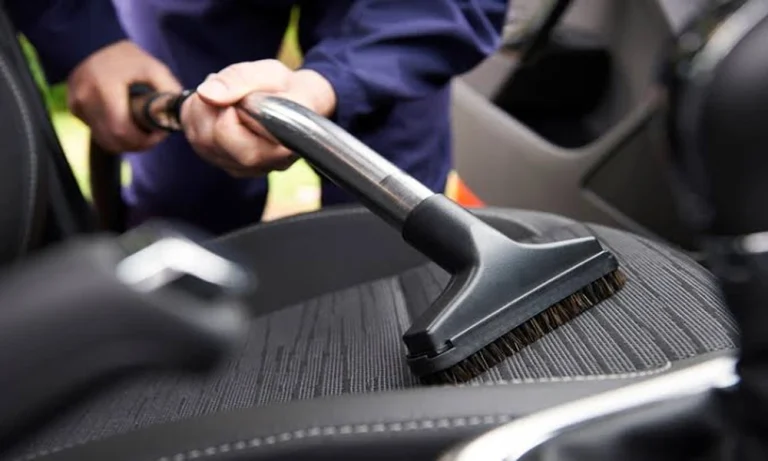
A typical appointment starts with an exterior wash and decontamination to lift bonded dirt, tar, and grime off the paint before anything else happens, followed by drying and often a wax or sealant layer to protect the finish. Interior work usually includes a full vacuum, wiping down every hard surface, cleaning the glass, and treating leather or fabric seats depending on what the vehicle has. Add on services like clay bar treatment, upholstery shampooing, headlight restoration, or ceramic coating get layered in depending on the package and how much the vehicle needs. Most appointments run somewhere between ninety minutes and a few hours depending on vehicle size and condition.

How Does Dallas Heat and Dust Affect a Car’s Paint and Interior?

North Texas is not gentle on a vehicle’s finish. Summer temperatures that regularly climb past 100 degrees cause the clear coat to expand and contract every single day, and over time that stress leads to tiny cracks that let sun damage reach the paint underneath. Strong UV exposure on its own is enough to break down that clear coat and cause fading and a chalky look within a few years if a car sits outside without protection. On top of the heat, ongoing highway construction across the DFW area kicks up dust and tar that settles onto paint and glass, and interiors take a beating from constant sun exposure too, with dashboards and seats fading or cracking faster than they would in a milder climate. Regular detailing, including sealant or ceramic protection, does a lot to slow all of this down.

What Should You Expect to Pay for Mobile Detailing in Dallas?

Pricing varies quite a bit depending on vehicle size, condition, and what is included, but a basic exterior and interior detail for a sedan typically starts somewhere in the seventy five to one hundred fifty dollar range, with SUVs and trucks running higher because of the extra surface area. Full detail packages that combine deep interior cleaning with paint correction or a protective coating commonly land between two hundred and four hundred dollars, and premium ceramic coating packages can go higher still. Mobile service usually costs a bit more than an in shop appointment of the same scope, since the provider is bringing equipment, water, and power to the location rather than the customer bringing the car to a fixed setup.

How Do You Pick a Detailer You Can Trust?

Reviews matter, but so does asking a few direct questions before booking. What products get used on leather versus fabric. Whether the quoted price is final or subject to change once the detailer sees the vehicle in person. How long the appointment is expected to take and what happens if the car needs more work than the package covers. Local operators that offer clear online booking and transparent pricing tend to make this easier, since the guesswork gets removed before anyone shows up. For drivers comparing options, mobile car detailing in dallas services that lay out their packages and pricing ahead of time are usually the easiest to plan around.

How Often Should You Get Your Car Detailed in North Texas?

Given how hard the local climate is on both paint and interior surfaces, most detailers recommend a full detail every three to four months for a daily driver, with a quicker exterior wash and wax in between if the car spends a lot of time parked outside. Vehicles that sit under covered parking or a garage most of the time can usually stretch that out a bit further. The bigger point is consistency. A car that gets detailed on a regular schedule holds its paint and interior condition far better over the years than one that only gets attention once it already looks worn down.

Mobile detailing is not just a convenience upgrade in a city like Dallas, it is closer to routine maintenance given what the heat, sun, and road dust do to a vehicle here. Booking it on a predictable schedule, rather than waiting until the car looks like it needs saving, is what actually protects the investment over time.

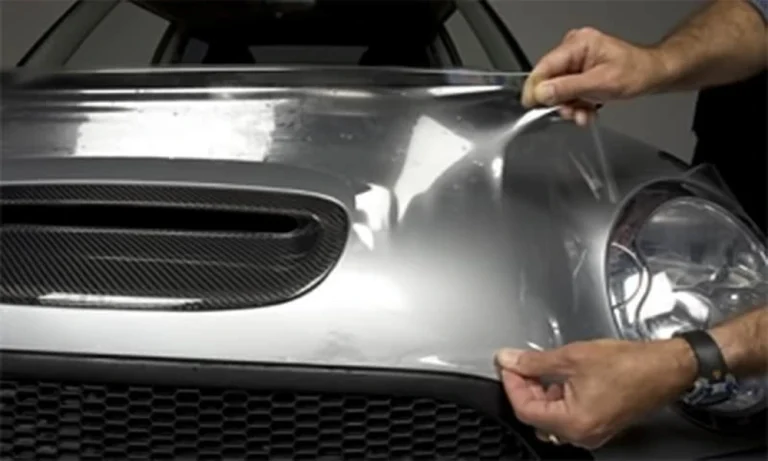
Paint protection film has moved well beyond being a niche product reserved for exotic cars and showroom vehicles. Today, drivers use it to preserve everything from daily commuters to luxury SUVs, electric vehicles, and performance cars. Yet the growing number of films available has also made choosing the right option more complicated.

The best protection is not necessarily the thickest film, the most expensive product, or the one with the longest list of features. Good paint protection film needs to work as a complete system. Optical clarity, impact resistance, adhesive quality, surface technology, installation characteristics, and long-term appearance all matter.

Understanding those factors makes it easier to compare different films without being distracted by branding or technical claims that may have little relevance to everyday driving.

Start With the Protection Your Vehicle Actually Needs

Before comparing individual films, consider how and where the vehicle is driven. A car that spends most of its time on crowded highways faces different risks from one used mainly for short urban journeys.

Highway vehicles are frequently exposed to small stones, road debris, insects, grit, and particles thrown up by surrounding traffic. Front bumpers, bonnet edges, mirrors, wheel arches, and lower doors are particularly vulnerable. For these vehicles, strong impact resistance becomes a priority.

A city car may experience fewer high-speed stone impacts but can still suffer scratches around door handles, loading areas, bumpers, and parking-sensitive panels. Strategic coverage may therefore offer better value than automatically wrapping every painted surface.

Climate matters as well. Strong sunlight, frequent rain, winter road treatments, airborne pollution, and temperature changes can all affect exterior finishes. A suitable film should be selected with these environmental conditions in mind rather than simply according to headline specifications.

Film Construction Determines More Than Thickness

Thickness is one of the first specifications buyers notice, but it should never be considered in isolation.

Modern paint protection films generally consist of several layers working together. The polyurethane layer provides much of the physical protection, while the adhesive secures the film to the paint. A surface coating helps manage staining, environmental exposure, cleaning, and minor marks.

Two films with similar overall thickness can therefore behave very differently.

The quality of the polyurethane influences flexibility, transparency, and resistance to impact. Adhesive technology affects installation, edge stability, and eventual removal. Meanwhile, the top layer influences how easily contamination bonds to the surface and how the film looks after months of washing and driving.

A balanced construction is usually more meaningful than a single impressive measurement.

Optical Clarity Is Essential on Gloss Paint

Protection should not come at the expense of appearance.

Clear film is intended to preserve the vehicle’s original finish while remaining visually unobtrusive. Poor optical quality can introduce texture, distortion, haziness, or noticeable differences between protected and unprotected panels.

This is especially obvious on dark paints, metallic finishes, and vehicles viewed under strong artificial lighting.

A good film should complement the depth and gloss of the underlying paint rather than appearing like an additional plastic layer. Consistency is equally important. If only the front portion of the vehicle is protected, the transition between covered and uncovered surfaces should remain discreet.

Buyers considering partial installations should pay particular attention to clarity because differences in gloss become easier to notice when protected panels sit beside exposed paint.

Self-Healing Technology Has Practical Limits

Self-healing has become one of the most familiar features associated with premium paint protection film.

The technology allows certain light surface marks to become less noticeable when the film is exposed to warmth. This can help preserve a cleaner appearance after routine washing and everyday use.

However, the term should not be interpreted as meaning that all damage disappears.

Deep cuts, severe abrasions, stone impacts, or damage that penetrates the film cannot simply repair themselves. Self-healing technology is most useful for dealing with minor surface-level imperfections rather than major physical damage.

That distinction matters when comparing products. A film should first provide dependable physical protection and stable surface performance. Self-healing properties are valuable, but they are only one part of the overall package.

Stain Resistance Matters in Daily Driving

A protective film continuously encounters substances that can affect its appearance.

Bird droppings, insects, tree sap, road grime, mineral deposits, fuel residue, and environmental contamination can all sit on the surface. If these substances penetrate or stain the film easily, even effective impact protection may eventually look unattractive.

Surface chemistry therefore deserves close attention.

Quality films are designed to make routine cleaning easier and reduce the tendency of contaminants to bond strongly to the material. Maintenance still matters, of course. Protective film should not be treated as a maintenance-free coating.

Contamination should be removed promptly, particularly when the vehicle is regularly parked outdoors. Proper washing techniques also help preserve both the film and its surface characteristics over time.

Gloss, Satin, and Specialty Finishes Serve Different Goals

Clear gloss film remains a popular choice because it allows owners to retain the factory appearance of their paint. It suits drivers who want protection without noticeably changing the vehicle’s styling.

Satin and matte films serve a different purpose. They can protect the original finish while reducing reflection and creating a more subdued exterior appearance. On factory matte paint, correctly matched film can provide protection without introducing unwanted gloss.

Decorative and textured films extend the concept further, allowing certain panels to gain a distinctive appearance while receiving surface protection.

The important point is that finish should be considered alongside performance. A visually appealing film still needs predictable adhesive behavior, appropriate flexibility, consistent colour or texture, and durable surface properties.

Choosing according to appearance alone may produce disappointing results once the vehicle encounters real-world conditions.

Installation Quality Can Determine the Final Result

Even excellent film can perform poorly when installation is rushed or technically weak.

Paint protection film needs to conform around curves, panel edges, sensors, trim, vents, and increasingly complicated body shapes. Stretching the material incorrectly can affect clarity or place unnecessary tension on particular areas.

Preparation is just as important. Contaminants trapped beneath the film can remain visible, while poor edge preparation may contribute to lifting later.

Skilled installers understand how different films behave during positioning and stretching. They also know when an edge can be wrapped discreetly and when the vehicle’s construction makes another approach more appropriate.

For this reason, comparing products without considering installer experience gives only part of the picture. Film and installation should be treated as connected elements of the same protective system.

Warranty Terms Need Careful Interpretation

Warranty length can be useful when comparing products, but the number of years should not be the only consideration.

Buyers should understand what the warranty actually covers. Relevant issues may include excessive yellowing, cracking, bubbling, delamination, or other material defects. Installation-related problems may be treated separately from manufacturing defects.

Conditions can also apply regarding maintenance, approved installers, ownership changes, or documentation.

A clearly written warranty with realistic coverage is more valuable than an impressive headline period supported by vague terms. Vehicle owners should keep installation records and understand the claims process before problems occur.

Compare Long-Term Performance Rather Than Marketing Claims

The strongest choice usually emerges when several qualities work well together. Impact protection, transparency, surface durability, flexibility, finish, adhesive stability, and installer compatibility should all be considered.

It is also worth looking beyond how a film appears immediately after installation. Paint protection film may remain on a vehicle for years, so resistance to discoloration, contamination, edge lifting, and visual deterioration matters considerably.

Consumers researching manufacturers and specialist providers can compare technical information and installation options from several sources. ClearPro, for example, is one place where drivers can review PPF solutions in the wider context of film type, finish, vehicle coverage, and protection requirements.

Ultimately, the best paint protection film is the one that suits the vehicle rather than simply offering the longest specification sheet. A daily-driven sedan may need something different from a weekend sports car, while a vehicle with matte factory paint introduces another set of considerations entirely.

Taking time to assess driving conditions, desired appearance, film construction, installer expertise, maintenance expectations, and warranty coverage leads to a more informed decision. When those elements are properly balanced, paint protection film becomes more than an invisible layer over the bodywork. It becomes a practical way to preserve the vehicle’s finish while allowing the car to be driven and enjoyed as intended.

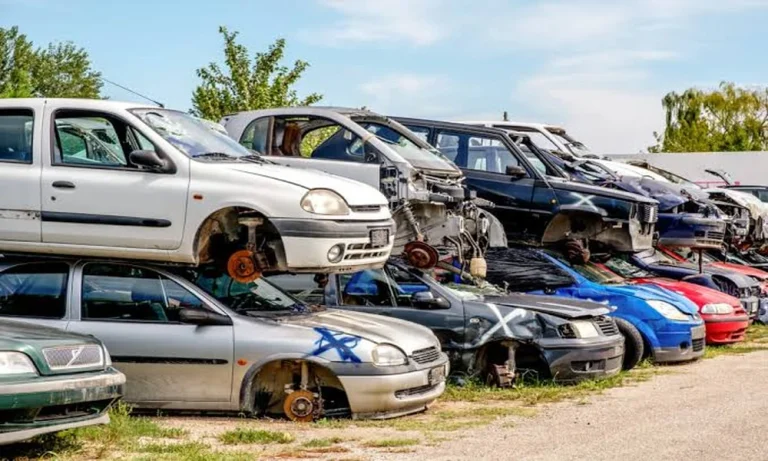
Most owners hand over the keys, sign a form and drive away in a taxi, with no idea what becomes of the vehicle afterwards. The answer is more industrial and more regulated than the word “scrapping” suggests. A car is not crushed the moment it arrives; it is drained, stripped, sorted and processed through several separate material streams. Understanding what actually happens after a scrap car singapore handover explains why the paperwork matters and why the metal is worth so little of the total.

Deregistration Comes First

Nothing is dismantled until the vehicle is legally removed from the register. The operator submits the deregistration to LTA, referencing the chassis number and the registration number, and the vehicle’s identity is retired. The number plates are removed and destroyed at this point, because a plate attached to a deregistered vehicle has obvious potential for misuse. Only once this is complete does the physical process begin, and the certificate you receive is the record of it.

Depollution

The first physical stage is removing everything hazardous or flammable. Fuel is drained from the tank and lines. Engine oil, gearbox oil, brake fluid, coolant and power steering fluid are each extracted into separate containers, because mixing them makes them unrecyclable. The battery is disconnected and removed. Air conditioning refrigerant is recovered rather than vented, since it is a controlled substance. Airbags and seatbelt pretensioners contain pyrotechnic charges and are either deployed under control or removed intact.

Parts Worth Reusing

Before the shell is broken up, anything with resale value is taken off. Alternators, starter motors, gearboxes, doors, tailgates, headlamp units, wing mirrors, alloy wheels and body panels all have a secondary market, particularly for older models where new parts are no longer supplied. Catalytic converters are removed separately because the platinum group metals inside them are genuinely valuable. This salvage stage is where the operator recovers most of the value from a vehicle, which is why a car with sought-after parts fetches more than an identical one that has been stripped.

Tyres, Glass and Batteries Go Their Own Way

Three components leave the vehicle on separate routes because none of them can go through a shredder usefully. Tyres are removed whole and processed into crumb rubber or fuel, since rubber neither melts down nor separates cleanly from steel belting inside a mixed stream. Laminated windscreen glass is bonded to a plastic interlayer and contaminates other glass recycling, so it is taken out before the body is crushed. Lead-acid batteries are among the most efficiently recycled items in the whole vehicle, with the lead, acid and casing each recovered separately. An operator handling these properly is one running a compliant facility.

Separating the Materials

What remains is a shell of mixed materials. Glass is removed, tyres are taken off for separate processing, and the interior is pulled out. The body is then flattened and shredded, and the shredded output is separated by machine: ferrous metal by magnet, non-ferrous metal such as aluminium and copper by eddy current, and the remaining plastics, foam and fabric as residue. Steel and aluminium recover cleanly and go back into industrial supply chains. The residue fraction is the hardest part of the vehicle to do anything useful with.

Export Instead of Destruction

Not every deregistered car is destroyed. Vehicles in reasonable condition are frequently exported to markets where a fifteen-year-old car still has a working life, which is why some offers exceed what the materials alone could justify. Export requires its own documentation and a defined processing route, and the rebate treatment is comparable to scrapping. If your car is being exported rather than dismantled, the paperwork should say so explicitly, and any reputable car disposal service will tell you which route it is taking.

Why the Metal Is Not Where the Money Is

A typical passenger car yields around a tonne of recoverable metal, and at prevailing scrap prices that is a modest sum. The bulk of what an owner receives comes from the PARF and COE rebates issued by LTA, not from the operator. This is worth understanding when comparing offers, because a dealer can appear generous while quietly retaining rebates that were never theirs. Ask which party receives each rebate and get the answer in writing.

The Documents You Should End Up Holding

After the process you should have a copy of the deregistration acknowledgement, a certificate confirming the vehicle was scrapped or exported, and a receipt for the payment made to you. Cancel your insurance and claim the unexpired premium, and confirm the road tax refund has been triggered. If season parking or an ERP-linked arrangement was tied to the vehicle, close those too. These loose ends are small individually and irritating collectively.

Choosing an Operator That Does It Properly

Ask whether the company is LTA-appointed, where the physical processing takes place, and how quickly deregistration is filed after handover. Ask what happens to the fluids and the refrigerant, because an operator who can answer that is one running a compliant facility. A well-run scrap car singapore operation will explain the whole chain without being pressed, and will pay you at handover rather than after the vehicle has already left your hands.

No matter what kind of junk car you have, it’s taking up space you don’t have enough of anyway. Whether your car needs repairs that aren’t worth the cost, has suffered serious bodywork, or simply has some sort of mechanical issue that makes it a headache, you might want to sell it instead of just letting it rot. But how do you get Cash For Junk Cars Akron Ohio without doing all that annoying work? Read on to find out how to sell a junk car without breaking a sweat.

What Constitutes a Junk Car?

It doesn’t have to be totally trashed to be a junk car. Most of the time, “junk car” refers to anything where the cost of fixing it is equal to or higher than the value of the car itself.

This includes cars with blown engines, blown transmissions, or cars that have been through a major accident. Other examples include cars with major floods, missing parts, or just years of wear and tear. Any old car that’s not running well can still be considered a junk car even if the body is in good shape.

Compare the cost of repairs versus the value of the car once it’s fixed. Don’t forget to add in the cost of future maintenance, registration, insurance, and towing. It might actually be worth more to sell your car right now than fix it up.

What Factors Determine the Cash Price of Your Junk Car?

The price of a junk vehicle depends on more than just the age and mileage. A potential buyer may consider whether your car is repairable, salvageable for parts, or only valuable for scrap metal.

There are several other factors that go into determining the price of your junk car:

  • Make, model, and year of manufacture
  • Mechanical and body condition
  • Presence of the engine and transmission
  • Market for used parts
  • Weight and scrap value
  • Location and accessibility
  • Presence of the title

Be honest when describing your vehicle. If you claim that your junk car runs perfectly, but you’ve told them it’s not working, they might reduce the offer when they see it in person. Accurate descriptions and photos can help you get an accurate appraisal faster.

Before You Sell Your Junk Car

First things first, make sure there isn’t anything important left inside the vehicle. Check the glove compartment, trunk, center console, seats, and under the seats. Any paperwork left in the car could contain your personal information (https://en.wikipedia.org/wiki/Personal_data), so you should either keep it or throw it away.

You’ll also want to remove any toll passes or transponders. You may need to cancel any accounts tied to the car depending on local laws. Depending on your local regulations, you may need to remove the license plates from the car before or after the sale.

Make sure you have the title and any other paperwork required to prove ownership. If you don’t have the title, find out how to replace it before making an appointment. You should also ask potential buyers what papers they’re willing to accept.

Shop Around for the Best Price

Sometimes the highest offer isn’t the best offer. Find out if the buyer is covering towing costs, when you’ll get paid, and if there are any fees that could be taken out of your final offer.

Here’s what you want to ask any potential buyer when comparing cash for junk cars:

  1. Is the price you quoted based on the description I gave?
  2. Does the quoted price include towing the car away?
  3. When will I get my money?
  4. Is this buyer legal and licensed?
  5. Will you provide me with the necessary paperwork?

If the buyer is pressuring you to make a decision quickly or is reluctant to answer questions about paperwork, it’s probably a sign you should look elsewhere. There shouldn’t be any confusing language or hidden fees in a legitimate car buyback deal.

Make Sure the Tow Truck Can Pick Up the Car

It goes without saying, but make sure the junk car you’re selling is somewhere the tow truck can pick it up. You’ll need to open the gate, move other vehicles out of the way, and let the tow truck driver know if there are any obstacles like flat tires, missing wheels, or a dead battery.

Make sure you understand the paperwork you’re signing, know what you’re getting paid, and keep copies of everything. You should complete any ownership transfer or registration cancellation paperwork (check for more info) as soon as possible after the junk car is picked up. That way, you don’t have to worry about any parking tickets, registration fees, or liability if the car ends up being used for something illegal.

Turn a Problematic Car into Cash

It’s often a good idea to sell a junk car to get rid of an eyesore and stop paying for things like registration and insurance. Just be sure to accurately describe the condition of your vehicle, gather all the necessary paperwork, and shop around for the best price. With a little preparation, selling a junk car is easy.

A polished exterior says plenty before an engine starts. Small flaws often shape first impressions faster than expected. Buyers notice uneven finishes without careful inspection. Smart owners address surface issues before larger concerns develop. Good restoration protects appearance while preserving important structural elements. Choosing a trusted auto body shop in OKC helps maintain original quality through accurate craftsmanship instead of temporary cosmetic fixes.

How Does Precision Restoration Protect Investment?

Body restoration covers far more than fresh color. Skilled technicians inspect each affected section carefully first. Hidden distortion often remains beneath visible marks. Careful measurements guide every correction from beginning onward. Each adjustment restores proper alignment across surrounding panels. As a result, doors close smoothly and body lines remain even. Those details strengthen confidence during future ownership transfers.

Fresh paint alone cannot solve deeper concerns. Solid preparation creates lasting finishes across repaired surfaces. Moisture cannot easily reach protected metal afterward. Proper sealing reduces corrosion risks through changing weather. Early attention saves larger expenses later because neglected defects expand gradually.

Surface Quality Shapes Future Market Appeal

Exterior condition influences resale discussions every single time. Clean finishes reflect responsible ownership across previous years. Scratches, chips, and dents suggest delayed maintenance instead. Strong workmanship creates confidence before price conversations begin.

Key indicators include:

  • Smooth panel alignment throughout.
  • Accurate color blending.
  • Clean trim positioning.
  • Even surface texture.
  • Secure protective coating.

Each feature contributes lasting visual consistency without drawing unnecessary attention toward earlier repairs.

Why Skilled Repairs Deliver Better Results

Experience changes repair outcomes more than expensive equipment alone. Trained specialists evaluate hidden impact before replacing components. Careful planning prevents avoidable mistakes during restoration work. Every corrected section supports surrounding body strength naturally.

Selecting an experienced auto body shop in OKC provides access to modern repair methods. Factory repair standards guide every important step. Correct welding strengthens affected areas without unnecessary replacement. Precise refinishing restores original character across neighboring panels. Consequently, future buyers recognize careful workmanship through consistent exterior presentation.

Small Defects Can Become Bigger Problems

Tiny chips rarely remain harmless forever. Rainwater reaches exposed metal through damaged finishes. Corrosion begins quietly beneath surrounding coatings. Rust then spreads beyond original affected locations. Repair costs increase because replacement becomes unavoidable.

Prompt action limits future complications effectively. Well-restored sections resist weather through proper surface protection. Owners avoid repeated corrective work after early treatment. Sensible maintenance protects value across changing driving conditions.

Helpful habits include:

  • Wash road salt promptly.
  • Inspect paint regularly.
  • Remove debris carefully.
  • Fix chips early.

Simple attention reduces unnecessary deterioration across vulnerable exterior areas.

Precision Leaves a Lasting Impression

Vehicle value reflects careful decisions across every ownership stage. Accurate panel alignment, dependable corrosion protection, and seamless refinishing create meaningful differences years later. Buyers notice those details because they reveal genuine care instead of rushed repair work. Precision restoration preserves more than appearance. It safeguards confidence whenever ownership changes hands, making thoughtful craftsmanship worthwhile long after the original repair ends.

FAQs

Does minor body damage affect resale value?
Yes. Small imperfections influence buyer confidence before mechanical condition receives attention.

Why should paint chips receive prompt repairs?
Exposed metal attracts moisture, allowing corrosion to develop beneath surrounding coatings.

Can accurate paint matching increase vehicle appeal?
Yes. Consistent color creates a factory-like appearance across repaired sections.

What separates quality restoration from quick cosmetic repairs?
Careful alignment, durable materials, and precise finishing deliver dependable long-term results.

Ceramic coating is often sold through gloss, but experts usually evaluate it through maintenance. The real question is whether the paint is ready, whether the owner will wash the vehicle properly, and whether the coating solves the right problem.

Criterion One: Paint Readiness

A coating is not a magic eraser. If the paint has contamination, dullness, or defects, those issues should be assessed before a protective layer is applied.

The SRS page for ceramic coating in Vaughan describes coating as a way to preserve paint and enhance shine. That works best after the surface has been cleaned and inspected.

Criterion Two: Cleaning Expectations

The regional ceramic page emphasizes a hydrophobic surface and easier washing. That does not mean the vehicle becomes maintenance-free. It means the maintenance routine can become more manageable when the owner follows the right habits.

Buyers should ask how soon to wash, what products to avoid, and how the finish should be inspected later.

Criterion Three: The Role of Other Protection

Ceramic coating and PPF do different jobs. Film helps with impact-prone areas; coating supports cleaning, gloss, and surface behavior. A vehicle may need one, both, or neither depending on use.

Drivers comparing ceramic coating in Mississauga and Vaughan should decide whether they are solving paint impact, finish maintenance, or both.

The Best Fit Is Practical

Coating fits owners who care about keeping the car easier to clean and more consistent in appearance. It is less convincing when the vehicle is neglected or when the owner expects film-like impact protection.

The strongest ceramic coating decision starts with maintenance reality, then considers gloss. That order leads to fewer surprises.

Your vehicle requires proper care. Many drivers overlook tiny components under the hood. However, small parts keep everything running smoothly. The spark plug is one crucial element. It provides the essential fire for fuel ignition. This little part impacts overall vehicle performance significantly. Regular checkups ensure your car stays healthy. Prompt attention prevents unexpected breakdowns on busy roads. Consistent maintenance ultimately saves money and time. You must monitor your vehicle condition closely.

The Function of Spark Plugs

Sometimes, drivers do not notice early warning signs. But a failing spark plug changes engine sounds. It creates the tiny electrical arc for combustion. This spark ignites the compressed fuel mixture inside. Now, your engine relies heavily on this process. Without a strong spark, fuel burns unevenly. The car might shake during idle moments. You will feel a sudden loss of power. Acceleration becomes slow and frustratingly sluggish. Therefore, clean spark plugs are absolutely vital. The professional team at Wewerized Diesel understands this mechanism well. They inspect the electrical connections thoroughly during service.

Signs of Plug Wear

The spark plug degrades slowly over time. Carbon deposits build up on the metal tip. Consequently, the electrical gap widens too much. This gap requires more voltage to cross. The ignition system strains under this extra pressure. So, you might experience frequent engine misfires. The vehicle hesitates when you press the gas. Sometimes, the check engine light flashes brightly. This warning indicates a serious internal issue. You should never ignore these clear signals. Routine maintenance stops major damage before it starts. Experienced technicians at Wewerized Diesel identify these worn components quickly. They replace the bad parts with precision.

The Value of Inspections

Now, regular vehicle inspections offer huge benefits. A comprehensive checkup uncovers hidden mechanical problems. Mechanics examine the entire engine bay carefully. They look for worn belts and leaky hoses. This preventive care extends your car lifespan. You avoid expensive emergency repairs down the road. Small adjustments keep the system balanced perfectly. Thus, scheduling regular checkups protects your investment. Safe driving depends on reliable vehicle parts. Your family deserves a secure and stable ride. Professional mechanics handle these crucial inspections with care. They ensure every single system functions correctly.

Choosing Professional Help

You need a dependable service provider for assistance. Finding quality care transforms your ownership experience. For excellent support, choose Diesel Repair in Jonesboro, AR services. Expert mechanics use advanced diagnostic tools for accuracy. They locate the exact source of trouble easily. Proper tools prevent damage to delicate engine threads. But DIY attempts often lead to costly mistakes. Certified professionals install the correct plug type every time. This precision guarantees optimal engine performance and efficiency. So, trusting experts is the smartest choice. The dedicated team at Wewerized Diesel provides exceptional automotive solutions. They maintain high standards for every vehicle inspection.

Window tinting is more than just a cosmetic upgrade. It provides valuable protection for both your vehicle and your driving experience. If you’re considering window tinting, the short answer is yes-it can help reduce heat, block harmful UV rays, improve privacy, and protect your vehicle’s interior from long-term damage.

Whether you drive a daily commuter, an exotic sports car, a classic vehicle, or a luxury SUV, quality window tinting offers benefits that go far beyond appearance.

Key Takeaways

  • Window tinting helps reduce heat inside your vehicle.
  • It blocks harmful UV rays that can damage interiors and skin.
  • Tinted windows improve privacy and security.
  • Quality window films help preserve your vehicle’s value.
  • Professional installation delivers better performance and longevity.

How Window Tinting Reduces Heat

One of the biggest advantages of window tinting is heat reduction. Direct sunlight can quickly raise cabin temperatures, especially during the warmer months.

Modern window films are designed to reject a significant amount of solar heat before it enters your vehicle. This helps keep the interior more comfortable and reduces the strain on your air conditioning system.

For owners of luxury, exotic, and classic vehicles, minimizing heat exposure can help preserve delicate interior materials for years to come.

Protection From Harmful UV Rays

Many drivers are surprised to learn that prolonged exposure to ultraviolet (UV) rays can damage vehicle interiors. Leather seats, dashboards, trim pieces, and upholstery can fade, crack, or deteriorate over time.

Professional window tinting can block up to 99% of harmful UV rays, helping maintain the appearance and condition of your vehicle. It also provides an added layer of protection for passengers by reducing UV exposure during daily driving.

Improved Privacy And Security

Tinted windows make it more difficult for outsiders to see valuables inside your vehicle. While window tint should never replace common-sense security practices, it can serve as an additional deterrent against opportunistic theft.

Privacy is especially valuable for owners transporting expensive equipment, collectibles, or personal belongings.

Preserving Your Vehicle’s Appearance

The sun can be relentless. Over time, continuous exposure can cause interior surfaces to fade and age prematurely. This can negatively impact resale value and overall vehicle presentation.

At Skyway Motorspace™, we understand how important vehicle preservation is. As a high-end facility dedicated to the care and protection of unique, exotic, classic cars, and vintage motorcycles, we regularly help owners maintain their vehicles through services such as window tinting, detailing, ceramic coatings, paint protection film, and more. For owners looking to enhance their vehicle’s appearance, we also offer options that can create a sleek, refined smoked taillight look while complementing the overall style of the vehicle.

Conclusion

Investing in professional window tinting is one of the simplest ways to improve comfort, protect your interior, and enhance your vehicle’s appearance. From reducing heat and UV exposure to increasing privacy, the benefits are clear. Whether you own a modern luxury vehicle or a cherished classic car, quality window tint can provide long-term value and protection.

Frequently Asked Questions

1. How long does window tint last?

High-quality window tint can last 10 years or more when professionally installed and properly maintained.

2. Does window tint reduce heat inside the vehicle?

Yes. Modern window films can significantly reduce heat by blocking solar energy before it enters the cabin.

3. Can window tint protect leather seats?

Yes. Window tint helps block UV rays that can cause leather and other interior materials to fade and crack.

4. Is professional installation worth it?

Absolutely. Professional installation helps prevent bubbling, peeling, and uneven application.

5. Does window tint improve privacy?

Yes. Tinted windows make it harder for people to see inside your vehicle, increasing privacy and security.

This post was written by a professional at Skyway Motorspace. Skyway Motorspace is a premier automotive facility offering secure vehicle storage, expert detailing, and precision maintenance services in the Tampa Bay area. Our mission is to provide an unmatched level of care for every vehicle, combining advanced technology, skilled technicians, and a passion for excellence. Whether you own an exotic car, classic, or daily driver, our state-of-the-art facility ensures your vehicle receives the attention it deserves. For drivers searching for detailing in Manatee County, our facility delivers high-quality protection solutions designed to preserve your vehicle’s finish and value. Choose Skyway Motorspace – where automotive excellence and personalized service meet.

The global transition toward electrification is reshaping industries and creating new demands for high-performance electric motors. From electric vehicles and industrial automation systems to renewable energy technologies, manufacturers are seeking motor solutions that offer greater efficiency, higher power density, and improved reliability. One innovation that has emerged as a game-changer in this field is motor hairpin winding.

Over the past decade, hairpin windings have become increasingly popular due to their ability to improve motor performance while supporting automated manufacturing processes. As industries continue to adopt advanced electric motor technologies, the importance of hairpin winding systems is expected to grow significantly. Understanding their current applications and future potential provides valuable insight into the evolution of modern motor manufacturing.

Understanding Motor Hairpin Winding

Traditional motor winding methods typically use round copper wire arranged within stator slots. While this approach has served the industry well for many years, it presents limitations in terms of copper utilization and electrical efficiency.

Motor hairpin winding utilizes rectangular copper conductors that are precisely formed into hairpin-shaped structures before being inserted into the stator. After insertion, the conductors are twisted and welded together to complete the winding assembly.

This design allows manufacturers to achieve a higher slot fill factor, meaning more copper can be placed inside the stator slots. Increased copper density reduces electrical resistance, improves thermal performance, and enhances overall motor efficiency.

These advantages have made hairpin winding technology one of the most important developments in modern electric motor production.

Why Hairpin Windings Are Gaining Popularity

The growing popularity of hairpin windings is largely driven by the increasing demand for energy-efficient motors. Modern industries require motors that deliver maximum performance while minimizing energy consumption.

The structured design of hairpin conductors improves electrical conductivity and reduces power losses. Better heat dissipation also allows motors to operate at higher power levels without compromising reliability.

In addition, hairpin winding technology is highly compatible with automated manufacturing systems. Precision forming, insertion, and welding processes can be performed using advanced robotic equipment, resulting in consistent quality and improved production efficiency.

These benefits make hairpin winding an attractive solution for manufacturers seeking to meet increasingly demanding performance standards.

Electric Vehicle Applications

One of the most significant applications of motor hairpin winding is in the electric vehicle industry. EV manufacturers continuously work to improve vehicle range, performance, and efficiency while reducing overall system weight and size.

Hairpin-wound motors offer several advantages that directly support these goals. Their higher slot fill factor increases motor efficiency, helping reduce energy consumption and extend driving range. Improved thermal management allows motors to operate effectively under demanding conditions such as rapid acceleration and sustained high-speed operation.

Many leading automotive manufacturers have adopted hairpin winding technology for their next-generation electric drive systems. As global EV adoption continues to expand, demand for hairpin-based motor production is expected to increase substantially.

The automotive sector is likely to remain one of the largest users of hairpin winding technology for years to come.

Industrial Automation and Manufacturing Equipment

Industrial automation represents another important application area for hairpin winding technology. Factories increasingly rely on electric motors to power robotic systems, conveyor equipment, machine tools, and automated production lines.

Energy efficiency is a major priority in industrial environments, where motors often operate continuously for extended periods. Hairpin windings help reduce energy losses, resulting in lower operating costs and improved system performance.

The enhanced reliability and thermal characteristics of hairpin-wound motors also contribute to reduced maintenance requirements. Manufacturers benefit from greater productivity and improved equipment uptime.

As smart factories and Industry 4.0 technologies continue to evolve, the demand for high-efficiency motors incorporating advanced winding solutions is expected to grow steadily.

Renewable Energy Systems

The renewable energy sector is another area where hairpin winding technology plays an increasingly important role. Wind turbines, energy storage systems, and other renewable energy applications require motors and generators capable of delivering reliable performance under challenging operating conditions.

Hairpin windings help improve generator efficiency by reducing electrical resistance and optimizing copper utilization. Better thermal performance supports continuous operation while maintaining reliability over long service periods.

As governments and businesses invest heavily in sustainable energy infrastructure, demand for efficient motor and generator technologies will continue to increase. Hairpin winding solutions are well positioned to support these evolving requirements.

The renewable energy industry’s focus on efficiency and sustainability aligns closely with the advantages offered by hairpin winding technology.

Aerospace and Advanced Mobility Applications

Emerging mobility technologies are creating new opportunities for advanced motor designs. Electric aircraft, urban air mobility systems, drones, and other next-generation transportation solutions require lightweight and highly efficient motors.

Hairpin winding technology contributes to higher power density, enabling manufacturers to produce compact motors that deliver substantial performance. This characteristic is particularly valuable in aerospace applications where every kilogram matters.

As electric aviation and advanced mobility sectors continue to develop, hairpin winding is expected to play an increasingly important role in achieving performance and efficiency targets.

The ability to combine compact size with high output makes this technology attractive for many future transportation platforms.

Manufacturing Advantages of Hairpin Windings

Beyond performance improvements, hairpin windings offer significant manufacturing benefits. Their structured design is well suited for automated production environments, enabling high levels of consistency and repeatability.

Advanced robotic systems can perform conductor forming, insertion, twisting, and welding operations with exceptional precision. Automated quality control processes further enhance production reliability.

Manufacturers benefit from reduced labor requirements, faster production cycles, and improved product consistency. These advantages are especially important in high-volume industries such as automotive manufacturing.

As automation technologies continue to advance, the production efficiency associated with hairpin winding systems is expected to improve even further.

Future Innovations in Hairpin Winding Technology

The future of hairpin winding technology is closely tied to ongoing advancements in motor design and manufacturing automation. Researchers and equipment manufacturers are continuously developing new methods to improve efficiency, reduce production costs, and enhance overall performance.

Artificial intelligence and machine learning are increasingly being integrated into manufacturing systems to optimize production processes and improve quality control. Predictive maintenance technologies can help identify potential equipment issues before they affect productivity.

Advancements in welding techniques, conductor materials, and cooling system designs are also expected to further improve the capabilities of hairpin-wound motors.

As these innovations mature, hairpin winding technology will become even more effective and accessible across a wider range of industries.

Challenges and Opportunities Ahead

Despite its many advantages, hairpin winding technology still presents certain challenges. The manufacturing process requires specialized equipment, advanced automation systems, and highly precise welding operations.

Initial investment costs can be higher compared to traditional winding methods. However, these costs are often offset by improved efficiency, higher productivity, and better motor performance over time.

As production technologies continue to evolve and economies of scale improve, many of these barriers are expected to diminish. This creates significant opportunities for broader adoption across industries that have not yet fully embraced hairpin winding solutions.

The ongoing push toward electrification will continue to drive innovation and investment in this area.

Conclusion

The demand for high-performance electric motors is growing rapidly across automotive, industrial, renewable energy, and aerospace sectors. Motor hairpin winding has emerged as one of the most effective technologies for meeting these evolving requirements.

Through improved efficiency, higher power density, enhanced thermal management, and compatibility with automated production systems, hairpin windings offer substantial advantages over traditional winding methods. These benefits have already made the technology a key component in many advanced motor applications.

Looking ahead, continued innovation in manufacturing, materials, and automation will further strengthen the role of hairpin winding technology. As industries pursue greater efficiency and sustainability, hairpin winding systems are expected to remain at the forefront of electric motor development for years to come.

Fuel filters control engine power delivery daily. You feel smooth acceleration when fuel is clean. Now engine performance depends on steady fuel flow. Sometimes, dirt disrupts combustion and power output. But proper filtration maintains consistent engine strength always. The system requires clean fuel for stable performance. So, driving comfort improves with proper filtration care. Modern engines need precise fuel delivery systems. EAS Tire & Auto service ensures stable fuel system operation. Proper fuel flow improves driving reliability greatly. So, engine power remains steady on roads.

Fuel Flow Consistency and Engine Stability

Fuel flow consistency ensures stable engine power. So, performance remains balanced during driving conditions. Now blocked filters reduce fuel pressure levels. Sometimes, uneven flow causes weak acceleration response. But clean filters restore proper fuel delivery. Engine systems depend on uninterrupted fuel supply. So, stability improves with proper filtration care. Modern engines require precise fuel regulation always. Now smooth flow supports consistent combustion cycles. Now Auto Repair in Littleton, Co service ensures proper fuel system maintenance. Sometimes, clogged filters reduce engine power quickly. But clean systems restore performance effectively.

Direct Impact on Acceleration Performance

Clean filters improve acceleration performance significantly. So, engine response becomes quick and smooth. Now fuel reaches engine without delay issues. Sometimes, clogged systems slow down acceleration speed. But replacement restores proper fuel flow always. Power delivery depends on clean fuel systems. So, performance improves with timely maintenance care. Modern engines require accurate fuel injection timing. Now clean filtration supports strong acceleration output. Regular service improves driving responsiveness effectively daily. EAS Tire & Auto maintenance ensures better engine acceleration control. So, driving feels powerful and consistent always.

Preventing Power Loss During Driving

Fuel filters prevent sudden power loss effectively. So, engine performance stays stable during travel. Now contamination reduces fuel efficiency quickly. Sometimes, vehicles lose power without warning signs. But clean systems maintain steady fuel delivery. Engine power depends on proper filtration support. So, reliability improves with regular maintenance care. Modern vehicles require uninterrupted fuel supply systems. Now smooth flow prevents performance drops easily. Routine inspection improves overall engine stability greatly.

Long Term Engine Power Reliability

Fuel filters ensure long term power reliability. So, engine performance stays stable over time. Now dirt increases internal system wear slowly. Sometimes, unnoticed blockage reduces power efficiency gradually. But regular maintenance prevents long term damage. Engine systems require clean fuel supply always. So, durability improves with proper filtration care. Modern engines operate under strict performance demands. Now clean fuel supports lasting engine strength. Maintenance routines improve overall reliability greatly always.

Conclusion

Fuel filters ensure consistent engine power delivery. Performance remains stable under all conditions. Now clean fuel supports smooth combustion systems. Sometimes, blockage reduces engine efficiency quickly. But proper maintenance restores performance effectively always. Driving becomes smoother with clean fuel flow. The Auto Repair in Littleton, Co service ensures consistent maintenance support.