Author

Latosha D. Adams

Browsing

I’ve been around the aftermarket wheel and tire industry long enough to know how difficult it is to find a reliable source online. I’ve tested options, compared specs, and learned what makes one company worth recommending over another. I don’t throw out names casually. If I bring up a specific provider, it’s because I’ve vetted their product selection, convenience, and overall reputation. That’s why I suggest you take a serious look at Dually Shop.

How I Narrowed It Down

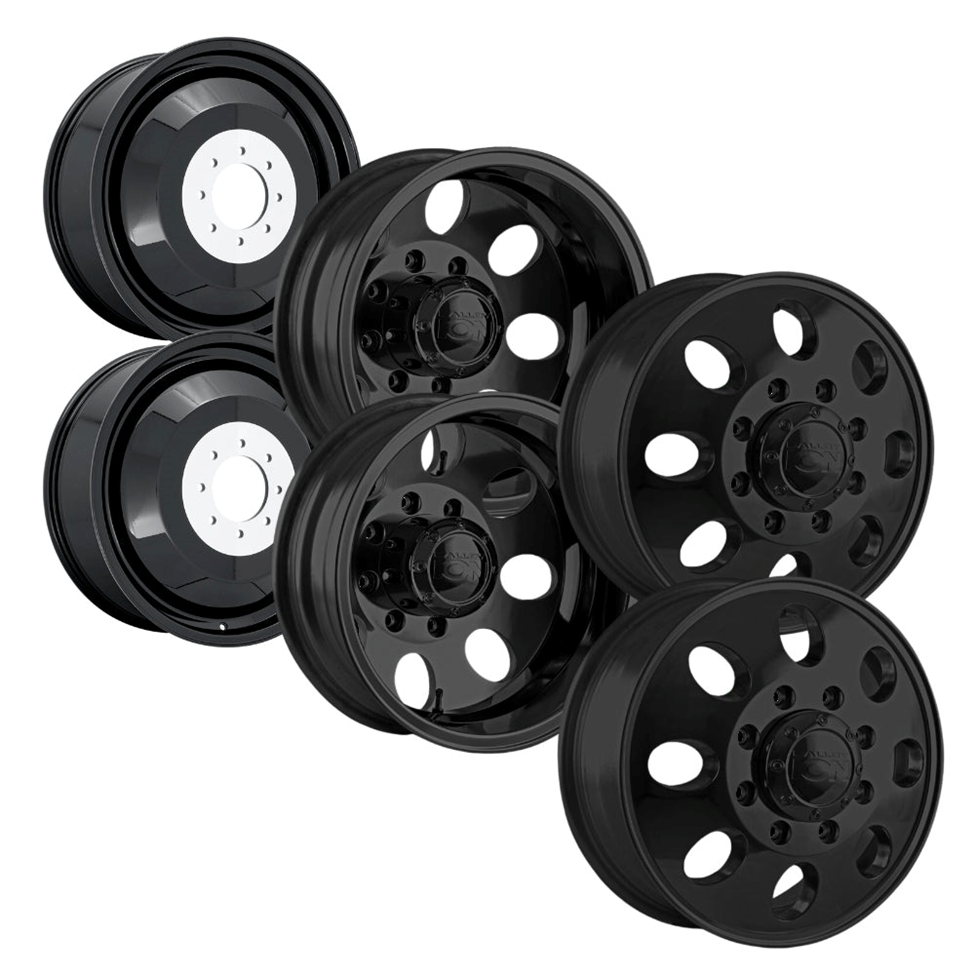
When I recommend a company, I look for three key things: selection, quality, and customer-focused options. Many online retailers carry wheels, but very few focus specifically on dually trucks. Dually Shop stands out because they’ve built their entire business around these trucks and their unique requirements. They carry direct bolt wheels for Ford, Ram, and GM models, plus complete wheel and tire packages that save you from piecing things together on your own.

The Real Benefit to You

If you’ve ever tried ordering wheels online, you know how risky it can be. Wrong size. Wrong offset. Shipping delays. By working with a source like Dually Shop, you cut down those risks significantly. Their focus on dually wheels means you’re not wasting time digging through irrelevant products. Their packages also come mounted, balanced, and with TPMS installed, so you can bolt them on and be road-ready without a hassle.

What Sets Dually Shop Apart

Here’s the deal. Most online wheel sellers are generalists. They’ll stock everything from compact car rims to oversized off-road sets. Dually Shop built their brand on a niche, and it shows. Their inventory is one of the largest dedicated collections of dually wheels and tire packages you’ll find online. They also work with tire brands like Toyo and Nitto, which are names I trust for durability and performance. That combination of quality wheels with proven tires creates packages that you know will last.

Packages That Make Sense

One of the biggest headaches for truck owners is piecing together wheels and tires that actually work well together. It’s not just about size; it’s about load ratings, balance, and long-term reliability. Dually Shop’s wheel and tire packages solve this problem by including everything you need upfront. Mounting and balancing are handled before shipping, and they make sure the setup matches your truck’s requirements. That kind of attention to detail saves you time and money.

Beyond Wheels and Tires

I also pay attention to whether a company can be a one-stop solution. Dually Shop doesn’t only stock wheels and tires. They also carry accessories designed to enhance your truck’s functionality and appearance. That means if you want to upgrade styling or add components that improve performance, you can handle it all in one place instead of bouncing between multiple retailers.

Why I Recommend Them Over Others

At the end of the day, I recommend Dually Shop because they focus on what matters to you as a truck owner: reliability, compatibility, and convenience. I’ve seen enough options online to know how rare it is to find a marketplace that combines all three. You can order with confidence knowing you’re not guessing. That’s why I’d suggest starting your search with them if you’re serious about upgrading or replacing your dually wheels.

Final Thoughts

Upgrading your truck’s wheels or investing in a full wheel and tire package doesn’t need to be stressful. With Dually Shop, you get a focused selection, trusted tire brands, and pre-assembled packages that simplify the entire process. If you want a dependable option that puts your needs first, they’re worth your time.
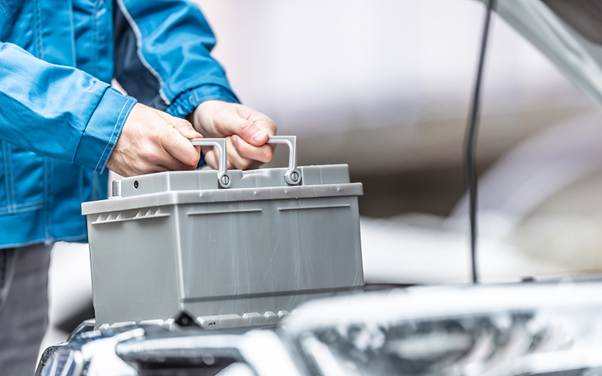

Car battery failure can occur unexpectedly, whether you’re in a subterranean parking lot, on the motorway, or just getting ready for the day. Drivers are often faced with a quick decision at that moment: try to jumpstart the car themselves or contact a professional emergency battery service. While both solutions seek to restore mobility, they have vastly different implications in terms of safety, speed, and reliability.

Discover the practical trade-offs between handling the issue yourself and relying on a trained car battery road rescue team.

Is DIY Jumpstarting Riskier Than You Think?

Jumpstarting a car might seem straightforward, but it carries several risks if not executed properly. Misconnecting jumper cables can damage both vehicles’ electrical systems, spark battery explosions, or even cause physical injuries. Modern cars, especially newer models with advanced electronics, are particularly vulnerable to voltage surges during a manual jumpstart. Furthermore, many drivers lack the proper training or confidence to identify the battery terminals correctly or manage the equipment safely in poor weather or at night.

On the other hand, car battery road rescue teams are trained professionals equipped with insulated tools, voltage regulators, and safety gear to prevent accidents. These technicians assess the battery condition before applying power, reducing the chance of damaging the onboard systems. In short, if safety is your top priority, emergency battery service offers far lower risk and greater peace of mind than DIY methods.

Which Option Gets You Back on the Road Faster?

At first glance, a DIY jumpstart may appear quicker—assuming you already have jumper cables and a second car available. However, that’s rarely the case when breakdowns happen unexpectedly. Most drivers find themselves stranded with no tools or support vehicles nearby. In contrast, emergency battery service providers typically promise arrival within 30 to 45 minutes. These mobile units are designed for fast diagnostics and immediate action, often getting your car restarted within minutes upon arrival.

What further slows down a DIY attempt is the lack of certainty. Once the issue is more than just a drained battery, such as a faulty alternator or a damaged battery terminal, you’ll end up wasting precious time before calling for help anyway. Emergency technicians can identify problems on the spot, either fixing them or advising the next best step without unnecessary delays.

Reliability and Long-Term Outcomes

One of the primary drawbacks of jumpstarting your car manually is that it doesn’t solve the underlying issue. Even if you succeed in starting your car, a weak or ageing battery may fail again within hours. You have no way of knowing whether the battery just needs a recharge or full replacement without proper testing equipment. However, professional emergency battery service providers carry diagnostic tools that measure the battery’s remaining life and alternator performance. Once the battery is beyond recovery, they can often install a new one on-site—saving you from further breakdowns later in the day.

Moreover, reputable car battery road rescue teams offer warranties for the new battery installed, giving you the confidence of a long-term fix. In contrast, you risk damaging the vehicle or installing an incompatible battery if you attempt a replacement without guidance.

What’s Worth Paying For?

DIY jumpstarts may seem more cost-effective on the surface, especially if you have the equipment and know-how. But when you factor in potential damages, failed attempts, time lost, and the absence of guarantees, the actual cost could be much higher. Emergency battery services charge a flat fee, which usually includes diagnostics, labour, and a warranty-backed battery replacement if needed. Given the speed, professionalism, and safety involved, this service delivers better value overall, particularly for drivers with tight schedules or limited mechanical knowledge.

Conclusion

Choosing between DIY jumpstarting and emergency battery service depends on risk tolerance and practical access to materials and support. While a DIY approach may work in perfect circumstances, it entails significant risk and uncertainty. Car battery road rescue services offer a safer, faster, and more dependable solution, particularly in high-density locations where time and safety are critical.

Contact Battery Tyre Road Rescue and don’t risk damaging your vehicle with a DIY jumpstart.

Entering the car market in Singapore can feel like stepping into a minefield of hidden fees, tightly packed regulations, and fast-moving stock. Yet with the right know-how, mastering the process doesn’t have to drain your wallet. One increasingly practical route is working with a parallel car importer in Singapore, a channel that opens doors to competitive models and pricing unavailable through authorised dealerships. However, this approach still calls for careful planning and awareness.

Here’s a practical guide to help you get started and stay in control of your purchase, all without spending more than necessary.

Understand What a Parallel Importer Offers

Before diving into comparisons, take time to understand how parallel importers operate. Unlike authorised dealers, they source vehicles directly from overseas markets and bring them in independently. This can widen your choice of models and trim levels, but it also shifts some responsibilities to you as the buyer. You’ll need to assess their service history, warranty terms, and after-sales support. In short: you’re not just buying a car, you’re choosing a partner in the process.

Compare Total Costs, Not Just Sale Prices

One of the most frequent mistakes buyers make is fixating on the listed price alone. While some cars may appear more affordable upfront, the final bill can vary once you include COE, insurance, road tax, and registration. Parallel importers often structure packages differently, so request a detailed breakdown of what’s included. By doing this, you’ll be able to compare actual costs more accurately and sidestep unwanted surprises later.

Be Flexible with Car Model and Colour Options

One way to save is by being open to different vehicle specifications. Importers often get better pricing when shipping multiple units of the same model or trim, especially if they match popular demand. You might not get your dream shade or sunroof, but you’ll likely get a better deal overall. If you’re working to a budget, flexibility here can stretch your money further.

Check Warranty Coverage and Aftercare Support

One area where parallel imports differ most from authorised routes is after-sales service. Some importers provide in-house maintenance packages, while others outsource servicing to independent workshops. Make sure the warranty covers major systems like the engine, transmission, and electrical components. If there’s ambiguity, ask for it in writing. You’ll want assurance that post-purchase issues won’t cost more than the savings you thought you’d made.

Choose a Reputable Importer with Transparent Practices

Don’t rush into the first appealing listing you see. A reputable parallel car importer in Singapore should offer documentation on vehicle history, clear terms, and full transparency with COE bidding processes. Look for online reviews, visit the showroom if possible, and ask questions that test their knowledge. An importer with nothing to hide will explain the procedures clearly, without resorting to vague promises or evasive responses.

Research the Market Value of Similar Models

Arm yourself with knowledge by checking how much the same model costs across different platforms. Look at recent COE trends and fluctuations in the exchange rate, especially if the vehicle is being sourced from Japan or the UK. This gives you leverage to negotiate when reviewing car deals in Singapore. A good grasp of average values can also prevent you from overpaying during periods of price instability.

Avoid COE Bidding on Your Own

While technically allowed, bidding for your Certificate of Entitlement independently is risky unless you’ve studied the process in depth. Many importers include COE handling as part of their service, and their bulk bidding tends to result in more favourable rates. Let them manage this aspect, but do ask to see how the bidding is handled and request receipts or confirmations once complete.

Consider Financing Options Beyond the Importer

Some buyers assume they must take financing from the same company handling the car import. This isn’t the case. Banks and third-party lenders may offer lower interest rates or more flexible terms. Once you’ve confirmed the total car price, shop around for loan options. Even a half-point difference in interest can make a significant difference across several years of repayment.

Ask About Fuel Economy and Road Suitability

Imported vehicles sometimes come with features or specifications not optimised for Singaporean road conditions or fuel quality. Make sure the vehicle is compatible with local driving environments, especially when it comes to hybrid or high-performance models. Confirm the fuel grade required and check if the importer can provide servicing or spare parts suitable for the region.

Keep Paperwork and Communication in One Place

Organisation matters throughout this process. Maintain a file (physical or digital) with copies of your purchase agreement, warranty documents, COE bid results, and import certificates. Clear records help resolve any future disputes and ensure smoother interactions with insurance providers, LTA, or servicing workshops. It’s a simple step that could save hours of hassle later.

Buying a car in Singapore need not involve bloated budgets or endless compromises. Focus on clarity, value, and preparation rather than surface-level promotions.

Contact Venture Cars to explore practical options and discover how to maximise your vehicle investment through experienced importing services.

Buying a new car is an exciting experience—shiny paint, flawless finish, and that unmistakable new car feel. Naturally, you want to keep it looking pristine for as long as possible. That’s where paint protection film (PPF) comes in. Often referred to as “clear bra,” this nearly invisible layer serves as a first line of defense against road hazards and environmental damage. Applying it immediately after purchasing your vehicle can make a significant difference in preserving its value and appearance.

What Is Paint Protection Film?

A Durable, Transparent Shield

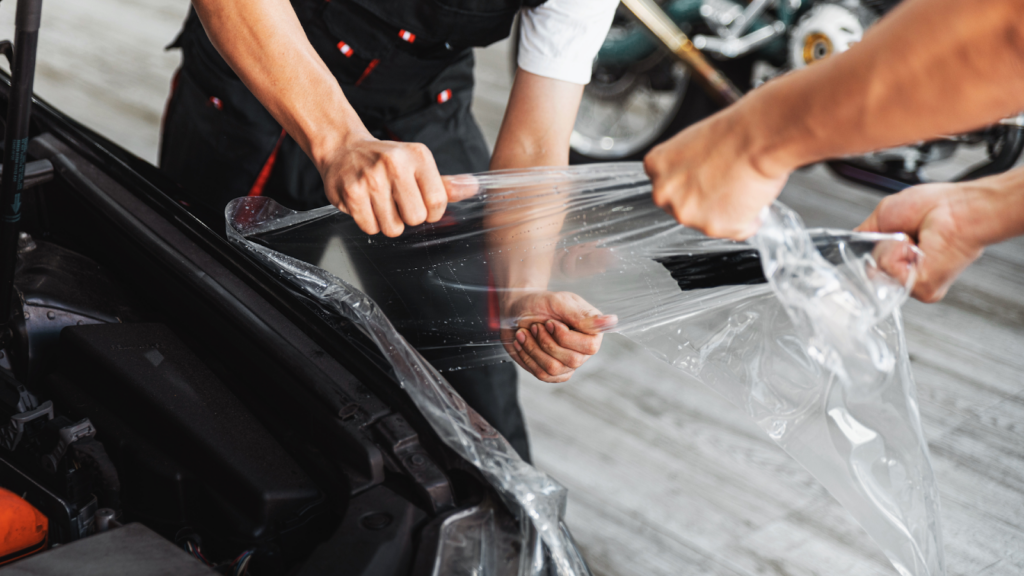
Paint protection film is a clear, thermoplastic urethane material applied to the exterior surfaces of a vehicle, particularly the areas most vulnerable to damage—such as the hood, front bumper, fenders, side mirrors, and door edges.

Self-Healing Properties

Many modern PPFs come with self-healing technology, which allows minor scratches or swirl marks to disappear when exposed to heat (from the sun or warm water), helping your car maintain a flawless look with minimal maintenance.

Why Timing Matters: Apply It Early

Protect the Factory Finish

Your vehicle’s paint is never in better condition than the day you drive it off the lot. Installing PPF early helps preserve the factory paint from chips, scratches, and chemical damage caused by bird droppings, bug splatter, and tree sap.

Avoid Pre-Existing Damage

Waiting too long increases the chance your car will accumulate damage that PPF can’t reverse. Any blemishes must be corrected before the film is applied, potentially adding cost and delaying installation.

Better Adhesion and Longevity

A brand-new, untouched surface allows the film to adhere more effectively, ensuring a smoother finish and reducing the risk of peeling or bubbling over time.

Long-Term Benefits of PPF

1. Preserves Resale Value

Cars with protected, blemish-free paint are significantly more appealing to buyers. Paint protection film keeps your car looking newer for longer, helping it maintain value when it’s time to sell or trade in.

2. Lowers Maintenance Costs

With a PPF installed, you’ll spend less time worrying about rock chips or paint correction. It also makes washing and detailing easier since contaminants are less likely to stick to the smooth film surface.

3. Invisible Protection

Unlike bulky accessories, PPF is virtually invisible. It doesn’t alter the appearance of your car and can even enhance the gloss of your paintwork.

Many owners opt for professionally installed solutions like Automobicon paint protection film, which is known for its high-quality materials, expert application, and custom-fit coverage. Applying PPF right after purchase helps ensure full coverage and the best possible protection from day one.

What Areas Should Be Covered?

While full-body coverage is an option, most drivers choose high-impact zones:

  • Front bumper
  • Hood and fenders
  • Side mirrors
  • Door cups and edges
  • Rear bumper (loading area)

Some also combine PPF with ceramic coatings for enhanced hydrophobic properties and added UV resistance.

Conclusion

Applying paint protection film immediately after purchasing a vehicle is one of the smartest ways to protect your investment. It preserves the showroom finish, reduces the risk of damage, and maintains your car’s value over time. With professional-grade solutions like Automobicon paint protection film, you can enjoy peace of mind knowing your new ride stays protected from the elements—without compromising its appearance.

For drivers who want to safeguard themselves while driving, dash cams have become essential. These gadgets offer unambiguous video proof in the event of mishaps, theft, or disagreements. Knowing which characteristics are most important is necessary to select the best dash cam. A decent dashcam should have sophisticated security features, dependable recording, and high-quality video. While there are numerous choices available for modern dash cameras, some are more crucial than others. 

Here are five key features to look for when choosing a dash camera.

High-definition video

A dash camera is only useful if it captures clear footage. High-definition (HD) video ensures that details like license plates, road signs, and faces are visible. Look for a camera with at least 1080p resolution for sharp images. Some models even offer 4K recording for the highest level of clarity. The better the video quality, the easier it is to provide proof in case of an accident.

Wide-angle lens

A wide-angle lens captures more of the road, helping to record everything happening around the vehicle. A good dash cam should have at least a 140-degree field of view. This ensures that not just the road ahead but nearby lanes are also visible. A wider view reduces blind spots and helps capture important details in accidents or disputes.

Night vision

Driving at night comes with extra risks, so a dash camera with night vision is essential. Standard cameras may struggle in low light, making details hard to see. A dash cam with night vision uses infrared technology or advanced sensors to capture clear footage in the dark. This feature is especially useful for recording events in poorly lit areas or during nighttime accidents.

Loop recording

Dash cameras record continuously, so having loop recording is important. This feature allows the camera to overwrite old footage when the memory card is full. It ensures that the device never stops recording, so drivers don’t have to worry about missing important moments. Critical footage from accidents is often protected automatically, preventing it from being deleted.

GPS tracking

A built-in GPS tracker records the vehicle’s speed and location. This information can be helpful in accident reports or insurance claims. GPS tracking can also help drivers review their routes and driving habits. Some models offer real-time tracking, which can be useful for fleet vehicles or monitoring teen drivers. 

The conclusion 

Choosing a dash camera with the right features ensures better protection and peace of mind. High-definition video, a wide-angle lens, night vision, loop recording, and GPS tracking are essential. These features help capture clear footage and keep drivers safe in any situation. 


When it comes to all-terrain vehicles (ATVs), the right tyres can significantly impact your riding experience, safety, and performance. In Australia, ATV enthusiasts often face diverse terrains—from dunes and rocky trails to muddy fields and grassy landscapes. Choosing between bias ply and radial ATV tyres can be challenging, as each type offers distinct benefits suited to different conditions. This article will help you understand the key differences between bias ply and radial tyres, enabling you to make an informed decision based on your specific needs.

Understanding Bias Ply Tyres

Bias ply tyres have been popular for ATVs for years, particularly for riders tackling rough and uneven terrain. These tyres are constructed with multiple layers of fabric, known as plies, that crisscross at angles to form a durable casing. The layers overlap, creating a stiffer sidewall and a robust overall structure.

Advantages of Bias Ply Tyres:

Durability: Due to their sturdy construction, bias ply tyres are highly resistant to cuts, punctures, and sidewall damage, making them suitable for rocky and rugged landscapes.

Cost-Effectiveness: Bias ply tyres are generally more affordable than radial tyres, making them a budget-friendly option for casual riders or those who don’t want to invest heavily in tyres.

High Load Capacity: The reinforced structure of bias ply tyres allows them to handle heavier loads, which is useful if you carry gear or equipment on your ATV.

Disadvantages of Bias Ply Tyres:

Reduced Comfort: The rigid sidewalls can make for a bumpier ride, as these tyres don’t absorb shocks as well as radial tyres. This can be tiring over long distances or on very uneven terrain.

Limited Speed Capability: Bias ply tyres are not ideal for high-speed riding, as they tend to heat up and wear out more quickly at higher speeds.

Understanding Radial Tyres

Radial tyres are designed with plies that run perpendicular to the direction of travel and do not overlap. This design provides more flexibility and allows the tyres to absorb shocks more effectively. Radial tyres are a newer option for ATVs but have quickly gained popularity due to their performance benefits.

Advantages of Radial Tyres:

Enhanced Ride Comfort: Radial tyres provide a smoother ride thanks to their flexible sidewalls, which absorb impacts more effectively. This makes them ideal for long-distance rides or if you spend most of your time on moderate trails or hard-packed surfaces.

Improved Traction and Stability: The radial construction allows for a larger contact patch with the ground, offering better grip and stability, particularly on hard-packed surfaces and trails.

Better Fuel Efficiency and Tread Life: Radial tyres tend to have lower rolling resistance, which can lead to better fuel efficiency and longer tread life, especially if you frequently ride on well-maintained paths or smooth surfaces.

Disadvantages of Radial Tyres:

Higher Cost: Radial tyres are generally more expensive upfront compared to bias ply tyres. However, their longer lifespan may offset the initial investment for some riders.

Lower Load Capacity: Due to their more flexible construction, radial tyres may not handle heavy loads or bias ply tyres. If you plan to carry heavy cargo on your ATV, this is a factor to consider.

Choosing the Right Tyre for Your Needs

When deciding between bias ply and radial tyres, consider the type of terrain you’ll most frequently encounter and your riding style. Here are some general guidelines:

For Rocky and Rugged Terrains: If you often ride on rough, rocky, or uneven surfaces, bias ply tyres might be the best choice. Their robust construction offers protection against cuts and punctures, making them a durable option for off-road conditions.

For Long-Distance or High-Speed Rides: Radial tyres provide a smoother ride and better handling at higher speeds, making them ideal for riders who spend more time on hard-packed trails or dirt roads.

For Mixed Terrain Use: If you need versatility, consider a radial tyre that can handle a variety of conditions. Many radial tyres balance comfort and durability, which can be beneficial if your rides vary in terrain type.

No matter your preference, choosing the high-quality type can greatly enhance your ATV experience, providing the balance of comfort, durability, and performance best suited to your Australian ATV adventures.

Keyless entry systems are a target for thieves, and auto theft is rising. Thieves use signal-boosting gadgets to unlock vehicles quickly and take them off. This is avoided using a vehicle key signal blocker pouch, which blocks the signal from the key. This easy-to-use pouch prevents burglars from listening in on the frequency of your key. It is a simple and efficient method of car protection. Although it might appear safe, keeping keys in a magnetic stash box does not prevent signals. It is best to use a signal blocker pouch. In addition to keeping your automobile safe, it offers robust security against smart car theft.

Let us delve into five ways a car key signal blocker is the best protection against keyless car theft.

Blocks Key Signal From Thieves

Thieves use relay devices to intercept and prolong the signal from your automobile key. This makes your automobile believe that the key is close by. After that, the vehicle opens, enabling the robbers to leave. The unique substance in a signal blocker pouch inhibits this signal. Your automobile is inaccessible to thieves without a signal. One of the most popular techniques for auto theft is avoided with this easy fix.

Easy To Use And Carry

A car key signal blocker pouch is small and easy to carry anywhere. You may keep it in your glove compartment, backpack, or pocket. It does not need batteries or installation as other security gadgets do. It is protected if you insert your key inside, making it an easy and practical method to keep your car safe.

Works For Spare Keys And Other Devices

Plenty of individuals store extra car keys at home, which makes them vulnerable to theft. Even if a backup key is left exposed, your automobile might still be stolen by crooks. A signal blocker bag protects both the primary and spare keys. Additionally, it can block signals from other wireless devices, like key fobs and credit cards, strengthening the defences against electronic theft.

Long-Lasting And Durable Protection

A signal blocker pouch lasts for years, unlike electronic security systems that could require maintenance or upgrades. It is composed of premium shielding material that is resistant to deterioration. Even with frequent use, the bag continues to work well. As a result, it is a dependable and affordable method of preventing keyless theft of your vehicle.

Protects Your Car Anywhere

Parking lots, workplaces, and homes are all potential locations for auto theft. Regardless of your location, a signal blocker pouch protects your key. It ensures that even if robbers are nearby, they cannot detect the signal from your key. Knowing that your vehicle is always safe against relay theft is a comfort when you use this bag.

The Conclusion

A car key signal blocker pouch is a straightforward yet effective defence against keyless auto theft. It is user-friendly, compatible with various devices, and blocks signals. It is the finest solution to safeguard your car because it is portable and offers long-lasting protection.

What is Rent a Car?

Renting a car is a service that allows individuals to temporarily use a vehicle in exchange for a fee. This service is provided by rental companies, offering customers flexibility, convenience, and mobility without the long-term commitment of car ownership. Whether for business travel, vacations, or emergencies, renting a car is a practical solution for many individuals and companies.

How Does Renting a Car Work with Rental Companies?

  1. Choosing a Rental Company
    • Various car rental companies operate in different locations, including international brands and local providers.
    • Online comparison tools and customer reviews help find the best rental service based on price, vehicle selection, and customer service.
  2. Booking the Car
    • Customers can book a rental car online, via phone, or at a rental agency’s location.
    • It’s advisable to book in advance for better deals and guaranteed vehicle availability.
  3. Providing Required Documentation
    • A valid driver’s license is mandatory.
    • Some rental companies require an international driving permit for foreign renters.
    • A credit card is often needed for security deposits and payments.
  4. Selecting the Rental Period
    • Cars can be rented for a few hours, days, weeks, or even months.
    • Many companies offer discounts for long-term rentals.
  5. Insurance and Additional Services
    • Rental companies provide insurance options for protection against accidents and damages.
    • Additional services, such as GPS navigation, child seats, and roadside assistance, may be available.
  6. Picking Up and Returning the Vehicle
    • The customer collects the car from a designated rental location.
    • Upon return, the vehicle must be in good condition and meet fuel level requirements as per the rental agreement.

Types of Cars Available for Rent

  1. Economy Cars
    • Ideal for budget-conscious travelers.
    • Fuel-efficient and easy to maneuver in urban areas.
  2. Sedans
    • Suitable for business trips and family travel.
    • Offers comfort, spacious seating, and good fuel efficiency.
  3. SUVs and Crossovers
    • Perfect for outdoor adventures and long-distance travel.
    • Provides more space and off-road capability.
  4. Luxury Cars
    • High-end vehicles for special occasions and business executives.
    • Includes brands such as BMW, Mercedes-Benz, and Audi.
  5. Vans and Minivans
    • Designed for group travel and families requiring extra space.
    • Can accommodate more passengers and luggage.
  6. Convertibles and Sports Cars
    • Best for stylish and thrilling driving experiences.
    • Typically more expensive but offers a unique travel experience.

Things to Know Before Renting a Car

  1. Age Restrictions
    • Most rental companies require drivers to be at least 21 or 25 years old.
    • Some companies charge extra fees for younger drivers.
  2. Insurance Coverage
    • Understanding the insurance policy is crucial to avoid unexpected costs.
    • Check if personal auto insurance or credit card benefits cover rental cars.
  3. Mileage Limits
    • Some rentals have daily mileage limits, and exceeding them results in additional charges.
    • Unlimited mileage options may be available for longer trips.
  4. Fuel Policy
    • Common fuel policies include full-to-full and pre-paid fuel options.
    • Returning a car with an empty tank when full-to-full is required can incur additional fees.
  5. Inspection and Documentation
    • Before driving off, inspect the car for existing damages and report them to avoid liability.
    • Take pictures or videos for proof in case of disputes upon return.
  6. Drop-off Location and Fees
    • Some rental companies allow different drop-off locations for convenience.
    • Extra fees may apply for one-way rentals.
  7. Cancellation Policies
    • Be aware of cancellation policies to avoid penalties for last-minute changes.

Conclusion

Renting a car is a practical solution for travelers, businesses, and individuals needing temporary transportation. By understanding how the rental process works, the types of cars available, and the key factors to consider before renting, customers can enjoy a hassle-free experience. Choosing the right rental company and reading the terms carefully ensures a smooth and cost-effective car rental experience.


Dunlop has built a reputation for innovation, precision, and durability. For over a century, its tires have delivered exceptional grip, handling, and comfort. Whether on city streets or winding mountain roads, drivers trust Dunlop to provide safety without compromising performance.

Engineering That Maximizes Control

Dunlop tires blend advanced technology with superior craftsmanship. The brand continuously refines tread patterns, rubber compounds, and sidewall construction to enhance stability and responsiveness. This attention to detail results in tires that grip the road, even in harsh conditions.

Key performance factors include:

  1. Tread Design: Optimized for traction and reduced rolling resistance.
  2. Silica-Enhanced Compounds: Improves wet grip while maintaining longevity.
  3. Jointless Belt Technology: Enhances ride comfort and reduces heat buildup.
  4. Multi-Tread Technology: Ensures even wear, extending tire life.

From performance cars to daily commuters, Dunlop offers a tire that meets every need. Its engineering prioritizes both sportiness and safety.

Safety Without Compromise

A reliable tire means better braking, stability, and overall control. Dunlop integrates safety features into its designs to prevent hydroplaning, enhance cornering, and reduce road noise. Whether navigating wet highways or dry pavement, these tires adapt to changing conditions.

  1. Aquaplaning Resistance: Deep grooves channel water away for better wet-road grip.
  2. Enhanced Sidewall Construction: Reduces flex for sharper handling.
  3. Noise Reduction Technology: Ensures a quieter, more comfortable ride.

For those who demand safety, a Dunlop tyre (ยาง Dunlop, which is the term in Thai) provides confidence at every turn.

A Legacy of Performance

Dunlop’s motorsport heritage reflects its dedication to quality. Racing circuits worldwide rely on its tires for precision and endurance. This same expertise translates into everyday driving, where performance matters.

Drivers seeking a balance between longevity, efficiency, and control consistently choose Dunlop. With rigorous testing and continuous innovation, Dunlop tires remain a top choice for those who value both safety and performance.

Experiencing distorted sound from your car radio can be both frustrating and distracting while driving. Whether it’s a slight fuzz or a complete lack of clarity, distorted sound can affect the quality of your listening experience. Several factors can contribute to distorted sound, ranging from issues with the radio’s settings to problems with the speakers or electrical system.

Issues with the Radio’s Settings

One of the first things to check when dealing with distorted sound is the radio’s settings. Incorrect equalizer settings or high levels of bass, treble, or volume can cause the sound to become distorted. If the equalizer is set too aggressively, it can push the speakers beyond their capacity to produce clear sound. Adjusting the settings to more moderate levels can often resolve the distortion. If your car radio has specific sound presets, it’s worth testing different configurations to find a balance that minimizes distortion and provides clear, high-quality sound.

Faulty or Damaged Speakers

Another common cause of distorted sound is a problem with the car’s speakers. Over time, speakers can become damaged due to excessive volume, wear and tear, or physical impact. A blown speaker or damaged speaker cone can cause the sound to distort, especially at higher volume levels. If the distortion only occurs through certain speakers or is more noticeable at specific frequencies, it’s likely a speaker-related issue. Replacing the damaged speakers or repairing the cones will restore clear sound and prevent further damage to the audio system. Choosing the Auto Repair in Marietta, GA based service can work in addressing such cases.

Problems with the Wiring and Connections

Distorted sound can also be caused by issues with the wiring and connections in the car’s audio system. Loose, frayed, or corroded wiring can disrupt the flow of electrical signals to the speakers, leading to poor sound quality. Faulty or damaged connectors between the radio, amplifier, and speakers can also cause the sound to become distorted or intermittent. Inspecting the wiring and connections for any visible damage or signs of wear is an essential step in addressing sound distortion.

Car Radio

Interference from the Electrical System

Electrical interference from other components in the vehicle can also contribute to distorted sound. Alternator noise, which occurs when electrical interference from the alternator is picked up by the radio’s system, can cause a buzzing or static sound. This type of interference can be particularly noticeable when the car is idling or under certain driving conditions. Installing a noise filter or upgrading the grounding system can help eliminate electrical interference and restore clear sound.

Conclusion

Distorted sound from your car radio can be caused by a variety of factors, including incorrect settings, damaged speakers, faulty wiring, or electrical interference. Identifying the specific cause of the distortion is key to addressing the issue and restoring high-quality sound. By adjusting the radio settings, inspecting the speakers and wiring, and addressing any electrical interference, you can improve your listening experience and prevent further damage to your car’s audio system.