Category

ATV

Category

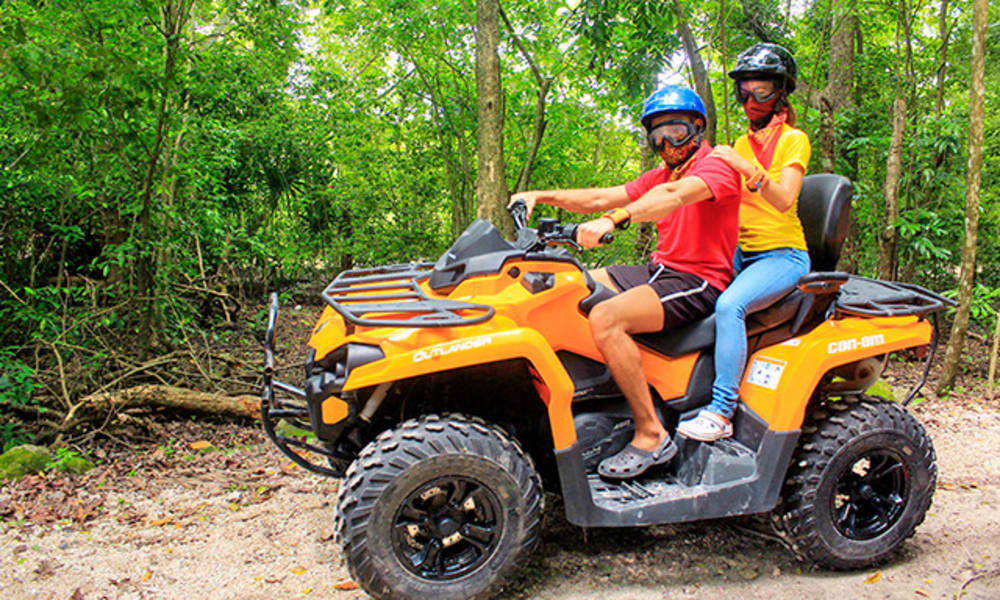
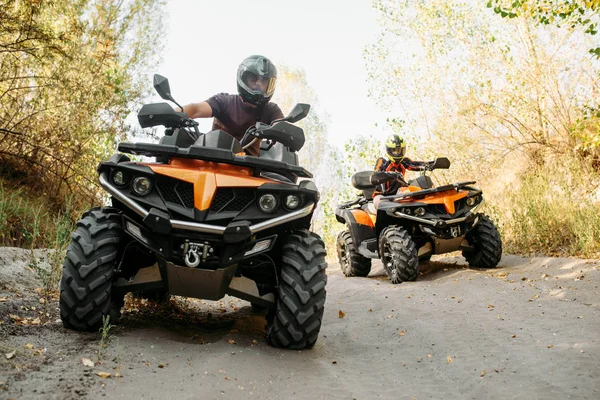
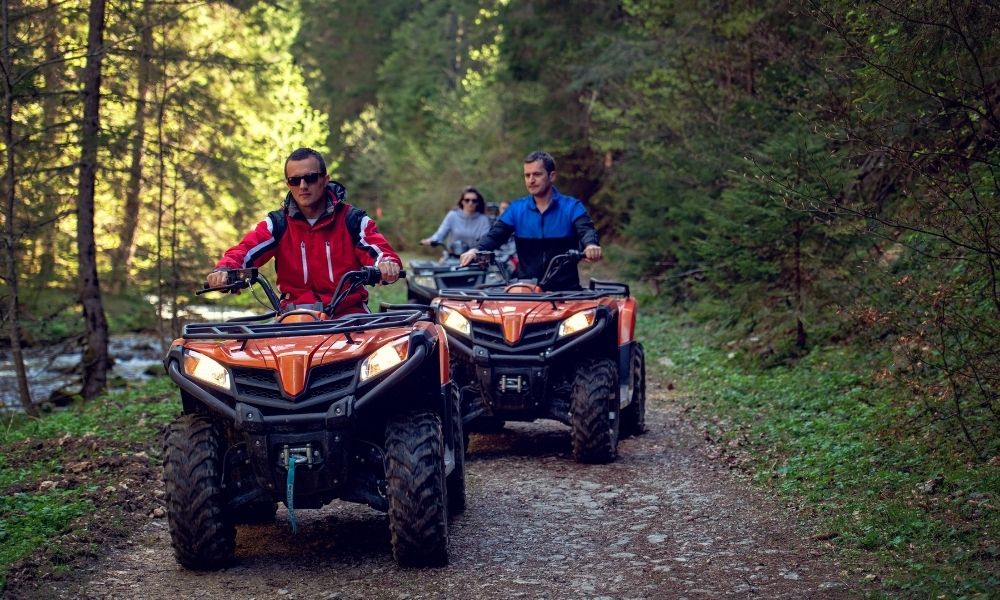
ATV racing is a thrilling sport that has gained popularity in recent years. It involves driving a powerful quad bike on a track or through an off-road terrain. The sport requires a great deal of skill, speed, and agility, making it a challenging and exciting experience for racers and spectators alike.

The History of ATV Racing

The first ATV was created in the 1960s by Honda, and it was designed for farm and utility work. However, it wasn’t long before people began racing the vehicles for fun. The first organized ATV race was held in 1985 in California, and the sport has been growing ever since.

The Types of ATV Racing

There are several types of ATV racing, each with its own rules and regulations:

  • MX (motocross) – involves racing on a closed circuit with jumps and other obstacles
  • TT (tourist trophy) – involves racing on a dirt track with jumps, turns, and other obstacles
  • Enduro – involves racing through a variety of terrains, including woods, mountains, and deserts
  • Hare scramble – involves racing through a marked course in the woods or other natural terrain

The Equipment Needed for ATV Racing

ATV Racing ..

Before you can start ATV racing, you need to have the right equipment. This includes:

  • A high-quality ATV that is specifically designed for racing
  • A helmet that meets safety standards
  • Protective gear such as goggles, gloves, and boots
  • A racing suit that is designed to provide protection and comfort

The Benefits of ATV Racing

ATV racing is not only a thrilling experience, but it also offers several benefits:

  • Improved physical fitness – ATV racing requires a great deal of physical exertion, which can help improve your overall fitness level
  • Increased adrenaline – the rush of adrenaline that comes with ATV racing can be addictive and provides a natural high
  • Increased confidence – mastering the skills required for ATV racing can boost your self-confidence and improve your mental health
  • Socialization – ATV racing is a great way to meet new people who share similar interests and passions

Conclusion

ATV racing is a thrilling sport that requires skill, speed, and agility. With its growing popularity, it is becoming more accessible to people of all ages and skill levels. Whether you are a seasoned racer or a beginner, ATV racing provides an exciting and challenging experience that is sure to get your heart racing.

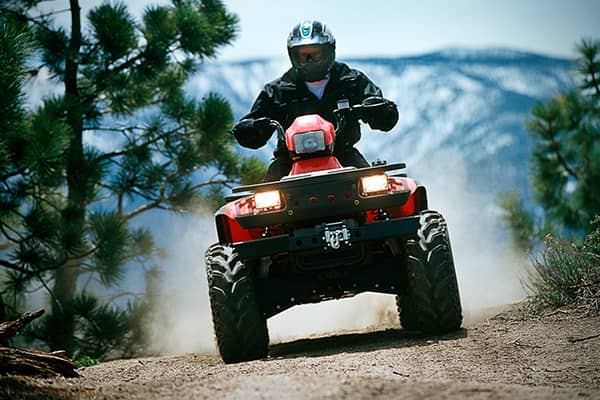
When it comes to buying an ATV, there are a lot of factors to consider. From the type of terrain you’ll be riding on, to your level of experience, to the features you need, there’s a lot to think about. Here’s a comprehensive guide to help you choose the right ATV for your needs.

Consider the Terrain

Consider the Terrain

The first thing to consider when buying an ATV is the type of terrain you’ll be riding on. If you’ll be riding on rough, rocky terrain, a four-wheel drive ATV with high clearance is your best bet. If you’ll be riding on flat, open terrain, a two-wheel drive ATV may be sufficient.

Think About Your Experience Level

Your level of experience is also an important factor to consider when buying an ATV. If you’re a beginner, you’ll want an ATV that’s easy to handle and isn’t too powerful. If you’re an experienced rider, you may want an ATV with more horsepower and advanced features.

Consider the Size and Weight

The size and weight of the ATV are also important factors to consider. A larger ATV may be more stable, but it may also be more difficult to maneuver. A lighter ATV may be easier to handle, but it may not be as stable on rough terrain.

Think About the Features You Need

There are a lot of features to consider when buying an ATV. Some features you may want to look for include:

  • Automatic vs. manual transmission
  • Electric or pull-start
  • Reverse gear
  • Storage capacity
  • Towing capacity
  • Winch
  • Racks and accessories

Set Your Budget

ATVs can range in price from a few thousand dollars to tens of thousands of dollars. It’s important to set a budget before you start shopping so you don’t overspend. Keep in mind that you’ll also need to factor in the cost of maintenance, repairs, and insurance.

Do Your Research

Before you make a purchase, it’s important to do your research. Read reviews from other riders, watch videos of the ATV in action, and test drive the ATV if possible. This will help you make an informed decision and choose an ATV that meets all of your needs.

Conclusion

Choosing the right ATV is an important decision. Consider the terrain you’ll be riding on, your level of experience, the size and weight of the ATV, the features you need, and your budget. Do your research before making a purchase to ensure you choose an ATV that meets all of your needs.

All-terrain vehicles, commonly known as ATVs, have become increasingly popular in recent years due to their ability to traverse rough terrain and provide an adrenaline rush for riders. However, the growing use of ATVs has raised concerns about their impact on natural ecosystems and the environment as a whole.

So, what exactly is an ATV?

ATVs

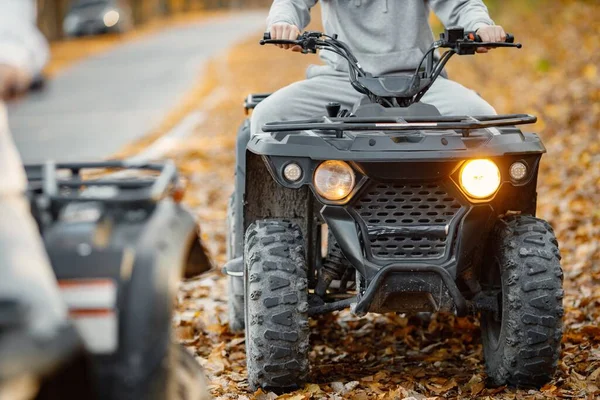
An ATV is a motorized vehicle designed to travel off-road, typically with four low-pressure tires and a seat that is straddled by the operator. They come in a variety of sizes and styles, ranging from small recreational models to larger utility vehicles used for work purposes.

What are the environmental impacts of ATVs?

ATVs can have a significant impact on natural ecosystems and the environment. Some of the key environmental impacts of ATVs include:

  • Soil erosion: The heavy weight of ATVs and their tires can cause significant soil erosion, leading to sedimentation in streams and rivers.
  • Habitat destruction: Off-road riding can destroy natural habitats and disrupt wildlife, including rare and endangered species.
  • Noise pollution: ATVs are loud vehicles and can significantly disrupt natural soundscapes, affecting wildlife behavior and communication.
  • Air pollution: ATVs emit exhaust fumes, contributing to air pollution and potentially harming human and wildlife health.

What can be done to minimize the impact of ATVs?

There are several steps that can be taken to minimize the impact of ATVs on natural ecosystems and the environment:

  • Designated riding areas: Creating designated riding areas can help minimize the impact of ATVs on natural habitats and wildlife.
  • Regulations and enforcement: Implementing and enforcing regulations around ATV use can help reduce the negative impact on the environment.
  • Education and awareness: Educating riders about the environmental impact of ATVs and promoting responsible riding practices can help reduce the negative impact on natural ecosystems.
  • Alternative transportation: Encouraging the use of alternative transportation methods, such as hiking or biking, can help reduce the use of ATVs and their impact on the environment.

Conclusion

ATVs can provide an exciting recreational activity for riders, but they also have a significant impact on natural ecosystems and the environment. By taking steps to minimize their impact, we can ensure that future generations can continue to enjoy the beauty and diversity of our natural world.

Electric ATVs have come a long way since their inception. They have undergone significant changes in terms of design, technology, and performance. In this article, we will take a look at the evolution of electric ATVs and what the future holds for this exciting mode of transportation.

Evolution of Electric ATVs

Electric ATVs..

The first electric ATVs were introduced in the early 2000s. They were primarily designed for use in indoor environments such as warehouses and factories. These electric ATVs were small and had limited range and power.

As technology advanced, so did the electric ATV. Today’s electric ATVs are much larger and more powerful than their predecessors. They are also designed for outdoor use, with powerful motors and long-lasting batteries that can handle rough terrain and steep inclines.

One of the advantages of electric ATVs is their quiet operation. Unlike gas-powered ATVs, which can be very loud, electric ATVs run almost silently. This makes them ideal for use in residential areas where noise pollution is a concern.

Another advantage of electric ATVs is their low maintenance requirements. Electric motors have fewer moving parts than gas engines, which means they require less maintenance and are less prone to breakdowns.

The Future of Electric ATVs

The future of electric ATVs looks bright. With advances in battery technology, it is now possible to build electric ATVs with longer range and faster charging times. This means that electric ATVs will be able to travel further and be more convenient to recharge.

There is also a growing trend towards sustainable transportation, and electric ATVs fit perfectly into this trend. Electric ATVs produce zero emissions, which means they are environmentally friendly and do not contribute to air pollution.

Another exciting development in the world of electric ATVs is the advent of autonomous technology. Some electric ATVs are now being equipped with sensors and cameras that allow them to navigate and operate without human intervention. This technology has the potential to revolutionize the way we use and interact with ATVs.

In conclusion, electric ATVs have come a long way since their inception. They have evolved from small, indoor vehicles to powerful, outdoor machines. The future of electric ATVs looks bright, with advances in battery technology and the development of autonomous technology. With their low maintenance requirements and zero emissions, electric ATVs are poised to become an increasingly popular mode of transportation.

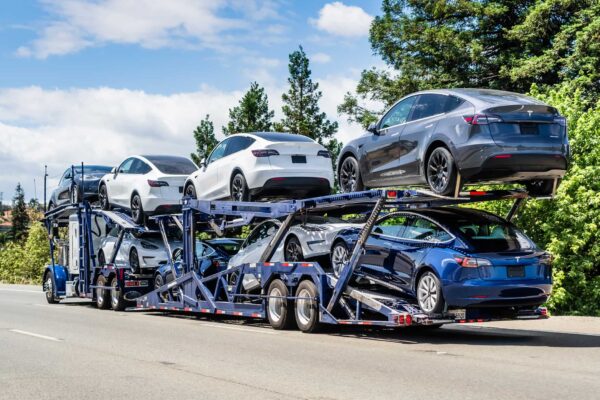
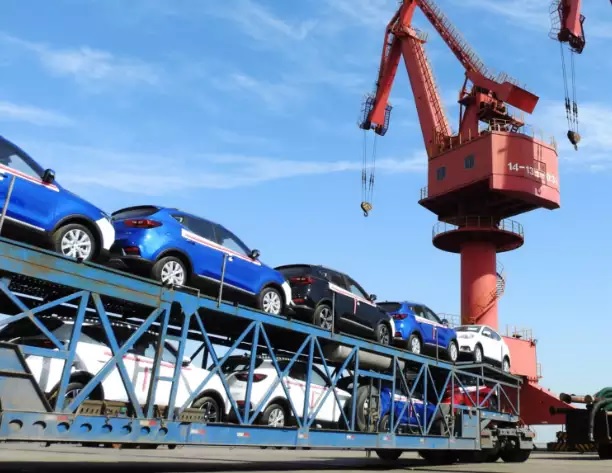
Importing and exporting vehicles can be a complex and time-consuming process, but it can also be a lucrative business venture for those who are willing to put in the effort. Whether you are looking to import a classic car from overseas or export a fleet of commercial vehicles to another country, understanding the process is essential to ensure a smooth and successful transaction.

Importing a Vehicle

Importing a Vehicle

The process of importing a vehicle will vary depending on the country of origin and the destination country, but there are some general steps that you can follow:

  1. Research import regulations: Before you even begin the process of importing a vehicle, you need to research the import regulations of the destination country. This may include restrictions on the age or type of vehicle that can be imported, as well as emissions and safety standards.
  2. Obtain necessary paperwork: You will need to obtain a variety of paperwork to import a vehicle, including a bill of lading, customs declaration, and import permit. You may also need to provide proof of ownership and registration.
  3. Arrange shipping: Once you have all the necessary paperwork, you will need to arrange shipping for the vehicle. This may involve hiring a freight forwarder or working with a shipping company directly.
  4. Clear customs: When the vehicle arrives in the destination country, it will need to clear customs. This may involve paying import taxes and fees, as well as passing inspection to ensure that the vehicle meets local regulations.

Exporting a Vehicle

Exporting a Vehicle

The process of exporting a vehicle is similar to importing, but with a few key differences:

  1. Research export regulations: Just as with importing, you will need to research the export regulations of the country where the vehicle is located, as well as the destination country.
  2. Obtain necessary paperwork: You will need to obtain a variety of paperwork to export a vehicle, including a bill of lading, customs declaration, and export permit. You may also need to provide proof of ownership and registration.
  3. Prepare the vehicle: Before the vehicle can be exported, it will need to be prepared. This may involve draining fluids, removing batteries and airbags, and securing loose items.
  4. Arrange shipping: Once the vehicle is prepared, you will need to arrange shipping. This may involve hiring a freight forwarder or working with a shipping company directly.
  5. Clear customs: When the vehicle arrives in the destination country, it will need to clear customs. This may involve paying import taxes and fees, as well as passing inspection to ensure that the vehicle meets local regulations.

Conclusion

Importing and exporting vehicles can be a lucrative business opportunity, but it requires a significant amount of research and preparation. By understanding the process of importing and exporting vehicles, you can ensure a smooth and successful transaction. Whether you are importing a classic car or exporting a fleet of commercial vehicles, following these steps can help you navigate the complex world of international vehicle transactions.