Category

Auto

Category

Overloading trucks can have serious consequences, not only for your fleet’s efficiency but also for road safety and the lifespan of your vehicles. Truck overload is a common issue, especially in industries requiring frequent heavy haulage, but understanding the signs that you might be overloading is crucial. Overloading not only risks fines and legal repercussions but also damages your trucks, increases fuel consumption, and can endanger lives on the road.

In the Australian transport industry, the National Heavy Vehicle Regulator (NHVR) enforces strict rules on truckloads to maintain safety standards. This content aims to help Australian businesses recognise when they might be overloading their trucks and offers suggestions for avoiding this costly mistake.

Excessive Wear and Tear on Tyres

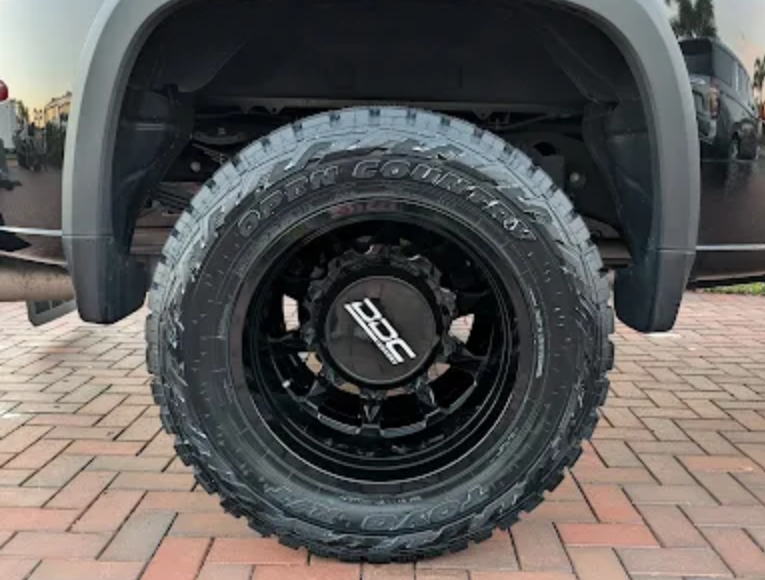
Tyres are the first to show signs of overloading. When trucks carry excessive loads, tyres experience more friction and pressure than they are designed for, leading to premature wear and tear. In the worst cases, overloaded tyres may burst, causing accidents. If you notice frequent tyre replacements, uneven wear patterns, or increased maintenance costs, this could indicate that your trucks are consistently carrying more than their rated load capacity.

Poor Handling and Braking Performance

Overloading significantly affects a truck’s handling and braking performance. When trucks are overloaded, the extra weight puts a strain on the suspension and braking systems, making the vehicle harder to control. You might notice longer stopping distances or an increase in accidents and near-misses due to poor braking performance. This is particularly dangerous on Australia’s long, winding roads or in areas with high traffic density.

Increased Fuel Consumption

Another clear sign of overloading is a noticeable increase in fuel consumption. Heavier loads cause engines to work harder, burning more fuel than usual. If your trucks’ fuel efficiency drops suddenly without any other clear reason, it might be because you are overloading them.

Suspension Damage

The suspension system in a truck is built to support a specific weight range. Consistently exceeding this weight can cause long-term damage to the suspension system, leading to costly repairs or even vehicle downtime. If your trucks are experiencing frequent suspension issues, such as sagging or bouncing while driving, it’s a strong indicator that overloading is occurring.

Frequent Fines or Penalties

In Australia, overloaded trucks are subject to fines and penalties under NHVR regulations. If your fleet is regularly being penalised for overloading, this is a red flag that your trucks are consistently carrying too much weight. Not only do these fines hurt your bottom line, but they also damage your business’s reputation in the industry.

Recognising these signs early can help prevent the costly consequences of overloading, such as vehicle damage, road safety risks, and legal penalties. By monitoring these five signs, you can take proactive steps to avoid overloading your trucks and maintain a safe, efficient operation.

To avoid these issues, ensure that all drivers and logistics personnel are well-versed in loading limits. Implement processes where loads are weighed and verified before trucks depart, and ensure compliance with legal weight limits for each type of vehicle in your fleet. Invest in high-quality weighing system so you can avoid hefty penalties and damage to the vehicles.

Heavy haulage projects are inherently risky, involve transporting oversized and incredibly heavy loads across long distances. Given the complexities and potential hazards of such operations, safety is paramount for every haulage company. Companies such as ODLS, with their expertise and experience, implement a range of stringent safety measures to ensure the protection of both personnel and the public, as well as the safe and efficient delivery of the cargo.

Let’s examine in detail some of the most crucial safety measures haulage companies implement during heavy transport operations.

Comprehensive Risk Assessment and Planning

Before any heavy haulage project begins, the first safety measure undertaken is a comprehensive risk assessment. This thorough evaluation covers every aspect of the transport operation—from the route and environmental conditions to the size and weight of the load. The meticulousness of this risk assessment helps to identify any potential hazards, such as sharp turns, low bridges/overheads, hinderance to the travel envelope, or difficult terrain, that could compromise safety during transportation.

Once the risks are identified, careful transport planning is initiated. This plan includes selecting the safest and most efficient routes, arranging escort vehicles if needed, and factoring in specific approvals and permits required for oversized loads. In some cases, alternative routes may be advised by Authorities to avoid high-risk areas, ensuring the cargo reaches its destination without incident.

Adherence to Load Restraint Standards

Ensuring that the load is properly secured is another critical safety measure for any haulage company. There are strict load restraint standards that must be followed to prevent shifting or falling during transport. These standards dictate the type and strength of the restraints, how the load should be distributed on the trailer, and the use of additional support or anti friction systems.

Failure to secure the load properly can lead to catastrophic accidents, so every haulage company must adhere to these regulations. Experienced operators ensure that the load is balanced and evenly distributed and double-check for stability before the vehicle hits the road. Reinforced chains, straps, and mechanical locking mechanisms are all commonly used to keep the load firmly in place.

Regular Vehicle Inspections and Maintenance

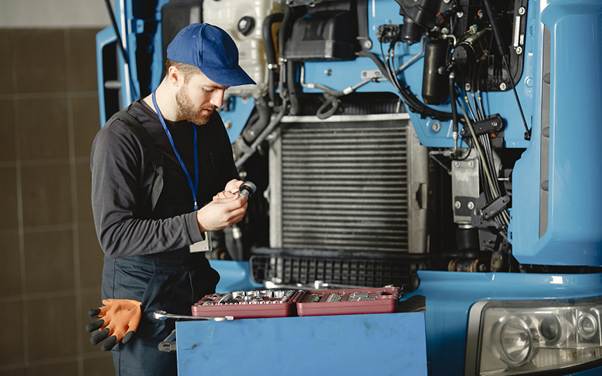
Due to the oversized loads they carry, vehicles used in heavy haulage projects are subject to considerable stress. Regular inspections and maintenance of the vehicles are key safety practices to prevent mechanical issues that could result in accidents or delays. Every vehicle must be checked thoroughly before embarking on a haulage job, focusing on critical systems like brakes, tyres, hydraulics, and engines.

For large, high-stakes transport projects, haulage companies often carry out additional pre-project inspections, which form a part of an externally audited maintenance accreditation scheme. This ensures that all vehicles meet safety regulations and are mechanically sound before hitting the road. Preventive maintenance protocols help to identify potential issues before they become major problems, ensuring the safety of the operation from start to finish.

Use of Escort and Pilot Vehicles

In some heavy haulage projects, escort and pilot vehicles are a required to ensure public safety and smooth passage along roadways. These vehicles, often equipped with high-visibility markings and warning lights, act as a barrier between the public and the heavy load, helping to manage traffic flow, direct the heavy vehicle through intersections, and alert other drivers to the presence of oversized loads. Pilot vehicles, typically smaller and more manoeuvrable, also assist the main transport vehicle by guiding negotiation of difficult turns or narrow roads, reducing the risk of incidents.

Escort vehicles are also responsible for communicating with the heavy haulage vehicle’s driver, offering real-time updates on road conditions and potential hazards. This coordination ensures that the driver can adjust speed, maneuvering, or positioning to maintain safety throughout the journey.

Highly Trained Personnel

Heavy haulage is not just about having the right equipment and vehicles; it also requires skilled and experienced personnel. Training is a cornerstone of safety in this industry. Drivers and transport operators undergo on and off the job training to handle oversized loads and manage the specific challenges associated with heavy transport. These programs include operating specialised equipment, managing cargo restraint, understanding COR and following all road safety regulations.

In addition, support staff involved in planning, coordination, and maintenance are equally trained to uphold the highest safety standards. Well-trained personnel help prevent accidents, reduce the risk of cargo damage, and ensure that each haulage project is completed safely and efficiently.

Emergency Contingency Planning

Despite all the safety measures implemented, unforeseen issues such as equipment failure or road obstructions can still occur. Contingency planning, a proactive approach to safety, is a critical component of ensuring safety during heavy haulage projects. Haulage companies plan for potential emergencies by incorporating spare vehicles, alternate delivery schedule and parking locations, repair networks, and backup drivers into the project structure.

In the event of a mechanical breakdown, for example, spare vehicles can be dispatched to take over the haulage process, minimising downtime and preventing dangerous roadside situations. Contingency planning ensures that any emergencies are handled swiftly and effectively, reducing the impact on project timelines while maintaining safety for all involved.

Safety is non-negotiable in the world of heavy haulage, where oversized loads and complex logistics demand strict adherence to best practices and regulations. By conducting thorough risk assessments, securing loads properly, maintaining vehicles, and employing highly skilled personnel, haulage companies create a safer environment for all stakeholders. These safety measures, combined with careful planning and contingency strategies, enable the seamless transport of even the most challenging loads.

When it comes to all-terrain vehicles (ATVs), the right tyres can significantly impact your riding experience, safety, and performance. In Australia, ATV enthusiasts often face diverse terrains—from dunes and rocky trails to muddy fields and grassy landscapes. Choosing between bias ply and radial ATV tyres can be challenging, as each type offers distinct benefits suited to different conditions. This article will help you understand the key differences between bias ply and radial tyres, enabling you to make an informed decision based on your specific needs.

Understanding Bias Ply Tyres

Bias ply tyres have been popular for ATVs for years, particularly for riders tackling rough and uneven terrain. These tyres are constructed with multiple layers of fabric, known as plies, that crisscross at angles to form a durable casing. The layers overlap, creating a stiffer sidewall and a robust overall structure.

Advantages of Bias Ply Tyres:

Durability: Due to their sturdy construction, bias ply tyres are highly resistant to cuts, punctures, and sidewall damage, making them suitable for rocky and rugged landscapes.

Cost-Effectiveness: Bias ply tyres are generally more affordable than radial tyres, making them a budget-friendly option for casual riders or those who don’t want to invest heavily in tyres.

High Load Capacity: The reinforced structure of bias ply tyres allows them to handle heavier loads, which is useful if you carry gear or equipment on your ATV.

Disadvantages of Bias Ply Tyres:

Reduced Comfort: The rigid sidewalls can make for a bumpier ride, as these tyres don’t absorb shocks as well as radial tyres. This can be tiring over long distances or on very uneven terrain.

Limited Speed Capability: Bias ply tyres are not ideal for high-speed riding, as they tend to heat up and wear out more quickly at higher speeds.

Understanding Radial Tyres

Radial tyres are designed with plies that run perpendicular to the direction of travel and do not overlap. This design provides more flexibility and allows the tyres to absorb shocks more effectively. Radial tyres are a newer option for ATVs but have quickly gained popularity due to their performance benefits.

Advantages of Radial Tyres:

Enhanced Ride Comfort: Radial tyres provide a smoother ride thanks to their flexible sidewalls, which absorb impacts more effectively. This makes them ideal for long-distance rides or if you spend most of your time on moderate trails or hard-packed surfaces.

Improved Traction and Stability: The radial construction allows for a larger contact patch with the ground, offering better grip and stability, particularly on hard-packed surfaces and trails.

Better Fuel Efficiency and Tread Life: Radial tyres tend to have lower rolling resistance, which can lead to better fuel efficiency and longer tread life, especially if you frequently ride on well-maintained paths or smooth surfaces.

Disadvantages of Radial Tyres:

Higher Cost: Radial tyres are generally more expensive upfront compared to bias ply tyres. However, their longer lifespan may offset the initial investment for some riders.

Lower Load Capacity: Due to their more flexible construction, radial tyres may not handle heavy loads or bias ply tyres. If you plan to carry heavy cargo on your ATV, this is a factor to consider.

Choosing the Right Tyre for Your Needs

When deciding between bias ply and radial tyres, consider the type of terrain you’ll most frequently encounter and your riding style. Here are some general guidelines:

For Rocky and Rugged Terrains: If you often ride on rough, rocky, or uneven surfaces, bias ply tyres might be the best choice. Their robust construction offers protection against cuts and punctures, making them a durable option for off-road conditions.

For Long-Distance or High-Speed Rides: Radial tyres provide a smoother ride and better handling at higher speeds, making them ideal for riders who spend more time on hard-packed trails or dirt roads.

For Mixed Terrain Use: If you need versatility, consider a radial tyre that can handle a variety of conditions. Many radial tyres balance comfort and durability, which can be beneficial if your rides vary in terrain type.

No matter your preference, choosing the high-quality type can greatly enhance your ATV experience, providing the balance of comfort, durability, and performance best suited to your Australian ATV adventures.

Shipping your motorcycle overseas can seem daunting if you don’t have the experience. As one of Australia’s most experienced bike shippers, Get Routed simplifies the process. And we make shipping bikes easy for riders who want to explore breathtaking landscapes like New Zealand, Spain & Europe, Isle of Man and the UK on their own bikes.

Whether you’re heading to the scenic South Island or gearing up for an unforgettable ride across the European countryside, ensuring the safety of your bike is crucial. And like everything else, it starts with you.

This guide outlines every step you need to take before dropping your bike at a Get Routed depot for shipping. This guide provides a checklist along with relevant details and resources you will require to clean and inspect your bike.

Clean Your Bike Thoroughly

The cleanliness of your motorcycle is not just about appearance—it’s a crucial requirement for shipping compliance. Countries like New Zealand and Spain enforce strict biosecurity laws to protect their ecosystems. A spotless bike minimises the risk of delays and additional cleaning fees.

Start by pressure washing your motorcycle to remove all dirt, grease, and debris. Pay close attention to hard-to-reach areas, including the undercarriage, wheels, and engine components.

These spots often trap mud and grime that can be flagged during inspections. For best results, use a high-quality truck wash like C18 or similar, which is effective in removing stubborn contaminants.

Fuel Requirements

To comply with international shipping regulations and ensure safety during transit, start by reducing your motorcycle’s fuel level to less than 2 litres.

This requirement applies to all destinations serviced by Get Routed, including New Zealand, the UK, Europe, and others. Shipping containers are designed to minimise risks, and a reduced fuel level prevents potential fire hazards.

For New Zealand specifically, this is a strict biosecurity and safety regulation, as part of the nation’s efforts to safeguard its ecosystem.

Secure Your Battery

Next, disconnect the battery leads and insulate the terminals with tape to eliminate any possibility of accidental electrical discharge.

This step is universally mandatory for all international shipments. It ensures compliance with shipping standards and protects your bike and other items in the container.

For shipments to New Zealand and Europe, this step is crucial as local customs and safety authorities may inspect electrical components to verify compliance before clearing the shipment. Failing to adhere to these requirements could result in delays or fines at the destination.

Pack Permitted Items

Shipping a motorcycle isn’t just about preparing the bike itself. Riders often need to ship essential gear and ensure all items adhere to strict shipping and biosecurity guidelines.

Pack permitted items like your helmet, gloves, jacket, boots, and tools securely. Use bubble wrap or protective covers to prevent damage during transit.

Label all loose items clearly with your name and motorcycle registration number for easy identification at the destination.

Items Allowed and Not Allowed in Containers
Category Allowed Not Allowed
Personal Effects Helmets, jackets, gloves, boots, riding pants (must be bubble-wrapped) Tents, food, clothing, or unapproved personal items
Bike Accessories Panniers, top boxes (bubble-wrapped, unlocked, max 3 items per bike) Locked panniers or top boxes
Bike Condition Spotlessly clean bikes with less than 2L of fuel, battery disconnected, and terminals taped Dirty bikes, over-fueled tanks, locked bikes

Avoid packing non-compliant items such as tents, food, or clothing, as these are prohibited in shipping containers and can delay customs clearance.

Get Routed provides comprehensive guidelines to ensure your bike and any accompanying gear meet all shipping requirements.

Familiarise yourself with our terms and Conditions to avoid overlooked details that could cause issues during the process. Ensure your bike, gear, and packed items comply with size and weight limitations outlined by Get Routed.

Penalties and Additional Charges
Violation Penalty/Charge Region
Unclean Bike Up to $600 for cleaning New Zealand
£20 (approx.) for cleaning services (Felixstowe) UK, Europe, Isle of Man
Locked Panniers or Top Boxes Additional time charge for key retrieval All Locations
Excess Luggage or Prohibited Items Removal and additional handling charges apply All Locations
Late Drop-Off or No Show for Shipment Forfeiture of deposit ($500-$1000) All Locations
Storage Fee for Bikes $NZ50 per bike (NZ), £15/week (Felixstowe/IoM), €35/week (Barcelona) New Zealand, UK, Europe, IoM

Disclaimer: The charges and requirements outlined in the tables above are based on current information and are subject to change. Many of these fees, such as cleaning costs, storage charges, and penalties, are determined by third-party providers and not directly controlled by Get Routed. For the most accurate and up-to-date figures, we strongly recommend contacting Get Routed directly at dave@getrouted.com.au or 03 5625 9080.


Coordinate Drop-Off and Ensure a Smooth Handover

The final step in preparing your motorcycle for shipping involves coordinating the logistics and ensuring all details are in place before handing over your bike. This phase is crucial to ensure your shipping timeline stays on track.

Once your reservation is confirmed, coordinate your drop-off date and time with us. Ensure you schedule this at least four days prior to the container’s departure. This time period is essential for preparing and securing the bikes within the shipping container.

On the scheduled drop-off day, arrive on time to ensure a smooth handover process. Bring all required documentation, including your reservation confirmation, proof of ownership, and identification. This will help the Get Routed team process your motorcycle efficiently and get it ready for loading into the container.

Here is a checklist to help you work through the preparation process for dropping your bike at your nearest Get Routed depot.

Tasks Details Done
Read shipping details and terms & conditions on the booking form page before starting on this one. 
PREPARATION
Pressure wash the bike thoroughly Focus on wheels, undercarriage, and engine components. Y/N?
Reduce fuel levels Ensure the fuel tank has less than 2 litres. Y/N?
Disconnect battery leads Insulate terminals with tape. Y/N?
Remove personal accessories Detach panniers, GPS devices, and top boxes. Y/N?
PACKING
Wrap riding gear Securely pack helmet, gloves, jacket, and boots. Y/N?
Label all items Include your name and bike registration number. Y/N?
Avoid prohibited items Do not pack tents, food, or non-essential clothing. Y/N?
Compliance
Review Get Routed’s Terms and Conditions Confirm adherence to size, weight, and documentation requirements. Y/N?
Ensure bike meets size regulations Confirm dimensions comply with shipping guidelines. Y/N?
DROP OFF
Confirm drop-off date and time Verify arrangements with Get Routed based on your booking. Y/N?
Bring necessary documentation Reservation confirmation, proof of ownership, and personal identification. Y/N?
Deliver bike to depot Drop off at Melbourne, Sydney, or Brisbane as per instructions. Y/N?

America has a deep-rooted history in off-roading, and some vehicles have played a pivotal role in shaping the culture. From military-inspired workhorses to powerful trucks built for rugged landscapes, these 4x4s have defined what it means to explore the unbeaten path. Here are seven classic American 4x4s that left a lasting impact on off-roading.

1. Jeep Willys MB (1941-1945)

The Jeep Willys MB is where it all started. Originally designed for military use in World War II, this legendary 4×4 was built for durability, reliability, and all-terrain capability. With its lightweight design, flat fenders, and high ground clearance, the Willys MB could handle the toughest environments. After the war, the civilian version (CJ series) became one of the most influential off-road vehicles, setting the stage for every Jeep model that followed.

2. Ford Bronco (1966-1996, 2021-Present)

The Ford Bronco first appeared in 1966 as a response to the growing popularity of off-road SUVs. Designed as a compact, capable 4×4, it quickly became a favorite among off-roading enthusiasts. With its short wheelbase, solid front axle, and robust suspension, the Bronco excelled in both trail and desert terrain. The early generations are now considered classics, and with its recent revival, the Bronco continues to build on its legendary status.

3. Chevrolet K5 Blazer (1969-1994)

When Chevrolet introduced the K5 Blazer, it was one of the first full-size SUVs built for both comfort and off-road performance. Unlike some of its smaller competitors, the K5 came with a powerful V8 engine, ample cargo space, and a removable top, making it a versatile choice for adventure seekers. Its solid front and rear axles provided excellent durability, making it a go-to vehicle for off-road modifications and rock crawling.

4. International Harvester Scout (1961-1980)

The International Harvester Scout was one of the earliest competitors to Jeep’s dominance in the off-road segment. Designed as a rugged utility vehicle, the Scout featured a sturdy body-on-frame construction, a strong V8 engine, and four-wheel drive capabilities that made it a powerhouse on rough terrain. Today, restored Scouts are highly sought after by collectors, and their legacy lives on in modern off-road vehicle designs.

5. Dodge Power Wagon (1945-Present)

The Dodge Power Wagon was the first civilian 4×4 truck built with military-grade toughness. Its origins trace back to World War II, and when it was introduced to the public in 1945, it revolutionized off-roading. With a powerful inline-six engine, a rugged chassis, and a locking differential, the Power Wagon became a workhorse for farmers, construction workers, and off-road enthusiasts alike. Even today, the modern Power Wagon retains its off-road dominance, staying true to its legendary roots.

6. Hummer H1 (1992-2006)

Few vehicles command attention like the Hummer H1. Originally designed as the military Humvee, this behemoth was made available to civilians in the early 1990s. Built for extreme off-road conditions, the H1 featured portal axles, a high ground clearance, and a central tire inflation system. It could ford deep water, climb over massive obstacles, and handle terrains that would leave most 4x4s stranded. Though no longer in production, the H1 remains one of the most capable American four wheel drive vehicles ever made.

7. Jeep Cherokee XJ (1984-2001)

The Jeep Cherokee XJ revolutionized the off-road industry with its unibody construction, compact size, and impressive 4×4 capability. Unlike its body-on-frame predecessors, the XJ offered a lightweight design without sacrificing strength. It quickly became a favorite among off-roaders due to its ease of modification, solid axles, and trail-ready performance. Even today, the Cherokee XJ remains one of the most beloved off-road vehicles, with many still tackling trails decades after rolling off the assembly line.

These seven classic American 4x4s paved the way for modern off-roading. Whether through military service, trailblazing innovation, or sheer ruggedness, each of these vehicles played a crucial role in shaping off-road culture. While newer models continue to push the limits of performance, these classics remain icons in the world of adventure and exploration.

Keyless entry systems are a target for thieves, and auto theft is rising. Thieves use signal-boosting gadgets to unlock vehicles quickly and take them off. This is avoided using a vehicle key signal blocker pouch, which blocks the signal from the key. This easy-to-use pouch prevents burglars from listening in on the frequency of your key. It is a simple and efficient method of car protection. Although it might appear safe, keeping keys in a magnetic stash box does not prevent signals. It is best to use a signal blocker pouch. In addition to keeping your automobile safe, it offers robust security against smart car theft.

Let us delve into five ways a car key signal blocker is the best protection against keyless car theft.

Blocks Key Signal From Thieves

Thieves use relay devices to intercept and prolong the signal from your automobile key. This makes your automobile believe that the key is close by. After that, the vehicle opens, enabling the robbers to leave. The unique substance in a signal blocker pouch inhibits this signal. Your automobile is inaccessible to thieves without a signal. One of the most popular techniques for auto theft is avoided with this easy fix.

Easy To Use And Carry

A car key signal blocker pouch is small and easy to carry anywhere. You may keep it in your glove compartment, backpack, or pocket. It does not need batteries or installation as other security gadgets do. It is protected if you insert your key inside, making it an easy and practical method to keep your car safe.

Works For Spare Keys And Other Devices

Plenty of individuals store extra car keys at home, which makes them vulnerable to theft. Even if a backup key is left exposed, your automobile might still be stolen by crooks. A signal blocker bag protects both the primary and spare keys. Additionally, it can block signals from other wireless devices, like key fobs and credit cards, strengthening the defences against electronic theft.

Long-Lasting And Durable Protection

A signal blocker pouch lasts for years, unlike electronic security systems that could require maintenance or upgrades. It is composed of premium shielding material that is resistant to deterioration. Even with frequent use, the bag continues to work well. As a result, it is a dependable and affordable method of preventing keyless theft of your vehicle.

Protects Your Car Anywhere

Parking lots, workplaces, and homes are all potential locations for auto theft. Regardless of your location, a signal blocker pouch protects your key. It ensures that even if robbers are nearby, they cannot detect the signal from your key. Knowing that your vehicle is always safe against relay theft is a comfort when you use this bag.

The Conclusion

A car key signal blocker pouch is a straightforward yet effective defence against keyless auto theft. It is user-friendly, compatible with various devices, and blocks signals. It is the finest solution to safeguard your car because it is portable and offers long-lasting protection.

When it comes to enhancing the look and functionality of your vehicle, aftermarket sunroofs are a popular choice. These features not only add a touch of luxury but also improve the overall driving experience by allowing natural light and fresh air into the cabin. However, with so many options available, choosing the right aftermarket sunroof can be overwhelming. In this article, we will explore the different aftermarket sunroof options available and their installation process.

Types of Aftermarket Sunroofs

There are several types of aftermarket sunroofs to choose from, depending on your preferences and budget. The most common ones include:

Pop-up Sunroofs: These are manually operated and can be popped up to allow fresh air in. They are the most affordable option and are easy to install.

Spoiler Sunroofs: These are similar to pop-up sunroofs but have a spoiler-like design that adds a sporty look to your vehicle.

Inbuilt Sunroofs: These are built into the roof of the vehicle and can be opened and closed electronically. They offer a sleeker look and better insulation than pop-up and spoiler sunroofs.

Panoramic Sunroofs: These cover a larger area of the roof and can be opened and closed electronically. They offer an unobstructed view of the sky and are perfect for those who love open-air driving.

Installation Process

Installing an aftermarket sunroof requires expertise and precision. Here are the general steps involved in the installation process:

Choosing the Right Sunroof: The first step is to choose the right sunroof that fits your vehicle’s make and model. It is essential to ensure that the sunroof is compatible with your vehicle to avoid any installation issues.

Removing the Roof Panel: The next step is to remove the roof panel of your vehicle to create space for the sunroof. This requires precision and should be done carefully to avoid damaging the roof.

Installing the Sunroof: Once the roof panel is removed, the sunroof is installed in its place. This involves connecting the sunroof’s electrical wiring and ensuring that it is properly sealed to prevent water leakage.

Testing the Sunroof: After installation, the sunroof is tested to ensure that it opens and closes smoothly and that there are no leaks. The Auto Repair in Downingtown, PA based service offers the best support for the same.

Factors to Consider

When choosing an aftermarket sunroof, there are several factors to consider, including:

Budget: Aftermarket sunroofs come in different price ranges, so it is essential to choose one that fits your budget.

Compatibility: It is crucial to ensure that the sunroof is compatible with your vehicle’s make and model.

Features: Consider the features you want in a sunroof, such as electronic operation, tinted glass, and noise reduction.

Installation: Choose a reputable installer with experience in installing aftermarket sunroofs.

Benefits of Aftermarket Sunroofs

Aftermarket sunroofs offer several benefits, including:

Improved Aesthetics: Aftermarket sunroofs add a touch of luxury and style to your vehicle.

Natural Light: Sunroofs allow natural light into the cabin, creating a brighter and more spacious interior.

Fresh Air: Sunroofs can be opened to allow fresh air into the cabin, improving the overall driving experience.

Increased Resale Value: Aftermarket sunroofs can increase the resale value of your vehicle.

So you need to make the proper consideration for these matters and hire the best professionals for the same. Then comes the best results with the car sunroofs properly maintained as per your requirement.


A sunroof can be a fantastic addition to your car, bringing in natural light and fresh air, enhancing your driving experience. However, with various types and features available, selecting the right one can be overwhelming. This guide will help you navigate the options and choose a sunroof that perfectly suits your needs and vehicle.

Understanding Different Sunroof Types

First, familiarize yourself with the primary types of sunroofs. Pop-up sunroofs are the simplest and most affordable option with a removable glass panel that tilts up for ventilation but doesn’t retract. Sliding sunroofs slide open over the roof of your car, providing a larger opening for light and air. Inbuilt sunroofs slide inside the roof, offering a seamless look when closed and greater headroom. Panoramic sunroofs are large, multi-panel units that span almost the entire roof, offering an expansive view of the sky. Each type offers different advantages in terms of cost, functionality, and aesthetics. If you need expert assistance with sunroof installation or repairs, consider Auto Repair in Thomas, Ga for professional service and reliable solutions.

Considering Your Needs and Preferences

Consider your driving style and preferences. Do you prefer more light or open-air driving? For light loads, a pop-up or inbuilt sunroof may work. For a more open experience, choose sliding or panoramic. Consider your climate. A sunroof with a decent tint can prevent heat in hot climates. Consider how often you’ll use the sunroof. If you use it occasionally, a basic model would do, but if you do, buy a better, more durable one.

Assessing Your Vehicle’s Compatibility

Not all sunroofs are compatible with every vehicle. Check your car’s specifications and roof dimensions before making a purchase. Some vehicles have curved roofs or structural limitations that restrict sunroof options. Consult with a professional installer to confirm compatibility and ensure a proper fit. It’s also important to consider the impact on your car’s structural integrity and safety. A poorly installed sunroof can compromise the vehicle’s rigidity and increase the risk of leaks or other problems.

Evaluating Features and Materials

Pay attention to the features and materials of the sunroof. Look for features like automatic closing, rain sensors, and adjustable sunshades. Sunroofs made of tempered glass are more durable and shatter-resistant. Consider the quality of the seals and weather stripping to prevent leaks. Research the manufacturer’s reputation and warranty. These features are a very important part of making the right decision for your car.

Installation and Maintenance

Finally, consider installation and upkeep.  Professional installation is essential for good sealing and performance.  Ask about sunroof and installation warranties. Sunroofs last longer with regular cleaning and maintenance.  Prevent obstructions and leaks by frequently checking seals and drainage channels. Consider all these variables to choosing a sunroof that improves your driving pleasure and automobile value.


What is Rent a Car?

Renting a car is a service that allows individuals to temporarily use a vehicle in exchange for a fee. This service is provided by rental companies, offering customers flexibility, convenience, and mobility without the long-term commitment of car ownership. Whether for business travel, vacations, or emergencies, renting a car is a practical solution for many individuals and companies.

How Does Renting a Car Work with Rental Companies?

  1. Choosing a Rental Company
    • Various car rental companies operate in different locations, including international brands and local providers.
    • Online comparison tools and customer reviews help find the best rental service based on price, vehicle selection, and customer service.
  2. Booking the Car
    • Customers can book a rental car online, via phone, or at a rental agency’s location.
    • It’s advisable to book in advance for better deals and guaranteed vehicle availability.
  3. Providing Required Documentation
    • A valid driver’s license is mandatory.
    • Some rental companies require an international driving permit for foreign renters.
    • A credit card is often needed for security deposits and payments.
  4. Selecting the Rental Period
    • Cars can be rented for a few hours, days, weeks, or even months.
    • Many companies offer discounts for long-term rentals.
  5. Insurance and Additional Services
    • Rental companies provide insurance options for protection against accidents and damages.
    • Additional services, such as GPS navigation, child seats, and roadside assistance, may be available.
  6. Picking Up and Returning the Vehicle
    • The customer collects the car from a designated rental location.
    • Upon return, the vehicle must be in good condition and meet fuel level requirements as per the rental agreement.

Types of Cars Available for Rent

  1. Economy Cars
    • Ideal for budget-conscious travelers.
    • Fuel-efficient and easy to maneuver in urban areas.
  2. Sedans
    • Suitable for business trips and family travel.
    • Offers comfort, spacious seating, and good fuel efficiency.
  3. SUVs and Crossovers
    • Perfect for outdoor adventures and long-distance travel.
    • Provides more space and off-road capability.
  4. Luxury Cars
    • High-end vehicles for special occasions and business executives.
    • Includes brands such as BMW, Mercedes-Benz, and Audi.
  5. Vans and Minivans
    • Designed for group travel and families requiring extra space.
    • Can accommodate more passengers and luggage.
  6. Convertibles and Sports Cars
    • Best for stylish and thrilling driving experiences.
    • Typically more expensive but offers a unique travel experience.

Things to Know Before Renting a Car

  1. Age Restrictions
    • Most rental companies require drivers to be at least 21 or 25 years old.
    • Some companies charge extra fees for younger drivers.
  2. Insurance Coverage
    • Understanding the insurance policy is crucial to avoid unexpected costs.
    • Check if personal auto insurance or credit card benefits cover rental cars.
  3. Mileage Limits
    • Some rentals have daily mileage limits, and exceeding them results in additional charges.
    • Unlimited mileage options may be available for longer trips.
  4. Fuel Policy
    • Common fuel policies include full-to-full and pre-paid fuel options.
    • Returning a car with an empty tank when full-to-full is required can incur additional fees.
  5. Inspection and Documentation
    • Before driving off, inspect the car for existing damages and report them to avoid liability.
    • Take pictures or videos for proof in case of disputes upon return.
  6. Drop-off Location and Fees
    • Some rental companies allow different drop-off locations for convenience.
    • Extra fees may apply for one-way rentals.
  7. Cancellation Policies
    • Be aware of cancellation policies to avoid penalties for last-minute changes.

Conclusion

Renting a car is a practical solution for travelers, businesses, and individuals needing temporary transportation. By understanding how the rental process works, the types of cars available, and the key factors to consider before renting, customers can enjoy a hassle-free experience. Choosing the right rental company and reading the terms carefully ensures a smooth and cost-effective car rental experience.


The pop-up sunroof represents one of the most basic, yet functional, sunroof designs. Characterized by a panel that manually tilts upwards from its rear edge, this type primarily provides ventilation rather than a completely open-air experience. While older models required manual operation, modern iterations often feature motorized mechanisms for effortless opening and closing. While cost-effective and relatively simple to install, the pop-up sunroof offers a limited opening size and doesn’t retract within the car’s roof, potentially impacting headroom slightly. Still, its affordability and ease of use make it a viable option for those seeking basic ventilation and a touch of sunlight.

The Versatile Sliding Sunroof: A Popular Choice

The sliding sunroof, a significantly more popular choice, offers a wider range of functionality. As the name suggests, this type slides open horizontally, typically retracting either into the roof or over the top of it. This provides a larger opening compared to the pop-up sunroof, allowing for a more noticeable open-air feel. Sliding sunroofs are typically electrically powered, offering convenient one-touch operation. Variations exist, with some sliding models also incorporating a tilt function, mimicking the pop-up sunroof for enhanced ventilation options.

Panoramic Sunroofs: A Window to the Sky

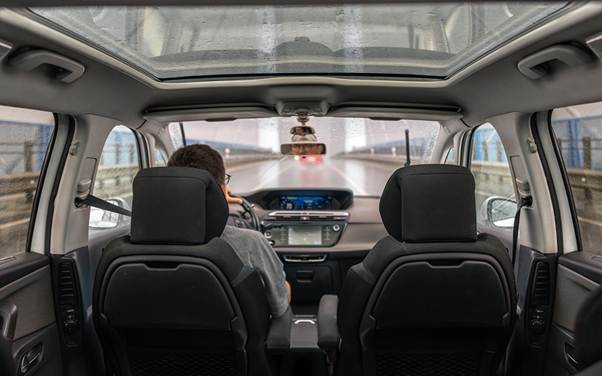
For those seeking the ultimate open-air experience, the panoramic sunroof stands out as a premium feature. This design spans a significantly larger portion of the vehicle’s roof, often extending over both the front and rear passenger seats. Panoramic sunroofs are typically comprised of multiple glass panels, either fixed or operable. Often part of the sunroof’s design includes a forward section that retracts, while the rear is fixed. This floods the cabin with natural light and provides breath-taking views.

Convertible Sunroofs: A Unique & Rare Breed

A unique and less common type is the convertible sunroof, also referred to as a “ragtop” or “folding” sunroof. This design typically features a large, fabric-covered panel that folds back, creating a significantly larger opening than traditional sunroofs. It essentially mimics the open-air feel of a convertible, but without compromising the vehicle’s overall structure and safety. While offering a unique aesthetic and abundant sunshine, convertible sunroofs can be more prone to wear and tear compared to solid glass panels. To keep it in top condition, regular maintenance from a trusted Auto Repair in Provo, UT can help prevent leaks and mechanical issues.

Choosing the Right Option for You

Ultimately, the best type of car sunroof depends on individual preferences, budget, and vehicle type. Consider your desired level of open-air experience, ventilation needs, and budget constraints. Pop-up sunroofs offer a simple and affordable solution, while sliding sunroofs provide increased functionality and versatility. For those seeking the ultimate in panoramic views, the panoramic sunroof is the ideal choice, but be prepared for a higher price tag. And for a truly unique approach, a convertible sunroof might be just what you’re after.