Category

Buying & Selling

Category

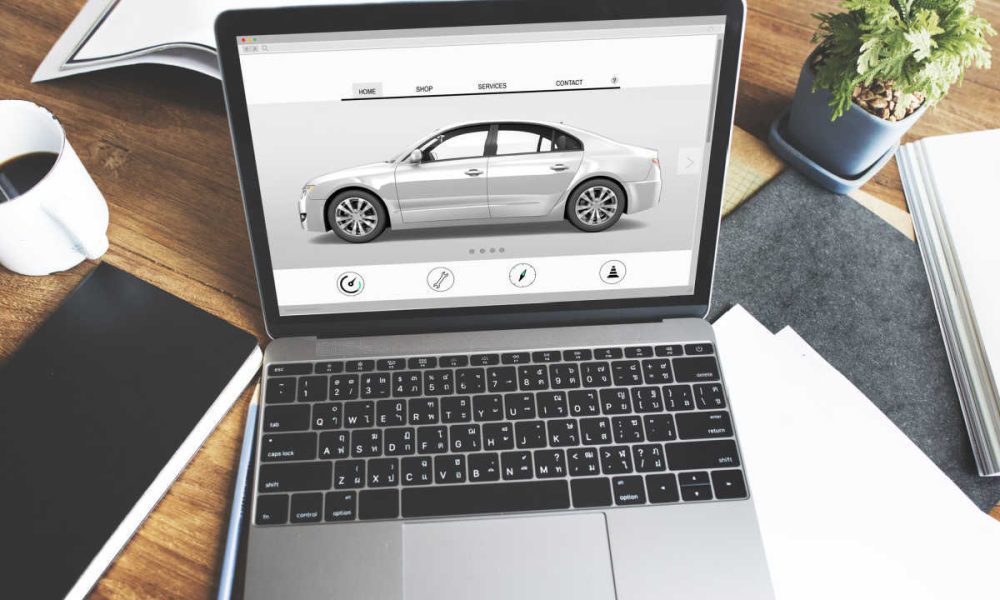
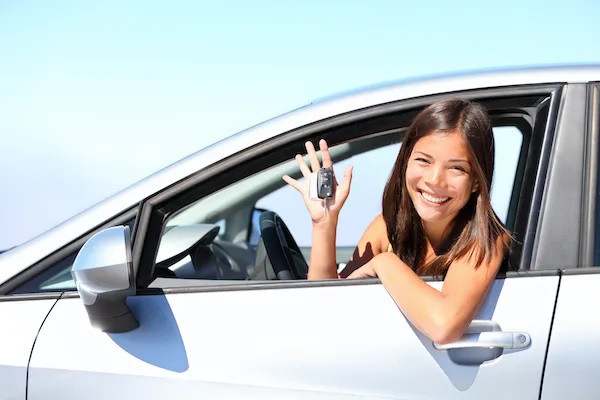
Gone are the days when people used to visit car dealerships to buy a new or used car. The emergence of online marketplaces has transformed the auto selling experience, making it easier, convenient and hassle-free for both buyers and sellers. In this article, we will discuss the role of online marketplaces in transforming the auto selling experience.

Increased Reach and Visibility

Online marketplaces have opened up new opportunities for buyers and sellers. With the help of online marketplaces, sellers can reach a wider audience, both nationally and internationally. This increased reach and visibility has resulted in higher sales and profits for sellers. Buyers, on the other hand, have more options to choose from and can easily compare prices and features of different cars before making a decision.

Transparency and Trust

Online marketplaces have also brought transparency and trust into the auto selling experience. Buyers can view detailed information about the car they are interested in, including its history, condition, and maintenance records. This information helps buyers make an informed decision and builds trust between buyers and sellers. Online marketplaces also provide a platform for buyers and sellers to communicate and negotiate directly, resulting in a smoother and more transparent transaction.

Convenience and Time-Saving

The convenience and time-saving benefits of online marketplaces cannot be overstated. Buyers no longer have to visit multiple dealerships or spend hours browsing classified ads to find their dream car. With online marketplaces, buyers can easily search for the car they want, filter their search by make, model, year, and price, and even set up alerts when a new listing matches their criteria. Sellers can also save time and money by listing their cars online and avoiding the need for expensive advertising campaigns.

Secure and Reliable Transactions

Online marketplaces have also made auto transactions more secure and reliable. Most online marketplaces have a secure payment system in place, which ensures that the buyer’s payment is secure until the car is delivered. This protects both the buyer and the seller from fraud and other risks. Sellers can also take advantage of escrow services, which hold the buyer’s payment until the car is delivered and inspected, further increasing the security and reliability of the transaction.

Conclusion

Online marketplaces have revolutionized the auto selling experience, making it easier, convenient, and transparent for both buyers and sellers. By bringing together buyers and sellers from all over the world, online marketplaces have increased reach and visibility, built trust and transparency, saved time and money, and made transactions more secure and reliable. The auto industry has been transformed by online marketplaces, and it is safe to say that the future of auto sales is online.


Buying a car can be an exciting experience, but negotiating the best deal for your car can be a daunting task. With a little preparation and a few negotiation skills, you can save thousands of dollars on your next car purchase. Here is a step-by-step guide to help you negotiate the best deal for your car:

Step 1: Research

The first step in negotiating the best deal for your car is research. Research the make and model of the car you want to buy, its features, and its market value. You can use online resources like Kelly Blue Book and Edmunds to get an idea of the car’s value. Also, research the dealer’s prices and promotions to help you negotiate the best deal.

Step 2: Know Your Budget

Before you start negotiating, know your budget and stick to it. Determine the maximum amount you can afford to spend on the car, including taxes, registration fees, and other expenses. Keep in mind that the dealer may try to sell you additional services or products, like extended warranties or insurance, which can add to the cost of the car.

Step 3: Test Drive the Car

Test Drive the Car

Before you start negotiating, test drive the car to make sure it meets your needs and expectations. During the test drive, pay attention to the car’s features, comfort, and performance. If you are not satisfied with the car, don’t be afraid to walk away.

Step 4: Start Negotiating

Now that you have done your research, know your budget, and test-driven the car, it’s time to start negotiating. Begin by making an offer that is lower than the dealer’s asking price but still within the range of the car’s value. Be prepared for the dealer to counteroffer and negotiate until you reach a price that is within your budget.

Step 5: Beware of Additional Fees

During the negotiation process, be aware of additional fees that the dealer may add to the cost of the car, such as documentation fees, dealer preparation fees, and advertising fees. These fees can add up quickly and significantly increase the cost of the car.

Step 6: Get the Deal in Writing

Once you have negotiated the best deal for your car, make sure you get it in writing. The written agreement should include the final price of the car, any additional fees, and any promises made by the dealer, such as a warranty or service agreement.

Step 7: Consider Financing Options

If you need financing for your car purchase, consider all your options before signing any loan agreement. Shop around for the best interest rates and terms, and be aware of any penalties or fees for early repayment.

Conclusion

Negotiating the best deal for your car requires research, preparation, and negotiation skills. By following these steps, you can save thousands of dollars on your next car purchase and drive away with a car that meets your needs and budget.

Buying a used car can be a great way to save money, but it also comes with its own set of risks. Unfortunately, there are many unscrupulous individuals out there who are looking to take advantage of unsuspecting buyers. To help protect yourself, it’s important to know how to spot and avoid common used car scams.

Research the Car and the Seller

Research the Car and the Seller

The first step in avoiding a used car scam is to do your research. This includes researching the car you’re interested in buying and the seller. Start by looking up the car’s make and model to get an idea of its value and common issues. Then, research the seller by checking their reputation online and verifying that they have a legitimate business address and phone number.

Inspect the Car Thoroughly

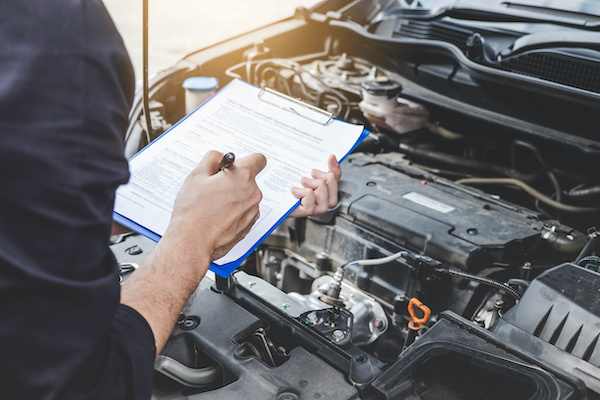
When you go to see the car, be sure to inspect it thoroughly. Check the exterior and interior for any damage or signs of wear and tear. Take the car for a test drive and listen for any strange noises or issues with the brakes or steering. Finally, have a mechanic inspect the car to ensure that there are no hidden issues.

Watch Out for These Common Used Car Scams

  • The Bait and Switch: This is when the seller advertises a car at a low price, but when you arrive, they try to steer you towards a more expensive car.
  • The Flood Car: This is when a car has been damaged in a flood and then cleaned up to look like new.
  • The Odometer Rollback: This is when the seller rolls back the odometer to make it seem like the car has fewer miles than it actually does.
  • The Salvage Title: This is when a car has been declared a total loss by an insurance company, but then repaired and sold as a used car.
  • The Stolen Car: This is when the seller tries to sell you a car that has been stolen.

Final Thoughts

Buying a used car can be a great way to save money, but it’s important to be cautious and do your research to avoid common scams. Always inspect the car thoroughly and watch out for red flags like a seller who is unwilling to let you take the car to a mechanic. By taking the time to do your due diligence, you can avoid becoming a victim of a used car scam and find a great car at a fair price.

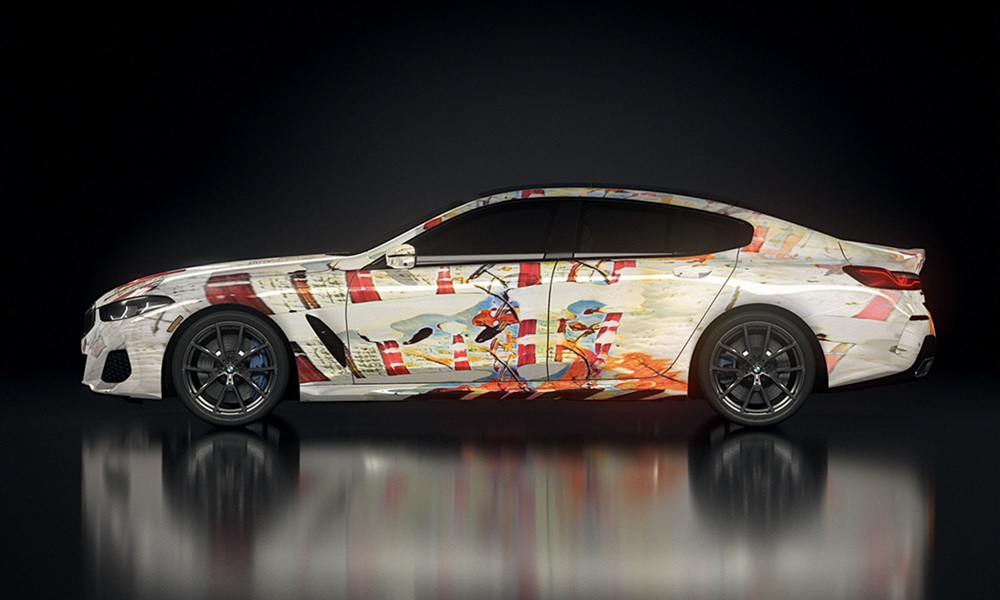
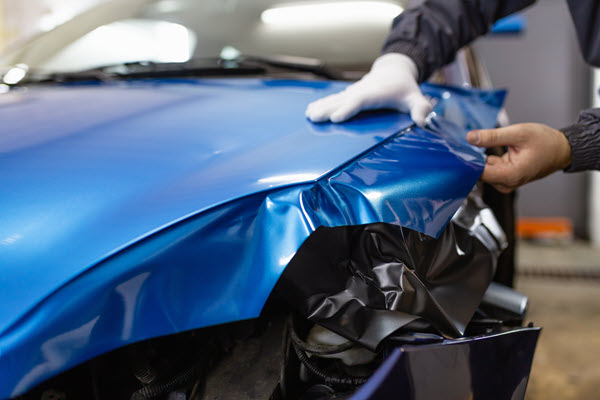
Car wrapping is increasingly becoming a popular trend among car owners who want to give their vehicles a unique and personalized look. This technique involves covering the car’s original paint with vinyl decals or wraps, which are available in a wide range of colors, patterns, and finishes.

Why Wrap Your Car?

Car wrapping offers several benefits over traditional painting methods:

  • Cost-effective: Car wrapping is a more affordable option than repainting your vehicle. It is also a great way to protect your car’s paint from scratches, dents, and other damages.
  • Customizable: Vinyl wraps come in endless design options, allowing you to create a truly unique look for your car.
  • Easy to Install and Remove: Vinyl wraps can be easily installed and removed without damaging the car’s paint. This means you can change the look of your car as often as you like.
  • Resale Value: A well-maintained vinyl wrap can actually increase your car’s resale value, as it helps to preserve the original paint and keeps the car looking new for longer.

The Process of Car Wrapping

The car wrapping process typically involves the following steps:

  1. Design: The first step is to choose a design for your car wrap. This can be a custom design created by a professional graphic designer, or you can choose from pre-made designs.
  2. Preparation: The car’s surface must be thoroughly cleaned and prepared before the vinyl wrap can be applied. This involves removing any dirt, grease, or wax from the surface.
  3. Installation: The vinyl wrap is carefully applied to the car’s surface, with special attention paid to corners, curves, and other tricky areas. The vinyl is then heated with a heat gun to conform to the car’s contours.
  4. Finishing: Once the vinyl wrap is applied, the edges are trimmed and the wrap is smoothed out to eliminate any bubbles or wrinkles. The car is then inspected to ensure that the wrap is properly applied and there are no imperfections.

Caring for Your Car Wrap

Caring for Your Car Wrap

Proper maintenance is important to ensure that your car wrap lasts for as long as possible. Here are some tips for caring for your vinyl wrap:

  • Wash regularly: Regularly washing your car with a mild detergent and water will help to keep the vinyl wrap clean and free from dirt and debris.
  • Avoid harsh chemicals: Harsh chemicals such as bleach or abrasive cleaners can damage the vinyl wrap and should be avoided.
  • Avoid high-pressure washing: High-pressure washing can damage the vinyl wrap and cause it to peel or bubble.
  • Use a soft cloth: When drying your car, use a soft cloth or chamois to avoid scratching the vinyl.

Overall, car wrapping is a great way to transform the look of your vehicle and make it truly unique. With a wide range of design options and benefits over traditional painting methods, car wrapping is a trend that is here to stay.

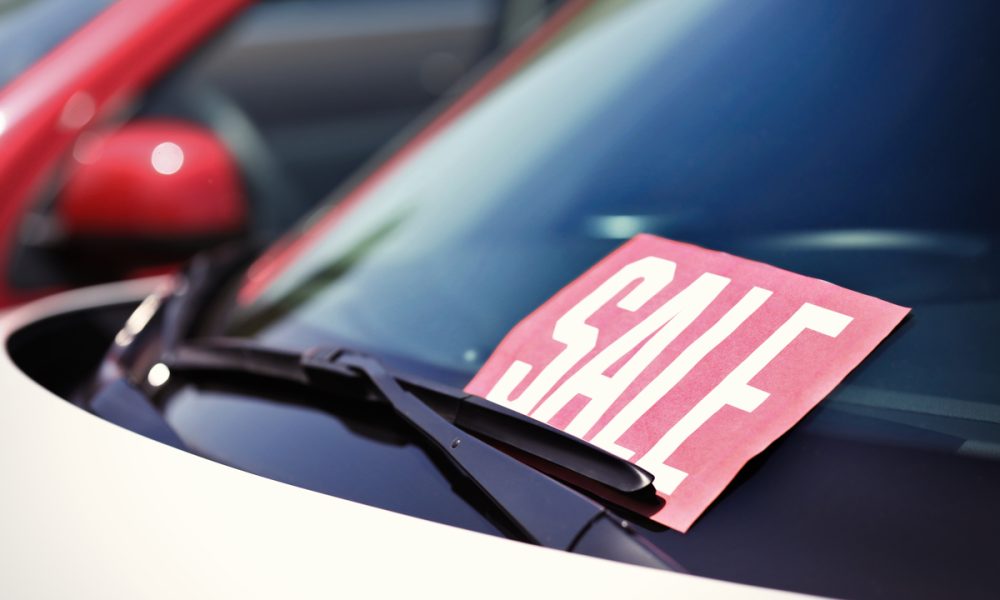
When it comes to buying or selling a used car, the vehicle’s history plays a crucial role in determining its resale value. A vehicle’s history includes various factors like accidents, maintenance schedule, mileage, and ownership. In this article, we will decode the impact of vehicle history on the resale value of a car.

Accidents

One of the most significant factors that can impact a car’s resale value is its accident history. If a car has been involved in an accident, it can decrease its value by up to 20%. Even if the car has been repaired and looks fine, potential buyers may still be hesitant to purchase it. This is because accidents can cause hidden damage that may not be visible to the naked eye, and the car may have a higher risk of future problems.

Maintenance Schedule

Maintenance Schedule

The maintenance schedule of a car is another essential factor in determining its resale value. If a car has been regularly serviced and maintained, it is likely to have a higher resale value. On the other hand, if a car has been neglected and not serviced regularly, potential buyers may be wary of purchasing it. This is because a poorly maintained car can have hidden problems that may lead to costly repairs in the future.

Mileage

mileage

The mileage of a car is another critical factor that can impact its resale value. Generally, cars with lower mileage tend to have a higher resale value than those with higher mileage. This is because a car with lower mileage is likely to have less wear and tear and fewer potential problems. However, this may not always be the case, as a car that has been driven infrequently or left sitting for long periods can also have problems.

Ownership

The number of previous owners a car has had can also impact its resale value. A car that has had one or two owners is likely to have a higher resale value than one that has had several owners. This is because a car that has had fewer owners is likely to have been better maintained and cared for than one that has had multiple owners.

Conclusion

In conclusion, the vehicle’s history plays a critical role in determining its resale value. Factors like accidents, maintenance schedule, mileage, and ownership can all impact a car’s value. When buying or selling a used car, it is crucial to consider the vehicle’s history carefully. By doing so, you can ensure that you get the best value for your money and avoid potential problems down the road.