Category

Electric Vehicles

Category

Electric vehicles (EVs) are gaining popularity due to their eco-friendliness and the potential to significantly reduce carbon emissions. However, the major challenge EVs face is their battery technology. The majority of EVs use lithium-ion batteries, which have limited energy density and safety concerns. To overcome these challenges, researchers are exploring solid-state batteries as the next-generation battery technology for EVs. In this article, we will explore the latest developments in solid-state batteries for EVs.

What are Solid-State Batteries?

Solid-state batteries are a type of battery technology that uses solid electrolytes instead of liquid electrolytes used in conventional lithium-ion batteries. Solid-state batteries offer several advantages over traditional lithium-ion batteries, such as higher energy density, faster charging, and improved safety. Solid-state batteries also have the potential to use lithium metal as an anode, which can further increase energy density.

Lithium Metal Batteries

Lithium metal batteries are one of the most promising solid-state battery technologies for EVs. Lithium metal batteries use lithium metal as an anode, which has a higher energy density than graphite used in traditional lithium-ion batteries. The use of lithium metal anodes can significantly increase the energy density of a battery, which can increase the driving range of an EV.

However, the use of lithium metal anodes comes with safety concerns, as lithium metal is highly reactive and can cause thermal runaway if it comes in contact with liquid electrolytes. Researchers are exploring several approaches to overcome this challenge, such as using solid-state electrolytes and functional coatings on the lithium metal anode.

Solid-State Electrolytes

Solid-state electrolytes are a critical component of solid-state batteries. Solid-state electrolytes offer several advantages over liquid electrolytes, such as improved safety and higher energy density. The use of solid-state electrolytes also eliminates the need for a separator, which is required in traditional lithium-ion batteries.

Researchers are exploring several types of solid-state electrolytes, such as ceramic, polymer, and composite electrolytes. Ceramic electrolytes offer high ionic conductivity but are brittle and difficult to manufacture. Polymer electrolytes offer flexibility and ease of manufacturing but have lower ionic conductivity than ceramic electrolytes. Composite electrolytes combine the advantages of both ceramic and polymer electrolytes and offer high ionic conductivity and flexibility.

Conclusion

Solid-state batteries offer several advantages over traditional lithium-ion batteries, such as higher energy density, faster charging, and improved safety. Lithium metal batteries using solid-state electrolytes are one of the most promising solid-state battery technologies for EVs. However, several challenges need to be overcome before solid-state batteries become commercially viable, such as improving the manufacturing process and reducing the cost of production.

  • Higher energy density than traditional lithium-ion batteries.
  • Faster charging capability.
  • Improved safety compared to traditional lithium-ion batteries.
  • Potential to use lithium metal as an anode, which can increase energy density.

Despite the challenges, the development of solid-state batteries for EVs is an exciting field, and researchers are optimistic about its potential. With continued research and development, solid-state batteries could revolutionize the EV industry and make electric vehicles the norm rather than the exception.


All-terrain vehicles (ATVs) are one of the most popular recreational vehicles around the world. They are designed to traverse rough terrains, making them a favorite among adventurers and thrill-seekers. However, ATVs can also be dangerous if not used properly. Here are some safety measures to consider when riding ATVs:

Wear Protective Gear

One of the most important safety measures when riding ATVs is to wear protective gear. This includes a helmet, gloves, boots, and a long-sleeved shirt and pants. These items can help protect you from head injuries, cuts, bruises, and burns. It is also important to wear goggles or a face shield to protect your eyes from dust, dirt, and other debris.

Take a Safety Course

Before riding an ATV, it is important to take a safety course. These courses teach riders how to operate the vehicle safely, how to handle emergency situations, and how to avoid accidents. Many ATV manufacturers offer these courses for free or at a low cost.

Inspect the ATV

Inspect the ATV

Before riding an ATV, inspect it to make sure it is in good condition. Check the brakes, tires, and steering. Make sure all the parts are working properly and that there are no loose or missing parts.

Ride in a Safe Area

When riding an ATV, make sure to ride in a safe area. Avoid riding on paved roads, as ATVs are designed for off-road use. Also, avoid riding in areas with steep slopes, deep water, or other hazards. Stick to designated trails and areas that are suitable for ATVs.

Ride at a Safe Speed

When riding an ATV, always ride at a safe speed. Avoid excessive speed, and adjust your speed to the terrain and conditions. Be especially cautious when riding downhill, as it is easy to lose control of the vehicle at high speeds.

Ride with a Buddy

When riding an ATV, it is always safer to ride with a buddy. This way, you can help each other in case of emergency or accidents. It also makes the ride more enjoyable and less risky.

Never Drink and Ride

Finally, never drink and ride an ATV. Alcohol impairs your judgment and slows your reaction time, making it dangerous to operate any vehicle. If you plan to drink, make sure to arrange for a designated driver or a safe ride home.

In conclusion, riding ATVs can be an exciting and enjoyable experience, but it can also be dangerous if not done safely. By following these safety measures, you can ensure that you have a fun and safe ride.

Wireless charging technology has been gaining popularity in recent years, and it has now made its way into the electric vehicle industry. This technology has the potential to revolutionize the way electric vehicles are charged and maintained, making them more convenient and user-friendly.

What is Wireless Charging?

Wireless charging is a technology that allows power to be transferred from a power source to an electronic device without the need for a physical connection. This is done using electromagnetic induction, which creates a magnetic field that transfers energy to the device. Wireless charging is already widely used in mobile phones, smartwatches, and other small electronic devices.

How Does Wireless Charging Work for Electric Vehicles?

Electric Vehicles....

Wireless charging for electric vehicles works in a similar way to wireless charging for other electronic devices. A charging pad is installed on the ground, and a receiver is installed on the underside of the vehicle. When the vehicle is parked over the charging pad, the receiver picks up the electromagnetic signal and converts it into electrical energy, which is then used to charge the vehicle’s battery.

The technology is not yet widely available for electric vehicles, but it is being developed by several companies. One of the most well-known companies working on wireless charging for electric vehicles is WiTricity. The company has developed a wireless charging system that can be retrofitted to existing electric vehicles.

Implications for Electric Vehicles

The emergence of wireless charging for electric vehicles has several implications for the industry. One of the most significant implications is the potential to make electric vehicles more convenient to use. Currently, one of the biggest barriers to widespread adoption of electric vehicles is the need to plug them in to charge. With wireless charging, users can simply park their vehicle over a charging pad, and the vehicle will start charging automatically. This eliminates the need for users to remember to plug in their vehicle every night and can make electric vehicles more attractive to consumers.

Another potential implication of wireless charging is the ability to charge electric vehicles on the go. Currently, electric vehicle owners must plan their trips carefully to ensure they can make it to their destination without running out of charge. With wireless charging, charging pads could be installed along highways and other busy roads, allowing electric vehicle owners to charge their vehicles on the go.

Conclusion

Wireless charging technology has the potential to revolutionize the way electric vehicles are charged and maintained. The convenience and ease-of-use of wireless charging could make electric vehicles more attractive to consumers and could help to increase the adoption of electric vehicles. While the technology is not yet widely available for electric vehicles, it is being developed by several companies, and it is likely that we will see more widespread adoption of wireless charging in the coming years.

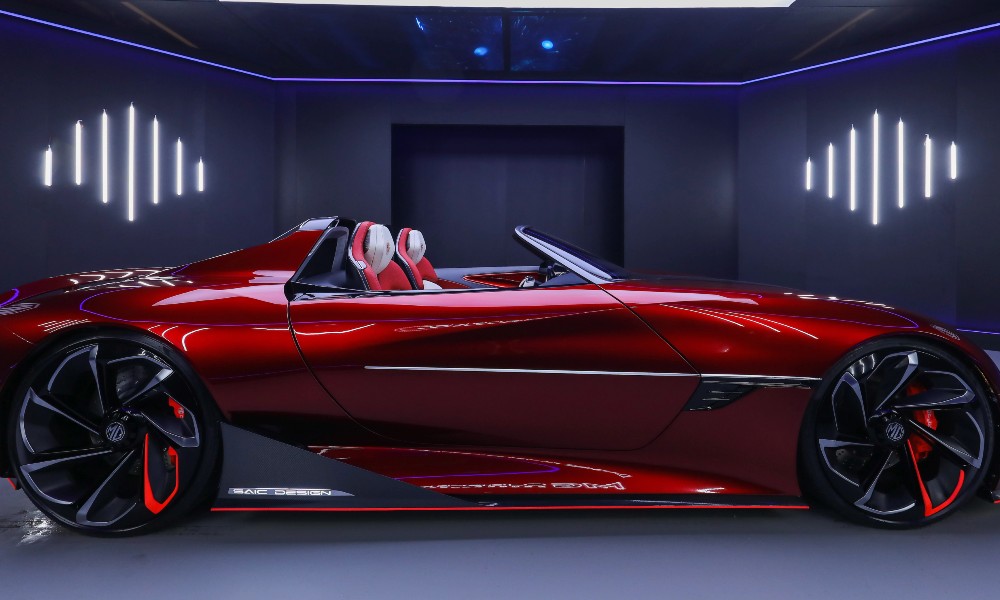
For decades, the roar of gasoline engines has been the soundtrack of racing. However, with advancements in technology and a growing concern for the environment, electric vehicles (EVs) are making their way onto the track. This shift to electric racing is not only changing the way we race, but it is also transforming the automotive industry as a whole.

The Rise of Electric Racing

The first electric racing series, Formula E, was launched in 2014. Since then, it has gained popularity and now hosts races in major cities around the world. The cars used in Formula E are powered by lithium-ion batteries and can reach speeds of up to 174 miles per hour. The series has also inspired other electric racing competitions, such as the Electric GT Championship and the Jaguar I-PACE eTROPHY.

One of the biggest advantages of electric racing is that it is much quieter than traditional racing. This has allowed races to be held in city centers without disturbing local residents. Electric racing is also more sustainable and produces zero emissions. This means that it is more environmentally friendly than traditional racing and helps to reduce the carbon footprint of the automotive industry.

Challenges of Electric Racing

While electric racing is becoming increasingly popular, there are still some challenges that need to be overcome. One of the biggest challenges is the limited range of electric vehicles. This means that races are often shorter than traditional races, and drivers need to carefully manage their battery life. Another challenge is the lack of sound, which some fans find less exciting than the roar of traditional engines.

Despite these challenges, electric racing is here to stay. The automotive industry is rapidly shifting towards electric vehicles, and racing is no exception. Many major automakers, such as Audi, BMW, and Mercedes-Benz, are already involved in electric racing. This involvement not only helps to promote their electric vehicles but also provides valuable data and feedback that can be used to improve their production cars.

The Future of Electric Racing

The Future of Electric Racing

As technology continues to advance, electric racing is only going to become more exciting and competitive. Battery technology is improving, which will increase the range and power of electric vehicles. New and innovative designs will also be developed, taking advantage of the unique characteristics of electric vehicles. This will create new opportunities for automakers, engineers, and drivers to push the limits of what is possible on the track.

Electric racing is not just a trend, it is a new era in the world of racing. It represents a shift towards a more sustainable and environmentally friendly automotive industry. It also provides a platform for innovation and competition that will drive the development of new technologies and designs. So, get ready to witness the future of racing, because it is electric!

Electric vehicles (EVs) and hydrogen fuel cell vehicles (FCVs) are two of the most talked-about technologies in the automotive industry today. Both of these technologies represent a significant shift away from traditional gasoline-powered cars and trucks. While both EVs and FCVs have their advantages and disadvantages, the question remains: which is the better technology for the future of transportation?

Electric Vehicles

Electric Vehicles..

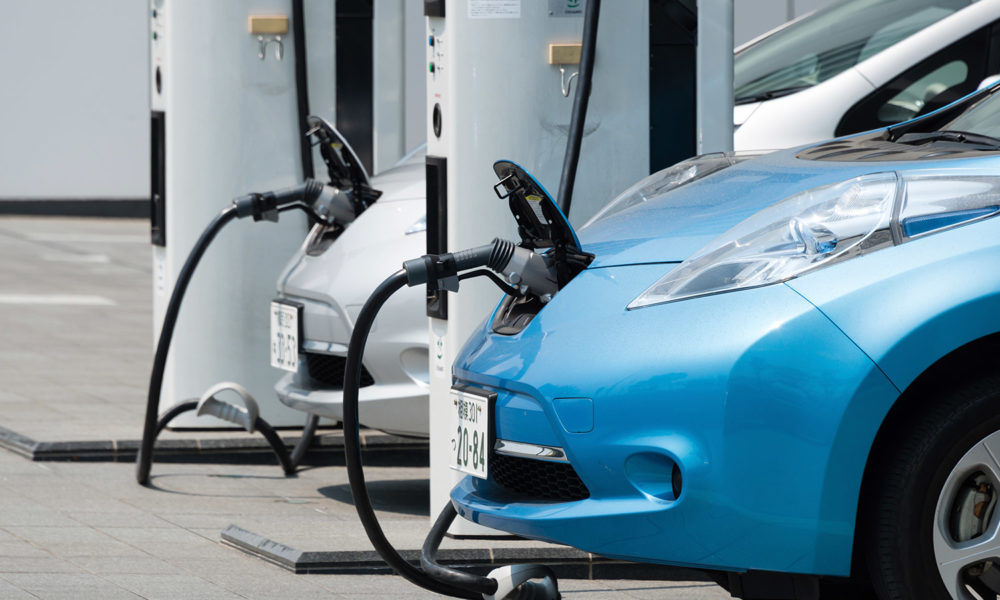
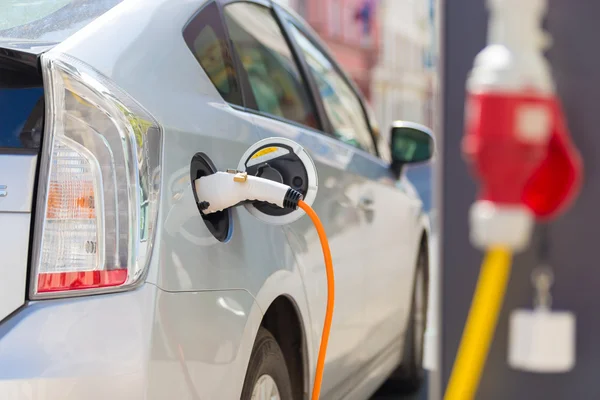
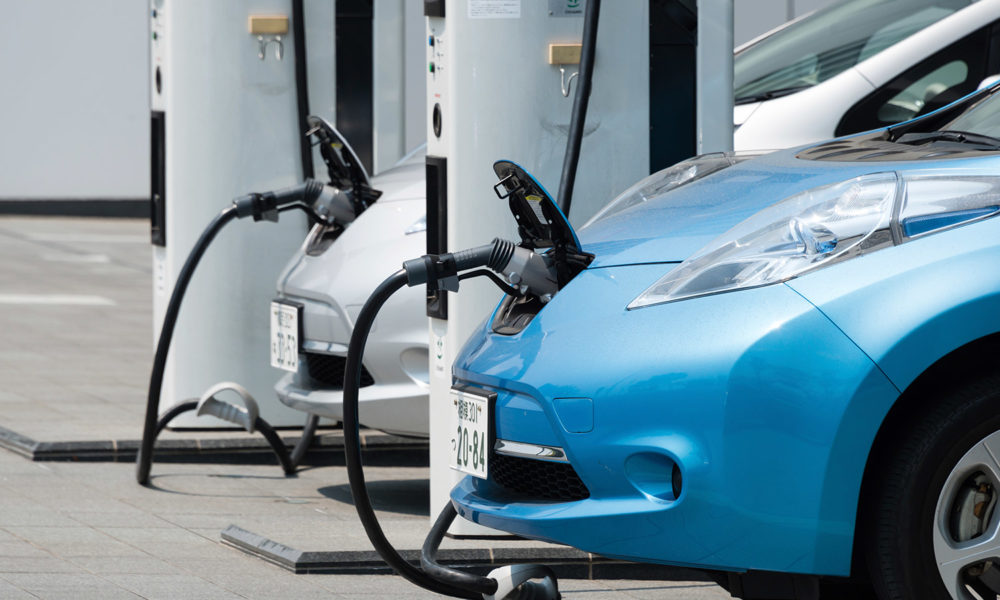
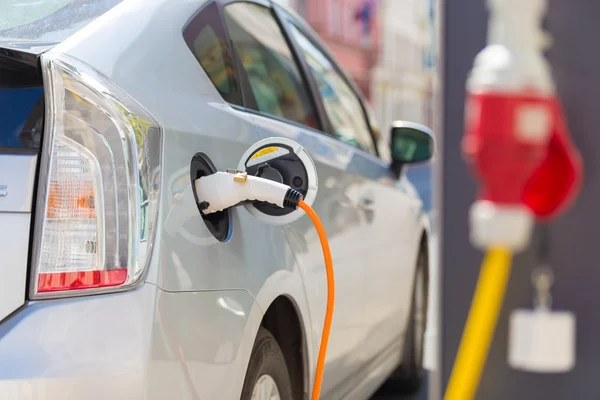
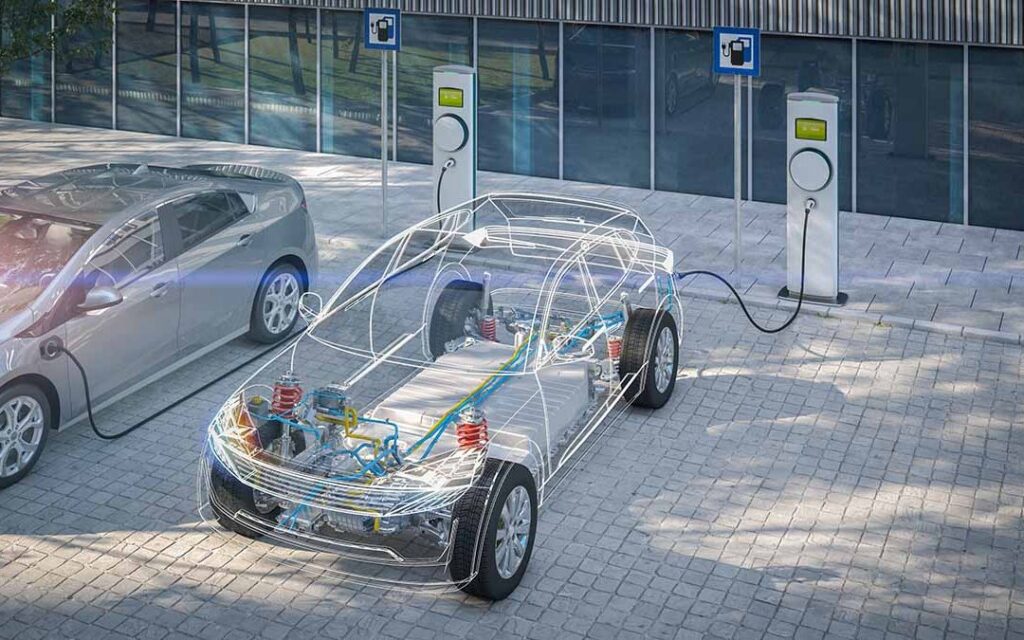
Electric vehicles are powered by batteries that store electricity, which is used to power an electric motor. These batteries can be charged by plugging them into an electrical outlet or charging station. EVs have become increasingly popular in recent years, thanks to advancements in battery technology and the push for more environmentally friendly transportation options.

  • Pros:
    • Zero emissions
    • Lower operating costs (electricity is cheaper than gasoline)
    • Quiet operation
    • Instant torque (no need for gears)
    • No need for oil changes or other routine maintenance
  • Cons:
    • Limited driving range (typically around 100-300 miles per charge)
    • Long charge times (can take several hours to fully charge)
    • Lack of charging infrastructure in some areas
    • Battery degradation over time (batteries will eventually need to be replaced)
    • Higher upfront cost compared to gasoline-powered vehicles

Hydrogen Fuel Cells

Hydrogen Fuel Cells

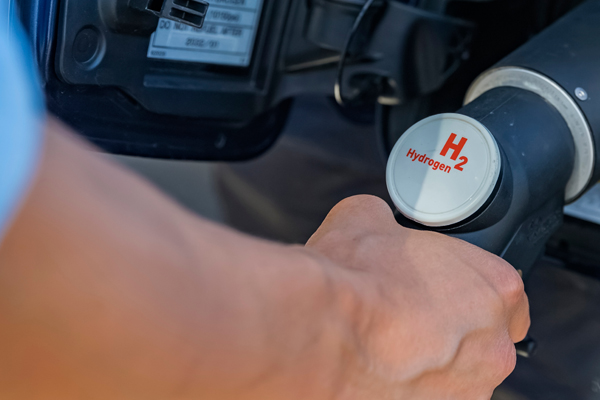
Hydrogen fuel cell vehicles are powered by an electrochemical reaction between hydrogen and oxygen to generate electricity, which is used to power an electric motor. Unlike EVs, which store electricity in a battery, FCVs generate electricity on demand. Hydrogen fuel cell technology has been in development for many years, but has only recently started to gain traction in the automotive industry.

  • Pros:
    • Zero emissions
    • Long driving range (typically around 300-400 miles per tank)
    • Fast refueling times (comparable to gasoline refueling times)
    • No need for oil changes or other routine maintenance
  • Cons:
    • Higher cost compared to gasoline-powered vehicles
    • Lack of refueling infrastructure in some areas
    • Hydrogen production is currently expensive and energy-intensive
    • Concerns about the safety of hydrogen storage and transportation
    • Less efficient than EVs (some energy is lost during the conversion process)

Conclusion

Both electric vehicles and hydrogen fuel cell vehicles have their advantages and disadvantages. EVs are currently more widely available and have a lower cost of ownership, but suffer from range anxiety and long charging times. Hydrogen fuel cell vehicles have a longer driving range and faster refueling times, but are currently more expensive and lack refueling infrastructure in many areas. Ultimately, the choice between these two technologies will depend on a variety of factors, including driving habits, geographic location, and personal preferences. As the technology continues to improve and become more widely available, both EVs and FCVs have the potential to revolutionize the way we think about transportation.