
Category

Featured

Category

Nowadays, municipal waste systems are becoming more pressured as cities grow and waste volumes rise. Traditional waste collection methods often rely on fixed schedules and manual monitoring, which can lead to overflowing bins, inefficient truck routes, and high operational costs. IoT platform solutions provide a new approach by enabling real-time monitoring, predictive planning, and resource optimisation. With the help of an advanced IoT waste management solution, municipalities can improve service quality, reduce labour demands, and build cleaner, more sustainable communities.

Real-Time Monitoring for Better Waste Collection Decisions

An advantage of IoT platform solutions is the ability to monitor waste levels. Smart sensors installed in bins collect data on fill levels, temperature, and usage patterns. This information helps municipal teams understand exactly when bins require servicing. Instead of following fixed collection schedules, waste crews can respond based on demand, which reduces unnecessary trips, fuel consumption, and manpower hours while ensuring that high-usage areas receive attention quickly.

Real-time insights also minimise risks such as bin overflow, unpleasant odours, and pest attraction. When integrated into a central platform, alerts notify operators when bins reach capacity or when unusual conditions occur. By acting on these alerts, waste managers maintain cleaner streets and improve overall hygiene standards. Companies such as Overdrive IOT offer platforms that simplify how teams view and analyse data, making decision-making more efficient for municipalities.

Route Optimisation and Improved Fleet Management

An IoT waste management solution helps municipalities optimise their waste collection routes. Traditional routes often follow a fixed pattern that may not reflect actual bin usage. With IoT data, route planning software generates efficient schedules based on real bin conditions. Waste collection vehicles travel shorter distances, complete tasks faster, and use less fuel. This reduces operational costs and supports environmental goals by lowering carbon emissions.

Fleet management also becomes more effective. Sensors and connected devices can track vehicle location, fuel usage, and collection progress. Supervisors gain clearer oversight of daily operations and can assign tasks or reroute vehicles instantly. Maintenance needs become easier to identify through performance data, reducing the risk of breakdowns. Over time, municipalities that adopt IoT platform solutions see improved productivity and better utilisation of existing fleets without requiring major investments in new vehicles.

Predictive Maintenance and Long-Term Planning

IoT technology supports predictive maintenance. An IoT waste management solution can detect patterns indicating equipment wear, abnormal usage, or temperature fluctuations in bins. Municipalities can use this information to schedule maintenance tasks before issues escalate. Predictive maintenance reduces repair costs, prevents service disruptions, and prolongs the lifespan of waste collection equipment.

Long-term planning also improves when cities rely on accurate data rather than estimates. Waste generation trends, seasonal usage patterns, and location-specific demands become easier to analyse through IoT dashboards. Municipalities can decide where to place new bins, adjust manpower allocation, or plan infrastructure upgrades. Solutions from providers like Overdrive IOT offer analytics tools that help waste managers develop data-backed policies, ensuring resources are used efficiently.

Enhanced Sustainability and Community Satisfaction

Environmental sustainability is a growing priority for cities. By utilising IoT platform solutions, municipal waste systems can reduce fuel consumption, limit unnecessary vehicle movement, and support recycling efforts. Real-time data enables smarter planning that reduces emissions and supports green initiatives. Municipalities also build a stronger foundation for circular waste practices by tracking the movement of recyclable materials more accurately.

Cleaner streets and more reliable waste collection contribute to higher community satisfaction. Residents experience fewer overflowing bins, fewer odours, and improved cleanliness in public areas. Transparent reporting and digital communication channels allow municipalities to share performance updates with the public. Over time, these improvements build trust and demonstrate a strong commitment to public service.

Conclusion

The adoption of IoT platform solutions offers municipalities a practical way to modernise waste operations. Real-time monitoring, route optimisation, predictive maintenance, and sustainability benefits all contribute to a more efficient and responsive system. By integrating a reliable IoT waste management solution, cities can enhance service quality while managing resources responsibly. Providers such as Overdrive IOT help municipalities implement smart technologies that support long-term operational success.

Contact Overdrive IOT today to explore efficient IoT waste management solutions.

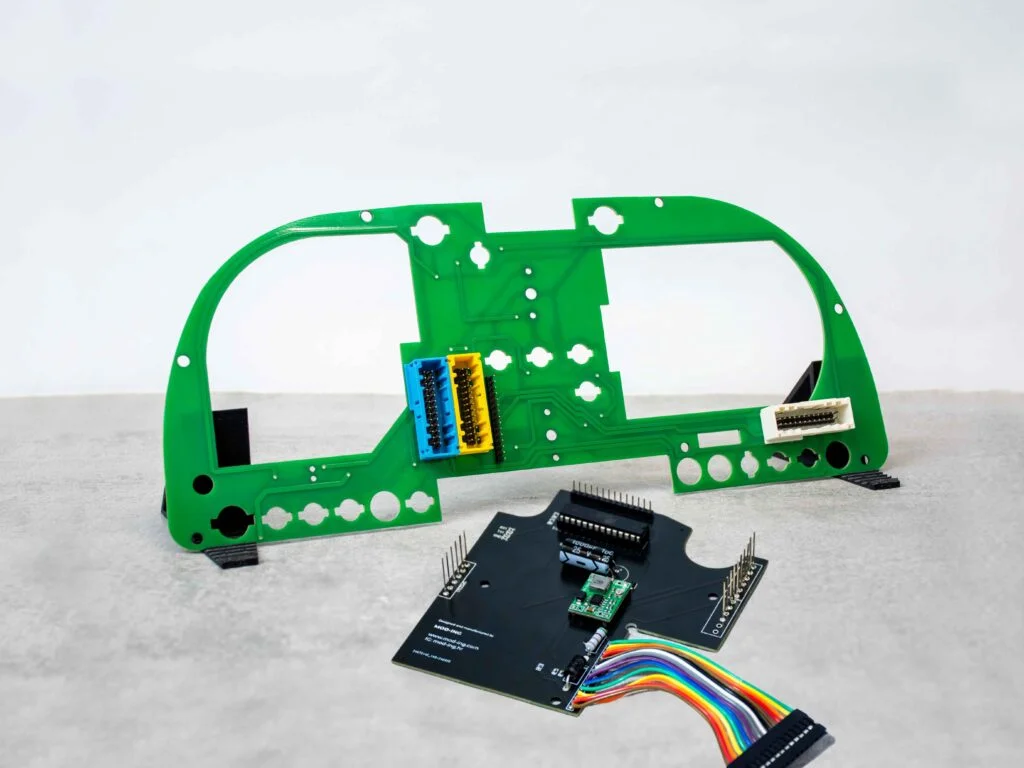
We can’t help but feel sentimental about the legendary E23 and E24. These vehicles are time machines – they deserve to be looked after today as much as they were when they rolled out of the factory. The instrument cluster and its supporting boards are one of the very important parts of getting accurate driving information.

Why Cluster Boards Matter

The instrument cluster is not just for displaying speed and the fuel level, but giving the driver critical up-to -date information about the performance of their car. When these systems go, it’s more than just inconvenient — it can make for less safe and less reliable driving.

Cluster boards of classic cars, such as the BMW E23 and E24, can show signs of wear and tear due to age. By restoring or replacing them, you can maintain your classic BMW’s ability to provide accurate readings while you’re on the road.

Main Cluster Board Function

The main cluster board for BMW E23 and E24 is to the instrument cluster, like the brain is to the central nervous system. It is the device that processes electrical connections and keeps gauges, warning lights, and indicator lamps functioning properly.

Cracked solder joints, bad caps, and corroded traces are all common failure modes over time. No power, the power issue is the most common board issue you can have.

  • Inaccurate gauge readings
  • Flickering or dead warning lights
  • Occasional loss of all power in dashboard

Owners must prioritize the maintenance of this board to ensure its functionality and authenticity for an extended period of time.

The SI (Service Indicator) Board, or Cluster SI Board, and its Significance

For service interval (SI) functions, the cluster SI board for BMW E23, E24, and E28 works in tandem with the main board. This board is responsible for the service indicator lights, and it allows the drivers to see when maintenance is due.

SI Board Problems These are generally concerned with the rechargeable batteries and can be caused by:

  • Service lights staying on permanently
  • Reset failures
  • Erratic gauge behavior

Replacing it with a fresh replacement board also solves battery issues but preserves the cluster as-designed.

So Why Would You Want to Repair or Replace Your Cluster Boards?

There are many advantages to upgrading your existing teeth with high quality replacements or restorations:

  • Accurate: Does not change the speed, fuel, and temperature.
  • Safety: No more driving with malfunction lights.
  • Durable: Increases the lifespan of your classic BMW’s gauge cluster.
  • Original Design: Classic appearance, more reliable.

Final Thoughts

BMWs such as the E23, E24, and E28 are not merely vehicles, but rather, mobile relics of the past. By preserving vintage components like the main cluster board for BMW E24 and E24 models and the cluster SI board for BMW E23, E24, and E28 models, enthusiasts guarantee the longevity of their vehicles and the satisfying ride quality they have grown to love.

Restoring a BMW is much more than simply getting it back on the road; it’s also about preserving the quality and attention to detail that went into making that particular model.

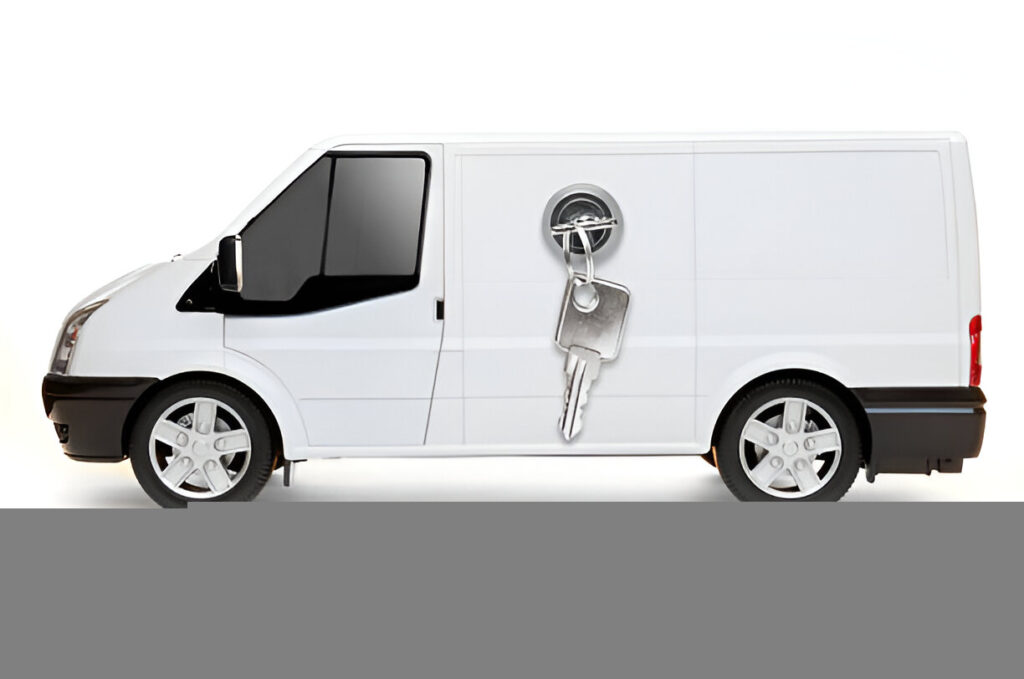
Van leasing is a flexible financial solution and an affordable choice instead of traditional buying, especially for organizations and people who need van for precise needs or limited time horizons.

You can access modern, well-maintained vehicles under van leasing agreements, although you don’t need to undertake long-term financial obligations to keep a car. This arrangement works well for tradespeople, delivery service organizations, and recreational explorers. This guide will show you how to understand the essential elements of van leasing for making well-informed decisions.

Find the Right Leasing Provider

When considering leasing options, it is crucial to find a reputable provider that caters to your specific needs. For those in West Wales, UK, the source is Swiss Vans, a leading van dealer.

This company provides both new and used vans from major manufacturers while offering flexible leasing options and thorough maintenance services. Their service portfolio encompasses customized finance deals, countrywide delivery, and personalized assistance for clients who need to lease products successfully.

Understand The Lease Types: Contract vs. Finance Lease

Basic knowledge about various van leasing options becomes essential for anyone interested. A typical contract hire arrangement that dominates the market requires customers to pay regular fixed monthly payments for fixed periods between two to five years.

Road tax maintenance and breakdown cover usually come bundled with this option, which simplifies budgeting and minimizes unexpected costs. You have the choice to purchase the rental van toward the end of your term through Finance lease agreements. The agreement offers flexibility yet requires you to bear the costs of road tax and maintenance expenses.

Key Considerations Before Signing

Your future leasing success depends on understanding your planned mileage before you commit to a leasing contract. Your agreement specifies a mileage limit, and your departure beyond that threshold will cost you additional payments.

Checking the condition of the vehicle at both the beginning and end of the lease period helps prevent damage charges from occurring. Check the lease agreement to understand precisely who maintains the van and provides insurance coverage and end-of-lease costs and allowances.

The Advantages of Van Leasing

Van leasing offers various advantages to its users. You gain access to modern, new, or nearly new vans equipped with advanced features and safety technologies through this arrangement without paying a principal upfront amount.

The predictable monthly payment system helps with budgeting and maintenance inclusion in many leasing arrangements that mitigate surprise costs. A business that chooses a leasing agreement releases trapped financial capital, which creates new opportunities and strengthens cash flow performance.

Registered leasing offers businesses tax advantages because rental payments can be claimed as deductions against taxable income.

Potential Drawbacks & Important Caveats

Leases contain specific disadvantages outside of their benefits. You must return the van at the end of the term while maintaining its good condition because the lease agreement does not include ownership.

Leases include heavy penalties if a customer chooses to end their commitment early, while penalties also apply when customers exceed their agreed mileage limits. People should thoroughly consider their financial outlook combined with their long-term requirements before pledging to a lease contract.

Conclusion

Van leasing provides people and organizations with convenient vehicle access through leasing terms that eliminate the need to buy vans. You can experience the advantages of van leasing through a reputable provider by selecting your exact needs and then understanding available options to prevent leasing problems.

Before finalizing the agreement, check all points carefully and ask for clarity on anything you are unsure about for a trouble-free leasing experience.

Understanding IRS mileage reimbursement rates is crucial whether you’re a business owner, self-employed, or an employee. These rates impact how much you can claim as a tax deduction and help you plan your budget. With new rates for 2025, staying informed ensures you follow IRS rules and maximize your tax benefits.

Understanding IRS Mileage Reimbursement Rates

What Are IRS Mileage Rates?

IRS mileage rates are standard amounts the IRS allows taxpayers to deduct for each mile driven for business, medical, or moving purposes. They set these rates annually based on vehicle costs. These rates serve as a guideline for reimbursement without needing detailed expenses.

Why Are Mileage Rates Important?

For self-employed people and small businesses, these rates define how much they can deduct for vehicle use, saving money on taxes. Employees often get reimbursed at these rates by their employers. Accurate rates mean better tax savings and clear expense mileage tracking.

How the IRS Sets Mileage Rates

The IRS looks at factors like fuel prices, vehicle maintenance, repairs, and depreciation. They analyze these costs to find a fair average rate. As gas prices jump or vehicle costs change, the mileage rate adjusts accordingly year to year.

IRS Mileage Rates for 2025

Updated Mileage Reimbursement Rate for 2025

The IRS has announced a mileage rate of 65.5 cents per mile for 2025. This is a slight increase from 2024’s rate of 62.5 cents. This trend shows rising vehicle operating costs, especially fuel and maintenance expenses.

Regional Variations and Special Circumstances

While the IRS sets a standard rate, some situations like moving or medical travel have their own rates. These might vary slightly based on local factors but generally follow the same trend as the main mileage rate. Knowing these helps you plan for different types of travel.

How These Rates Affect Your Tax Planning

If you drive 1,000 miles for work in 2025, you could deduct about $655 (at 65.5 cents per mile). That can add up quickly. To get the most out of these deductions, always keep detailed records and stay within IRS guidelines.

mileage tracking

Practical Applications of IRS Mileage Rates

For Self-Employed Individuals and Freelancers

Track your miles daily using digital apps or paper logs. When filing taxes, report your mileage in Schedule C or equivalent forms. This way, you ensure you don’t miss out on deductions.

For Employers and Businesses

Set reimbursement policies aligned with IRS rates. Maintaining accurate logs helps avoid audit issues and simplifies expense management. This practice keeps everyone compliant and transparent.

For Employees Reimbursed by Employers

Review your company’s reimbursement policies to ensure they match IRS rates. Keep detailed records of your drives to avoid any issues during audits or tax reviews.

Tools and Resources for Mileage Tracking in 2025

Best Mileage Tracking Apps and Software

Popular options include MileIQ, Everlance, and Stride. They automatically track your drives and generate detailed reports. They help you stay precise and compliant with IRS rules.

IRS Resources and Publications

Tips for Maintaining Accurate Mileage Records

  • Log your trips daily—don’t rely on memory.
  • Use apps for easy, digital record keeping.
  • Record date, purpose, starting point, and ending location.
  • Keep backup copies in case of audit or review.

Key Considerations and Common Pitfalls

Staying Updated with the IRS Rates

Rates change annually. Always verify the latest rate before claiming expenses. Subscribing to IRS updates or consulting a tax professional helps.

Ensuring Compliance with IRS Policies

Only count miles driven for business, charity, or moving. Personal miles aren’t deductible. Mix-ups can trigger audits or penalties.

Adjusting Business Practices Based on Rate Changes

Re-evaluate your reimbursement policies yearly. Make sure employees and freelancers know about new rates. Proper updates help avoid errors.

Conclusion

Knowing the IRS mileage reimbursement rates for 2025 is essential for accurate tax planning and expense management. Staying informed, mileage tracking your miles diligently, and consulting professionals can boost your savings and keep you compliant. Use the right tools and keep records up to date—making your mileage deductions straightforward and beneficial.

Remember, the right information can save you money. Keep an eye on IRS updates and always document your travel accurately. This approach ensures you get the most benefit from your mileage and avoid costly mistakes.