
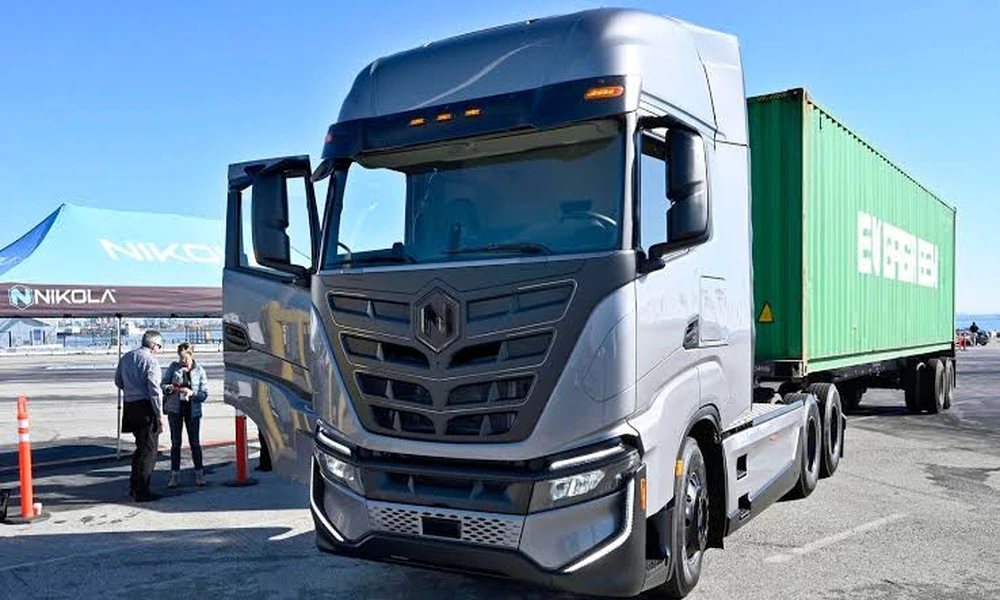
Businesses that run heavy vehicles have tended to assume that electrification incentives are aimed at cars and small vans, with nothing meaningful for trucks. That was broadly true until recently. The heavy vehicle zero emissions scheme, which covers vehicles registered from 1 January 2026 to 31 December 2028, changes the position for heavier goods vehicles and buses. It is a time-limited measure with specific thresholds and a staged payment structure, so it rewards careful reading as much as early interest.
What the Scheme Is For
Heavy vehicles are a small share of the vehicle population but a disproportionate source of land transport emissions, because they cover long distances carrying large loads on diesel. Zero-emission alternatives exist but carry a significant price premium. The scheme is intended to narrow that premium during the early years of adoption, in line with the national aim for all vehicles to run on cleaner energy by 2040. It is administered through the Land Transport Authority.
Which Vehicles Qualify
Eligibility rests on two tests. The vehicle must be a heavy goods vehicle, including goods-cum-passenger types, or a bus, with a maximum laden weight exceeding 3,500kg. It must also have zero tailpipe emissions, which in practice means battery electric or hydrogen fuel cell drivetrains. Hybrids and cleaner diesel models do not meet the second test. The weight figure is the registered maximum laden weight and not the unladen weight or typical payload.
Who Should Pay Attention
The scheme is relevant to any business that registers heavy vehicles in its own name: logistics and distribution firms, construction and building material suppliers, waste and recycling operators, bus operators and companies running their own delivery fleets. It also matters to businesses that lease, because the lessor’s access to the incentive will usually be reflected in the rental. Firms whose vehicles return to a depot each night are the most natural candidates, since depot charging removes much of the operational uncertainty.
The Boundary With Lighter Vehicles
The 3,500kg line matters because vehicles at or below it are dealt with under a separate scheme for light commercial vehicles, with different amounts and dates. Many urban delivery trucks sit close to this threshold, and variants of the same model can fall on either side. A business comparing an electric 10ft lorry singapore dealers offer in more than one weight configuration should establish the registered weight of the exact variant before assuming which incentive will apply.
Incentive Amounts and the September 2026 Change
The scheme originally offered $40,000 per eligible vehicle. From 3 September 2026, the incentive for lighter heavy vehicles, those with a maximum laden weight above 3,500kg and up to 7,000kg, was reduced to $15,000. Vehicles above 7,000kg continue to qualify for $40,000. This adjustment within the first year shows that terms are not fixed for the scheme’s duration, and any budget should be based on the figures in force at the expected registration date.
How Payment Is Staged
The incentive is not paid in one sum. For the lighter class it is disbursed as $5,000 at registration, $5,000 on the first anniversary and $5,000 on the second. For the heavier class the instalments are $13,000, $13,000 and $14,000 on the same schedule. Only the first instalment is available when the vehicle is acquired. Financing therefore needs to cover the full purchase price, with the later payments treated as income in subsequent years.
Conditions That Affect Later Instalments
Staged payment implies continuing conditions. A vehicle that is deregistered, exported or otherwise ceases to meet the scheme’s terms before an anniversary may not receive the remaining instalments. Businesses that lease vehicles or expect to restructure their fleet within two years should check who receives each payment and what happens on transfer. The official terms and conditions set out these points in detail and should be read in full before any commitment is made.
Operational Questions Beyond the Incentive
An incentive does not make a vehicle suitable. Heavy electric trucks need charging capacity at the depot or reliable access to high-power public charging, and the electrical upgrade can take longer to arrange than the vehicle itself. Battery weight reduces payload within a given laden weight. Daily routes must fit within the usable range with allowance for air conditioning and traffic. These factors should be tested against real duty cycles before the financial case is examined.
Combining With Other Support
The heavy vehicle incentive sits alongside other measures affecting commercial fleets, including the emissions-based scheme for lighter vehicles and arrangements that encourage early replacement of older diesel models. A mixed fleet may draw on more than one of these across a replacement cycle. Anyone researching a commercial vehicle grant singapore should map each vehicle to the scheme that matches its weight and drivetrain, since the amounts, dates and payment terms differ between them.
Deciding Whether and When to Act
Start with the vehicles nearing replacement and identify those above 3,500kg whose routes suit electric operation. Confirm the current incentive and conditions directly with the LTA, then ask suppliers for firm registration dates. Build the cash flow around staged receipts and include charging infrastructure in the capital plan. If the numbers work only with the incentive at today’s level, treat delivery timing as a principal risk and agree with the supplier how a change in terms would be handled.

1 Comment
Pingback: How Does Car Shipping Work? A Step-by-Step Guide - Auto Lium