
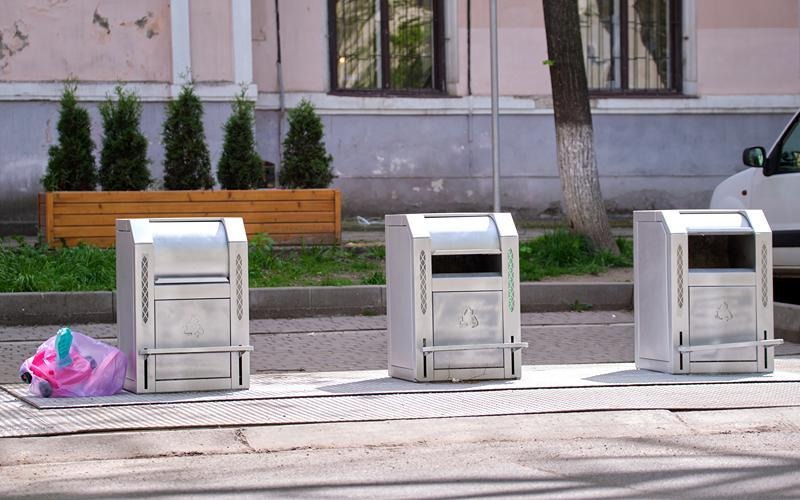
Nowadays, municipal waste systems are becoming more pressured as cities grow and waste volumes rise. Traditional waste collection methods often rely on fixed schedules and manual monitoring, which can lead to overflowing bins, inefficient truck routes, and high operational costs. IoT platform solutions provide a new approach by enabling real-time monitoring, predictive planning, and resource optimisation. With the help of an advanced IoT waste management solution, municipalities can improve service quality, reduce labour demands, and build cleaner, more sustainable communities.
Real-Time Monitoring for Better Waste Collection Decisions
An advantage of IoT platform solutions is the ability to monitor waste levels. Smart sensors installed in bins collect data on fill levels, temperature, and usage patterns. This information helps municipal teams understand exactly when bins require servicing. Instead of following fixed collection schedules, waste crews can respond based on demand, which reduces unnecessary trips, fuel consumption, and manpower hours while ensuring that high-usage areas receive attention quickly.
Real-time insights also minimise risks such as bin overflow, unpleasant odours, and pest attraction. When integrated into a central platform, alerts notify operators when bins reach capacity or when unusual conditions occur. By acting on these alerts, waste managers maintain cleaner streets and improve overall hygiene standards. Companies such as Overdrive IOT offer platforms that simplify how teams view and analyse data, making decision-making more efficient for municipalities.
Route Optimisation and Improved Fleet Management
An IoT waste management solution helps municipalities optimise their waste collection routes. Traditional routes often follow a fixed pattern that may not reflect actual bin usage. With IoT data, route planning software generates efficient schedules based on real bin conditions. Waste collection vehicles travel shorter distances, complete tasks faster, and use less fuel. This reduces operational costs and supports environmental goals by lowering carbon emissions.
Fleet management also becomes more effective. Sensors and connected devices can track vehicle location, fuel usage, and collection progress. Supervisors gain clearer oversight of daily operations and can assign tasks or reroute vehicles instantly. Maintenance needs become easier to identify through performance data, reducing the risk of breakdowns. Over time, municipalities that adopt IoT platform solutions see improved productivity and better utilisation of existing fleets without requiring major investments in new vehicles.
Predictive Maintenance and Long-Term Planning
IoT technology supports predictive maintenance. An IoT waste management solution can detect patterns indicating equipment wear, abnormal usage, or temperature fluctuations in bins. Municipalities can use this information to schedule maintenance tasks before issues escalate. Predictive maintenance reduces repair costs, prevents service disruptions, and prolongs the lifespan of waste collection equipment.
Long-term planning also improves when cities rely on accurate data rather than estimates. Waste generation trends, seasonal usage patterns, and location-specific demands become easier to analyse through IoT dashboards. Municipalities can decide where to place new bins, adjust manpower allocation, or plan infrastructure upgrades. Solutions from providers like Overdrive IOT offer analytics tools that help waste managers develop data-backed policies, ensuring resources are used efficiently.
Enhanced Sustainability and Community Satisfaction
Environmental sustainability is a growing priority for cities. By utilising IoT platform solutions, municipal waste systems can reduce fuel consumption, limit unnecessary vehicle movement, and support recycling efforts. Real-time data enables smarter planning that reduces emissions and supports green initiatives. Municipalities also build a stronger foundation for circular waste practices by tracking the movement of recyclable materials more accurately.
Cleaner streets and more reliable waste collection contribute to higher community satisfaction. Residents experience fewer overflowing bins, fewer odours, and improved cleanliness in public areas. Transparent reporting and digital communication channels allow municipalities to share performance updates with the public. Over time, these improvements build trust and demonstrate a strong commitment to public service.
Conclusion
The adoption of IoT platform solutions offers municipalities a practical way to modernise waste operations. Real-time monitoring, route optimisation, predictive maintenance, and sustainability benefits all contribute to a more efficient and responsive system. By integrating a reliable IoT waste management solution, cities can enhance service quality while managing resources responsibly. Providers such as Overdrive IOT help municipalities implement smart technologies that support long-term operational success.
Contact Overdrive IOT today to explore efficient IoT waste management solutions.

Comments are closed.