
Tag

Electric Vehicles

Browsing

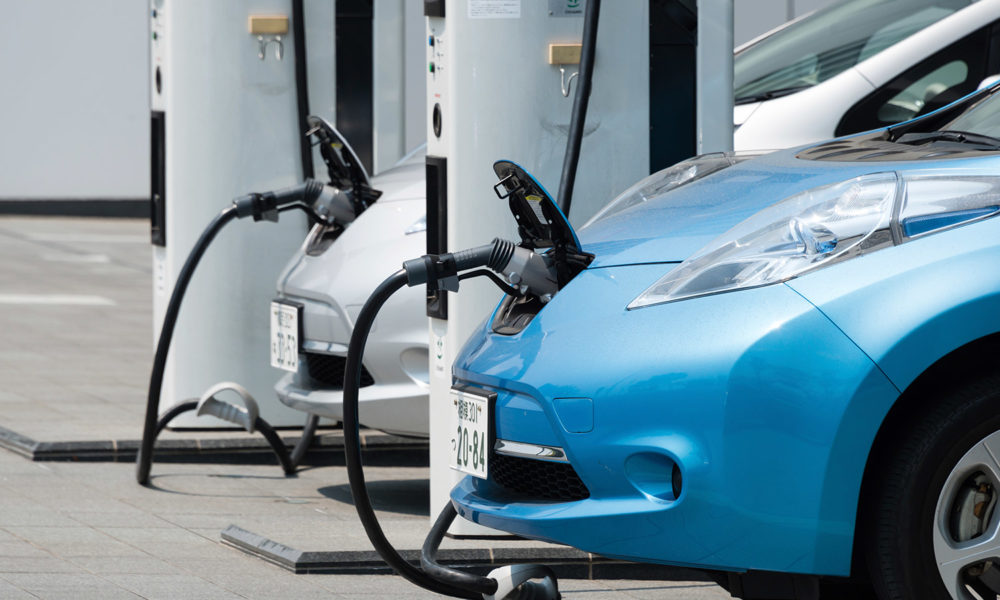
Electric vehicles (EVs) are gaining popularity worldwide as they offer several environmental and economic benefits, and this trend is also influencing the taxi industry. Many taxi companies are beginning to introduce EVs into their fleets to cut emissions and reduce running costs. However, the widespread adoption of electric taxis still faces hurdles such as high vehicle costs, limited range, and a shortage of rapid charging points—challenges that are especially critical for taxis operating long hours. Government policies play a vital role in overcoming these barriers, offering incentives and grants that help taxi operators make the switch. By supporting infrastructure development and subsidising vehicle purchases, these policies are helping more taxis go electric. As demand for eco-friendly travel grows, expect to see more taxis powered by electricity on our roads.

1. Incentives for EVs

One of the most effective ways to promote EVs is by providing incentives to buyers. These incentives can be in the form of tax credits, rebates, or subsidies. Governments worldwide offer various incentives to promote EVs, such as:

  • Income tax credits – In the US, buyers of EVs are eligible for a federal tax credit of up to $7,500.
  • Vehicle registration fee exemptions – In several states, EVs are exempt from registration fees.
  • Direct subsidies – In Norway, EV buyers receive a subsidy of up to $10,000, making EVs more affordable than conventional cars.

By providing incentives, governments can reduce the cost of EVs, making them more attractive to buyers. This can, in turn, increase demand and drive the development of more affordable EVs.

2. Investment in Charging Infrastructure

Another critical factor that affects the adoption of EVs is the availability of charging infrastructure. Governments can play a significant role in promoting the development of charging infrastructure by investing in it. Some of the ways in which governments can invest in charging infrastructure are:

  • Public charging stations – Governments can install public charging stations in public places such as parking lots, malls, and airports.
  • Private charging stations – Governments can provide incentives to businesses and homeowners to install charging stations on their premises.
  • Fast-charging corridors – Governments can invest in fast-charging corridors along highways and major roads to enable long-distance travel for EVs.

By investing in charging infrastructure, governments can address the range anxiety issue that many potential EV buyers face. This, in turn, can increase the demand for EVs and accelerate their adoption.

3. Regulation of Emissions

Another way in which governments can promote EVs is by regulating emissions from conventional vehicles. Governments can set stringent emissions standards for conventional vehicles, which can incentivize automakers to develop more fuel-efficient and cleaner vehicles. This can, in turn, make EVs more attractive to buyers.

Moreover, governments can set emission standards for public transportation vehicles, such as buses and taxis, and encourage the adoption of EVs in these segments. This can create a significant demand for EVs and drive their development.

Conclusion

Electric vehicles have the potential to revolutionize the transportation sector and offer several environmental and economic benefits. However, their widespread adoption is hindered by several factors, such as high costs and limited range. Governments worldwide can play a crucial role in promoting the adoption of EVs by providing incentives, investing in charging infrastructure, and regulating emissions. By doing so, governments can accelerate the development of EVs and create a more sustainable transportation system for the future.
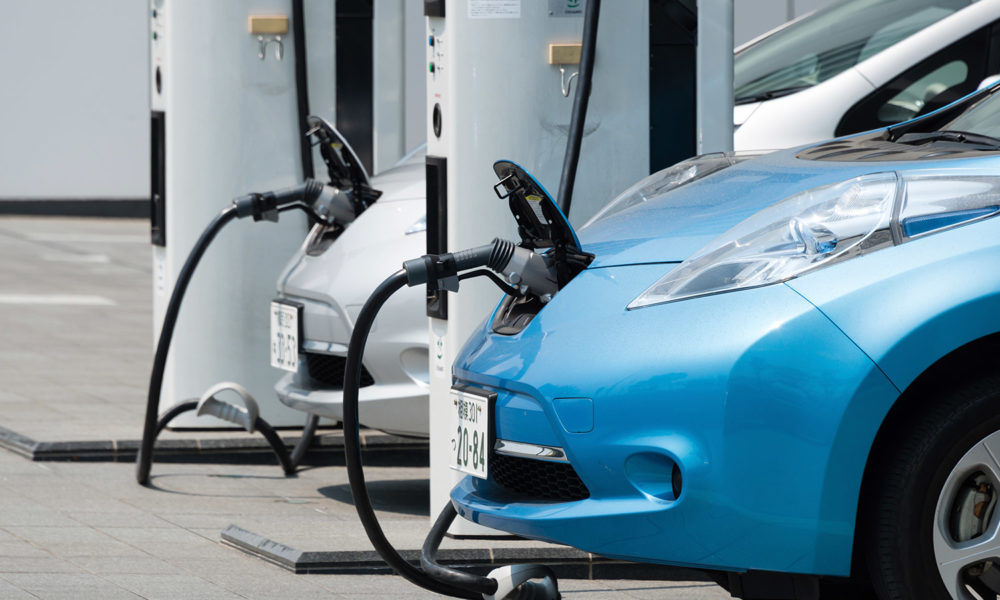
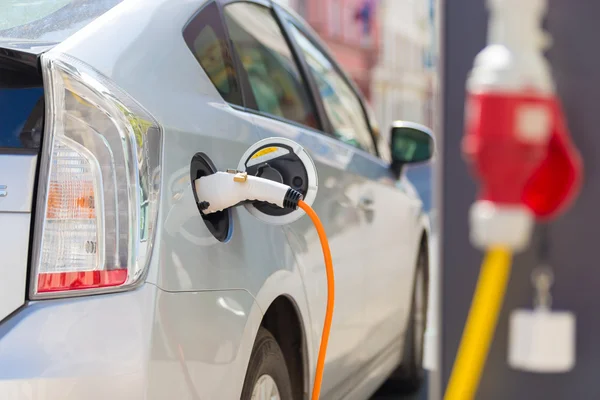
Wireless charging technology has been gaining popularity in recent years, and it has now made its way into the electric vehicle industry. This technology has the potential to revolutionize the way electric vehicles are charged and maintained, making them more convenient and user-friendly.

What is Wireless Charging?

Wireless charging is a technology that allows power to be transferred from a power source to an electronic device without the need for a physical connection. This is done using electromagnetic induction, which creates a magnetic field that transfers energy to the device. Wireless charging is already widely used in mobile phones, smartwatches, and other small electronic devices.

How Does Wireless Charging Work for Electric Vehicles?

Electric Vehicles....

Wireless charging for electric vehicles works in a similar way to wireless charging for other electronic devices. A charging pad is installed on the ground, and a receiver is installed on the underside of the vehicle. When the vehicle is parked over the charging pad, the receiver picks up the electromagnetic signal and converts it into electrical energy, which is then used to charge the vehicle’s battery.

The technology is not yet widely available for electric vehicles, but it is being developed by several companies. One of the most well-known companies working on wireless charging for electric vehicles is WiTricity. The company has developed a wireless charging system that can be retrofitted to existing electric vehicles.

Implications for Electric Vehicles

The emergence of wireless charging for electric vehicles has several implications for the industry. One of the most significant implications is the potential to make electric vehicles more convenient to use. Currently, one of the biggest barriers to widespread adoption of electric vehicles is the need to plug them in to charge. With wireless charging, users can simply park their vehicle over a charging pad, and the vehicle will start charging automatically. This eliminates the need for users to remember to plug in their vehicle every night and can make electric vehicles more attractive to consumers.

Another potential implication of wireless charging is the ability to charge electric vehicles on the go. Currently, electric vehicle owners must plan their trips carefully to ensure they can make it to their destination without running out of charge. With wireless charging, charging pads could be installed along highways and other busy roads, allowing electric vehicle owners to charge their vehicles on the go.

Conclusion

Wireless charging technology has the potential to revolutionize the way electric vehicles are charged and maintained. The convenience and ease-of-use of wireless charging could make electric vehicles more attractive to consumers and could help to increase the adoption of electric vehicles. While the technology is not yet widely available for electric vehicles, it is being developed by several companies, and it is likely that we will see more widespread adoption of wireless charging in the coming years.

Electric vehicles (EVs) and hydrogen fuel cell vehicles (FCVs) are two of the most talked-about technologies in the automotive industry today. Both of these technologies represent a significant shift away from traditional gasoline-powered cars and trucks. While both EVs and FCVs have their advantages and disadvantages, the question remains: which is the better technology for the future of transportation?

Electric Vehicles

Electric Vehicles..

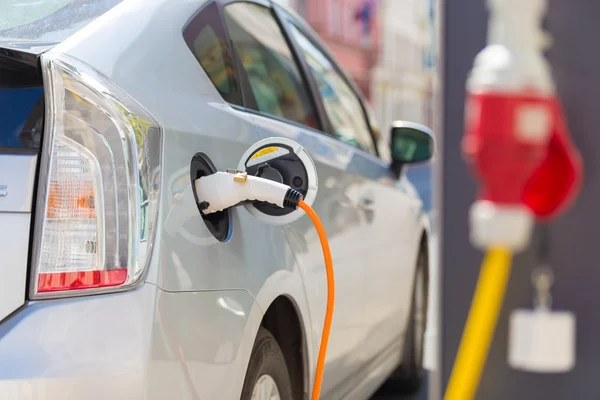
Electric vehicles are powered by batteries that store electricity, which is used to power an electric motor. These batteries can be charged by plugging them into an electrical outlet or charging station. EVs have become increasingly popular in recent years, thanks to advancements in battery technology and the push for more environmentally friendly transportation options.

  • Pros:
    • Zero emissions
    • Lower operating costs (electricity is cheaper than gasoline)
    • Quiet operation
    • Instant torque (no need for gears)
    • No need for oil changes or other routine maintenance
  • Cons:
    • Limited driving range (typically around 100-300 miles per charge)
    • Long charge times (can take several hours to fully charge)
    • Lack of charging infrastructure in some areas
    • Battery degradation over time (batteries will eventually need to be replaced)
    • Higher upfront cost compared to gasoline-powered vehicles

Hydrogen Fuel Cells

Hydrogen Fuel Cells

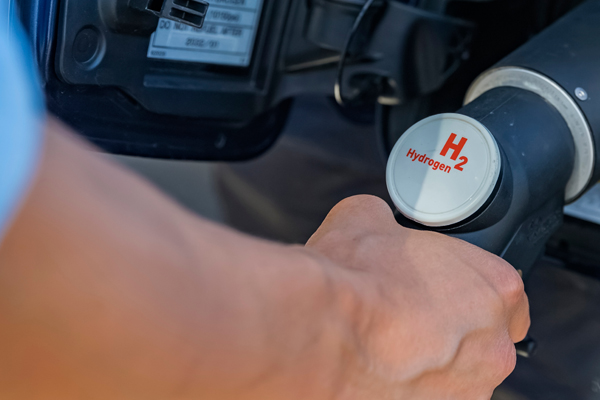
Hydrogen fuel cell vehicles are powered by an electrochemical reaction between hydrogen and oxygen to generate electricity, which is used to power an electric motor. Unlike EVs, which store electricity in a battery, FCVs generate electricity on demand. Hydrogen fuel cell technology has been in development for many years, but has only recently started to gain traction in the automotive industry.

  • Pros:
    • Zero emissions
    • Long driving range (typically around 300-400 miles per tank)
    • Fast refueling times (comparable to gasoline refueling times)
    • No need for oil changes or other routine maintenance
  • Cons:
    • Higher cost compared to gasoline-powered vehicles
    • Lack of refueling infrastructure in some areas
    • Hydrogen production is currently expensive and energy-intensive
    • Concerns about the safety of hydrogen storage and transportation
    • Less efficient than EVs (some energy is lost during the conversion process)

Conclusion

Both electric vehicles and hydrogen fuel cell vehicles have their advantages and disadvantages. EVs are currently more widely available and have a lower cost of ownership, but suffer from range anxiety and long charging times. Hydrogen fuel cell vehicles have a longer driving range and faster refueling times, but are currently more expensive and lack refueling infrastructure in many areas. Ultimately, the choice between these two technologies will depend on a variety of factors, including driving habits, geographic location, and personal preferences. As the technology continues to improve and become more widely available, both EVs and FCVs have the potential to revolutionize the way we think about transportation.