
Tag

Off-Road Vehicles

Browsing

When it comes to buying an ATV, there are a lot of factors to consider. From the type of terrain you’ll be riding on, to your level of experience, to the features you need, there’s a lot to think about. Here’s a comprehensive guide to help you choose the right ATV for your needs.

Consider the Terrain
Consider the Terrain

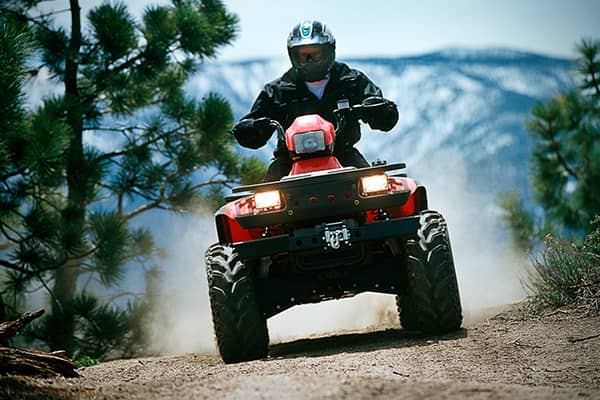
The first thing to consider when buying an ATV is the type of terrain you’ll be riding on. If you’ll be riding on rough, rocky terrain, a four-wheel drive ATV with high clearance is your best bet. If you’ll be riding on flat, open terrain, a two-wheel drive ATV may be sufficient.

Think About Your Experience Level

Your level of experience is also an important factor to consider when buying an ATV. If you’re a beginner, you’ll want an ATV that’s easy to handle and isn’t too powerful. If you’re an experienced rider, you may want an ATV with more horsepower and advanced features.

Consider the Size and Weight

The size and weight of the ATV are also important factors to consider. A larger ATV may be more stable, but it may also be more difficult to maneuver. A lighter ATV may be easier to handle, but it may not be as stable on rough terrain.

Think About the Features You Need

There are a lot of features to consider when buying an ATV. Some features you may want to look for include:

  • Automatic vs. manual transmission
  • Electric or pull-start
  • Reverse gear
  • Storage capacity
  • Towing capacity
  • Winch
  • Racks and accessories

Set Your Budget

ATVs can range in price from a few thousand dollars to tens of thousands of dollars. It’s important to set a budget before you start shopping so you don’t overspend. Keep in mind that you’ll also need to factor in the cost of maintenance, repairs, and insurance.

Do Your Research

Before you make a purchase, it’s important to do your research. Read reviews from other riders, watch videos of the ATV in action, and test drive the ATV if possible. This will help you make an informed decision and choose an ATV that meets all of your needs.

Conclusion

Choosing the right ATV is an important decision. Consider the terrain you’ll be riding on, your level of experience, the size and weight of the ATV, the features you need, and your budget. Do your research before making a purchase to ensure you choose an ATV that meets all of your needs.
All-terrain vehicles, commonly known as ATVs, have become increasingly popular in recent years due to their ability to traverse rough terrain and provide an adrenaline rush for riders. However, the growing use of ATVs has raised concerns about their impact on natural ecosystems and the environment as a whole.

So, what exactly is an ATV?

ATVs

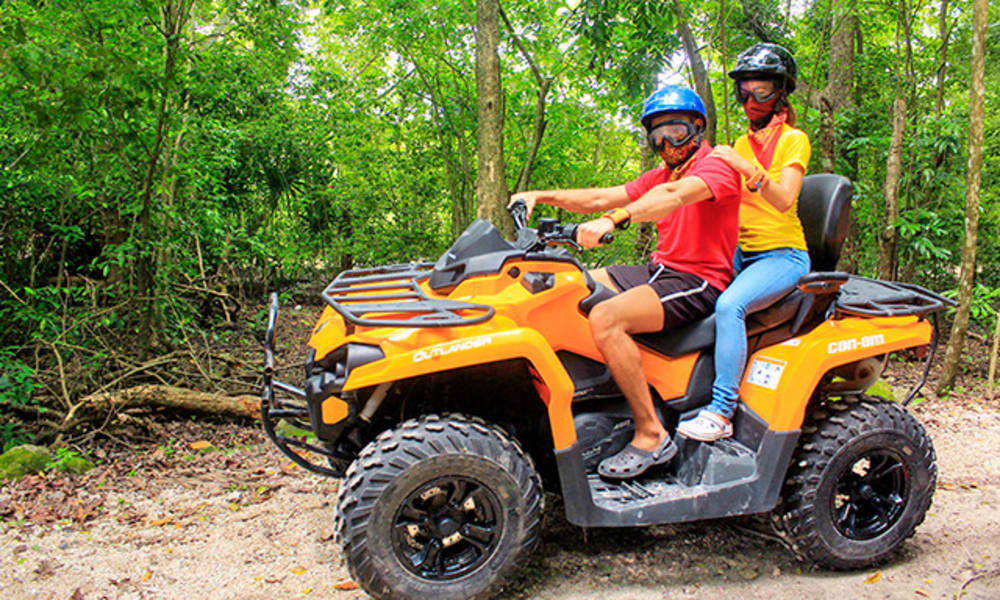
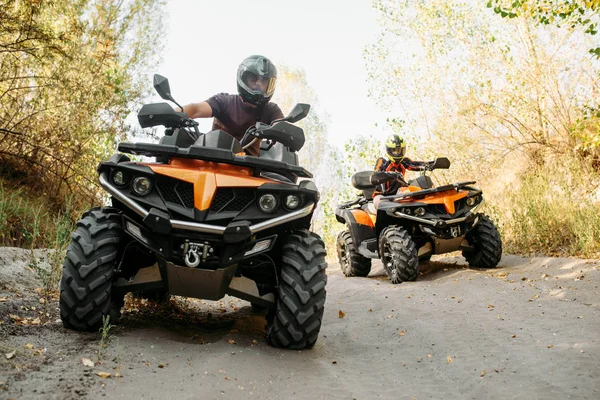
An ATV is a motorized vehicle designed to travel off-road, typically with four low-pressure tires and a seat that is straddled by the operator. They come in a variety of sizes and styles, ranging from small recreational models to larger utility vehicles used for work purposes.

What are the environmental impacts of ATVs?

ATVs can have a significant impact on natural ecosystems and the environment. Some of the key environmental impacts of ATVs include:

  • Soil erosion: The heavy weight of ATVs and their tires can cause significant soil erosion, leading to sedimentation in streams and rivers.
  • Habitat destruction: Off-road riding can destroy natural habitats and disrupt wildlife, including rare and endangered species.
  • Noise pollution: ATVs are loud vehicles and can significantly disrupt natural soundscapes, affecting wildlife behavior and communication.
  • Air pollution: ATVs emit exhaust fumes, contributing to air pollution and potentially harming human and wildlife health.

What can be done to minimize the impact of ATVs?

There are several steps that can be taken to minimize the impact of ATVs on natural ecosystems and the environment:

  • Designated riding areas: Creating designated riding areas can help minimize the impact of ATVs on natural habitats and wildlife.
  • Regulations and enforcement: Implementing and enforcing regulations around ATV use can help reduce the negative impact on the environment.
  • Education and awareness: Educating riders about the environmental impact of ATVs and promoting responsible riding practices can help reduce the negative impact on natural ecosystems.
  • Alternative transportation: Encouraging the use of alternative transportation methods, such as hiking or biking, can help reduce the use of ATVs and their impact on the environment.

Conclusion

ATVs can provide an exciting recreational activity for riders, but they also have a significant impact on natural ecosystems and the environment. By taking steps to minimize their impact, we can ensure that future generations can continue to enjoy the beauty and diversity of our natural world.