
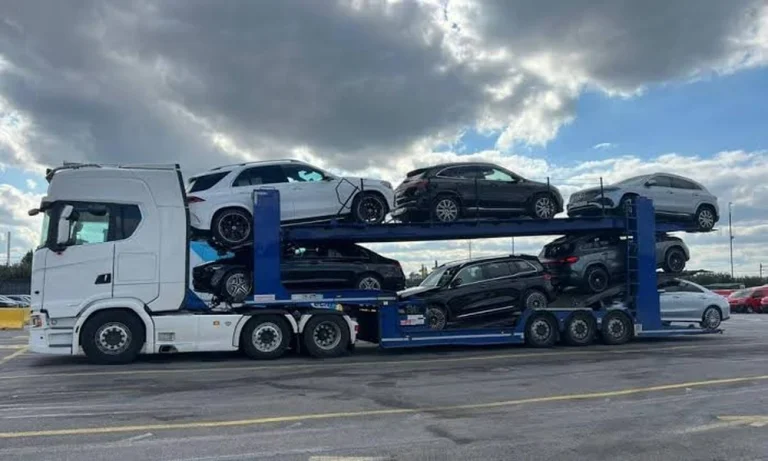
How Does Car Shipping Work?
Car shipping is a specialized logistics service designed to transport motor vehicles safely from one location to another using heavy-duty auto carriers. Instead of putting hundreds or thousands of miles on your odometer-facing highway hazards, costly fuel stops, and vehicle wear and tear-professional auto transport handles the entire journey for you.
The complete vehicle shipping process follows a clear, structured sequence:
- Getting a quote
- Booking transportation
- Preparing the vehicle
- Scheduling pickup
- Completing the vehicle inspection
- Loading and transportation
- Tracking and communication
- Final delivery and inspection
For first-time shippers, the process is straightforward once you understand what to expect at each stage. Partnering with experienced professionals simplifies your move, whether you are relocating across the state or across the country.
Step 1: Get a Car Shipping Quote
The vehicle shipping journey begins by requesting an auto transport quote. Transport companies evaluate a variety of logistics details to generate an accurate estimate tailored to your vehicle’s specifications and timeline.
Several core factors directly influence the final cost of shipping a vehicle:
- Pickup and delivery locations: Metropolitan routes with high carrier density are generally less expensive than remote or rural locations.
- Vehicle type and size: Larger, heavier vehicles (like full-size trucks or SUVs) take up more weight capacity and deck space on a trailer than standard sedans.
- Open vs. enclosed transport: Covered, fully enclosed trailers carry a premium compared to multi-car open trailers due to enhanced protection and specialized equipment.
- Distance and route: Longer distances increase fuel usage and transit days.
- Vehicle condition: Vehicles that roll, steer, and brake are standard; non-running vehicles require specialized winches or loading tools.
- Timing and seasonal demand: Seasonal shifts (such as snowbird moves or summer rush) affect carrier availability and rates.
It is essential to review quotes carefully to understand what services, insurance coverage, and fees are included. Working with a reputable, licensed transport provider ensures transparent pricing without surprise costs down the road.
What Information Do You Need for a Car Shipping Quote?
To get a fast and precise rate estimate, prepare the following details before requesting your quote:
- Vehicle year, make, and model
- Pickup and delivery ZIP codes or specific addresses
- Preferred shipping dates and flexibility
- Vehicle operability (Does it run, roll, steer, and brake independently?)
- Desired transport type (Open vs. Enclosed)
- Special requirements for high-value, classic, luxury, or modified vehicles (e.g., ground clearance, custom dimensions)
Step 2: Book Your Auto Transport
Once you review and accept your auto transport quote, your order is officially placed into the dispatch scheduling pipeline. The carrier matches your shipment with an appropriate transport trailer traveling along your specified route.
- Confirm details: Verify exact pickup and drop-off points, contact details, and vehicle specifics.
- Establish scheduling windows: Provide a targeted pickup window (typically a few days) so driver routes can be optimized efficiently.
- Provide documentation: Issue a formal transportation agreement outlining terms of service, payment arrangements, and liability details.
Always double-check that your phone numbers and emergency contacts are accurate so drivers can reach you directly. Keep in mind that exact pickup and delivery times remain subject to real-world highway conditions, weather changes, and traffic bottlenecks.
Step 3: Prepare Your Car for Shipping
Properly preparing your vehicle before the carrier arrives ensures a smooth loading process and keeps your vehicle safe during transit.
Use this practical pre-shipping checklist:
- Clean the vehicle: Wash the exterior so existing paint or body damage is clearly visible during pre-trip inspections.
- Clear out belongings: Remove personal items, loose objects, and valuable personal property.
- Secure exterior accessories: Detach or retract antennas, custom spoilers, bike racks, or loose trim pieces.
- Check mechanicals: Confirm tire pressure is correct, check for active fluid leaks, and make sure the battery is charged.
- Adjust fuel level: Keep the fuel tank between 1/4 and 1/3 full. This provides enough fuel for loading while keeping unnecessary weight off the transport rig.
- Disable security alarms: Turn off any aftermarket anti-theft alarms to prevent them from sounding while the truck is in motion.
- Document condition: Take crisp, time-stamped photos of all four sides, top surfaces, and interior cabin details.
- Prepare keys: Keep a set of ignition and trunk keys ready for the driver on pickup day.
What Should You Remove From Your Car Before Shipping?
Before handing your vehicle over to the driver, remove:
- Personal belongings, clothing, and luggage
- Valuables, cash, and important personal documents
- Loose electronics, toll passes, parking transponders, and removable audio gear
- Unsecured items in the trunk or backseat that could shift during transit
Carriers strictly limit personal cargo inside transported vehicles due to Department of Transportation (DOT) weight regulations and insurance limitations.
Step 4: Schedule the Vehicle Pickup
As your scheduled pickup window approaches, the transport driver or dispatch coordinator will contact you 24 to 48 hours in advance to arrange an exact meeting time.
You or a designated, authorized representative (aged 18 or older with access to keys) must be present for pickup. When the driver arrives with a multi-car trailer, they must evaluate local access conditions.
Potential pickup location challenges include:
- Residential streets with tight turning radii
- Narrow roads or sharp dead-ends
- Strict local municipal parking restrictions
- Low-hanging trees or overhead utility powerlines
- Dense, highly congested urban centers
If your street is unsafe for a 75-foot transport rig, the driver will ask to meet at a nearby, spacious public area-such as a large shopping center parking lot or highway rest stop-to complete the handoff safely.
Step 5: Complete the Vehicle Inspection
Before your car touches the transport ramp, a thorough joint condition inspection takes place.
The pre-transport inspection process:
- Visual walkaround: You and the driver walk around the vehicle together, noting pre-existing scratches, dents, paint chips, or glass damage.
- The Bill of Lading (BOL): The driver records all pre-existing flaws onto the official Bill of Lading form, which serves as both your official transport receipt and condition report.
- Review & sign: Read through the document carefully, ensure all current conditions are noted, and sign your copy.
- Photo record: Capture high-resolution, time-stamped photographs of the vehicle alongside the driver as an extra layer of documentation.
Step 6: Your Car Is Loaded and Transported
With the inspection finalized, the driver safely loads your vehicle onto the transport trailer.
Loading involves securing each wheel using specialized soft-tie tire straps anchored directly to the trailer deck-avoiding stress on the vehicle’s frame or suspension components.
| Transport Type | Features & Protection | Recommended Vehicle Types |
| Open Transport | Multi-vehicle open air racks. Highly accessible, cost-effective, and fast scheduling. | Daily drivers, standard sedans, SUVs, and standard utility trucks. |
| Enclosed Transport | Fully enclosed, hard-sided trailers with hydraulic lift-gates and air-ride suspensions. Protects against weather, road grime, and debris. | Luxury cars, classic automobiles, vintage race cars, exotic supercars, and modified vehicles. |
During transit, overall delivery time depends on total route distance, driver federal hours-of-service mandates, weather patterns, and regional traffic conditions.
Step 7: Track and Stay in Contact During Transit
Professional auto shipping companies prioritize clear, continuous communication while your car is en route.
Modern vehicle shipping utilizes several tracking and communication channels:
- GPS Tracking: Real-time location updates directly from company fleet tracking equipment.
- Direct Driver Contact: Updates via phone or text from the driver as they complete checkpoints along the interstate.
- Customer Support: Dedicated support agents available to address timeline adjustments or logistical queries.
Delivery estimates can shift due to mandatory weigh station stops, weather delays, or highway detours. Clear ongoing dialogue guarantees you stay informed at every leg of the journey.
Step 8: Vehicle Delivery and Final Inspection
When the carrier approaches your destination city, the driver will call 24 hours in advance to arrange the final drop-off appointment.
Upon arrival, carefully complete the delivery process:
- Unloading: The driver lowers your car safely from the carrier deck.
- Final Walkaround Inspection: Inspect the exterior and interior thoroughly in daylight alongside the driver.
- Cross-Check the BOL: Compare the current condition directly against the notes on the original Bill of Lading completed at pickup.
- Address Discrepancies: If any new damage or issues are noticed, make sure they are documented clearly on the driver’s copy of the Bill of Lading before signing.
- Sign & Complete: Sign the final delivery documentation to accept handover.
How Long Does Car Shipping Take?
Transit timing varies across shipments depending on total highway mileage and carrier routing.
Common transit timelines:
- Short Distances (0-500 miles): 1 to 3 business days
- Medium Distances (500-1,500 miles): 3 to 5 business days
- Cross-Country (1,500-3,000+ miles): 7 to 10 business days
Factors impacting total duration include shipping distance, chosen route, regional weather fronts, driver rest mandates, traffic conditions, and seasonal demand peaks. Reputable auto transporters provide realistic timing windows rather than false guaranteed delivery hours.
How Much Does It Cost to Ship a Car?
Car shipping costs fluctuate based on market dynamics, trailer availability, and distance. On average, shipping rates range anywhere from $0.60 to $1.50+ per mile depending on shipment parameters.
Key cost factors include:
- Distance & Route Popularity: Longer trips cost more overall, though per-mile rates drop on major interstate corridors.
- Vehicle Dimensions: Heavier or larger vehicles cost more to transport.
- Carrier Option: Enclosed transport generally carries a 25% to 50% premium over open transport.
- Operability: Inoperable vehicles require winching equipment, adding labor fees.
Focusing strictly on the lowest quote can lead to hidden fees or delayed carrier assignment. Compare quotes based on included insurance, verified customer support, and direct carrier accountability.
Open vs. Enclosed Car Shipping: Which Should You Choose?
Selecting between open and enclosed transport depends on your vehicle’s value, vulnerability, and overall budget.
- Open Auto Transport: Excellent for standard commuter cars, daily drivers, and budget-conscious relocations. Offers wide availability and fast turnaround times. Vehicles remain exposed to outdoor elements and highway road dust.
- Enclosed Auto Transport: Essential for luxury, exotic, vintage, or custom vehicles requiring white-glove handling and shield protection from elements and road debris. Offers specialized hydraulic ramps, higher insurance limits, and complete privacy.
Evaluate your vehicle’s condition, weather forecast along the route, and personal risk tolerance when making your choice.
What Can You Expect From a Professional Car Shipping Company?
A trustworthy auto transport company takes the stress out of vehicle shipping by prioritizing structure, care, and clarity at every phase.
When working with industry leaders like Passport Transport, customers receive:
- Transparent pricing and clear agreement terms without hidden surcharges
- Experienced, background-checked professional drivers
- Modern carrier equipment equipped with air-ride suspensions and lift-gates
- Detailed condition reports and comprehensive insurance protection
- Proactive location updates and attentive customer service
Common Car Shipping Mistakes to Avoid
Protect your shipment by keeping these critical mistakes in mind:
- ❌ Booking based solely on the lowest price: Cheaper quotes often rely on unreliable sub-contractors or hidden fees.
- ❌ Skipping inspection photos: Failing to document existing condition leaves you without visual proof.
- ❌ Leaving prohibited items inside: Personal belongings add weight and risk damage or transit confiscation.
- ❌ Providing inaccurate contact details: Wrong addresses or inactive phone numbers delay driver handoffs.
- ❌ Last-minute scheduling: Waiting until the day of your move limits carrier availability and increases rates.
- ❌ Ignoring agreement terms: Failing to read transport policies regarding delivery windows and claims processes.
Frequently Asked Questions About How Car Shipping Works
How does car shipping work from start to finish?
Car shipping begins with getting an accurate quote, selecting your transport trailer type, and booking your reservation. You prepare your car, complete a visual inspection with the driver at pickup, and track progress during transit. Once delivered, you inspect your vehicle against the original inspection report before signing off.
How long does it take to ship a car?
Transit time depends on total mileage. Short regional routes take 1 to 3 days, whereas cross-country shipments usually take 7 to 10 days once en route.
Can I ship a car that does not run?
Yes. Inoperable vehicles can be shipped using specialized winch equipment, provided the vehicle can still steer, roll, and brake safely.
Can I ship personal belongings inside my car?
Most carriers restrict personal cargo due to strict DOT weight limits and insurance regulations. Keeping your vehicle empty prevents transit damage and unexpected surcharges.
Is it better to use open or enclosed car transport?
Open transport is ideal for everyday vehicles where cost efficiency is top priority. Enclosed transport is recommended for classic, high-value, exotic, or collector vehicles needing protection from weather and road debris.
Do I need to be present when my car is picked up?
Yes, you or a designated representative over the age of 18 must be present to hand over keys, sign the Bill of Lading, and review the pre-trip inspection.
How do I prepare my car for shipping?
Clean your car, remove all personal items, turn off alarms, lower the gas tank to 1/4 full, check fluid levels, and take photos of all pre-existing condition details.
How do I know my car is safe during transport?
Reputable companies use professional wheel-strapping systems, carry comprehensive insurance, perform thorough pre-and-post inspection reports, and provide GPS tracking.
Can I ship a car across the country?
Yes. Professional carriers operate coast-to-coast routes across the entire United States, handling long-distance transport with door-to-door coordination.
What happens if my car is damaged during transport?
In the rare event of transit damage, document the issue on the Bill of Lading during the final inspection, take photos immediately, and submit a claim through the transport provider’s insurance coverage.
Car Shipping Checklist: What to Do Before Pickup
- [ ] Get and review your official auto transport quote.
- [ ] Confirm pickup and delivery location details and contact numbers.
- [ ] Select open or enclosed transport according to your vehicle’s needs.
- [ ] Wash and prepare the vehicle for inspection.
- [ ] Remove all personal items, toll passes, and valuables.
- [ ] Photograph the car from all angles in clear daylight.
- [ ] Keep keys and necessary vehicle documentation handy.
- [ ] Review driver arrival and access location details.
- [ ] Confirm you or an authorized representative will be present at pickup.
- [ ] Complete, review, and sign the initial Bill of Lading inspection report.
Final Takeaway: Understanding the Car Shipping Process
Shipping a vehicle is a streamlined, routine process when handled by experienced professionals. From securing an accurate quote to completing the final inspection walkaround, every step is designed to protect your vehicle and provide peace of mind throughout transit.
By preparing your car in advance, choosing the appropriate transport method, and working with trusted shipping specialists, you can ensure a seamless experience from pickup to delivery.
Ready to transport your vehicle safely? Reach out to the expert team at Passport Transport today to request your customized shipping quote.