Author

Patricia

Browsing

In the bustling city-state of Singapore, where efficient transportation is crucial, mobile tyre repair services have become an essential resource for drivers facing unexpected tyre issues. This comprehensive guide explores the concept of mobile tyre repair in Singapore, detailing the process, identifying signs that indicate the need for such services, and highlighting the potential consequences of improper repairs.

What is Mobile Tyre Repair Singapore?

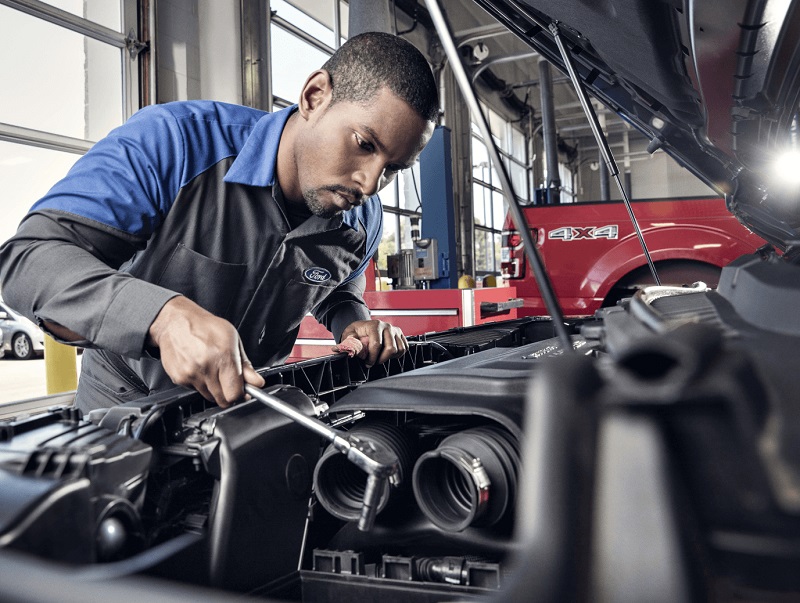
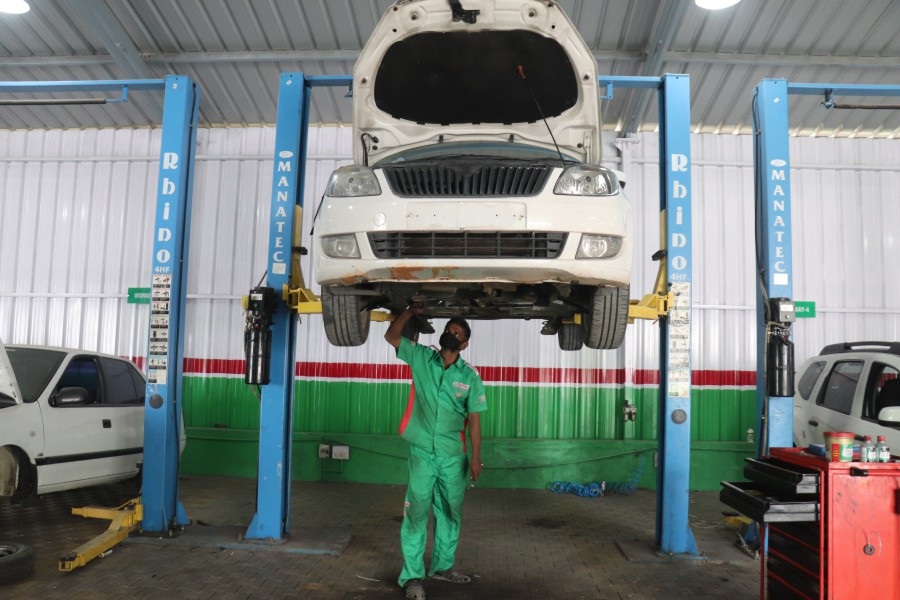
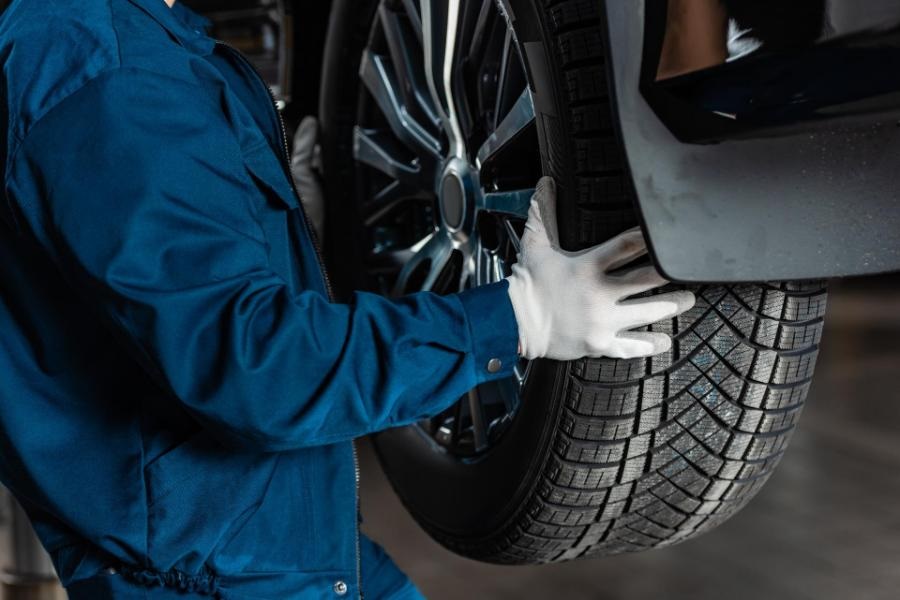
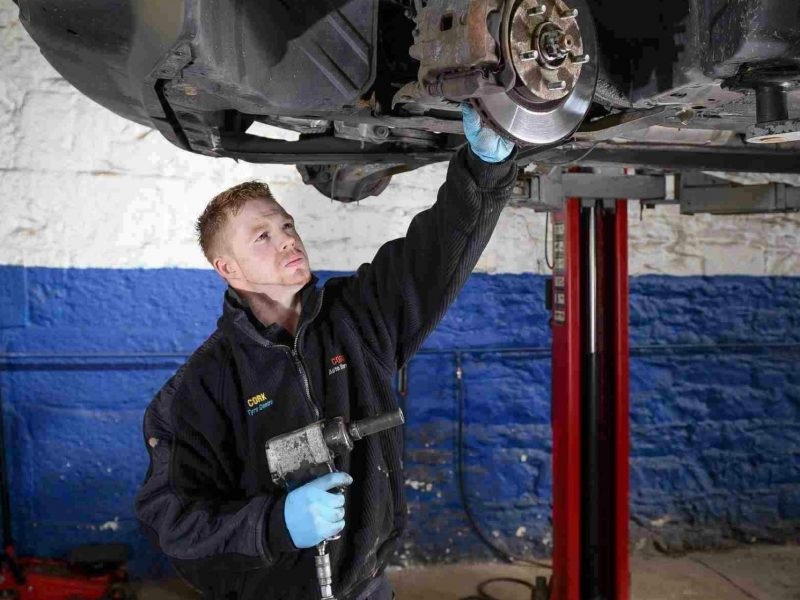
Mobile tyre repair in Singapore refers to on-the-spot tyre maintenance and repair services that come directly to the customer’s location. Instead of requiring drivers to visit a workshop, these services bring professional tyre technicians to wherever the vehicle is situated – be it at home, office, or roadside.

Key features of mobile tyre repair services in Singapore include:

  1. Rapid response times
  2. Island-wide coverage
  3. 24/7 availability in many cases
  4. Skilled technicians with specialized equipment
  5. Capability to handle various tyre issues on-site

These services are designed to address a range of tyre problems, from simple punctures to more complex issues, providing convenience and peace of mind to drivers across Singapore.

Steps for Mobile Tyre Repair Singapore

The process of mobile tyre repair in Singapore typically follows these steps:

  1. Initial Contact:

– Customer calls the mobile tyre repair service.

– Provides details about the tyre issue and vehicle location.

  1. Service Dispatch:

– A technician is assigned and dispatched to the location.

– Estimated arrival time is communicated to the customer.

  1. On-Site Arrival and Assessment:

– Technician arrives and inspects the damaged tyre.

– Determines if repair is possible or if replacement is necessary.

  1. Tyre Removal:

– Vehicle is safely lifted using appropriate equipment.

– Damaged tyre is removed from the wheel.

  1. Damage Inspection:

– Tyre is thoroughly examined to locate the source of the problem.

– Technician assesses whether the damage is repairable.

  1. Repair Process (if applicable):

– For punctures: The hole is cleaned and prepared.

– A rubber plug or patch is applied to seal the puncture.

– For other issues: Appropriate repair techniques are employed.

  1. Tyre Reinflation and Balancing:

– Repaired tyre is reinflated to the correct pressure.

– Wheel is balanced to ensure smooth operation.

  1. Remounting and Safety Check:

– Repaired tyre is remounted on the vehicle.

– Lug nuts are tightened to the correct torque specifications.

  1. Final Inspection:

– Technician performs a final check to ensure the repair is secure and the tyre is safe for use.

  1. Service Completion:

– Customer is informed about the repair and any recommendations.

– Payment is processed, and a service receipt is provided.

  1. Follow-up Advice:

– Technician offers guidance on tyre maintenance and when to schedule a follow-up check.

Signs You Need Mobile Tyre Repair Singapore

Recognizing the signs that indicate the need for mobile tyre repair can help prevent more serious issues and ensure safety on Singapore’s roads:

  1. Sudden Loss of Tyre Pressure:

– If you notice your tyre is losing air quickly, it may indicate a puncture or leak.

  1. Visible Damage:

– Cuts, bulges, or objects embedded in the tyre surface require immediate attention.

  1. Tyre Pressure Monitoring System (TPMS) Warnings:

– Many modern vehicles in Singapore are equipped with TPMS. If the warning light activates, it’s time to check your tyres.

  1. Unusual Vibrations:

– Experiencing vibrations while driving, especially at higher speeds, could indicate tyre damage or imbalance.

  1. Uneven Tyre Wear:

– If you notice one tyre wearing faster than others, it may signal alignment issues or damage.

  1. Tyre Age:

– Even without visible damage, tyres older than 5-6 years may require inspection and potential replacement.

  1. After Hitting Road Hazards:

– If you’ve recently hit a pothole or curb, it’s wise to have your tyres checked for potential damage.

  1. Slow Leaks:

– Regularly needing to top up air in a specific tyre indicates a slow leak that requires attention.

  1. Squealing or Thumping Sounds:

– Unusual noises while driving can be a sign of tyre issues.

  1. Poor Vehicle Handling:

– If your vehicle pulls to one side or feels unstable, it could be due to tyre problems.

Consequences of Improper Mobile Tyre Repair in Singapore

Ensuring that mobile tyre repair is done correctly is crucial. Improper repairs can lead to severe consequences:

  1. Safety Risks:

– Inadequately repaired tyres can fail suddenly, potentially causing accidents on Singapore’s busy roads.

  1. Further Tyre Damage:

– Incorrect repairs may exacerbate existing damage, leading to irreparable tyre conditions.

  1. Increased Costs:

– What starts as a simple repair can escalate to needing a full tyre replacement if not done properly.

  1. Voided Warranties:

– Some tyre manufacturers may void warranties if repairs are not carried out to specified standards.

  1. Failed Vehicle Inspections:

– Singapore’s strict vehicle inspection regulations may result in failed tests due to improperly repaired tyres.

  1. Reduced Fuel Efficiency:

– Tyres that are not properly repaired or balanced can increase rolling resistance, leading to higher fuel consumption.

  1. Uneven Wear:

– Improper repairs can cause uneven tyre wear, shortening the overall lifespan of the tyre.

  1. Compromised Vehicle Handling:

– Poorly repaired tyres can affect steering, braking, and overall vehicle control.

  1. Legal Implications:

– In the event of an accident, improper tyre repairs could lead to legal issues if they’re found to be a contributing factor.

  1. Environmental Impact:

– Premature tyre replacements due to poor repairs contribute to increased tyre waste, a concern in environmentally conscious Singapore.

  1. Damage to Other Vehicle Components:

– Faulty tyre repairs can lead to issues with wheel alignment, suspension, and other related systems.

  1. Loss of Confidence:

– Experiencing problems after a repair can erode trust in mobile repair services, potentially delaying future necessary repairs.

Conclusion

Mobile tyre repair services in Singapore offer a convenient and efficient solution for drivers facing tyre emergencies. By bringing professional assistance directly to the vehicle’s location, these services save time, reduce stress, and help maintain the safety of Singapore’s roads.

Understanding the signs that indicate the need for tyre repair and being aware of the potential consequences of improper repairs emphasizes the importance of choosing reputable mobile tyre repair services. In Singapore’s fast-paced environment, where vehicle maintenance is strictly regulated, having access to reliable, professional mobile tyre repair can be invaluable.

For drivers in Singapore, it’s advisable to have the contact information of a trusted mobile tyre repair service on hand. Regular tyre maintenance, including proper inflation and rotation, can prevent many issues. However, when problems do arise, knowing that professional help is just a phone call away provides peace of mind.

By choosing skilled technicians and ensuring repairs are done correctly, drivers can maintain their vehicle’s safety, performance, and longevity. This not only contributes to personal safety but also to the overall efficiency and safety of Singapore’s road network. Remember, when it comes to tyre repair, cutting corners can lead to significant risks and costs down the road. Opt for professional, reliable mobile tyre repair services to keep your journey smooth and safe on Singapore’s streets.

Commercial parking lots endure substantial wear and tear due to constant vehicular traffic and exposure to the elements. Over time, cracks, potholes, and other damages can mar the surface, compromising safety and aesthetics. Timely repair and maintenance are crucial to ensuring the longevity and functionality of these spaces. In this article, we delve into the significance of commercial parking lot repair, detailing essential repairs and maintenance practices.

Understanding the Importance of Commercial Parking Lot Repair

Commercial parking lots serve as the first point of contact for customers and clients visiting businesses. A well-maintained parking lot not only enhances curb appeal but also reflects positively on the business’s image. Neglected parking lots, on the other hand, can deter potential customers and lead to accidents or vehicle damage, exposing businesses to liability.

Common Issues in Commercial Parking Lots

  1. Cracks and Potholes: Cracks and potholes are common in asphalt surfaces, resulting from the expansion and contraction of the pavement due to temperature fluctuations and heavy traffic. If left unattended, these issues can worsen, leading to extensive damage and costly repairs.
  2. Faded Striping and Markings: Faded parking lot striping and markings can cause confusion among drivers, leading to traffic congestion and safety hazards. Regular repainting of lines and symbols is essential for maintaining order and maximizing parking space utilization.
  3. Drainage Problems: Poor drainage can result in standing water, which not only accelerates pavement deterioration but also poses a safety risk to pedestrians. Effective drainage solutions, such as proper slope adjustment and installation of drains, are vital for preventing water accumulation.

Essential Repairs and Maintenance Practices

  • Crack Sealing and Patching: Prompt crack sealing and patching are crucial for preventing water infiltration and halting the progression of pavement deterioration. High-quality sealants and patching materials are used to fill cracks and repair potholes, restoring the structural integrity of the pavement.
  • Resurfacing and Overlay: In cases where the pavement exhibits extensive damage or deterioration, resurfacing or overlaying may be necessary. This involves applying a new layer of asphalt over the existing surface, providing a smooth and durable finish.
  • Striping and Marking Renewal: Regular re-striping and marking renewal help maintain clarity and order in parking lots, facilitating smooth traffic flow and safe pedestrian movement. Thermoplastic coatings are often used for their durability and visibility.
  • Stormwater Management: Implementing effective stormwater management solutions, such as installing permeable pavement or constructing retention ponds, helps prevent water runoff and mitigate drainage issues, prolonging the lifespan of the parking lot.

Commercial Parking Lot Repair vs. Residential Asphalt Driveway Storm Repair

While both commercial parking lots and residential asphalt driveways require regular maintenance and repair, there are notable differences in scale and usage. Commercial parking lots typically accommodate heavier traffic volumes and may require more extensive repairs and specialized solutions to meet regulatory standards. Residential Asphalt driveway storm repair, on the other hand, are subjected to lighter traffic and may focus more on aesthetic appeal and stormwater management tailored to individual property needs.

Conclusion

Commercial parking lot repair is a critical aspect of property management, ensuring safety, functionality, and aesthetic appeal. By addressing common issues such as cracks, potholes, and drainage problems through timely repairs and maintenance practices, businesses can enhance their image, attract customers, and minimize liability risks. With regular attention and professional assistance, commercial parking lots can withstand the rigors of daily use and weather conditions, serving as reliable assets for businesses and communities alike.


Electric vehicles (EVs) are gaining popularity due to their eco-friendliness and the potential to significantly reduce carbon emissions. However, the major challenge EVs face is their battery technology. The majority of EVs use lithium-ion batteries, which have limited energy density and safety concerns. To overcome these challenges, researchers are exploring solid-state batteries as the next-generation battery technology for EVs. In this article, we will explore the latest developments in solid-state batteries for EVs.

What are Solid-State Batteries?

Solid-state batteries are a type of battery technology that uses solid electrolytes instead of liquid electrolytes used in conventional lithium-ion batteries. Solid-state batteries offer several advantages over traditional lithium-ion batteries, such as higher energy density, faster charging, and improved safety. Solid-state batteries also have the potential to use lithium metal as an anode, which can further increase energy density.

Lithium Metal Batteries

Lithium metal batteries are one of the most promising solid-state battery technologies for EVs. Lithium metal batteries use lithium metal as an anode, which has a higher energy density than graphite used in traditional lithium-ion batteries. The use of lithium metal anodes can significantly increase the energy density of a battery, which can increase the driving range of an EV.

However, the use of lithium metal anodes comes with safety concerns, as lithium metal is highly reactive and can cause thermal runaway if it comes in contact with liquid electrolytes. Researchers are exploring several approaches to overcome this challenge, such as using solid-state electrolytes and functional coatings on the lithium metal anode.

Solid-State Electrolytes

Solid-state electrolytes are a critical component of solid-state batteries. Solid-state electrolytes offer several advantages over liquid electrolytes, such as improved safety and higher energy density. The use of solid-state electrolytes also eliminates the need for a separator, which is required in traditional lithium-ion batteries.

Researchers are exploring several types of solid-state electrolytes, such as ceramic, polymer, and composite electrolytes. Ceramic electrolytes offer high ionic conductivity but are brittle and difficult to manufacture. Polymer electrolytes offer flexibility and ease of manufacturing but have lower ionic conductivity than ceramic electrolytes. Composite electrolytes combine the advantages of both ceramic and polymer electrolytes and offer high ionic conductivity and flexibility.

Conclusion

Solid-state batteries offer several advantages over traditional lithium-ion batteries, such as higher energy density, faster charging, and improved safety. Lithium metal batteries using solid-state electrolytes are one of the most promising solid-state battery technologies for EVs. However, several challenges need to be overcome before solid-state batteries become commercially viable, such as improving the manufacturing process and reducing the cost of production.

  • Higher energy density than traditional lithium-ion batteries.
  • Faster charging capability.
  • Improved safety compared to traditional lithium-ion batteries.
  • Potential to use lithium metal as an anode, which can increase energy density.

Despite the challenges, the development of solid-state batteries for EVs is an exciting field, and researchers are optimistic about its potential. With continued research and development, solid-state batteries could revolutionize the EV industry and make electric vehicles the norm rather than the exception.

ATV racing is a thrilling sport that has gained popularity in recent years. It involves driving a powerful quad bike on a track or through an off-road terrain. The sport requires a great deal of skill, speed, and agility, making it a challenging and exciting experience for racers and spectators alike.

The History of ATV Racing

The first ATV was created in the 1960s by Honda, and it was designed for farm and utility work. However, it wasn’t long before people began racing the vehicles for fun. The first organized ATV race was held in 1985 in California, and the sport has been growing ever since.

The Types of ATV Racing

There are several types of ATV racing, each with its own rules and regulations:

  • MX (motocross) – involves racing on a closed circuit with jumps and other obstacles
  • TT (tourist trophy) – involves racing on a dirt track with jumps, turns, and other obstacles
  • Enduro – involves racing through a variety of terrains, including woods, mountains, and deserts
  • Hare scramble – involves racing through a marked course in the woods or other natural terrain

The Equipment Needed for ATV Racing

ATV Racing ..

Before you can start ATV racing, you need to have the right equipment. This includes:

  • A high-quality ATV that is specifically designed for racing
  • A helmet that meets safety standards
  • Protective gear such as goggles, gloves, and boots
  • A racing suit that is designed to provide protection and comfort

The Benefits of ATV Racing

ATV racing is not only a thrilling experience, but it also offers several benefits:

  • Improved physical fitness – ATV racing requires a great deal of physical exertion, which can help improve your overall fitness level
  • Increased adrenaline – the rush of adrenaline that comes with ATV racing can be addictive and provides a natural high
  • Increased confidence – mastering the skills required for ATV racing can boost your self-confidence and improve your mental health
  • Socialization – ATV racing is a great way to meet new people who share similar interests and passions

Conclusion

ATV racing is a thrilling sport that requires skill, speed, and agility. With its growing popularity, it is becoming more accessible to people of all ages and skill levels. Whether you are a seasoned racer or a beginner, ATV racing provides an exciting and challenging experience that is sure to get your heart racing.

When it comes to buying an ATV, there are a lot of factors to consider. From the type of terrain you’ll be riding on, to your level of experience, to the features you need, there’s a lot to think about. Here’s a comprehensive guide to help you choose the right ATV for your needs.

Consider the Terrain

Consider the Terrain

The first thing to consider when buying an ATV is the type of terrain you’ll be riding on. If you’ll be riding on rough, rocky terrain, a four-wheel drive ATV with high clearance is your best bet. If you’ll be riding on flat, open terrain, a two-wheel drive ATV may be sufficient.

Think About Your Experience Level

Your level of experience is also an important factor to consider when buying an ATV. If you’re a beginner, you’ll want an ATV that’s easy to handle and isn’t too powerful. If you’re an experienced rider, you may want an ATV with more horsepower and advanced features.

Consider the Size and Weight

The size and weight of the ATV are also important factors to consider. A larger ATV may be more stable, but it may also be more difficult to maneuver. A lighter ATV may be easier to handle, but it may not be as stable on rough terrain.

Think About the Features You Need

There are a lot of features to consider when buying an ATV. Some features you may want to look for include:

  • Automatic vs. manual transmission
  • Electric or pull-start
  • Reverse gear
  • Storage capacity
  • Towing capacity
  • Winch
  • Racks and accessories

Set Your Budget

ATVs can range in price from a few thousand dollars to tens of thousands of dollars. It’s important to set a budget before you start shopping so you don’t overspend. Keep in mind that you’ll also need to factor in the cost of maintenance, repairs, and insurance.

Do Your Research

Before you make a purchase, it’s important to do your research. Read reviews from other riders, watch videos of the ATV in action, and test drive the ATV if possible. This will help you make an informed decision and choose an ATV that meets all of your needs.

Conclusion

Choosing the right ATV is an important decision. Consider the terrain you’ll be riding on, your level of experience, the size and weight of the ATV, the features you need, and your budget. Do your research before making a purchase to ensure you choose an ATV that meets all of your needs.

Gone are the days when people used to visit car dealerships to buy a new or used car. The emergence of online marketplaces has transformed the auto selling experience, making it easier, convenient and hassle-free for both buyers and sellers. In this article, we will discuss the role of online marketplaces in transforming the auto selling experience.

Increased Reach and Visibility

Online marketplaces have opened up new opportunities for buyers and sellers. With the help of online marketplaces, sellers can reach a wider audience, both nationally and internationally. This increased reach and visibility has resulted in higher sales and profits for sellers. Buyers, on the other hand, have more options to choose from and can easily compare prices and features of different cars before making a decision.

Transparency and Trust

Online marketplaces have also brought transparency and trust into the auto selling experience. Buyers can view detailed information about the car they are interested in, including its history, condition, and maintenance records. This information helps buyers make an informed decision and builds trust between buyers and sellers. Online marketplaces also provide a platform for buyers and sellers to communicate and negotiate directly, resulting in a smoother and more transparent transaction.

Convenience and Time-Saving

The convenience and time-saving benefits of online marketplaces cannot be overstated. Buyers no longer have to visit multiple dealerships or spend hours browsing classified ads to find their dream car. With online marketplaces, buyers can easily search for the car they want, filter their search by make, model, year, and price, and even set up alerts when a new listing matches their criteria. Sellers can also save time and money by listing their cars online and avoiding the need for expensive advertising campaigns.

Secure and Reliable Transactions

Online marketplaces have also made auto transactions more secure and reliable. Most online marketplaces have a secure payment system in place, which ensures that the buyer’s payment is secure until the car is delivered. This protects both the buyer and the seller from fraud and other risks. Sellers can also take advantage of escrow services, which hold the buyer’s payment until the car is delivered and inspected, further increasing the security and reliability of the transaction.

Conclusion

Online marketplaces have revolutionized the auto selling experience, making it easier, convenient, and transparent for both buyers and sellers. By bringing together buyers and sellers from all over the world, online marketplaces have increased reach and visibility, built trust and transparency, saved time and money, and made transactions more secure and reliable. The auto industry has been transformed by online marketplaces, and it is safe to say that the future of auto sales is online.


Buying a car can be an exciting experience, but negotiating the best deal for your car can be a daunting task. With a little preparation and a few negotiation skills, you can save thousands of dollars on your next car purchase. Here is a step-by-step guide to help you negotiate the best deal for your car:

Step 1: Research

The first step in negotiating the best deal for your car is research. Research the make and model of the car you want to buy, its features, and its market value. You can use online resources like Kelly Blue Book and Edmunds to get an idea of the car’s value. Also, research the dealer’s prices and promotions to help you negotiate the best deal.

Step 2: Know Your Budget

Before you start negotiating, know your budget and stick to it. Determine the maximum amount you can afford to spend on the car, including taxes, registration fees, and other expenses. Keep in mind that the dealer may try to sell you additional services or products, like extended warranties or insurance, which can add to the cost of the car.

Step 3: Test Drive the Car

Test Drive the Car

Before you start negotiating, test drive the car to make sure it meets your needs and expectations. During the test drive, pay attention to the car’s features, comfort, and performance. If you are not satisfied with the car, don’t be afraid to walk away.

Step 4: Start Negotiating

Now that you have done your research, know your budget, and test-driven the car, it’s time to start negotiating. Begin by making an offer that is lower than the dealer’s asking price but still within the range of the car’s value. Be prepared for the dealer to counteroffer and negotiate until you reach a price that is within your budget.

Step 5: Beware of Additional Fees

During the negotiation process, be aware of additional fees that the dealer may add to the cost of the car, such as documentation fees, dealer preparation fees, and advertising fees. These fees can add up quickly and significantly increase the cost of the car.

Step 6: Get the Deal in Writing

Once you have negotiated the best deal for your car, make sure you get it in writing. The written agreement should include the final price of the car, any additional fees, and any promises made by the dealer, such as a warranty or service agreement.

Step 7: Consider Financing Options

If you need financing for your car purchase, consider all your options before signing any loan agreement. Shop around for the best interest rates and terms, and be aware of any penalties or fees for early repayment.

Conclusion

Negotiating the best deal for your car requires research, preparation, and negotiation skills. By following these steps, you can save thousands of dollars on your next car purchase and drive away with a car that meets your needs and budget.

All-terrain vehicles, commonly known as ATVs, have become increasingly popular in recent years due to their ability to traverse rough terrain and provide an adrenaline rush for riders. However, the growing use of ATVs has raised concerns about their impact on natural ecosystems and the environment as a whole.

So, what exactly is an ATV?

ATVs

An ATV is a motorized vehicle designed to travel off-road, typically with four low-pressure tires and a seat that is straddled by the operator. They come in a variety of sizes and styles, ranging from small recreational models to larger utility vehicles used for work purposes.

What are the environmental impacts of ATVs?

ATVs can have a significant impact on natural ecosystems and the environment. Some of the key environmental impacts of ATVs include:

  • Soil erosion: The heavy weight of ATVs and their tires can cause significant soil erosion, leading to sedimentation in streams and rivers.
  • Habitat destruction: Off-road riding can destroy natural habitats and disrupt wildlife, including rare and endangered species.
  • Noise pollution: ATVs are loud vehicles and can significantly disrupt natural soundscapes, affecting wildlife behavior and communication.
  • Air pollution: ATVs emit exhaust fumes, contributing to air pollution and potentially harming human and wildlife health.

What can be done to minimize the impact of ATVs?

There are several steps that can be taken to minimize the impact of ATVs on natural ecosystems and the environment:

  • Designated riding areas: Creating designated riding areas can help minimize the impact of ATVs on natural habitats and wildlife.
  • Regulations and enforcement: Implementing and enforcing regulations around ATV use can help reduce the negative impact on the environment.
  • Education and awareness: Educating riders about the environmental impact of ATVs and promoting responsible riding practices can help reduce the negative impact on natural ecosystems.
  • Alternative transportation: Encouraging the use of alternative transportation methods, such as hiking or biking, can help reduce the use of ATVs and their impact on the environment.

Conclusion

ATVs can provide an exciting recreational activity for riders, but they also have a significant impact on natural ecosystems and the environment. By taking steps to minimize their impact, we can ensure that future generations can continue to enjoy the beauty and diversity of our natural world.

The world of transportation is currently undergoing a major transformation, and one of the biggest changes is the shift towards electric technology. Electric trucks are becoming more prevalent on the roads, and this trend is expected to continue in the future. In this article, we will explore the impact of electric technology on the future of trucks.

Environmental Benefits

One of the most significant impacts of electric technology on the future of trucks is the environmental benefits it offers. Electric trucks produce zero emissions, which means they do not contribute to air pollution. This is a significant advantage over traditional diesel trucks, which release harmful pollutants into the atmosphere. By using electric technology, the transportation industry can work towards reducing its carbon footprint and helping to combat climate change.

Reduced Operating Costs

Another impact of electric technology on the future of trucks is the potential for reduced operating costs. Electric trucks are more efficient than traditional diesel trucks, which means they require less energy to operate. This translates to lower fuel costs for trucking companies. Additionally, electric trucks require less maintenance than diesel trucks, which can save companies money on repairs and upkeep.

Increased Efficiency

Electric technology can also increase the efficiency of trucking operations. Electric trucks can accelerate more quickly and smoothly than diesel trucks, which can result in faster delivery times. Additionally, electric trucks can be equipped with regenerative braking systems, which capture energy that is normally lost during braking. This energy can then be used to power the truck, further increasing its efficiency.

Challenges to Overcome

While electric technology offers many advantages for the future of trucks, there are also challenges that must be overcome. One of the biggest challenges is the limited range of electric trucks. Currently, most electric trucks have a range of around 100 miles, which is not sufficient for long-haul trucking operations. Additionally, there is a lack of charging infrastructure for electric trucks, which can make it difficult for trucking companies to adopt this technology.

The Future of Electric Trucks

Electric Trucks...

Despite the challenges, the future of electric trucks looks promising. Many trucking companies are already experimenting with electric technology, and advancements in battery technology are expected to increase the range of electric trucks in the future. Additionally, governments around the world are investing in charging infrastructure for electric vehicles, which will make it easier for trucking companies to adopt this technology.

  • Electric technology offers many environmental benefits for the future of trucks.
  • Electric trucks have the potential for reduced operating costs.
  • Electric technology can increase the efficiency of trucking operations.
  • The limited range of electric trucks and lack of charging infrastructure are challenges that must be overcome.
  • The future of electric trucks looks promising with advancements in battery technology and government investment in charging infrastructure.

In conclusion, electric technology is set to have a significant impact on the future of trucks. While there are challenges that must be overcome, the benefits of electric trucks are clear. As battery technology improves and charging infrastructure expands, we can expect to see more and more electric trucks on the roads in the coming years.

Electric ATVs have come a long way since their inception. They have undergone significant changes in terms of design, technology, and performance. In this article, we will take a look at the evolution of electric ATVs and what the future holds for this exciting mode of transportation.

Evolution of Electric ATVs

Electric ATVs..

The first electric ATVs were introduced in the early 2000s. They were primarily designed for use in indoor environments such as warehouses and factories. These electric ATVs were small and had limited range and power.

As technology advanced, so did the electric ATV. Today’s electric ATVs are much larger and more powerful than their predecessors. They are also designed for outdoor use, with powerful motors and long-lasting batteries that can handle rough terrain and steep inclines.

One of the advantages of electric ATVs is their quiet operation. Unlike gas-powered ATVs, which can be very loud, electric ATVs run almost silently. This makes them ideal for use in residential areas where noise pollution is a concern.

Another advantage of electric ATVs is their low maintenance requirements. Electric motors have fewer moving parts than gas engines, which means they require less maintenance and are less prone to breakdowns.

The Future of Electric ATVs

The future of electric ATVs looks bright. With advances in battery technology, it is now possible to build electric ATVs with longer range and faster charging times. This means that electric ATVs will be able to travel further and be more convenient to recharge.

There is also a growing trend towards sustainable transportation, and electric ATVs fit perfectly into this trend. Electric ATVs produce zero emissions, which means they are environmentally friendly and do not contribute to air pollution.

Another exciting development in the world of electric ATVs is the advent of autonomous technology. Some electric ATVs are now being equipped with sensors and cameras that allow them to navigate and operate without human intervention. This technology has the potential to revolutionize the way we use and interact with ATVs.

In conclusion, electric ATVs have come a long way since their inception. They have evolved from small, indoor vehicles to powerful, outdoor machines. The future of electric ATVs looks bright, with advances in battery technology and the development of autonomous technology. With their low maintenance requirements and zero emissions, electric ATVs are poised to become an increasingly popular mode of transportation.