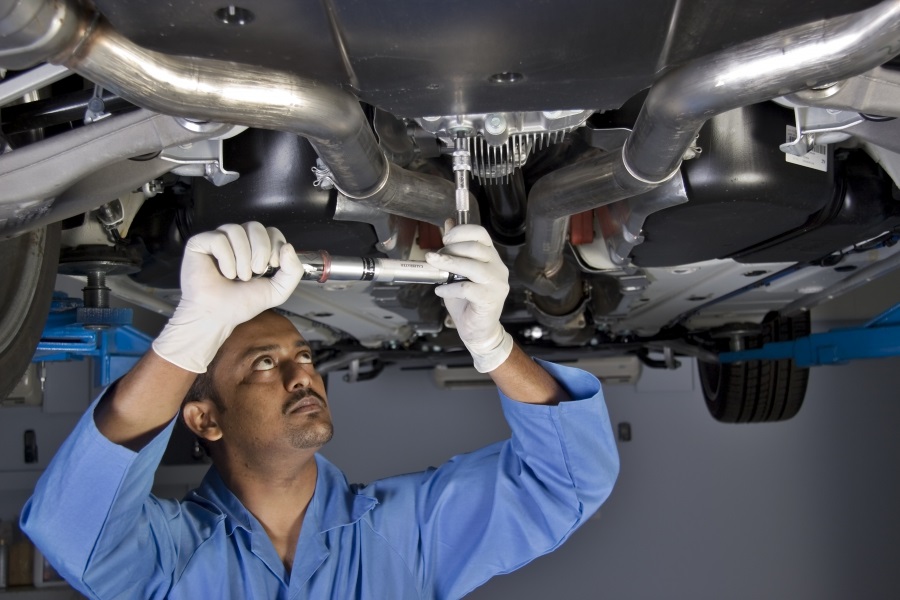
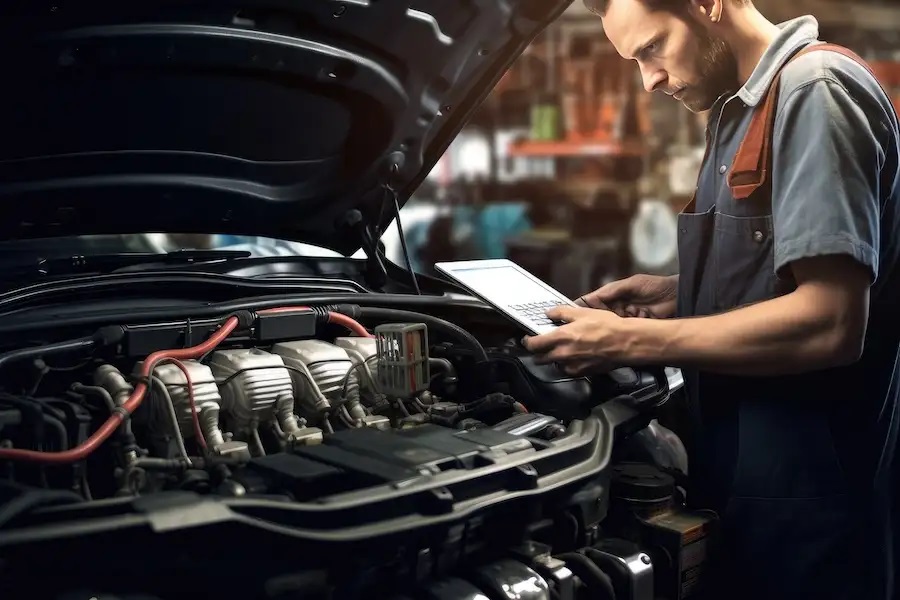
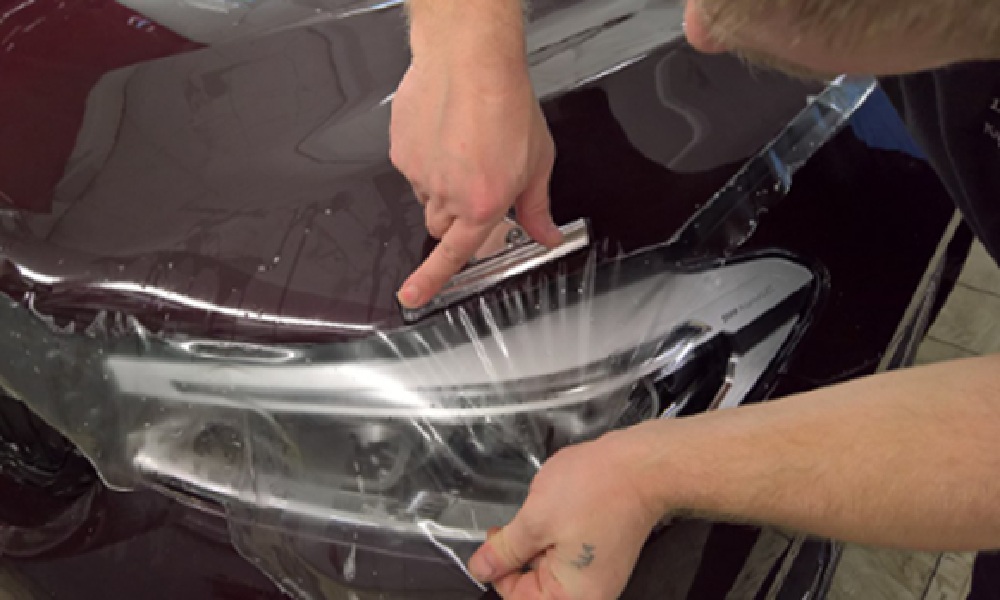
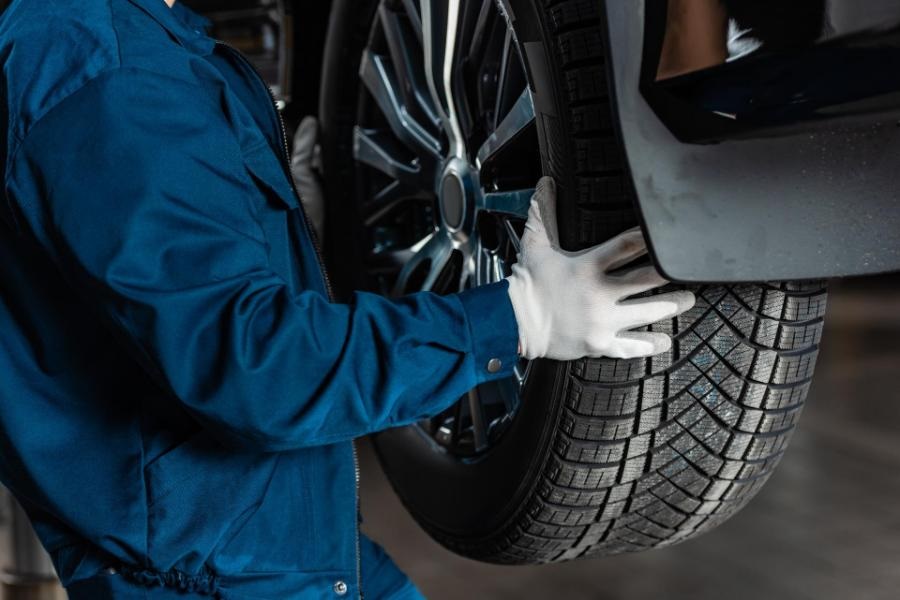
Car maintenance goes beyond petrol and cleaning. Even cars that run well all the time might have problems with their mechanics or electronics, which makes them less safe and functional. Finding problems early can stop further harm from happening and save money on repairs. You can know about common auto repair issues in this article.
The common Issues
Engine problems, brake wear, and gearbox problems are some of the most common car problems.
Engine Troubles
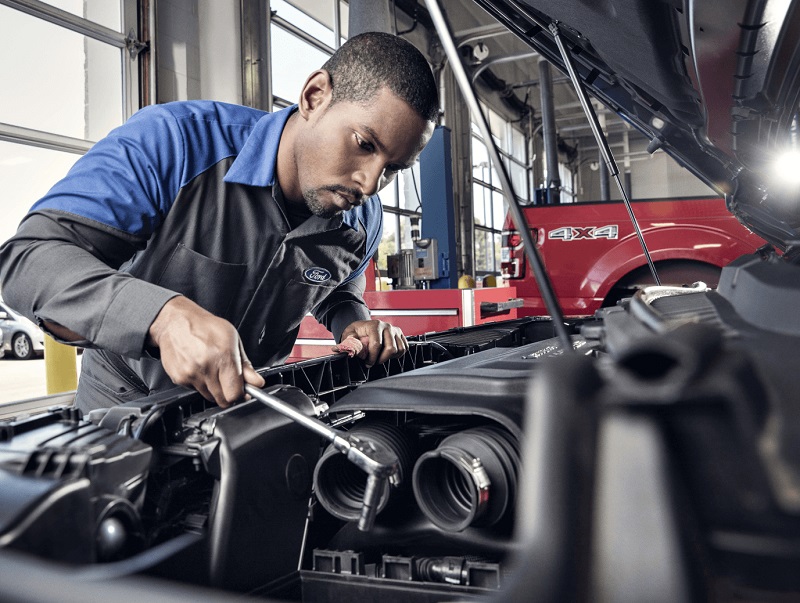
Many car users have to deal with engine problems. The check engine light, knocking and poor running are all symptoms that something is wrong. These faults are usually caused by old spark plugs, unclean filters, or fuel system malfunctions. If caught early, the condition may not worsen and halt the engine.
Brake System Wear
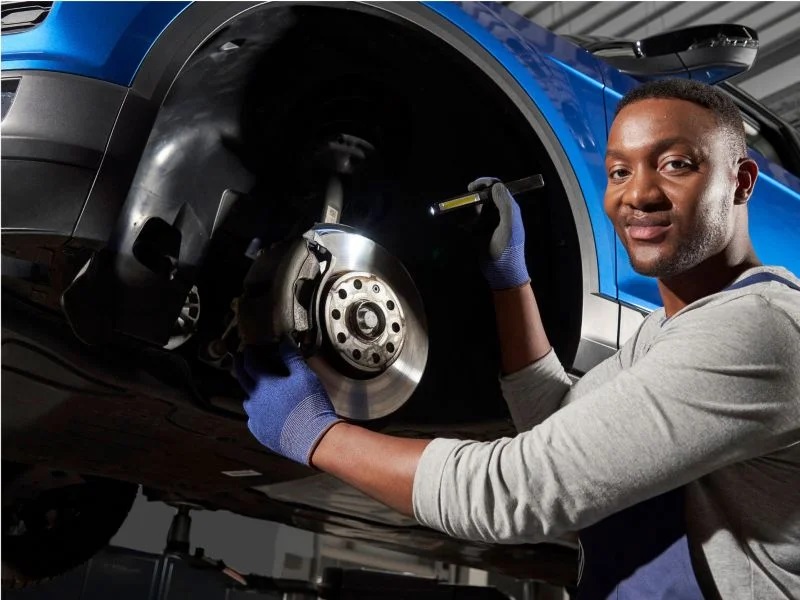
Brakes are vital to a car’s safety and generally wear first. If the stop button screams, grinds, or feels squishy, something is wrong, then these may be caused by worn brake pads, insufficient brake fluid, or wheel issues. Ignoring these cues may make stopping harder and increase accident risk. Road safety requires regular brake inspections.
Transmission Issues
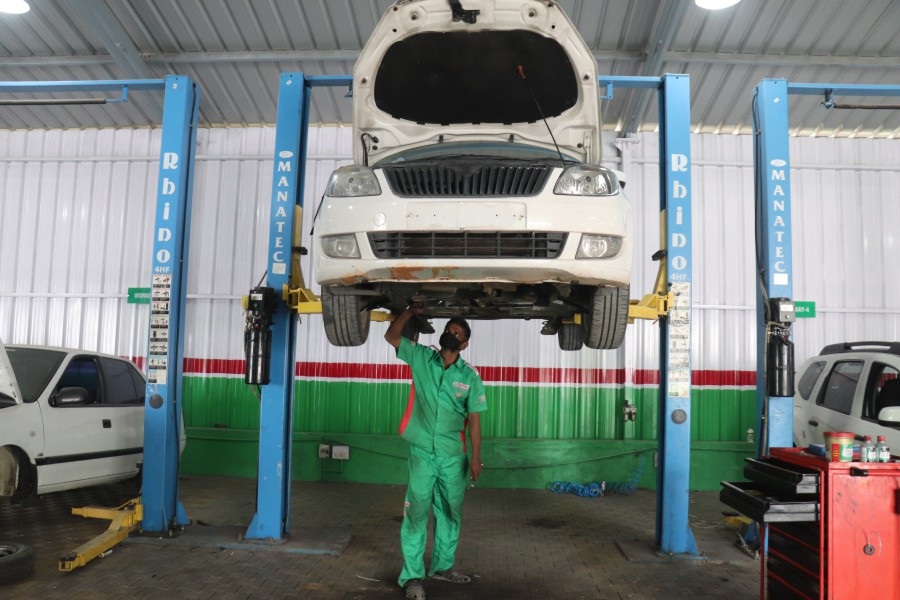
It might be challenging to drive and change gears when the gearbox is faulty, or gears that slide, shifts that take too long, and unusual sounds are all signals that something is wrong. Gearbox fluid leaks or low fluid levels often cause problems like these. It can cost a lot to fix if you don’t care for your gearbox.
Battery and Electrical Failures
More and more electrical problems are happening in cars as more modern technology is developed. A weak or dead battery can show electrical system problems, lights that don’t work, or panel signs that don’t work. Common reasons are corroded connections, loose wires, or a broken alternator. Regular electrical system checks can help find problems before they become big problems, like a car not starting.
Suspension and Steering Problems
The driving system lets you control the car properly, and the suspension system ensures the ride is smooth, but uneven tire wear, sliding to one side, or noises while driving could be signs of a problem with the shocks, struts, or alignment, then these issues not only make things less comfortable, but they also make things less safe. The moving, steering, and suspension problems must be fixed immediately to stay in control and stable.
Finding these early can help keep you from paying for expensive fixes and make driving safer.
Conclusion
Early discovery and regular repair are significant for a vehicle’s performance. Knowing the indicators of common automobile maintenance issues lets drivers act before minor issues become major. From engine to brakes to transmission, every automotive element affects speed and safety. Auto Repair in Logan, UT, ensures skilled repairs. This maintains the automobile and reduces collisions.
Maintenance affects automotive safety, performance, and reliability. Choosing a repair shop with qualified technicians, fair costs, and customer respect will keep your cars in good condition. Honest and educated engineers who understand about each car’s needs and recommend the correct parts, notably oil, develop trust. As the best Auto Repair shop in Gering, NE, this method means faster service and long-lasting happiness.
Exceptional Value and Respectful Service
Respecting customers and pricing fairly is the foundation of excellent car care. Knowledgeable professionals recommend vehicle-specific services rather than unneeded ones. Respect and honesty build deep, valued client relationships.
Tailoring Oil Levels to Your Vehicle
Your car will last longer if you replace the oil often. Oil that stops greasing and stresses the engine can be old. Engine parts stay clean and efficient with regular oil changes. Engines function better and sustain less damage when oil is changed regularly.
What to Expect During Oil Servicing
Learn what kind of car it is, when it was produced, and what make it is. These things assist techs decide between ordinary oil, semi-synthetic oil, synthetic blend oil, and complete synthetic oil. Choose the proper oil for your car so that it runs smoothly and gets the best viscosity and speed.
Commitment to Trust and Transparency
Good car maintenance starts with honesty. Service providers who properly explain their task, fees, and results are easy to trust. You build trust in your advice and give clients the power to make smart maintenance choices by keeping them up to date at every stage, even after the work is done.
Comprehensive Repair and Maintenance Services
A full-service approach ensures critical systems work. Modern diagnostic equipment allow experienced technicians to swiftly discover and rectify problems, major or small, to improve car performance.
Convenience Through Easy Appointments
For busy drivers, making auto care easy to get is important. Online and phone consultations allow customers to seek support at their convenience. Fast and accurate diagnostics, oil checks, and tire rotations let drivers focus on safety and peace of mind without changing their schedules.
The Competitive Edge in Customer Care
Excellent auto repair stands out because they pay attention to every detail and care about their consumers. Attention to client concerns, thorough explanations, and good work distinguish technicians. This care fixes mechanical flaws and builds consumer confidence and loyalty.
Conclusion
A good vehicle repair service values honesty, respect, and competence over technology. Professionals change the oil, do diagnostics, and do preventative maintenance to keep cars running smoothly with Auto Repair in Gering, Ne. Pick an auto repair shop in Gering, Nebraska that places honesty, talent, and value above everything else. With this mix, every mile of road is safe, smooth, and well taken care of.
If horror films had horsepower, they’d probably scream down the street with teeth-baring grins and red balloons tied to the antenna. In recent years, the Pennywise car wrap has surged in popularity among horror fans, thrill seekers, and automotive enthusiasts alike. It’s not just about scaring the neighbors—it’s about standing out, turning heads, and transforming an ordinary vehicle into a rolling homage to Stephen King’s twisted imagination.
Whether you’re gearing up for Halloween, attending a horror-themed car meet, or just want your ride to have the chilling charisma of a haunted house on wheels, this trend is revving up in high gear. This article dives deep into the origin, appeal, design options, and customization tips for Pennywise-themed car wraps.
The Cultural Impact of Pennywise: Why Horror and Cars Collide
Clowns have long been a subject of fascination—and fear. But none has reached the level of infamy quite like Pennywise, the shape-shifting antagonist from Stephen King’s It. From the moment he offered Georgie that iconic red balloon, Pennywise cemented his status as a cultural icon of horror.
But why put him on a car?
It’s simple. Car customization is about personal identity. And for horror fans, there’s no better statement than integrating a horror legend with a vehicle that already turns heads. A Pennywise car wrap blends pop culture, dark fantasy, and automotive art into one terrifyingly cool package.
The horror community, much like the custom car community, thrives on individuality. Combining the two creates something that’s not just unique—it’s unforgettable.
What Makes a Pennywise Car Wrap So Visually Striking?
Design-wise, a Pennywise car wrap offers endless creative possibilities. You’re not just slapping a clown face on a bumper; this is a full-scale design challenge that combines horror storytelling with automotive aesthetics.
Here’s what makes it work:
1. Haunting Artwork
Most Pennywise wraps feature hyper-detailed digital illustrations. Think glowing yellow eyes, razor-sharp teeth, weathered clown makeup, blood splatter effects, and haunting shadows that stretch across the panels. Some even include entire scenes from the movie, like Georgie reaching into the storm drain or the “You’ll float too” message.
2. Color Psychology
Wrap artists use dark tones—black, crimson, and deep greys—as base colors to amplify the sinister vibe. Highlights in red or white (like Pennywise’s makeup) add bold contrast that stands out on the road or at night.
3. 3D Illusions
Some wraps incorporate illusions of Pennywise peeking out from windows, bursting through doors, or crawling across the hood. These 3D effects add depth and motion that make the wrap feel alive (or undead).
Who’s Wrapping Their Cars with Pennywise?
This isn’t just a novelty for Halloween lovers. Here’s who’s embracing the fear:
YouTubers and influencers who want to create viral content
Collectors of horror memorabilia looking for a mobile addition to their collection
Cosplayers and event attendees who want to arrive in style
Haunted attraction owners using wrapped vehicles for promotion
Die-hard horror fans who live and breathe the thrill of fear
It’s not just for Dodge Chargers or muscle cars, either. We’ve seen wrap applications on sedans, Dodge truck conversions, motorcycles, even Slingshots and vans
Designing Your Own Pennywise Car Wrap
Thinking of diving into the deep end and designing your own horror-themed ride? Here’s how to approach it.
Step 1: Choose Your Pennywise Era
Do you want the classic 1990 Tim Curry version or the modern, monstrous Bill Skarsgård portrayal? Both have their charm. The OG Pennywise has retro appeal and campy creepiness. The new version leans into supernatural terror with a more grotesque design.
Step 2: Pick a Style
You can go:
Minimalist: Just Pennywise’s face on the hood or trunk, with subtle horror cues.
Maximalist: A full-wrap cinematic tribute, complete with background scenes, movie quotes, and grunge overlays.
Hybrid: Focused on one side or element of the vehicle—like the doors or rear quarter panels—with themed colors elsewhere.
Step 3: Add Finishing Touches
Red balloon-shaped valve caps or antenna toppers
Matching window tints or blood-drip overlays
Under-glow lighting (red, of course)
Custom license plate: “D3ADEND” or “FLOATER”
Material Matters: What to Use for Horror-ThemedWraps
A professional Pennywise car wrap needs the right materials. Low-quality vinyl won’t hold up to weather or give you the sharp resolution needed for detailed horror art.
Here’s what to ask for:
Cast Vinyl Wraps like Avery Dennison Supreme or 3M IJ180 – ideal for complex contours and long-term use
High-definition printing with solvent or latex ink
UV laminates to prevent fading under sun exposure
Matte or satin finishes for that spooky, cinematic look
Some wrap companies even offer textured effects (like fog or blood splatter texture) to enhance realism.
Safety and Legal Considerations
Let’s be real: Pennywise is scary. Some wraps might be too intense for children or sensitive audiences. If you’re wrapping a commercial vehicle or driving in neighborhoods with schools and parks, consider these tips:
Avoid graphic violence or gore in the imagery
Don’t place wrap elements over headlights, taillights, or license plates
Make sure the wrap doesn’t block visibility from inside the vehicle
Check with local laws on color-changing lights or reflective elements
Maintenance Tips for Your Horror Wrap
Owning a custom wrap means taking care of it, especially when the design includes complex shading and dark tones.
Hand-wash only: Avoid automated car washes, especially with brushes
Use pH-neutral soap to maintain vinyl integrity
Dry thoroughly to prevent water spots on darker sections
Avoid prolonged sun exposure: Park in shade or use a car cover when possible
Touch-up kits can help repair small nicks or scratches
The better you maintain it, the longer your wrap will retain its fear-inducing freshness.
Where to Get It Done
Look for shops that specialize in custom print vinyl wrap jobs. Not every installer can handle high-resolution horror graphics, especially when aligning detailed illustrations across complex surfaces.
You want a team with experience in:
Custom Itasha-style anime or horror wraps
Photoshop/mock-up previews before printing
Full-panel installation without creases or bubbling
If you’re planning a promotional vehicle or an appearance at an event, plan ahead—good wrap shops may have a waiting list, especially around spooky seasons.
Real-World Examples: Wraps That Went Viral
Some standout Pennywise-themed builds include:
The “FloatMobile” – a Dodge Charger fully wrapped in a foggy sewer scene, with Pennywise grinning across the rear panels and red LED underglow.
The “Clown Truck” – a lifted Ford F-150 with balloon trails, bloody tire marks, and Pennywise peeking out from the back window wrap.
The “Itasha of Terror” – a JDM-style Subaru WRX with a half-anime, half-horror aesthetic featuring manga Pennywise merged with realistic textures.
These vehicles often draw large crowds at car meets and horror cons—and tons of viral attention on platforms like TikTok, YouTube Shorts, and Instagram Reels.
More Than Just a Wrap: The Psychology of Fear and Style
A Pennywise car wrap isn’t only about looking cool—it taps into something deeper. Fear is a powerful emotional driver, and harnessing that through art gives people a chance to express themselves in unexpected ways.
It also reflects the broader trend in the wrap industry where customization is no longer just about aesthetics—it’s a form of storytelling. Whether it’s anime, comics, horror, or sci-fi, the car becomes a mobile canvas, and the road becomes a gallery.
Wrap It Up (Without Floating)
Horror has always found new ways to slip into the mainstream, and the Pennywise car wrap is one of the most chilling—and creative—examples. From design innovation to street-level impact, it’s a wrap that goes beyond cosmetic flair and dives deep into the driver’s psyche.
If you’re ready to add a dose of darkness to your vehicle and aren’t afraid of scaring a few pedestrians, this might be the ultimate transformation your ride’s been waiting for. Just don’t be surprised if people start crossing the street when they see you coming.
The car hood is not merely an aesthetic component; it’s a critical safety feature designed to protect the engine and its associated components. In the event of a front-end collision, the hood absorbs and disperses impact energy, shielding vital systems from damage and, more importantly, safeguarding the vehicle’s occupants. Understanding the impact of front-end damage on the car hood is essential for accurate collision assessment and ensuring proper vehicle repair.
Deformation of Hood Components
Front-end collisions pose a serious threat to the structural integrity of a vehicle’s hood. The immense force generated upon impact can lead to significant damage, ranging from minor dents to severe buckling or tearing. The leading edge of the hood, being the first point of contact, is particularly vulnerable, often absorbing the brunt of the initial impact. This can result in bending and crumpling of the metal. Furthermore, the hood’s surface itself can suffer deformation, manifesting as dents, creases, or even complete collapse, as the collision’s energy is transferred throughout its structure. The extent of the damage is directly correlated with factors such as the speed of the collision, the angle of impact, and the size and weight of the opposing object. Higher speeds and heavier objects will undoubtedly inflict more substantial damage to the hood. Look for the Auto Repair in Santa Barbara, CA based services in this case.
Impact on Latch Points
The hood latch mechanism is a vital safety component, ensuring the hood remains securely closed while the vehicle is in motion. In a front-end collision, this crucial system is particularly vulnerable. The force of impact can directly damage the latch itself, potentially bending, misaligning, or completely breaking its components. Furthermore, the surrounding support structure, often made of thinner metal, can be deformed, hindering the latch’s ability to engage correctly. A compromised hood latch presents a significant safety hazard. Should the latch fail, the hood could unexpectedly fly open, instantly obstructing the driver’s forward visibility. This sudden obstruction can lead to panic and a loss of control, dramatically increasing the risk of a secondary accident. Regular inspection and prompt repair of any damage to the hood latch mechanism are essential for maintaining vehicle safety.
Collision Assessment
A thorough collision assessment is essential to determine the extent of the damage to the hood and its associated components. This assessment should include a visual inspection of the hood’s surface for dents, bends, and tears. The latch mechanism and its support structure should be carefully examined for any signs of damage or misalignment. Additionally, the hood’s alignment with the fenders and grille should be checked to identify any structural distortions.
Repair Considerations
Depending on the severity of the damage, the hood may require repair or replacement. Minor dents and bends can often be repaired using specialized techniques, such as paintless dent repair or panel beating. However, if the hood is severely damaged, with extensive tears or structural deformation, replacement is usually the best option. When replacing the hood, it’s crucial to ensure that the replacement hood is compatible with the vehicle and that the latch mechanism is properly aligned and functioning.
Paint Protection Film (PPF), also called clear bra, is a popular way to keep your car’s paint looking clean and new. It’s a thin, clear layer that covers your car’s surface to protect it from scratches, chips, bugs, road salt, and sunlight. But how long does this protection really last?
Most good-quality paint protection films last between 5 to 10 years. How long it lasts depends on a few things: the quality of the film, how it was installed, how you take care of it, and where you live.
Quality of the Film
Not all PPF is the same. Top brands like XPEL, SunTek, or 3M make films that last longer and don’t turn yellow or peel easily. Cheaper films may only last a few years before showing wear.
Professional Installation Matters
Even the best film won’t work well if it isn’t installed right. A trained installer will apply it smoothly with no bubbles or loose edges. Bad installation can make the film peel or get damaged early.
Climate and Driving Habits
The weather in your area makes a difference. Hot, sunny places can cause the film to wear down faster. Snow, ice, and road salt can also damage it. Driving on rough roads often can make the film wear out sooner.
Maintenance and Care
Caring for your PPF is easy but important. Wash your car regularly and don’t use rough sponges or harsh cleaners. Avoid automatic car washes with stiff brushes. Some films can heal light scratches when warmed by the sun or hot water.
When Should You Replace It?
If the film starts turning yellow, peeling, or looking cloudy, it’s time to replace it. Many brands offer warranties for up to 10 years, so check with the shop that installed it.
Paint Protection Film is a smart way to keep your car looking great. With a good product, proper installation, and regular care, it can last for years. It helps protect your paint and can save you money on repairs down the road.
This post was written by a professional at Gorilla Wraps & PPF. At Gorilla Wraps & PPF, we are dedicated to providing premium paint protection film (PPF), custom color change wraps, and vehicle wraps that enhance both the look and durability of your car. We also specialize in commercial vehicle wraps, offering businesses a dynamic way to boost their brand visibility with impactful designs. Proudly serving the Tampa Bay area, our team combines top-tier craftsmanship, high-performance materials, and exceptional customer service. We focus on delivering precision, quick turnaround times, and results that go above and beyond expectations. Whether you’re looking for PPF Clearwater FL, a color change, or commercial wrap solutions, trust us to deliver exceptional quality. Discover the Gorilla Wraps experience and get in touch today for the best car wrap and PPF service around!
Auto repairs can feel like a necessary cost especially when unexpected issues arise. Of course if you’re proactive and know what you’re doing, you can significantly cut your car repair costs. Keep your car in great shape and save money at the same time with these top tips.
Schedule regular maintenance
Regular upkeep is the best way to avoid paying a lot for repairs. If you change your oil, check your fluids, rotate your tires and replace your brake pads when they wear out, you can escape big problems. Find out how often you should service your car in the owner’s manual and stick to that plan. Fixing things later will cost you much more than the care you do now.
Use independent repair shops
Dealerships know a lot about each brand but usually charge more for parts and work. Most of the time, independent auto repair in Fairbanks, AK can do the same good work for less money. Before you pick a shop, read reviews online, ask around and look for certifications.
Estimate multiplely
Don’t take the first price that comes your way. Prices for the same job can change significantly from one shop to the next. Get written quotes from at least three mechanics so you can compare prices. This not only helps you find the best deal, but it also shows you which store seems the most honest and reliable.
Learn DIY Repair Basics
Easy things like air filters, windshield wipers or brake lights can be fixed easily. Many guides are available online, walking you through the steps one by one. If you have a few simple tools and some faith, you can save a lot of money by not paying someone to do the work for you.
Buy parts yourself
Mechanists often charge higher prices for parts. However you can save a lot of money by buying them yourself from reputable car parts stores or online. Just make sure that the parts will work with your car type and that the shop lets customers bring their parts.
Use coupons, loyalty programs
There are a lot of auto repair shops that give deals, coupons and loyalty programs. Before you make an appointment look at their websites or area ads to see if they have any deals. When you join a store’s loyalty program, you might get free or cheap maintenance after a certain number of trips.
Conclusion
You don’t have to skimp on car repairs to save money; you must make wise decisions. You can keep your car running well without spending much money if you do regular maintenance, shop wisely and are willing to learn. These tips will not only help you save money on repairs but they will also make your car last longer.
Driving a well-maintained, scratch-free vehicle is not just a point of pride; it’s an investment we wish to preserve. Nothing can be more frustrating than seeing tiny pebble impacts and random scratches leaving unsightly scars on your beloved car. Enter Paint Protection Film (PPF), a genuine superhero in the world of automobile maintenance. This robust urethane film is our savior from the harsh realities of the road, absorbing the brunt of road debris impact and preventing scratches and scuffs from reaching the actual paint layer of our cars. 21 Bradwick Dr #8, Vaughan GET A FREE QUOTE(905) 766 3367 provides an offer that keeps your vehicle looking brand new and helps in maintaining its value over time. Applying PPF on the surface of your vehicle helps keep it protected against the daily challenges it encounters, paving the way to preserve its pristine condition for longer periods.
The Guardians of Car Aesthetics – SRS Tints
With over 10 years of experience and more than 30,000 content clients, SRS Tints has established itself as one of the top providers in terms of quality car window tinting services, earning them the title as the Best Paint Protection Film company in Mississauga. Specializing in paint protection film application, ceramic coating, and vinyl wrapping, SRS Tints offers full-service automobile beauty treatments for different types of vehicles. Investment in automobile grooming and protection is best left into the hands of experienced professionals like Mississauga’s Best Paint Protection Film Providers who understand the needs of your vehicle and offer tailored solutions to keep it in top shape. Overall, Paint Protection Films (PPF) help you say goodbye to paint scuffs and scratches while keeping your vehicles in superior conditions. SRS Tints continuously awards Mississauga and Vaughan’s residents with its exceptional service quality, robust car window tinting, and additional services such as ceramic coating and vinyl wrapping. A comprehensive package offered by SRS Tints guarantees that your vehicle retains its glossy finish, preserving its beauty and value for extended periods.
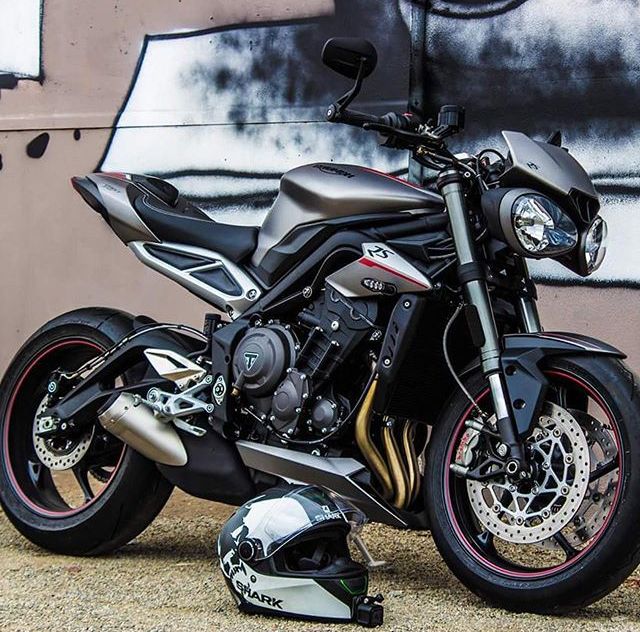
Do you want to buy a used motorcycle but don’t know where to begin? Purchasing a used bike might be intimidating, particularly given the abundance of possibilities. Fortunately, buying your secondhand motorcycle from a trustworthy dealer is the ideal answer for you.Dealerships have a clear edge over private sellers thanks to their special combination of experience, professionalism, and convenience. Hold on tight as we explore the world of motorcycles, especially buying second-hand motorcycles (รับซื้อรถมอไซค์มือสอง, this is the term in the Thai) and dissect the main arguments for why a dealership ought to be your first choice when looking for your next vehicle.
Things to Take Into Account When Purchasing a Used Motorcycle
The most important choice you will have to make when looking for a new motorcycle is whether to buy from a dealership or a private seller. Additionally, trying to negotiate a bargain with a private seller may seem alluring, but there is a lot of hazards involved.The following are some advantages of working with a dealership:
Accountability and Reputation
Dealerships are subject to regulations and have a reputation to maintain, which guarantees greater professionalism and accountability than private sellers.
Large Selection: Used motorcycle dealerships usually have a varied inventory, so you may pick from a number of types, models, and price points to discover the ideal motorcycle for your requirements.
Options for warranties
A lot of dealerships provide warranties on used motorcycles, which give you extra security and comfort in the event that there are problems or flaws after the purchase.
Flexible Financing
Dealerships frequently offer in house financing solutions and collaborate with a number of lenders, which makes it simpler for you to obtain a loan with advantageous terms and interest rates. Expertise and Knowledge: To help you make an informed choice, dealerships hire knowledgeable staff who can give you precise information about the motorcycle’s history, information about maintenance, and potential problems that might arise Trade-In Options: Dealerships can expedite the process and put the trade-in value toward your new purchase if you wish to trade in your existing motorcycle. It will save you time and effort.
Inspected and Serviced
Before putting a used motorbike up for sale, dealerships frequently do extensive inspections and maintenance to make sure the motorcycle is in best shape and lowers the possibility of undiscovered problems.
Decreased the risk of fraud
Dealerships are less likely to sell stolen motorcycles or ones with tampered odometers, among other fraudulent practices, making the purchasing process safer.
Convenience
Since a dealership takes care of all the leg work, registration, and transfer of title procedures on your behalf, buying a secondhand motorcycle from them is typically more convenient. You can just imagine all the paperwork you need to tend to, which might take up so much time, energy, and money too. If you purchase motorcycles from a dealership, you can skip all these things and be able to focus more on other important aspects. There are many dealerships to choose from and it is a must to do your research well.
Emissions testing is more than just a legal requirement—it’s a critical part of maintaining your vehicle’s health and environmental responsibility. These tests are designed to measure the levels of pollutants your vehicle emits through the exhaust system, including carbon monoxide, nitrogen oxides, and hydrocarbons. Excessive emissions often point to underlying issues within the exhaust system, such as a failing catalytic converter, oxygen sensor problems, or exhaust leaks. Regular testing helps ensure your vehicle is operating cleanly and efficiently, keeping both the environment and your engine safe.
Emissions testing offer a crucial advantage by identifying hidden exhaust issues before they escalate. Minor problems like a small exhaust manifold leak or a faulty oxygen sensor might initially lack noticeable symptoms, yet substantially impact emissions. These subtle inefficiencies are uncovered during testing, facilitating prompt repairs. Early detection is key, preventing the development of more severe problems, including engine misfires, reduced fuel efficiency, and expensive part replacements. By addressing these issues early, emissions testing not only ensures compliance with environmental standards but also promotes long-term vehicle health and reduces the financial strain of major repairs. This proactive approach safeguards both the environment and the owner’s wallet. Selection of the Auto Repair in Marietta, GA based service is utterly necessary here.
Protecting Your Catalytic Converter
The catalytic converter plays a vital role in controlling emissions, converting harmful gases into less toxic substances before they exit the tailpipe. However, if it’s clogged, damaged, or overwhelmed by excessive pollutants, it can fail—leading to higher emissions and reduced engine performance. Emissions testing monitors the output of the catalytic converter and ensures it’s working properly. Detecting reduced efficiency or failure early through testing can save the component or prompt a replacement before it causes broader engine complications.
Boosting Vehicle Performance and Efficiency
Vehicles that pass emissions tests tend to operate more smoothly and efficiently. That’s because a clean-burning engine with a well-maintained exhaust system doesn’t have to work as hard to produce power. Regular emissions testing ensures your exhaust components—like the muffler, resonator, and pipes—are functioning correctly, which supports optimal airflow and backpressure. This translates to better fuel economy, more consistent engine performance, and a quieter, more enjoyable ride.
Staying Compliant and Preserving Vehicle Value
In many regions, emissions testing is a requirement for vehicle registration or renewal. Failing to maintain your exhaust system could lead to test failure, fines, or even restrictions on vehicle use. Beyond compliance, keeping up with emissions-related maintenance protects your car’s resale value. A vehicle with a history of passing emissions tests signals to buyers that it’s been well cared for and is likely to run cleanly and efficiently. In short, emissions testing is not only good for the planet—it’s a smart, proactive way to ensure your car’s longevity and reliability.
Gasket seals are essential to the entire operation of an exhaust system because they stop exhaust leaks, which can result in toxic emissions, noise, and inefficient engines. The gasket, which is situated between parts such as the cylinder head and the exhaust manifold, guarantees a tight seal to stop exhaust gasses from escaping the system. Numerous problems, ranging from reduced performance to safety risks, may arise if the gasket fails. Maintaining the integrity of your car’s exhaust system can be facilitated by being aware of the function of gasket seals and the significance of appropriate material and fit.
Material Matters: Choosing the Right Gasket
Composition is crucial to gasket seal endurance and performance. Gaskets are made from graphite, copper, steel, and composites. Every material has attributes suitable for exhaust systems. Copper gaskets are used in high-performance applications due to their thermal conductivity, whereas graphite gaskets are flexible and heat-resistant, making them ideal for high-heat settings. Use the right material to ensure the gasket can withstand high pressure, temperatures, and corrosive exhaust gases, reducing leak risk.
Proper Fit: Ensuring a Tight Seal
An incorrect fit might result in exhaust leaks even with the greatest gasket material. Exhaust gasses might leak out of a gasket that is either too big or too small for the exhaust components. Additionally, this may result in an unequal distribution of pressure, which over time may cause more harm. It’s crucial to carefully match the gasket’s dimensions with those of the cylinder head and exhaust manifold during installation. For expert assistance, consider trusted Auto Repair in Sacramento, CA. The risk of engine inefficiency and potentially dangerous emissions is decreased when the gasket is properly fitted since it can effectively stop exhaust gases from escaping.
The Impact of Leaks on Vehicle Performance
Numerous performance problems, such as decreased engine power, poor fuel efficiency, and elevated emissions, can result from exhaust leaks. The engine’s air-fuel ratio is upset when exhaust fumes seep through a damaged gasket, which can result in misfires, slow acceleration, and engine reluctance. Furthermore, the emissions system of the car may be adversely affected by the release of dangerous gases like carbon monoxide, which could result in failed inspections or environmental issues.
Conclusion
Preventing gasket problems in your car requires routine exhaust system maintenance and inspection. Heat cycles and pressure can weaken, harden, or break gaskets over time, making it more difficult for them to seal properly. Regular inspections for leak indicators, such as strange engine noises or smells, can assist in detecting gasket problems before they cause more serious harm. Maintaining vehicle performance and extending the life of your exhaust system can be achieved by replacing worn-out gaskets with premium materials and making sure they fit properly during installation.