
Author

Patricia

Browsing

When it comes to upgrading your car’s performance, engine tuning is the way to go. Tuning your engine involves adjusting various components to maximize performance, including fuel injection, ignition timing, and air intake. Here are some tips to help you customize your engine for optimal performance:

1. Determine Your Goals

The first step in engine tuning is to determine what you want to achieve. Do you want more horsepower, better fuel efficiency, or improved acceleration? Knowing your goal will help you make the right adjustments to your engine.

2. Upgrade Your Air Intake

Upgrade Your Air Intake

One of the easiest ways to improve your engine’s performance is to upgrade your air intake system. This involves replacing your stock air filter with a high-performance one that allows for better air flow. This will increase the amount of oxygen that enters the engine, resulting in more power and better fuel efficiency.

3. Install a Performance Exhaust

Another way to improve your engine’s performance is to install a performance exhaust system. A performance exhaust system allows exhaust gases to escape more efficiently, reducing back pressure and increasing horsepower. A performance exhaust system also gives your car a sporty sound, making it a popular upgrade for car enthusiasts.

4. Upgrade Your Fuel System

Upgrading your fuel system is another way to improve your engine’s performance. This involves replacing your stock fuel injectors with high-performance ones that deliver more fuel to the engine. This will increase horsepower and improve acceleration.

5. Adjust Your Ignition Timing

Adjusting your ignition timing is a more advanced engine tuning technique that requires specialized equipment. However, it can significantly improve your engine’s performance. Ignition timing refers to the timing of the spark that ignites the fuel in your engine. By adjusting the timing, you can optimize the combustion process, resulting in more power and better fuel efficiency.

6. Consult a Professional

If you’re not comfortable tuning your own engine, it’s always best to consult a professional. A professional mechanic can help you determine your goals and make the necessary adjustments to your engine for optimal performance. They can also help you avoid costly mistakes that can damage your engine.

Conclusion

Customizing your engine for performance can be a fun and rewarding project for car enthusiasts. By following these tips, you can improve your engine’s performance and achieve your desired goals. Whether you’re looking for more horsepower or better fuel efficiency, engine tuning is the key to unlocking your car’s full potential.

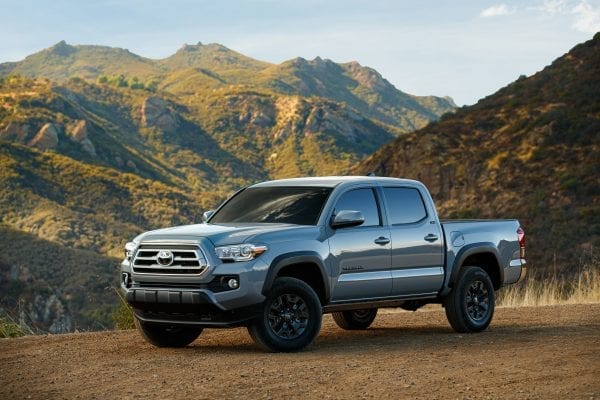
Mini-trucks are small-sized trucks that have gained popularity in recent years. These trucks come in various shapes and sizes and are designed to be efficient in carrying small loads. They are commonly used in various industries, including agriculture, construction, and logistics. In this article, we will explore the benefits and uses of mini-trucks.

Benefits of Mini-Trucks

  • Cost-Effective: Mini-trucks are less expensive compared to their larger counterparts. They are ideal for small businesses or individuals who need a vehicle to transport goods but have a limited budget.
  • Compact Size: Mini-trucks are designed to be compact, which makes them easy to navigate through narrow roads and tight spaces. They can easily fit into small parking spaces, making them ideal for urban areas.
  • Fuel Efficiency: Mini-trucks are designed to be fuel-efficient, which means they consume less fuel compared to larger trucks. This makes them an ideal option for businesses looking to save on fuel costs.
  • Low Maintenance: Mini-trucks have fewer parts compared to larger trucks, which means they require less maintenance. This translates to lower maintenance costs for businesses or individuals who own mini-trucks.
  • Customizable: Mini-trucks can be customized to suit specific business needs. They can be fitted with different types of bodies, such as flatbeds or enclosed spaces, depending on the type of cargo being transported.

Uses of Mini-Trucks

Trucks

Mini-trucks have a wide range of uses in different industries. Some of the common uses of mini-trucks include:

  • Agriculture: Mini-trucks are commonly used in the agriculture industry to transport crops, fertilizers, and other materials around the farm. They are ideal for small farms that do not require large trucks.
  • Construction: Mini-trucks are also used in the construction industry to transport materials such as sand, gravel, and concrete. They can easily navigate through construction sites, making them an ideal option for small construction companies.
  • Logistics: Mini-trucks are commonly used in the logistics industry to transport small packages and parcels. They are ideal for last-mile deliveries in urban areas where larger trucks cannot access.
  • Maintenance: Mini-trucks are also used in the maintenance industry to transport equipment and tools to different job sites. They are ideal for small maintenance companies that do not require large trucks.
  • Recreation: Mini-trucks are also popular among outdoor enthusiasts. They are commonly used for camping, hunting, and other outdoor activities due to their compact size and off-road capabilities.

Overall, mini-trucks are versatile vehicles that offer many benefits to different industries. They are cost-effective, fuel-efficient, and easy to maintain, making them an ideal option for small businesses or individuals who need a vehicle to transport goods. With their customizable bodies, mini-trucks can be tailored to suit specific business needs. Whether you are in the agriculture, construction, logistics, or maintenance industry, a mini-truck can be a valuable asset to your business.

Heavy duty trucks are the backbone of the transportation industry. These vehicles are designed to haul large quantities of goods and materials over long distances, and they are essential for the smooth functioning of the global economy. In this article, we will take a closer look at the heavy duty truck industry and explore the various factors that make these vehicles so important.

The Evolution of Heavy Duty Trucks

Heavy Duty Trucks...

The history of heavy duty trucks can be traced back to the early 20th century when the first gasoline-powered trucks were introduced. These vehicles were initially used for local deliveries and short hauls, but as the demand for transportation grew, so did the need for bigger and more powerful trucks. Over the years, heavy duty trucks have evolved to become more efficient, safer, and environmentally friendly.

The Role of Heavy Duty Trucks in the Transportation Industry

Heavy duty trucks are used in a wide range of industries, including shipping, construction, agriculture, and mining. These vehicles are designed to carry heavy loads and navigate difficult terrain, making them an essential part of many businesses. Without heavy duty trucks, it would be difficult to transport goods and materials over long distances, which could lead to a significant slowdown in the global economy.

The Benefits of Heavy Duty Trucks

There are several benefits to using heavy duty trucks for transportation. These vehicles are designed to be durable and reliable, which means they can withstand harsh weather conditions, rough terrain, and heavy loads. Additionally, heavy duty trucks are more fuel-efficient than ever before, which helps to reduce their environmental impact and lower transportation costs for businesses.

The Challenges Facing the Heavy Duty Truck Industry

Heavy Duty Truck Industry

Despite the many benefits of heavy duty trucks, there are also several challenges facing the industry. One of the biggest challenges is the need to comply with increasingly stringent emissions regulations. In recent years, governments around the world have introduced stricter regulations aimed at reducing the environmental impact of heavy duty trucks. This has led to an increase in the use of alternative fuels, such as natural gas and electric power, which are more environmentally friendly but can be more expensive.

The Future of Heavy Duty Trucks

The heavy duty truck industry is constantly evolving, and there are several trends that are likely to shape its future. One of the most significant trends is the move towards electrification. Many manufacturers are now developing electric heavy duty trucks, which offer lower emissions and reduced fuel costs. Additionally, the rise of autonomous technology is likely to have a significant impact on the industry, as self-driving trucks could help to reduce accidents and improve the efficiency of transportation.

Conclusion

Heavy duty trucks are an essential part of the transportation industry, and they play a vital role in the global economy. While there are several challenges facing the industry, including emissions regulations and rising fuel costs, there are also many opportunities for growth and innovation. As the industry continues to evolve, it is likely that we will see new technologies and trends emerge, which will help to make heavy duty trucks even more efficient, safe, and environmentally friendly.

Importing and exporting vehicles can be a complex and time-consuming process, but it can also be a lucrative business venture for those who are willing to put in the effort. Whether you are looking to import a classic car from overseas or export a fleet of commercial vehicles to another country, understanding the process is essential to ensure a smooth and successful transaction.

Importing a Vehicle

Importing a Vehicle

The process of importing a vehicle will vary depending on the country of origin and the destination country, but there are some general steps that you can follow:

  1. Research import regulations: Before you even begin the process of importing a vehicle, you need to research the import regulations of the destination country. This may include restrictions on the age or type of vehicle that can be imported, as well as emissions and safety standards.
  2. Obtain necessary paperwork: You will need to obtain a variety of paperwork to import a vehicle, including a bill of lading, customs declaration, and import permit. You may also need to provide proof of ownership and registration.
  3. Arrange shipping: Once you have all the necessary paperwork, you will need to arrange shipping for the vehicle. This may involve hiring a freight forwarder or working with a shipping company directly.
  4. Clear customs: When the vehicle arrives in the destination country, it will need to clear customs. This may involve paying import taxes and fees, as well as passing inspection to ensure that the vehicle meets local regulations.

Exporting a Vehicle

Exporting a Vehicle

The process of exporting a vehicle is similar to importing, but with a few key differences:

  1. Research export regulations: Just as with importing, you will need to research the export regulations of the country where the vehicle is located, as well as the destination country.
  2. Obtain necessary paperwork: You will need to obtain a variety of paperwork to export a vehicle, including a bill of lading, customs declaration, and export permit. You may also need to provide proof of ownership and registration.
  3. Prepare the vehicle: Before the vehicle can be exported, it will need to be prepared. This may involve draining fluids, removing batteries and airbags, and securing loose items.
  4. Arrange shipping: Once the vehicle is prepared, you will need to arrange shipping. This may involve hiring a freight forwarder or working with a shipping company directly.
  5. Clear customs: When the vehicle arrives in the destination country, it will need to clear customs. This may involve paying import taxes and fees, as well as passing inspection to ensure that the vehicle meets local regulations.

Conclusion

Importing and exporting vehicles can be a lucrative business opportunity, but it requires a significant amount of research and preparation. By understanding the process of importing and exporting vehicles, you can ensure a smooth and successful transaction. Whether you are importing a classic car or exporting a fleet of commercial vehicles, following these steps can help you navigate the complex world of international vehicle transactions.

Car wrapping is increasingly becoming a popular trend among car owners who want to give their vehicles a unique and personalized look. This technique involves covering the car’s original paint with vinyl decals or wraps, which are available in a wide range of colors, patterns, and finishes.

Why Wrap Your Car?

Car wrapping offers several benefits over traditional painting methods:

  • Cost-effective: Car wrapping is a more affordable option than repainting your vehicle. It is also a great way to protect your car’s paint from scratches, dents, and other damages.
  • Customizable: Vinyl wraps come in endless design options, allowing you to create a truly unique look for your car.
  • Easy to Install and Remove: Vinyl wraps can be easily installed and removed without damaging the car’s paint. This means you can change the look of your car as often as you like.
  • Resale Value: A well-maintained vinyl wrap can actually increase your car’s resale value, as it helps to preserve the original paint and keeps the car looking new for longer.

The Process of Car Wrapping

The car wrapping process typically involves the following steps:

  1. Design: The first step is to choose a design for your car wrap. This can be a custom design created by a professional graphic designer, or you can choose from pre-made designs.
  2. Preparation: The car’s surface must be thoroughly cleaned and prepared before the vinyl wrap can be applied. This involves removing any dirt, grease, or wax from the surface.
  3. Installation: The vinyl wrap is carefully applied to the car’s surface, with special attention paid to corners, curves, and other tricky areas. The vinyl is then heated with a heat gun to conform to the car’s contours.
  4. Finishing: Once the vinyl wrap is applied, the edges are trimmed and the wrap is smoothed out to eliminate any bubbles or wrinkles. The car is then inspected to ensure that the wrap is properly applied and there are no imperfections.

Caring for Your Car Wrap

Caring for Your Car Wrap

Proper maintenance is important to ensure that your car wrap lasts for as long as possible. Here are some tips for caring for your vinyl wrap:

  • Wash regularly: Regularly washing your car with a mild detergent and water will help to keep the vinyl wrap clean and free from dirt and debris.
  • Avoid harsh chemicals: Harsh chemicals such as bleach or abrasive cleaners can damage the vinyl wrap and should be avoided.
  • Avoid high-pressure washing: High-pressure washing can damage the vinyl wrap and cause it to peel or bubble.
  • Use a soft cloth: When drying your car, use a soft cloth or chamois to avoid scratching the vinyl.

Overall, car wrapping is a great way to transform the look of your vehicle and make it truly unique. With a wide range of design options and benefits over traditional painting methods, car wrapping is a trend that is here to stay.

Customizing your wheels and tires is one of the most popular upgrades for car enthusiasts. Not only does it enhance the appearance of your vehicle, but it also improves its performance. With so many styles and options available, it can be overwhelming to choose the right one. This comprehensive guide will help you choose the perfect wheel and tire customization for your car.

Styles of Custom Wheels

Custom wheels come in a variety of styles, each with their own unique look and performance benefits. Here are some popular styles:

  • Alloy Wheels: These wheels are made of a mixture of aluminum and other metals, making them lightweight and durable. They are available in a variety of finishes, including chrome, black, and gunmetal.
  • Forged Wheels: These wheels are made by compressing aluminum or other metals under high pressure, resulting in a stronger and lighter wheel. They are available in a variety of finishes, including brushed, polished, and painted.
  • Spoke Wheels: These wheels have spokes that radiate from the center of the wheel to the outer edge. They are available in a variety of spoke designs, including split-spoke, multi-spoke, and mesh.
  • Multifit Wheels: These wheels are designed to fit multiple vehicles, making them a popular choice for car enthusiasts who own multiple cars.

Styles of Custom Tires

Styles of Custom Tires

Custom tires also come in a variety of styles, each with their own unique look and performance benefits. Here are some popular styles:

  • Summer Tires: These tires are designed for warm weather conditions and provide excellent grip and handling on dry roads.
  • All-Season Tires: These tires are designed to perform well in a variety of weather conditions, including rain and light snow.
  • Winter Tires: These tires are designed to perform well in cold weather conditions, including snow and ice. They have a special tread pattern and rubber compound that provides better traction in these conditions.
  • Performance Tires: These tires are designed for high-performance vehicles and provide excellent grip and handling at high speeds. They are often used for track racing and autocross.

Choosing the Right Customization

When choosing the right wheel and tire customization for your car, it’s important to consider your driving style and the conditions you will be driving in. If you have a high-performance vehicle and like to drive fast, performance tires and forged wheels may be the best choice for you. If you live in an area with harsh winters, winter tires may be necessary to ensure your safety on the road.

It’s also important to consider the size and fitment of your wheels and tires. Custom wheels and tires come in a variety of sizes and fitments, so it’s important to choose the right size and fitment for your car. This will ensure that your wheels and tires fit properly and perform as they should.

Conclusion

Customizing your wheels and tires is a great way to enhance the appearance and performance of your car. With so many styles and options available, it’s important to choose the right customization for your driving style and conditions. Whether you choose alloy wheels and all-season tires or forged wheels and performance tires, customizing your wheels and tires is a fun and rewarding experience for any car enthusiast.

When it comes to buying or selling a used car, the vehicle’s history plays a crucial role in determining its resale value. A vehicle’s history includes various factors like accidents, maintenance schedule, mileage, and ownership. In this article, we will decode the impact of vehicle history on the resale value of a car.

Accidents

One of the most significant factors that can impact a car’s resale value is its accident history. If a car has been involved in an accident, it can decrease its value by up to 20%. Even if the car has been repaired and looks fine, potential buyers may still be hesitant to purchase it. This is because accidents can cause hidden damage that may not be visible to the naked eye, and the car may have a higher risk of future problems.

Maintenance Schedule

Maintenance Schedule

The maintenance schedule of a car is another essential factor in determining its resale value. If a car has been regularly serviced and maintained, it is likely to have a higher resale value. On the other hand, if a car has been neglected and not serviced regularly, potential buyers may be wary of purchasing it. This is because a poorly maintained car can have hidden problems that may lead to costly repairs in the future.

Mileage

mileage

The mileage of a car is another critical factor that can impact its resale value. Generally, cars with lower mileage tend to have a higher resale value than those with higher mileage. This is because a car with lower mileage is likely to have less wear and tear and fewer potential problems. However, this may not always be the case, as a car that has been driven infrequently or left sitting for long periods can also have problems.

Ownership

The number of previous owners a car has had can also impact its resale value. A car that has had one or two owners is likely to have a higher resale value than one that has had several owners. This is because a car that has had fewer owners is likely to have been better maintained and cared for than one that has had multiple owners.

Conclusion

In conclusion, the vehicle’s history plays a critical role in determining its resale value. Factors like accidents, maintenance schedule, mileage, and ownership can all impact a car’s value. When buying or selling a used car, it is crucial to consider the vehicle’s history carefully. By doing so, you can ensure that you get the best value for your money and avoid potential problems down the road.

Understanding IRS mileage reimbursement rates is crucial whether you’re a business owner, self-employed, or an employee. These rates impact how much you can claim as a tax deduction and help you plan your budget. With new rates for 2025, staying informed ensures you follow IRS rules and maximize your tax benefits.

Understanding IRS Mileage Reimbursement Rates

What Are IRS Mileage Rates?

IRS mileage rates are standard amounts the IRS allows taxpayers to deduct for each mile driven for business, medical, or moving purposes. They set these rates annually based on vehicle costs. These rates serve as a guideline for reimbursement without needing detailed expenses.

Why Are Mileage Rates Important?

For self-employed people and small businesses, these rates define how much they can deduct for vehicle use, saving money on taxes. Employees often get reimbursed at these rates by their employers. Accurate rates mean better tax savings and clear expense mileage tracking.

How the IRS Sets Mileage Rates

The IRS looks at factors like fuel prices, vehicle maintenance, repairs, and depreciation. They analyze these costs to find a fair average rate. As gas prices jump or vehicle costs change, the mileage rate adjusts accordingly year to year.

IRS Mileage Rates for 2025

Updated Mileage Reimbursement Rate for 2025

The IRS has announced a mileage rate of 65.5 cents per mile for 2025. This is a slight increase from 2024’s rate of 62.5 cents. This trend shows rising vehicle operating costs, especially fuel and maintenance expenses.

Regional Variations and Special Circumstances

While the IRS sets a standard rate, some situations like moving or medical travel have their own rates. These might vary slightly based on local factors but generally follow the same trend as the main mileage rate. Knowing these helps you plan for different types of travel.

How These Rates Affect Your Tax Planning

If you drive 1,000 miles for work in 2025, you could deduct about $655 (at 65.5 cents per mile). That can add up quickly. To get the most out of these deductions, always keep detailed records and stay within IRS guidelines.

mileage tracking

Practical Applications of IRS Mileage Rates

For Self-Employed Individuals and Freelancers

Track your miles daily using digital apps or paper logs. When filing taxes, report your mileage in Schedule C or equivalent forms. This way, you ensure you don’t miss out on deductions.

For Employers and Businesses

Set reimbursement policies aligned with IRS rates. Maintaining accurate logs helps avoid audit issues and simplifies expense management. This practice keeps everyone compliant and transparent.

For Employees Reimbursed by Employers

Review your company’s reimbursement policies to ensure they match IRS rates. Keep detailed records of your drives to avoid any issues during audits or tax reviews.

Tools and Resources for Mileage Tracking in 2025

Best Mileage Tracking Apps and Software

Popular options include MileIQ, Everlance, and Stride. They automatically track your drives and generate detailed reports. They help you stay precise and compliant with IRS rules.

IRS Resources and Publications

Tips for Maintaining Accurate Mileage Records

  • Log your trips daily—don’t rely on memory.
  • Use apps for easy, digital record keeping.
  • Record date, purpose, starting point, and ending location.
  • Keep backup copies in case of audit or review.

Key Considerations and Common Pitfalls

Staying Updated with the IRS Rates

Rates change annually. Always verify the latest rate before claiming expenses. Subscribing to IRS updates or consulting a tax professional helps.

Ensuring Compliance with IRS Policies

Only count miles driven for business, charity, or moving. Personal miles aren’t deductible. Mix-ups can trigger audits or penalties.

Adjusting Business Practices Based on Rate Changes

Re-evaluate your reimbursement policies yearly. Make sure employees and freelancers know about new rates. Proper updates help avoid errors.

Conclusion

Knowing the IRS mileage reimbursement rates for 2025 is essential for accurate tax planning and expense management. Staying informed, mileage tracking your miles diligently, and consulting professionals can boost your savings and keep you compliant. Use the right tools and keep records up to date—making your mileage deductions straightforward and beneficial.

Remember, the right information can save you money. Keep an eye on IRS updates and always document your travel accurately. This approach ensures you get the most benefit from your mileage and avoid costly mistakes.