Author

Betty M. Brandon

Browsing

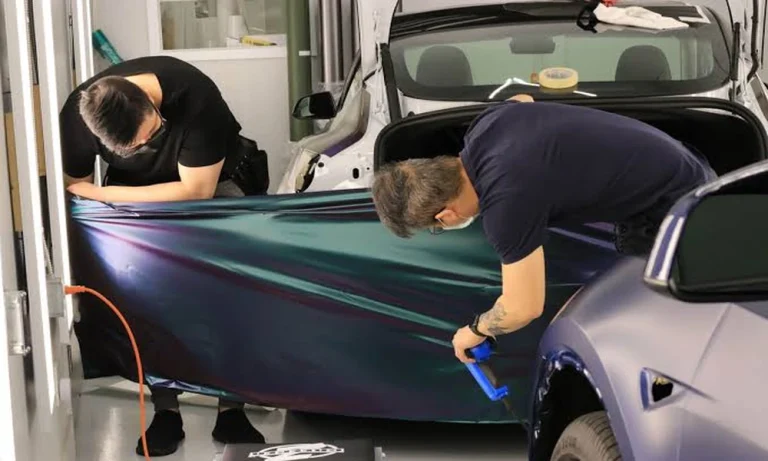
A new car’s showroom finish can degrade faster than you think. Road grit, stone chips and scratches, bird droppings, UV, and weather damage an automobile’s paint surface. This is where Paint Protection Film (PPF) steps in as a brilliant way to protect against that damage while letting the original paint show through.

But choosing PPF isn’t as simple as picking the thickest vinyl wrap or the most reputable brand. That includes film clarity, self-healing performance, top-coat technology, durability, warranty, and installation quality.

There are tons of paint protection film brands, but comparing the top options can take the guesswork out. Here are ten brands to consider.

1. XPEL

XPEL is the best-known name in premium automotive PPF. The product portfolio has Ultimate Plus, Ultimate Fusion, and Stealth with a satin finish. Best known for self-healing tech and an extensive catalog of professional install options.

Best for: Luxurious car enthusiasts and the ultra-picky owner.

2. 3M

3M has been in the protective film game a long time so it still has a wide range of vehicle protection. Scotchgard Paint Protection Film™ for vehicle surfaces makes them resist road hazards while preserving the car’s appearance.

The brand power of this name and its history speak for themselves. For buyers looking for a well-regarded pure play, 3M is a solid bet.

Best for: Drivers with confidence in a name-brand legacy.

3. SunTek

You are likely familiar with SunTek, too, a prominent name in automotive film. Slightly descended from the Eastman family, it occupies a reasonable space in both performance and price. Its PPF is SunTek for optical protection, plus competitors’ top-tier characteristics.

There generally isn’t a direct competitor with SunTek, and most customers respond to top-tier films (XPEL, 3M) while also avoiding price gouging that comes with being the biggest names in the industry.

Best for: Daily drivers looking for solid performance and value.

4. LLumar

LLumar is an Eastman brand with a long history in automotive film. Works PPF offers professional-looking paint protection solutions against daily scratches and scrapes.

Also, LLumar has a network of established installers. That matters because applying great film poorly will yield poor results, even when you’re using a great product.

Best for: Purchasers looking for a trusted name and qualified installers.

5. STEK

STEK has a solid reputation for premium PPF and other specialist finishes. They offer a clear and satin-style range, plus films with super-strong hydrophobic capabilities.

STEK is especially attractive to owners who want protection without compromising design. The best position that can be given to this is it provides decorative and finish centralized options as compared to various other generic clear PPF offerings.

Best For: Shield-style enthusiasts protection.

6. KAVACA

KAVACA focuses solely on advanced surface protection and is exclusively associated with Ceramic Pro. Get PPF designed for clarity and hydrophobic performance!

If you’re a prospective buyer considering ceramic protection, it pays to look at KAVACA because its lineup fits into a holistic vehicle-care solution.

Best for: Owners who want PPF with maximum surface protection.

7. GYEON

GYEON is a major player in the pro detailing world for coatings and vehicle-care products. The brand has also branched into paint protection film (PPF) with a complete PPF range, with the most recent offerings being designed for those looking to achieve solid surface and paint protection.

It is particularly attractive to detail-oriented owners who want maximum protection while maintaining an easy-care film.

Best for: Owners that are detail-minded and care about surface appearance.

8. Avery Dennison

Avery Dennison will be a familiar name for anybody, veteran to automotive graphics or vehicle wrap materials. Another stop on the way when it’s time to be professional at PPF with their automotive protection product selection. Specializing in automotive applications and the materials behind film technology, this company offers an alternative to more traditional PPF companies.

Best for: Drivers is looking for a global film with brand recognition.

9. HEXIS

HEXIS is a European player specialized in self-adhesive films (mainly for automotive). Its Bodyfence range put the company on the map as a PPF (paint protection film) industry player.

HEXIS is a brand worth looking into if you are in the market for professional-quality film from one of the longest-standing surface protection companies.

Best for: Drivers looking for a European PPF option.

10. ORAFOL

ORAFOL is another established specialty film player serving automotive, industrial, and graphics applications. It offers the ORAGUARD protection-film range for those comparing professional-grade films.

With its history in adhesive and protective film technology, ORAFOL is a brand to consider when working with an experienced installer.

Best for: Buyers of a well-developed film producer with lots of industry knowledge.

What Makes One PPF Brand Better Than the Other?

Brand name is just one part of the decision. Before you shell out for an installation, pay attention to these red flags:

Optical Clarity

The better the PPF quality, the harder it is to tell you installed the film. Inferior-quality film can cause too much orange peel, haze, or distortion.

Self-Healing Performance

Most premium films heat up to reduce the appearance of light scratches and swirl marks. However, self-healing does not mean the film is invulnerable to wear.

Hydrophobic Properties

A hydrophobic top coat may help water bead more readily, making washing easier. It can also help the film look cleaner longer between washes.

Warranty

Always read the actual warranty terms. Each product and region has its own coverage periods and terms. A lengthy guarantee is valueless if you do not comprehend what it consists of.

Installer Quality

This is especially at the top of any important student considerations. Even if a film is the best of the best, it will not overcome a bad install. Wrinkles, lifted edges, contamination, excess seams, and visible cuts can spoil the final look.

Studies show installation quality can be as important as, or even more important than, the film itself.

Final Thoughts

Because PPF is a big investment, a decision made in haste can prove costly. The best brands give different strength mixtures − none should be chosen exclusively because that one is the first on an internet search.

Compare the real product, verify the warranty, review completed work, and select a reputable professional. Combine these factors with PPF, and your car can look just as good after years of exposure to mundane road wear.

It’s common to think of an old car as a burden that costs a lot of money to get rid of. But when a vehicle is unusable or unsafe to drive, the costs of ownership can be even greater. In fact, it’s better to dispose of old cars the moment you know they don’t work or aren’t roadworthy again. The only option is auto recycling, which means turning an end-of-life vehicle, as you can read at environment.ec.europa.eu/topics, into reusable parts, recyclable materials, or waste disposal.

By turning old cars into resources, auto recycling puts the parts into service again. This means you can clear up some space in your home, save money on affordable repair costs, and reduce your carbon footprint.

What Is Auto Recycling?

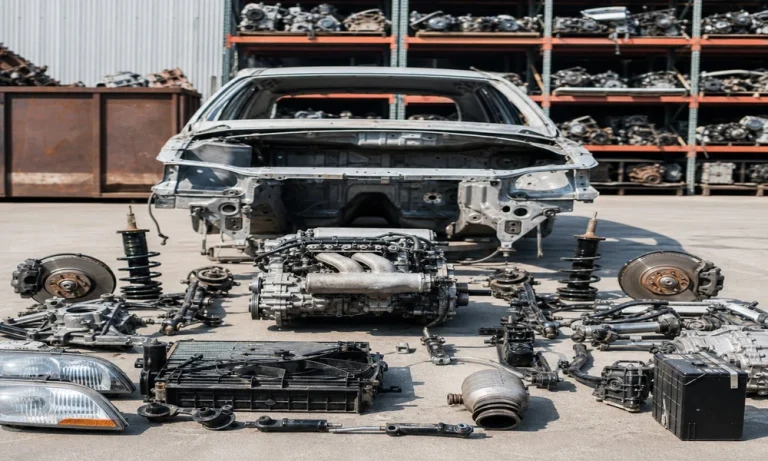
Simply said, auto recycling is the dismantling of vehicles to reuse and resell their parts or recycle their materials responsibly. This doesn’t necessarily mean crushing the vehicles and selling them for scrap metal. The process begins with an inspection and draining of any fluids before beginning the dismantling process.

There are many parts that could have been used on old or damaged cars. This can include engines, transmissions, alternators, doors, mirrors, seats, rims, headlights, or electrical components. Once the parts are removed, only the frames and car bodies are left behind. These are recycled into metal for reuse and remanufacturing. Steel, aluminum, and copper are the main parts of the car frame and body that are recyclable.

Why Do We Need Auto Recycling?

It is important to recycle end-of-life vehicles to reduce waste and lower the demand for raw material production. The production of new auto parts involves mining, manufacturing, transporting and using huge amounts of energy. The production of new auto parts involves mining, manufacturing, transportation, and energy. The use of reusable parts and recycled metal reduces the demand for these resources, making the world greener.

Auto recycling makes sure that dangerous substances in cars, such as fluids and batteries (read the full info here), are processed so they can never enter the environment through the ground. Fluids that should never touch the ground include:

  • Motor oil
  • Transmission fluid
  • Coolant
  • Brake fluid
  • Fuel
  • Batteries
  • Tires

The auto recycling process allows these substances to be disposed of safely. This means recycling will always be a safer bet than leaving the car alone in an abandoned lot or storage garage.

Reusability of Auto Parts

Auto recycling means you’ll get access to used auto parts. Some car owners may be afraid of using auto parts that have been repaired. But, when new parts are too expensive and are harder to find, using used parts can be the right call for car body repair, mechanical repair, car interior repair, or restoration projects. And for older cars, used parts are the best choice as new car parts will not be available at all. This makes recycling end-of-life vehicles a win-win situation by reducing the amount of waste and extending the lifetime of vehicles on the road.

What Should You Consider When You’re Deciding To Recycle Your Used Vehicle?

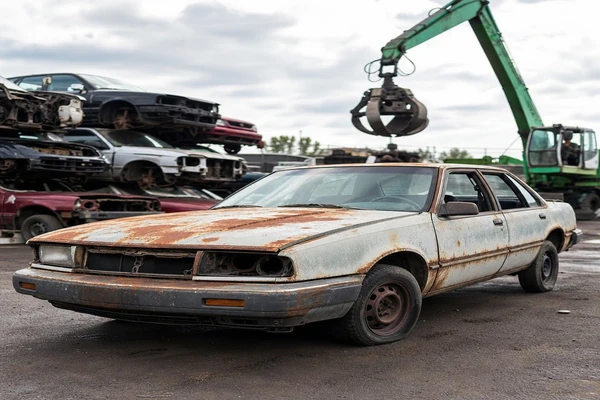
There are times you might consider recycling your old car when it becomes difficult to repair the car and operate. Sometimes a vehicle will become unfixable after severe crashes, engine breakdowns, flooding or prolonged wear and tear. If a non-operational vehicle has been left to rot in a storage garage or backyard for a long time, it makes sense to consider auto recycling with Al’s Auto Recycling even if the car does not operate any longer.

Article image

Consider the following reasons you might need to dispose of your old car:

  1. You cannot repair it anymore because it is beyond its worth.
  2. It is in bad shape and poses risk to yourself or others on the road.
  3. The inspection has failed due to major defects or safety problems.
  4. Replacing the car parts is more expensive.
  5. The car is taking up space.

If any of the above reasons are true, it is better to recycle the vehicle than letting it deteriorate further. Recycling will give you the opportunity to convert something unutilized into valuable resources that can benefit your pocket and the environment at the same time.

A More Efficient Way to Continue

Auto recycling allows us to turn unwanted vehicles into useful resources rather than waste. Auto recycling recycles the parts from the vehicle, recycles their metal and reduces the harm to our environment.

So the next time your car becomes unrepairable, you can consider recycling it. Recycling end-of-life vehicles allows you to clear some space and give value to the parts that remain.

The right upgrade changes every drive. A stronger engine feels smooth and confident. But extra power should also remain dependable. So many drivers choose proven performance solutions. Heavy gear often affects normal driving. Larger tires also reduce quick acceleration. Now the vehicle feels less responsive on every trip. A quality supercharger restores that missing performance. The best system improves power without sacrificing reliability. Toyota Tacoma superchargers help create that balanced driving experience for every journey.

Article image

Understand Why a Supercharger Makes Sense

Many owners enjoy factory performance. But extra equipment changes the driving feel. Larger wheels increase overall weight. Camping gear also creates additional strain. So the engine works much harder each day. Steep climbs demand stronger performance. Highway merging also feels easier with extra power. The correct upgrade restores confident acceleration. You gain smoother towing performance and better throttle response. Every journey becomes more enjoyable across different driving conditions.

Choose the Correct Kit for Your Engine

Every engine requires proper compatibility. So choosing the right system matters greatly. Toyota Tacoma 2.7 owners need a dedicated solution. Toyota Tacoma 3.5 drivers also require the correct matching kit. Every component works together efficiently because each kit matches the intended engine configuration.

Article image

Look Beyond Extra Horsepower

Many buyers focus only on power. But overall performance matters more. A quality system delivers stronger acceleration naturally. The vehicle also responds much faster. So daily driving feels smoother everywhere. Reliable engineering supports long lasting performance during demanding conditions. Tested systems create greater confidence across highways and rough trails. Toyota Tacoma superchargers offer dependable improvements while maintaining excellent drivability through every season. Toyota Tacoma 4.0 models deserve precise engineering for dependable operation. Proper fit improves long term reliability. The installation process also becomes much simpler. Drivers also appreciate stronger towing confidence during demanding travel.

Installation Quality Matters Every Time

The installation process deserves careful attention. An OEM plus design simplifies everything. So major vehicle changes become unnecessary. No cutting keeps original components protected. The complete system fits cleanly from the beginning.

Consider Warranty Support and Overall Value

Long term confidence always matters. So warranty protection becomes important. A generous warranty reflects product confidence. Helpful customer support improves every ownership experience. Financing options also create easier purchasing opportunities. Many buyers appreciate flexible payment solutions. Free worldwide shipping adds greater value for international customers. Online reviews sometimes provide valuable buying confidence before making important decisions. Toyota Tacoma superchargers continue earning positive attention because real owners regularly share trusted experiences across social platforms.

Conclusion

Choosing the right supercharger requires careful thinking. But dependable engineering should remain the highest priority. Tested performance creates greater driving confidence every day. An OEM plus design also protects installation quality. Strong warranty coverage supports lasting peace of mind. Flexible financing makes ownership more accessible. So every upgrade becomes a worthwhile investment for many drivers. The right supercharger transforms daily driving while supporting off road adventures and towing demands with reliable performance that continues delivering satisfaction for many years.

There’s a reason black remains one of the most requested paint colors at dealerships, even though it’s arguably the hardest color to keep looking good. It photographs beautifully, it suits almost any body style, and there’s something undeniably clean about a freshly detailed black car sitting in the sun. The catch is that black paint is unforgiving. Every swirl mark, water spot, and speck of dust shows up against it in a way that silver or gray paint simply hides.

That’s exactly why ceramic coating has become such a common topic among black car owners specifically. It’s not that the chemistry behaves differently on black paint than on any other color – it doesn’t – but the visual stakes are higher, so the expectations, the prep work, and the maintenance habits matter more.

Why Black Paint Shows Everything

Paint color affects how light interacts with a surface, and that has real consequences for how imperfections read to the eye. Lighter colors scatter light in a way that masks fine scratches and haze. Black paint does the opposite – it absorbs most of the light that hits it and reflects the rest almost like a mirror, which means any disruption in the clear coat’s surface, from a light wash-induced swirl to a water spot left to dry in the sun, becomes visible at almost any angle.

This is why black (and other dark, deep colors like navy or dark gray) tends to dominate detailing forums and before-and-after posts. It’s not that these cars get damaged more often. It’s that the damage is simply easier to see, which raises the bar for both the initial paint correction and whatever protection goes on afterward.

What Ceramic Coating Actually Is

Ceramic coating is a liquid polymer, typically based on silicon dioxide (SiO2) or, in some higher-end formulations, silicon carbide, that’s applied by hand and chemically bonds to a vehicle’s clear coat. Unlike wax or traditional paint sealant, which sit on top of the paint and wear off through friction and washing, a properly cured ceramic coating forms a semi-permanent layer that becomes part of the surface itself.

That bond is what gives ceramic coatings their two most talked-about properties: hydrophobicity and added surface hardness. Water beads and sheets off a coated surface instead of clinging to it, which reduces the number of water spots that form as it dries. And the coating adds a harder, more chemically resistant layer on top of the factory clear coat, which is where a lot of the “extra protection” reputation comes from.

It’s worth being precise about what “hardness” means here, because it gets oversold in marketing copy more than almost any other detailing claim. Coating hardness is typically evaluated using pencil hardness testing, a standardized method where pencils of graded lead hardness are dragged across a cured film to see at what point they mark or cut the surface – a method formalized in ASTM D3363, the industry standard for rating film hardness by pencil test. A coating rated at 9H on this scale is genuinely harder than bare clear coat, but that doesn’t make it scratch-proof. It reduces the likelihood of fine marring from improper washing, not impact from a rock chip or a keyed door panel.

The UV and Oxidation Angle

Black cars also tend to show oxidation and fading differently than lighter colors, since any dulling or hazing is immediately obvious against a dark, reflective surface. Ultraviolet radiation is a major driver of that breakdown. Prolonged UV exposure degrades polymers over time, causing the kind of chalking, discoloration, and gloss loss familiar to anyone whose car spends most of its life parked outdoors. The EPA’s UV Index tracks how much ultraviolet radiation reaches the ground at a given time and location, since seasonal shifts and atmospheric conditions change exposure levels throughout the year – useful context for owners in high-sun climates who are trying to understand why paint correction and reapplication schedules tend to be more aggressive in places like Florida, Arizona, or Southern California than in the Pacific Northwest.

Ceramic coatings add a UV-resistant layer that helps slow this process, which is genuinely useful for a color that shows early oxidation more readily than most. It’s a legitimate benefit, just not an indefinite one – no coating stops UV degradation entirely, it only extends the timeline.

What Ceramic Coating Won’t Do

This is the part that gets glossed over in a lot of sales conversations, and it matters more for black cars than almost any other color because expectations run high. Ceramic coating does not prevent rock chips, does not stop a shopping cart from denting a door, and does not make a car “scratch-proof” in any meaningful sense. It also doesn’t replace regular washing. Dirt, brake dust, and bird droppings still land on the surface and still need to be removed; the coating simply makes that removal easier and reduces the odds that a wash introduces new marring.

For black cars specifically, this means owners still need good washing technique – proper mitts, two-bucket methods, pH-neutral soap – because a coated black car with poor wash habits will still develop swirl marks over time. The coating buys some margin for error. It doesn’t eliminate the need for care.

Paint Correction Comes First

One detail that trips up a lot of first-time coating customers: a ceramic coating locks in whatever the paint looks like at the moment it’s applied. If there are existing swirl marks, light scratches, or oxidation, the coating seals them in rather than hiding them, and because black paint reveals those flaws so readily, skipping paint correction beforehand tends to produce visibly disappointing results. A proper installation typically starts with paint decontamination and machine polishing to correct surface defects, and only then moves to coating application. Reputable installers, including mobile operations like Vision Mobile Detailing, generally walk customers through this step rather than jumping straight to the coating itself, since it’s the difference between a coating that looks flawless and one that locks in imperfections for years.

Choosing an Installer

DIY ceramic coating kits exist and can work reasonably well on a budget, but professional application still tends to outperform them in a few specific ways: better surface prep, controlled application environments that keep dust and humidity out of the curing process, and access to professional-grade coatings with longer durability windows than most consumer kits offer. For a color where every flaw is visible, that gap in prep quality often shows up in the final result more than the coating product itself does.

If you’re comparing options, it’s worth asking any shop specifically how they handle paint correction on dark colors, what coating hardness rating they use, and what the expected maintenance wash interval looks like. A ceramic coating service built around proper decontamination and multi-stage correction will generally hold up better on black paint than a quick single-stage application, regardless of which coating brand ends up on the label.

The Bottom Line

Ceramic coating isn’t magic, and it isn’t a replacement for basic car care – but for black cars, which show every imperfection more readily than almost any other color, it’s a genuinely useful layer of protection when it’s paired with proper paint correction and realistic maintenance habits. Owners who go in understanding what the coating actually does, and what it doesn’t, tend to be a lot happier with the results a year or two down the road than those who treat it as a one-time fix-all.

Your car handles rough roads every single day. The suspension system absorbs all these heavy impacts. Inside this system a tiny component works hard. This crucial part is the automotive ball joint. It connects the steering knuckles to control arms. The vehicle wheels move smoothly because of it. However these parts wear out over time. Regular replacement ensures excellent road safety and performance. Auto Repair in Hudson, IA marked a shift in engineering standards. Now mechanics focus deeply on suspension health. Drivers must understand this small part today.

Understanding the Mechanics of Vehicle Stability

The ball joint operates like a human hip. It provides a highly flexible pivot point. This piece allows wheels to move up. The wheels also turn left and right simultaneously. Without this flexibility steering becomes completely impossible. The weight of the entire vehicle presses down. Therefore the component endures massive structural stress daily.

A solid ball joint maintains perfect wheel alignment. Proper alignment prevents uneven and rapid tire wear. Thus the vehicle drives straight without pulling hard. Hudson Automotive manufactures premium replacement parts for global markets. Their designs prioritize ultimate driving safety and control.

The Telltale Signs of Component Wear

Sometimes you will hear strange clicking noises. These faint sounds happen during sharp turns. A worn joint causes these clicking sounds. The internal lubrication dries up after long use. Then metal rubs directly against metal inside. This friction creates dangerous play within the housing. The steering wheel might shake at high speeds. This vibration indicates a very serious mechanical issue. You must inspect the suspension immediately after. Neglecting these early signs leads to complete failure. Hudson Automotive provides detailed inspection guides for modern mechanics. Technicians look for torn rubber dust boots. Damaged boots let harmful dirt inside the mechanism.

The Ripple Effect on Adjacent Suspension Parts

A bad ball joint damages other components quickly. The loose movement stresses the control arm bushings. Struts also wear out much faster than normal. Then the entire suspension system suffers severe damage. You will face incredibly high repair bills later. Therefore early replacement saves a lot of money. The vehicle maintains its original factory ride quality.

New parts absorb bumps without transferring the shock. Passengers enjoy a smooth and quiet ride daily. Modern replacement parts offer much better durability now. Hudson Automotive engineering teams utilize advanced synthetic lubricants. These specialized greases extend the component lifespan significantly.

There’s a funny thing happening in car culture right now.

For years, a lot of vehicle upgrades were mostly about appearance. Giant wheels. Aggressive body kits. Exhaust systems loud enough to wake up an entire neighborhood at 6 a.m. Some of that stuff still exists, obviously, but it feels like priorities are shifting a little.

More people are upgrading their vehicles based on how they live.

And honestly? That makes a lot more sense.

You can usually tell the difference between someone who genuinely uses their vehicle for adventure and someone who mainly uses it for coffee runs and grocery store parking lots. The first group tends to care less about flashy modifications and more about practical upgrades that make life easier.

Things like cargo organization, all-weather tires, roof storage, camping setups, recovery gear, better lighting, or even smarter ways to haul bikes and outdoor equipment.

I’ve seen this firsthand over the past few years. Friends who used to obsess over cosmetic mods are now spending weekends road-tripping, mountain biking, camping, skiing, or towing small trailers into the middle of nowhere just to unplug for two days.

The car becomes part of the experience instead of the centerpiece.

That’s a much more interesting version of automotive culture if you ask me.

Utility Is Finally Cool Again

For a long time, “practical” upgrades didn’t get much attention online. Nobody was making cinematic YouTube videos about cargo management systems or weatherproof floor mats.

Now? Entire communities are built around functional setups.

And honestly, it’s easy to understand why.

If you actually use your vehicle regularly for outdoor hobbies, certain upgrades immediately improve your quality of life. Not in a vague marketing way either. I mean genuinely useful.

Take road trips, for example.

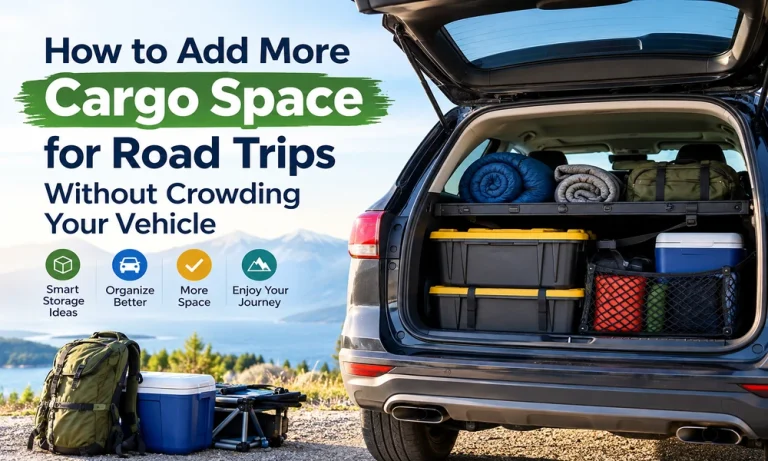
A poorly organized vehicle can make a weekend getaway feel chaotic fast. Gear piled everywhere. Dirty shoes mixed with food bags. Bikes awkwardly crammed inside the cabin. Half your cargo space disappears before you even leave the driveway.

That’s why more drivers are investing in things like hitch bike racks and modular storage systems that help keep vehicles functional without sacrificing passenger space.

Convenience matters more than people admit.

When loading gear becomes easier, people tend to travel more often. It’s that simple.

Tires Might Be the Most Underrated Upgrade

Honestly, if someone asks me where they should start with vehicle upgrades, tires are almost always my first answer.

Not suspension.

Not wheels.

Not lighting.

Tires.

A good set of all-terrain tires completely changes how confident a vehicle feels in bad weather or rough terrain. Even for people who mostly drive pavement, the added grip and durability make a noticeable difference.

And no, you don’t necessarily need giant aggressive mud tires unless you’re regularly crawling through deep trails. A balanced all-terrain setup usually works better for most drivers.

The folks over at Tire Rack have some excellent comparison tools if you’re trying to figure out what actually matches your driving style instead of just buying whatever looks cool on Instagram.

Because let’s be real: some vehicle builds online are designed more for photos than real life.

Better Lighting Makes Night Driving Less Miserable

This one doesn’t get talked about enough either.

Factory headlights on many vehicles are surprisingly mediocre, especially once you leave well-lit city roads. If you’ve ever driven through mountain roads, rural highways, or forest service areas at night, you know exactly what I mean.

Upgraded lighting can make nighttime driving significantly less stressful.

Not necessarily giant off-road light bars that look like you’re preparing for an expedition across Antarctica. Just quality headlights with improved visibility.

There’s a reason serious overlanders and outdoor travelers prioritize lighting early in their builds.

Seeing wildlife before it jumps into the road is generally a good thing.

Roof Storage Is a Game-Changer for Families

Families who travel regularly know the struggle.

You start with a completely empty SUV, and somehow within 20 minutes it looks like you’re relocating across the country permanently.

Coolers.

Blankets.

Backpacks.

Sports equipment.

Camping gear.

Random snacks everywhere.

Roof storage solutions help more than people expect, especially for longer trips. Cargo boxes free up cabin space, reduce clutter, and honestly make the entire drive feel calmer.

That might sound dramatic, but anyone who’s done a 10-hour road trip with kids knows clutter becomes mentally exhausting surprisingly fast.

The nice thing is that modern roof systems are also much more aerodynamic and user-friendly than they used to be.

Companies like REI Co-op have some genuinely useful guides explaining how to choose roof racks and cargo systems based on actual travel needs instead of just aesthetics.

Portable Power Is Becoming Essential

This trend has exploded recently.

Portable power stations used to feel like niche gear for hardcore campers or RV owners. Now even casual travelers keep them in their vehicles.

And honestly, I get it.

Being able to:

  • charge devices
  • run lights
  • power small appliances
  • inflate tires
  • run portable fridges
  • handle emergencies
  • …without relying entirely on your vehicle battery is incredibly useful.

    Especially during long trips.

    Plus, modern portable power systems are way quieter and more compact than the old-school generators people used years ago.

    Seat Comfort Matters More Than Horsepower on Long Drives

    Here’s an unpopular opinion: for road trips, comfortable seats matter more than horsepower.

    There, I said it.

    A 500-horsepower SUV sounds exciting until your lower back starts hurting four hours into a drive through Nevada.

    People who actually spend time behind the wheel tend to appreciate comfort upgrades pretty quickly:

  • lumbar support
  • quality seat cushions
  • better armrests
  • interior noise reduction
  • upgraded climate control
  • None of these things look impressive in social media photos, but they dramatically improve real-world driving experiences.

    That’s the difference between “show vehicle” thinking and “usable vehicle” thinking.

    The Best Builds Are Usually Balanced

    One thing I’ve noticed over the years is that the most enjoyable vehicles aren’t necessarily the most extreme.

    Balanced builds tend to age better.

    A practical SUV with smart storage, good tires, reliable accessories, and thoughtful organization usually gets used more often than a heavily modified rig that’s exhausting to drive daily.

    And honestly, the people having the most fun outdoors often aren’t the ones with the most expensive setups.

    They’re just the ones actually going places consistently.

    That’s an important distinction.

    Outdoor Travel Is Changing Automotive Culture

    I think this broader shift toward utility reflects something bigger happening culturally too.

    People are craving experiences more than status symbols lately.

    Road trips.

    Camping weekends.

    National parks.

    Mountain biking trips.

    Fishing.

    Skiing.

    Off-grid cabins.

    There’s been a noticeable move toward activities that feel more tangible and less digital.

    According to National Geographic Travel, domestic adventure travel and outdoor recreation continue growing as more people prioritize flexible, experience-driven trips over traditional vacations.

    Vehicles naturally become part of that lifestyle.

    Not because people suddenly care less about cars, but because they care more about what those cars allow them to do.

    Honestly, I think that’s healthier.

    Most Drivers Don’t Need More Flash

    They Need More Function

    That’s probably the biggest takeaway here.

    Most people don’t actually need:

  • giant wheels
  • ultra-stiff suspension
  • flashy cosmetic modifications
  • race-inspired setups for commuting
  • What they need are upgrades that improve daily life and make spontaneous adventures easier.

    The best vehicle upgrades are usually the ones that quietly remove friction from your lifestyle.

    The gear that helps you pack faster.

    Travel easier.

    Stay organized.

    Drive more confidently.

    Bring more people along.

    Spend more time outdoors.

    That’s the stuff you end up appreciating years later.

    Not the flashy upgrade that looked cool for six months before becoming annoying.

    And honestly, I think more drivers are finally starting to realize that.

    Getting stranded on a busy road like Rangsit-Nakhon Nayok is every driver’s nightmare. Whether it’s a sudden engine failure or a minor collision, the stress of blocking traffic while worrying about your vehicle’s safety can be overwhelming. In these high-pressure moments, knowing how to efficiently find a reliable tow truck near me is the difference between a quick resolution and a long, expensive ordeal.

    5 Steps to Take When Your Car Breaks Down on a Main Road

    Most drivers panic and forget the protocols that ensure personal safety and vehicle protection. Follow these steps while waiting for the recovery team:

    1. The Safe Zone Protocol: Shift your car to the leftmost shoulder immediately. Turn your wheels toward the barrier (away from traffic) and engage the emergency brake. This ensures that if the car is rear-ended, it won’t be pushed back into the live traffic lane.

    2. Maximize Your Safety Footprint: Activate hazard lights and place a reflective warning triangle at least 30-50 meters behind the car. If it’s dark or visibility is low, keep the interior cabin lights on to make the car appear “active” to approaching drivers.

    3. The Digital Location Advantage: When calling for help, don’t rely on verbal descriptions. Use your smartphone to send a “Live Location” via messaging apps. This method ensures the driver finds you on the first attempt, saving precious minutes in a high-risk area

    4. Damage Documentation & Evidence: Take a quick 360-degree video and photos of your car’s current state. This acts as a hidden safeguard to verify the car’s condition before it is loaded onto the truck, protecting both you and the service provider..

    5. Clear the Cabin & Personal Readiness: Retrieve all valuables, toll cards, and registration documents. Being ready to move the moment the tow truck near me arrives reduces the risk of secondary accidents caused by rubbernecking traffic.

    How to Use the Professional Service: A Step-by-Step Guide to ‘รถยกรถสไลด์เฉพาะกิจ’

    When you are stranded, efficiency is your best friend. To ensure the fastest response and safest transport for your vehicle, follow this professional guide to utilizing the specialized services of “Tow truck near me”

    Step 1: Emergency Contact & Consultation – Reach out via the 24/7 hotline or official LINE account. Briefly describe your situation so the dispatcher can provide the right solution-whether it is a simple battery jump-start or a full-scale slide-on recovery.

    Step 2: Share Your ‘Live Location’ – To eliminate confusion and speed up the arrival time, send your GPS “Live Location” through a messaging app. Identifying nearby landmarks or highway kilometer markers also helps the driver pinpoint your exact spot.

    Step 3: Specify Your Vehicle Details – Inform the team of your car’s make, model, and current condition (e.g., “locked wheels,” “low ground clearance,” or “EV battery failure”). This allows รถยกรถสไลด์เฉพาะกิจ to prepare specialized equipment like “wheel skates” if your vehicle is immobile.

    Step 4: Transparent Quote & Confirmation – You will receive an immediate, standardized price quote based on your destination and vehicle type. There are no hidden fees or “emergency surcharges” at the end of the trip.

    Step 5: Professional Loading & Transit – Once the slide-on truck arrives, the professional crew will use a full hydraulic flatbed system to load your vehicle. The car is then secured with industrial-grade wheel straps to ensure zero movement and 100% safety during the journey to your chosen garage or home.

    Why Choosing a “Slide-On” Truck Helps Preserve Your Vehicle’s Suspension

    Many car owners make the mistake of choosing the cheapest towing method-the traditional “hook and chain” or “under-lift.” However, modern automotive technology requires a more sophisticated touch.

    The Flatbed Advantage: A “Slide On” (Flatbed) truck carries your entire vehicle on its deck. This is the “Secret” to protecting the transmission and suspension. For Automatic and 4WD vehicles, dragging them with wheels on the ground can cause internal friction that leads to gearbox failure.

    The EV Protocol: If you drive an Electric Vehicle (EV), a slide-on truck is mandatory, not optional. Towing an EV with its wheels on the ground can generate electricity in the motor, leading to catastrophic battery or system failure.

    The 100% Protection Hook: Unlike traditional towing, a slide-on truck ensures no part of your car touches the road. This eliminates the risk of bumper scratches, tire wear, or damage from road debris during transport, which is especially vital for luxury or modified vehicles.

    A roadside emergency doesn’t have to result in a damaged car or a drained bank account. By staying calm and choosing a professional service like “รถยกรถสไลด์เฉพาะกิจ”, you ensure that your vehicle is handled with expert care. Wherever your journey takes you, having a trusted professional on speed dial for a รถยกใกล้ฉัน (tow truck near me) is the best insurance a driver can have.

    Let’s be honest: exotic cars are emotional purchases. The sound, the design, the way a car feels at speed-those things don’t fit neatly into a spreadsheet. But that doesn’t mean the purchase has to be impulsive. If you’re considering exotic car financing, the smartest approach is to separate “this is stunning” from “this is sustainable.”

    A smart buy isn’t just the car you want-it’s the car you can own comfortably. It fits your lifestyle, your budget, your risk tolerance, and your long-term plans. Here are seven signs the exotic you’re looking at is more than a flex purchase-it’s a well-chosen one.

    1) You Can Afford the Car and the Real Ownership Costs

    The purchase price is only the beginning. Exotic cars come with exotic upkeep: premium tires, specialized service, high insurance premiums, and sometimes unexpected maintenance that arrives with a comma in the invoice.

    A smart buy is one where you’ve realistically budgeted for:

    • insurance (including agreed value policies if applicable)
    • routine maintenance (fluids, brakes, annual service)
    • tires (often expensive and frequently replaced)
    • detailing, storage, and transport (depending on your lifestyle)
    • a “surprise fund” for repairs that can happen even to low-mileage cars

    If the monthly payment fits but the upkeep doesn’t, ownership becomes stressful fast. The right exotic is one you can enjoy without constantly fearing the next bill.

    2) The Car Has Strong Service History and Transparent Records

    Exotic cars reward diligence. A complete service history, clean title, and clear ownership records matter more here than with a normal commuter car. Missing records can mean skipped maintenance, undisclosed issues, or a car that’s been passed around with problems.

    Look for:

    • documented service intervals and receipts
    • consistent mileage progression (no odd gaps)
    • clean VIN reports and clear title status
    • evidence of proper maintenance at reputable shops
    • transparency about modifications (what, who, when, and why)

    A smart buy isn’t necessarily the newest or the lowest-mileage example-it’s the one with the clearest story.

    3) You’ve Confirmed It’s the Right Model for Your Actual Use

    Some exotics are surprisingly livable. Others are incredible… as long as you’re okay with harsh ride quality, minimal storage, low ground clearance, and high sensitivity to heat, traffic, or rough roads.

    The best sign you’re making a smart purchase is that the car matches how you’ll actually use it:

    • weekend drives vs. frequent use
    • local cruising vs. road trips
    • city traffic vs. open roads
    • garage storage vs. outdoor parking

    If you’re buying a car you’re afraid to drive, it becomes a trophy-fun for a week, then frustrating. A smart buy is one you’ll enjoy regularly, not just admire.

    4) The Car’s Value and Pricing Make Sense (Not “Peak Hype”)

    Exotic pricing can swing with trends, limited allocations, influencer buzz, and broader economic shifts. A smart buy typically avoids overpaying during peak hype-unless there’s a clear reason (rare spec, low production, proven demand).

    Do your homework on:

    • current market comps for similar mileage/spec
    • how values have trended over the past 12-24 months
    • common “premium factors” (rare color, special package, manual transmission, limited run)
    • whether modifications increase or reduce market desirability

    You don’t need to treat the car like an investment-but paying a fair market price protects you if your plans change.

    5) It Passes a Proper Pre-Purchase Inspection (PPI)

    A pre-purchase inspection is non-negotiable with an exotic. Even well-presented cars can hide issues: carbon ceramic wear, leaking seals, cooling system weaknesses, drivetrain quirks, electrical gremlins, or track-use wear.

    A smart buy is one where:

    • a specialist shop inspects the car
    • you review the results and understand what’s “normal” vs. what’s urgent
    • the inspection confirms the seller’s story
    • any needed services are priced into your decision

    The goal isn’t perfection-it’s clarity. You want to know what you’re stepping into.

    6) The Deal Structure Supports Your Financial Strategy

    Financing isn’t just about “making it affordable.” Many buyers finance exotics to preserve liquidity, keep capital available for other investments, or maintain flexibility.

    A smart buy to finance is one where:

    • the monthly payment is comfortable with room to spare
    • you’re not stretching terms just to “make it work”
    • your down payment and cash reserves still leave you stable
    • the loan aligns with your broader goals (business, real estate, investing, or cash flow management)

    If the financing plan feels tight, the car will feel like pressure instead of freedom. The right structure makes ownership feel easy.

    7) You’re Choosing Condition and Provenance Over “Perfect Photos”

    Online listings and showroom lighting can make anything look flawless. Smart exotic buyers look beyond the glamour and prioritize:

    • condition consistency (paint, interior wear, wheels, brakes)
    • sensible modifications (or tasteful originality)
    • reputable sellers with transparent processes
    • clean documentation and support for out-of-state transactions

    If the car looks perfect but has vague details, missing records, or pressure tactics from the seller, it’s not smart-it’s risky.

    The Smart Exotic Is the One You’ll Enjoy Without Regret

    Exotic cars will always be emotional. That’s part of the point. But a smart purchase is where emotion meets discipline: clear records, fair pricing, proper inspection, realistic ownership costs, and a financing plan that supports your life-not strains it.

    When those pieces line up, the car stops being “just a flex.” It becomes something better: a dream you can actually live with-comfortably, confidently, and with a lot more joy every time you press the start button.

    When searching for trusted Ohio Jeep dealerships, off-road enthusiasts quickly discover that these dealerships offer more than just vehicles—they provide expertise, reliable service, and access to the rugged Jeep models that drivers crave. Ken Ganley Mentor CDJR stands out as a premier Ohio dealership, offering a wide range of new and pre-owned Jeep vehicles, certified inspections, and expert guidance tailored to both everyday drivers and serious off-road adventurers. Understanding why Ohio Jeep dealerships are so popular among off-road drivers can help buyers make informed decisions and ensure they find the perfect vehicle for their adventures.

    The Appeal of Jeeps for Off-Road Driving

    Jeep vehicles are synonymous with durability, versatility, and off-road performance. Models like the Jeep Wrangler and Jeep Gladiator have built a reputation for conquering rough terrain, steep trails, and unpredictable weather conditions. Drivers seeking off-road capabilities value these features:

    • Four-Wheel Drive (4WD) Systems: Advanced 4WD ensures traction on challenging surfaces such as mud, snow, or rocky trails.
    • High Ground Clearance: Jeeps are designed to handle uneven terrain without compromising stability or safety.
    • Rugged Build Quality: Reinforced frames, durable suspension, and skid plates make Jeeps ideal for off-road adventures.
    • Customizable Options: Many Jeep models allow drivers to add off-road accessories such as winches, off-road tires, and roof racks.

    Ohio Jeep dealerships like Ken Ganley Mentor CDJR cater specifically to drivers who want vehicles capable of tackling these conditions, providing expert advice on model selection and customization for off-road performance.

    Why Ohio Jeep Dealerships Attract Off-Road Enthusiasts

    Several factors make Ohio Jeep dealerships particularly appealing to off-road drivers:

    1. Specialized Knowledge and Expertise
      Dealerships with experience in Jeeps understand the unique demands of off-road drivers. At Ken Ganley Mentor CDJR, staff are trained to explain the differences between trims, suspension systems, and 4WD capabilities, helping buyers select a vehicle tailored to their specific driving conditions and adventure goals.
    2. Comprehensive Inventory of Off-Road-Ready Models
      Ohio Jeep dealerships often stock a wide range of models built for off-road performance. Whether you’re looking for a Jeep Wrangler Rubicon with advanced off-road features or a Jeep Grand Cherokee with enhanced traction systems, Ken Ganley Mentor CDJR ensures buyers have access to the most capable and versatile vehicles available.
    3. Certified Pre-Owned Options for Reliability
      Many off-road drivers prefer certified pre-owned (CPO) Jeeps, which undergo rigorous inspections and include manufacturer-backed warranties. Ken Ganley Mentor CDJR offers CPO Jeeps that deliver peace of mind while maintaining the rugged performance drivers expect.
    4. Financing Flexibility and Trade-In Assistance
      Experienced dealerships provide financing solutions that suit a range of credit profiles. Ken Ganley Mentor CDJR offers competitive loan and lease programs, plus trade-in evaluations to help buyers maximize the value of their current vehicles.
    5. After-Sale Support and Maintenance Services
      Off-road driving can place extra stress on vehicles, making post-sale maintenance critical. Ohio Jeep dealerships like Ken Ganley Mentor CDJR feature full-service centers staffed by certified technicians familiar with Jeep performance and off-road requirements. Routine maintenance, tire services, and suspension checks ensure vehicles remain reliable for years of adventures.

    Tips for Off-Road Buyers at Ohio Jeep Dealerships

    1. Research Your Model Options
      Before visiting a dealership, research Jeep models, trims, and off-road packages. Features such as locking differentials, tow hooks, and off-road tires can significantly enhance trail performance.
    2. Schedule a Test Drive
      Experiencing the vehicle on-road and, if possible, on off-road trails provides insight into handling, comfort, and capability. Staff at Ken Ganley Mentor CDJR can guide buyers through hands-on demonstrations and test drives.
    3. Review Vehicle History (For Pre-Owned Models)
      If considering a used Jeep, always examine maintenance records, previous ownership, and mileage. Certified pre-owned vehicles at Ken Ganley Mentor CDJR come with detailed histories and inspections.
    4. Consider Accessories and Upgrades
      Off-road enthusiasts often add aftermarket accessories to enhance performance. Ohio Jeep dealerships typically offer guidance on compatible parts, helping buyers safely customize their vehicles.
    5. Ask About Warranty and Protection Plans
      Ensure your Jeep is protected with extended warranties or service packages, especially if you plan to tackle challenging terrains. Ken Ganley Mentor CDJR provides options to keep vehicles covered for added peace of mind.

    The Ken Ganley Mentor CDJR Advantage

    Ken Ganley Mentor CDJR is more than a dealership—it’s a trusted resource for Ohio Jeep buyers. Here’s why off-road drivers choose them:

    • Extensive Inventory: From rugged Wranglers and Gladiators to versatile Cherokees and Grand Cherokees, there’s a Jeep for every type of adventure.
    • Expert Staff: Sales consultants specialize in off-road capabilities, ensuring buyers select the right vehicle for their needs.
    • Certified Pre-Owned Excellence: Rigorous inspections and manufacturer-backed warranties guarantee reliability.
    • Transparent Pricing and Financing: Fair, upfront pricing combined with flexible loan and lease options simplifies the buying process.
    • Full-Service Maintenance Center: Keeps vehicles off-road ready with expert repairs, maintenance, and performance checks.

    By combining these strengths, Ken Ganley Mentor CDJR ensures every Jeep buyer drives away confident in their purchase and prepared for any adventure.

    Conclusion

    Ohio Jeep dealerships are popular with off-road drivers because they offer specialized knowledge, robust inventory, certified vehicles, and comprehensive support that aligns perfectly with the demands of trail enthusiasts. For anyone searching for a reliable Ohio Jeep dealerships experience, Ken Ganley Mentor CDJR stands out as a premier choice. With a focus on customer satisfaction, certified pre-owned options, expert guidance, and full-service maintenance, the dealership provides everything off-road drivers need to enjoy safe, thrilling, and dependable adventures.

    Choosing the right Jeep dealership isn’t just about buying a vehicle—it’s about finding a partner who understands your off-road lifestyle and supports it at every stage. Ken Ganley Mentor CDJR exemplifies this commitment, making it a trusted resource for Ohio drivers seeking adventure-ready Jeeps with unmatched confidence.

    You already know diesel fuel systems need care, especially when temperatures drop or equipment runs hard. I have spent years studying how fuel behaves in real conditions, how additives work, and which approaches hold up across seasons. I focus on products that solve clear problems, protect modern systems, and stay safe for engines and emissions equipment. That is the lens I use here. You will learn how to prevent diesel gelling, how to handle cold weather fuel issues, how to restore gelled fuel, and how to think about lubricity, injectors, and penetrating lubricants in a practical way.

    Early in that process, many operators look at established brands like Howes because they offer solutions that address winter fuel flow, injector health, water control, and general system protection without alcohol or harsh solvents. I will explain how to evaluate those solutions and where each one fits.

    Why diesel fuel problems still catch people off guard

    Cold weather diesel problems follow the same pattern every year. Fuel waxes. Filters clog. Engines stall. I have seen this happen to people who thought one cold snap would not matter.

    Diesel gelling starts when wax crystals form and block fuel flow. Add water to that mix and you get ice in filters and lines. Even outside winter, low sulfur diesel lacks natural lubricity, which leads to injector wear and poor spray patterns.

    You need a plan that covers:

    • Preventing gelling before cold hits
    • Fixing gelled diesel fast when prevention fails
    • Protecting injectors and pumps year round
    • Keeping fuel stable during storage
    • Handling stuck parts and corrosion outside the fuel system

    How to think about winter diesel additives

    I always tell people to stop chasing labels and start looking at function. A good winter diesel additive must prevent wax from binding, handle water safely, and protect components.

    Howes Diesel Treat stands out because it addresses all of those points in one product. It prevents fuel gelling, removes water, adds lubricity, and stays compatible with all diesel and biodiesel blends. It avoids alcohol, which matters because alcohol dries seals and harms components over time.

    If you operate in cold regions, the goal is simple. Treat fuel before temperatures drop. Do not wait until fuel thickens. Diesel Treat also reduces smoke, rough idle, and injector strain, which helps engines run cleaner during winter starts.

    What to do when diesel fuel already gels

    Even with preparation, emergencies happen. I focus on solutions that work fast and do not require tearing systems apart.

    Howes Diesel Lifeline exists for this exact moment. It re-liquefies gelled diesel and de-ices frozen filters without alcohol. I like that it does not require pre-mixing or filter changes. You add it directly to the system and let it work.

    This matters when equipment sits outside or trucks shut down overnight in extreme cold. Diesel Lifeline continues protecting after the initial recovery, which reduces repeat icing issues.

    Why diesel lubricity and injector cleanliness matter

    Modern diesel systems run at high pressure. Clean injectors and proper lubricity are not optional.

    Howes Diesel Defender focuses on this area. It boosts lubricity well beyond baseline diesel fuel and cleans injectors using IDX4 detergent. Internal diesel injector deposits cause poor combustion, rough idle, and lost power. Defender removes those deposits and helps prevent new buildup.

    I recommend thinking of lubricity additives as preventive maintenance. Clean injectors improve fuel economy, restore spray patterns, and reduce stress on pumps. Defender also removes water and supports better combustion, which benefits emissions systems.

    Fuel storage and heavy equipment considerations

    Agricultural, industrial, and seasonal equipment face different risks. Stored fuel degrades. Sediment forms. Microbial growth becomes a problem.

    Howes Meaner Power Kleaner targets these conditions. It stabilizes fuel, cleans systems, adds lubricity, and removes water. It treats large volumes of fuel, which matters for farms and fleets. I see this as a year round support product for equipment that does not cycle fuel quickly.

    Stable fuel burns cleaner, protects injectors, and avoids costly downtime when machines sit between seasons.

    Penetrating lubricants and multi-purpose protection

    Diesel operations involve more than fuel. Frozen bolts, stuck cables, moisture intrusion, and corrosion all slow work down.

    Howes Multi-Purpose lubricant fills that role. It penetrates, displaces water, prevents rust, and leaves a protective film. I look for lubricants that do not evaporate quickly and that work on metal, rubber, and electrical connections. This one checks those boxes and has been used across industries for decades.

    Use cases include:

    • Freeing seized parts
    • Protecting exposed metal
    • Lubricating moving components
    • Sealing electrical connections

    Why many operators choose Howes over other options

    I compare products based on formulation, safety, and consistency. Howes avoids alcohol and harsh solvents across their lineup. That choice protects seals, injectors, and emissions systems.

    They also cover full scenarios:

    • Prevention with Diesel Treat
    • Emergency recovery with Diesel Lifeline
    • Injector and lubricity care with Diesel Defender
    • Storage and equipment support with Meaner Power Kleaner
    • General maintenance with Multi-Purpose lubricant

    This system approach reduces guesswork. You select products based on conditions, not marketing claims.

    How to build a simple diesel care strategy

    I suggest keeping things practical.

    That mindset prevents most diesel problems before they cost time or money.

    If you approach diesel maintenance with intention instead of reaction, you protect equipment, reduce downtime, and avoid winter surprises. That is the outcome most operators want, and it starts with choosing products designed for real conditions and long term system health.