

It’s common to think of an old car as a burden that costs a lot of money to get rid of. But when a vehicle is unusable or unsafe to drive, the costs of ownership can be even greater. In fact, it’s better to dispose of old cars the moment you know they don’t work or aren’t roadworthy again. The only option is auto recycling, which means turning an end-of-life vehicle, as you can read at environment.ec.europa.eu/topics, into reusable parts, recyclable materials, or waste disposal.
By turning old cars into resources, auto recycling puts the parts into service again. This means you can clear up some space in your home, save money on affordable repair costs, and reduce your carbon footprint.
What Is Auto Recycling?
Simply said, auto recycling is the dismantling of vehicles to reuse and resell their parts or recycle their materials responsibly. This doesn’t necessarily mean crushing the vehicles and selling them for scrap metal. The process begins with an inspection and draining of any fluids before beginning the dismantling process.
There are many parts that could have been used on old or damaged cars. This can include engines, transmissions, alternators, doors, mirrors, seats, rims, headlights, or electrical components. Once the parts are removed, only the frames and car bodies are left behind. These are recycled into metal for reuse and remanufacturing. Steel, aluminum, and copper are the main parts of the car frame and body that are recyclable.
Why Do We Need Auto Recycling?
It is important to recycle end-of-life vehicles to reduce waste and lower the demand for raw material production. The production of new auto parts involves mining, manufacturing, transporting and using huge amounts of energy. The production of new auto parts involves mining, manufacturing, transportation, and energy. The use of reusable parts and recycled metal reduces the demand for these resources, making the world greener.
Auto recycling makes sure that dangerous substances in cars, such as fluids and batteries (read the full info here), are processed so they can never enter the environment through the ground. Fluids that should never touch the ground include:
- Motor oil
- Transmission fluid
- Coolant
- Brake fluid
- Fuel
- Batteries
- Tires
The auto recycling process allows these substances to be disposed of safely. This means recycling will always be a safer bet than leaving the car alone in an abandoned lot or storage garage.
Reusability of Auto Parts
Auto recycling means you’ll get access to used auto parts. Some car owners may be afraid of using auto parts that have been repaired. But, when new parts are too expensive and are harder to find, using used parts can be the right call for car body repair, mechanical repair, car interior repair, or restoration projects. And for older cars, used parts are the best choice as new car parts will not be available at all. This makes recycling end-of-life vehicles a win-win situation by reducing the amount of waste and extending the lifetime of vehicles on the road.
What Should You Consider When You’re Deciding To Recycle Your Used Vehicle?
There are times you might consider recycling your old car when it becomes difficult to repair the car and operate. Sometimes a vehicle will become unfixable after severe crashes, engine breakdowns, flooding or prolonged wear and tear. If a non-operational vehicle has been left to rot in a storage garage or backyard for a long time, it makes sense to consider auto recycling with Al’s Auto Recycling even if the car does not operate any longer.
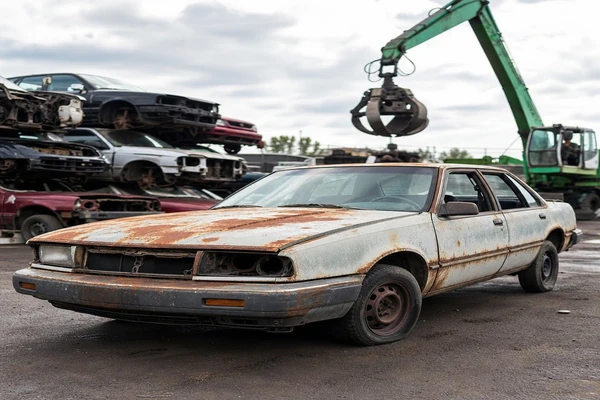
Consider the following reasons you might need to dispose of your old car:
- You cannot repair it anymore because it is beyond its worth.
- It is in bad shape and poses risk to yourself or others on the road.
- The inspection has failed due to major defects or safety problems.
- Replacing the car parts is more expensive.
- The car is taking up space.
If any of the above reasons are true, it is better to recycle the vehicle than letting it deteriorate further. Recycling will give you the opportunity to convert something unutilized into valuable resources that can benefit your pocket and the environment at the same time.
A More Efficient Way to Continue
Auto recycling allows us to turn unwanted vehicles into useful resources rather than waste. Auto recycling recycles the parts from the vehicle, recycles their metal and reduces the harm to our environment.
So the next time your car becomes unrepairable, you can consider recycling it. Recycling end-of-life vehicles allows you to clear some space and give value to the parts that remain.

Comments are closed.