Category

Auto

Category

The Mercedes-Benz Sprinter is where capability meets class. Long recognised as the flagship of large-capacity travel, it combines the dependability of Mercedes engineering with the sophistication and refinement expected from luxury group transport. Designed for comfort, performance, and practicality, the Sprinter offers a premium experience for corporate transfers, events, tours, and VIP travel across the UK. Click here for details.


Spacious Design with a Prestige Finish

At first glance, the Sprinter commands attention. Its clean, aerodynamic design and confident proportions distinguish it from standard minibuses. While it is a larger vehicle, the elegance of the Mercedes-Benz design language remains evident — every curve, surface, and light signature reflects a balance of function and style.

Inside, the Sprinter redefines what group travel can be. Depending on the configuration, it can seat from eight to sixteen passengers in supreme comfort, with high-quality leather upholstery, ambient lighting, and meticulous finishing throughout. Passengers enjoy generous headroom, wide aisles, and individually contoured seats designed for long journeys without fatigue.


A First-Class Experience for Every Passenger

The Sprinter’s interior feels more like a private jet than a minibus. The raised seating and large panoramic windows give every passenger an open, airy view of the road ahead, while the soundproofed cabin ensures a peaceful, refined journey.

High-end chauffeur versions of the Sprinter often include additional touches such as reclining captain’s chairs, integrated tables, onboard Wi-Fi, USB charging ports, and entertainment systems. Some configurations even feature mini fridges, ambient lighting, and individual climate controls, turning the cabin into a mobile lounge.

For business travellers, the space can easily double as a mobile meeting room — ideal for airport pickups, conferences, or roadshows where comfort and connectivity matter.


Performance and Driving Comfort

Despite its size, the Sprinter drives with the precision and ease that defines every Mercedes-Benz. Advanced suspension systems absorb bumps effortlessly, delivering a smooth and composed ride. The engine options are engineered for both power and efficiency, capable of handling long-distance journeys while maintaining low noise and vibration levels inside the cabin.

For chauffeurs, the Sprinter provides excellent visibility, a commanding driving position, and responsive handling — making it surprisingly agile even on tight city streets. Mercedes’ driver assistance systems, including adaptive cruise control, lane-keeping support, and parking sensors, enhance safety and ease of operation at all times.


Safety and Technology

Safety is a central pillar of the Sprinter’s design. Equipped with the latest Mercedes-Benz innovations, it features multiple airbags, crosswind assist, collision prevention, and advanced braking systems. Intelligent driver aids and optional 360° cameras ensure maximum security for passengers, making it one of the safest vehicles in its class.

The technology extends to passenger convenience as well — from USB-C ports and LED reading lights to intelligent climate management systems that keep the cabin comfortable regardless of the weather. The integration of Mercedes’ MBUX infotainment system in some models provides both the driver and passengers with an intuitive, connected experience.


The Ideal Choice for Group and Event Travel

The Sprinter is the vehicle of choice for luxury chauffeur companies handling larger parties. It is frequently used for airport transfers, business delegations, weddings, corporate events, and sightseeing tours — any scenario where groups wish to travel together in style.

Its ample luggage space ensures every journey is effortless, even with multiple passengers and suitcases. Whether transporting guests from Heathrow to a Mayfair hotel or executives to a conference in the city, the Sprinter provides a seamless blend of practicality and prestige.


Why the Mercedes-Benz Sprinter Stands Apart

Few vehicles can deliver the same combination of space, elegance, and reliability. The Sprinter isn’t just about capacity — it’s about creating an experience that feels exclusive, no matter how many passengers are on board. It reflects Mercedes’ commitment to excellence: luxury that scales with size, comfort that endures over distance, and performance that inspires confidence.

For clients, it represents convenience without compromise. For chauffeurs, it offers flexibility and dependability. And for companies, it elevates the image of every service offered.


Final Thoughts

The Mercedes-Benz Sprinter is the ultimate solution for those who demand more than transportation — it offers a refined journey designed around comfort, safety, and style. Whether carrying a handful of VIPs or a full delegation of professionals, it delivers the hallmark qualities of Mercedes-Benz: innovation, craftsmanship, and sophistication.

In the world of luxury group travel, the Sprinter remains unmatched — a symbol of what’s possible when capacity meets class.

Getting to or from the airport should feel easy. But if you choose the wrong ride, it can turn into a stressful start or end to your trip. A good airport transportation service helps you stay on time, feel safe, and travel in comfort. Whether you are flying for work, vacation, or a special event, here are the main things to check before you book.

1. Check Reliability and On-Time History

Time matters most for airport travel. Look for a company known for being on time. Read reviews and see what people say about late pickups, missed flights, or poor updates. A reliable service will track your flight, plan for traffic, and arrive when they say they will. If a company cannot give clear pickup promises, that is a warning sign.

2. Look at Safety and Driver Quality

You want a service that takes safety seriously. That means trained drivers, clean driving records, and well-kept vehicles. A professional driver should be polite, calm, and familiar with airport routes. If you are traveling with family, kids, or important clients, this matters even more. Feeling safe and respected during your ride should be a basic standard.

3. Choose the Right Vehicle for Your Needs

Not every ride fits every trip. Think about how many people are traveling and how much luggage you have. A sedan may work for one or two passengers with small bags. A luxury SUV is better for families, groups, or extra luggage. If you are traveling for business or a big event, a premium car adds comfort and a better first impression.

4. Make Sure Pricing Is Clear

Airport rides should not come with surprise fees. A good company explains the total cost before you book. Ask about fuel charges, airport fees, waiting time, and tips. If the price seems much lower than others, be careful. Cheap rides can mean older vehicles or weak service.

5. Check Communication and Support

Good communication can save a trip. A strong company confirms your pickup, shares driver details, and gives you a clear way to contact them. If your flight changes, you want a service that responds quickly. Look for a team that answers questions clearly and supports you from the start.

6. Think About Your Travel Style

Your ride should match your trip. If you want a quiet, calm ride, choose a company known for comfort. If you are traveling for work, pick one that understands tight schedules. If you are celebrating something special, go with a premium service that fits the moment.

Book with Energetic Exotics

Choosing the right airport transportation service comes down to reliability, safety, comfort, and clear pricing. If you want a smooth airport ride that feels professional and stress-free, get the service from Energetic Exotics. We provide clean luxury vehicles, skilled drivers, and dependable timing, so we can get you to the airport or home in comfort and style every time.

This post was written by a professional at Energetic Exotics. Energetic Exotics brings the thrill of luxury driving to Central and South Florida, offering an elite selection of exotic and high-end vehicles. From the vibrant streets of Miami to the scenic drives of Tampa Bay, our fleet includes prestigious brands like Lamborghini, Bentley, and Ferrari, ensuring an unparalleled driving experience. More than just transportation, renting an exotic car enhances every moment—whether arriving by private jet, staying in a waterfront mansion, or cruising past iconic cityscapes. Elevate your journey with style, power, and sophistication. Whether for business, leisure, or celebration, make every drive extraordinary with Energetic Exotics.

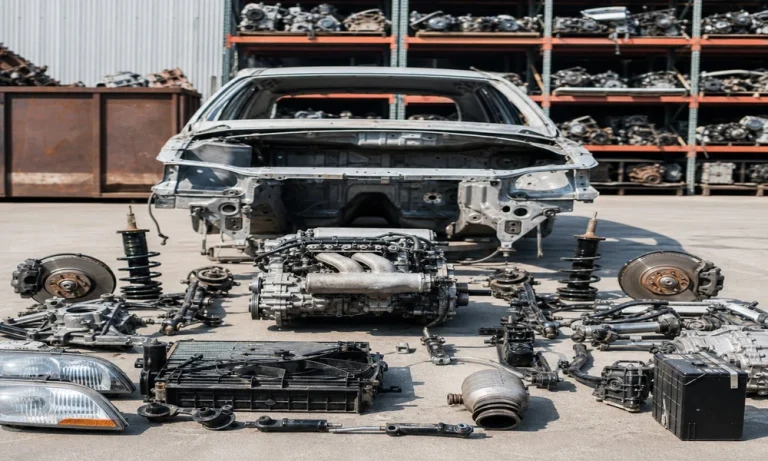
Accidents often leave vehicles with visible and hidden problems, and understanding these issues makes the repair journey far less stressful. Drivers usually notice exterior dents or cracked bumpers first, yet many types of internal damage can easily go unnoticed without a thorough inspection. When a trained technician evaluates the vehicle, problems that affect safety, drivability, and long-term performance are identified much earlier. That is why choosing a trusted Auto Body Shop in Arlington, MA, becomes important after any collision.

Since every accident is different, professionals rely on advanced diagnostic tools and years of experience to determine what your car needs. Some vehicles require light cosmetic work, while others may need structural straightening, mechanical repairs, or complete part replacements. This guide explains the most common post-accident damages and the methods experts use to fix them, allowing car owners to understand the repair process with confidence.

Understanding Post-Accident Vehicle Damage

Why Damage Assessment Is Important

Damage assessment helps technicians catch issues early while avoiding future complications. Even a minor accident can affect alignment, structural integrity, or the cooling system. When the initial inspection is performed carefully, the repair plan becomes more accurate, and unexpected costs are reduced. Additionally, insurance claims move faster because the shop provides the correct documentation.

How Auto Body Technicians Evaluate Your Car

Professionals follow a detailed checklist while examining the vehicle. They review exterior bodywork, internal components, frame alignment, and safety systems. Digital scanners help identify warning codes, while visual inspections reveal cracks, leaks, uneven gaps, or bent parts. This step ensures the repair process starts with a clear understanding of what needs attention.

Car Insurance Policy: Why your motor insurance policy will not pay full  cost of car damage repair

Most Common Types of Accident-Related Car Damages

Exterior Body Damage

Exterior damage is the most noticeable result of a collision. Scratches, dents, and crushed panels can be repaired using modern tools, which help restore the car’s original appearance.

Scratches and Paint Scuffs

Paint scuffs occur when another vehicle or object rubs against the surface. Mild scratches may only affect the clear coat, while deeper ones reach the metal layer. Technicians polish minor scuffs and use color-matched paint for deeper damage.

Dents and Dings

Small dents are often repaired through Paintless Dent Repair (PDR), a technique that avoids repainting. Larger dents require reshaping, filler application, and refinishing to restore surface smoothness.

Crumpled Panels and Misaligned Bodywork

More serious accidents bend panels and shift body alignment. Skilled technicians use hydraulic tools to reshape metal surfaces and ensure all components line up correctly.

Frame and Structural Damage

Frame issues compromise how the car absorbs impact and protects passengers. Because of this, every potential bend must be checked.

Signs of Bent or Compromised Frames

Uneven wheel gaps, doors that will not close smoothly, and steering pulling to one side often indicate frame problems. In some cases, the damage is not visible, so professional measurement tools become essential.

How Professionals Perform Frame Straightening

Shops use computerized frame machines to pull the structure back to factory specifications. Sensors confirm that alignment is correct, which helps restore crash protection and handling stability.

Bumper Damage

Bumpers absorb the initial impact, which means they commonly suffer cracks, dents, or complete detachment during an accident.

Cracked vs. Detached vs. Dent Damage

Cracked bumpers usually need replacement, while dented bumpers may be repaired depending on severity. A detached bumper often indicates hidden damage beneath the surface.

OEM Bumper Repairs and Replacements

Professionals prefer using OEM parts for proper fit and long-term durability. The new bumper is painted, installed, and aligned to match the vehicle’s design.

Glass and Windshield Damage

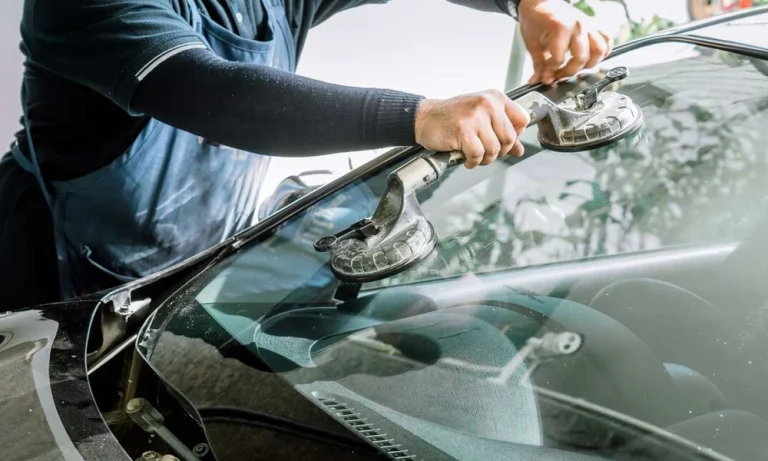
Windshield chips or cracks may seem small but can spread quickly, especially when exposed to temperature changes or road vibrations.

Chips, Cracks, and Shattered Glass

Minor chips are repairable, but long cracks require full replacement. Shattered windows are replaced with safety glass that meets vehicle standards.

Professional Glass Repair vs. Replacement

Technicians evaluate crack length, position, and depth before deciding. Repairs help maintain the original seal, while replacement ensures full structural support if damage is extensive.

Suspension and Alignment Issues

Suspension components often shift after impact, even if the accident appears minor.

How Accidents Affect Steering and Handling

A bent control arm, damaged shock absorber, or misaligned wheel can cause vibration, uneven tire wear, and poor steering response. These problems reduce driving safety until repaired.

Alignment Correction and Suspension Repairs

Shops use alignment machines to correct wheel angles. If components are damaged, they are replaced to restore smooth handling and tire stability.

Mechanical Damages After an Accident

While body damage is more visible, internal mechanical issues can create long-term problems if ignored.

Engine and Transmission Concerns

Fluid leaks, broken mounts, or impact to the front end can create engine or transmission issues. Professional diagnostics help detect these faults early.

Brake System or Exhaust Damage

Brake lines, rotors, and exhaust pipes may shift or crack after a collision. These parts are inspected carefully to ensure safe operation during driving.

How Professionals Fix Post-Accident Car Damages

Diagnostic Tools and Modern Repair Technology

Advanced scanning tools identify mechanical and electrical issues that are not visible. Many shops use digital imaging and computerized systems to diagnose structural changes.

Step-by-Step Repair Process Used by Technicians

Repairs typically follow a structured approach: inspection, disassembly, ordering parts, structural correction, bodywork, painting, reassembly, and final detailing. Each step ensures quality and safety.

Quality Control and Safety Checks After Repairs

Once repairs are complete, technicians review every detail, from panel alignment to test drives. These final inspections confirm that the vehicle meets safety standards before it is returned.

Repair vs. Replacement: How Experts Decide

Factors That Define Cost-Effective Repairs

Professionals compare labor costs, part prices, and safety impact. If repairing a component takes more time or compromises durability, replacement becomes more practical.

When Replacement Becomes the Safer Option

Severely bent frames, damaged airbags, or cracked windshields often require replacement. Safety is the top priority, and experts choose the option that best protects the driver.

How Insurance Works for Post-Accident Repairs

Filing a Claim the Right Way

A detailed repair estimate helps start the claim process. Drivers must provide accident details, photos, and the shop’s assessment to the insurance company.

How Body Shops Coordinate With Insurance Companies

Most repair facilities manage the paperwork, communicate with adjusters, and ensure approval for necessary repairs. This approach reduces stress for the vehicle owner.

Tips to Choose a Reliable Auto Body Repair Shop

Certifications, Experience, and Repair Warranties

A reputable shop employs trained technicians, follows proper repair methods, and offers warranties on the work. These signs indicate long-term commitment to quality.

Red Flags to Avoid After an Accident

Unclear pricing, lack of certifications, and pressure to accept quick fixes may signal an unreliable shop. Choosing a trusted location, such as an Auto Body Shop in Arlington, MA, ensures better results and a smoother repair experience.

Final Thoughts

Post-accident damages vary widely, yet professionals use a proven combination of skill, technology, and experience to restore vehicles safely. Understanding these common issues helps car owners feel confident during the repair process. With the right auto body shop supporting the journey, a damaged vehicle can return to the road in excellent condition.


There comes a moment when walking the same distance you have walked for years suddenly feels different. Not impossible, not painful, just heavier. You stop halfway to catch your breath or shift your weight slightly because your legs are tired sooner than before. It is those tiny pauses in the day that do it. You notice something feels harder than it used to, and you think, maybe there is an easier way. That is how a lot of people drift toward mobility scooters brisbane. No big worry behind it. Just wanting to move around with the same confidence they always had.

When your body begins hinting that it wants some help

These signs creep in quietly. They do not announce themselves, but you feel them anyway.
People often notice:

  • Short walks feeling longer than they should
  • A quiet dread of uneven footpaths
  • Needing to stop more often than expected
  • Bringing less home from the shops to avoid carrying weight
  • Turning down outings because the distance feels uncertain

You may ignore these things at first, then realise they are shaping your day more than you want.

Why scooters feel more natural than people assume

A lot of people imagine scooters are stiff or complicated until they try one. Then the surprise hits—how smooth the start feels, how gentle the turning is, how easy the controls are. The scooter does not take over your independence. It supports it. Sitting down, taking a breath, and moving again without strain feels like getting a part of your daily rhythm back.

Choosing a scooter becomes easier when you picture real life

Most confusion disappears once you think about your own routine instead of the models on display.
People usually consider things like:

  • Where they travel most often
  • Whether they need to lift the scooter into a car
  • How tight their indoor spaces are
  • How comfortable the seat feels for longer rides
  • Whether their hands feel steady on the controls

These real-world details matter much more than the technical sheet.

How your days shift once you have the right support

A scooter changes things quietly. You do not notice it immediately, but piece by piece you start moving differently.
People often share things like:

  • Feeling excited to go out again
  • Bringing home groceries without worrying about the walk
  • Stopping less often because their energy lasts longer
  • Being able to enjoy longer outdoor moments
  • Feeling safer in crowded or uneven areas

It is not dramatic, it is simply freedom returning in small pieces.

One might be too high. One might feel tight around the knees. Another might have just the right balance of softness and support. The right scooter fits your body, your hands, your pace. Most people know within minutes which one feels right for them.

Remembering why you started thinking about support

Before choosing anything, it helps to come back to the reason people look into mobility scooters brisbane. They want movement without fear. They want to stay independent. They want a normal day to feel normal again, not shaped by hesitation or exhaustion.

The first real sign comes on that early ride around the block. Suddenly you are not counting how far you have to go. You are just moving, breathing easier than you expected. Your eyes wander around instead of watching the ground. And life feels different in a soft way you cannot fully explain. That is the moment you know you picked well.

Automatic transmissions need clean oil always. Filtration is fundamentally essential work daily. The transmission fluid quickly becomes dirty fast. Wear generates tiny metallic shavings constantly. Heat also damages the protective fluid greatly. These contaminants must be trapped securely inside. A failing filter causes severe friction damage. This friction destroys internal components fast quickly. Regular servicing prevents expensive repair bills later. Skiles Automotive Service checks filters thoroughly always first. They emphasize preventative maintenance schedules strongly. Neglecting filtration leads to system failure eventually. Clean fluid ensures smooth gear shifts reliably. Filter media does the real heavy labor daily.

Standard Filtration Using Cellulose Fibers

Cellulose is the most common filter media available. This material is primarily wood pulp based fibers. It resembles thick durable paper stock material. Cellulose traps particles efficiently well enough routinely. It provides adequate protection for many cars today. This material works via surface loading mechanics well. Particles stick to the filter face easily quickly. Cellulose filters are very cost effective financial choices. Extreme temperature changes hurt cellulose structure badly. Most original equipment filters use this material type. It offers good compromise between cost and function always. Many standard transmissions use cellulose technology media. It is a proven inexpensive solution today definitely.

Advanced Performance Synthetic Microglass Media

Synthetic media uses engineered glass fibers carefully. These fibers are incredibly small and consistent always. They provide superior filtration capability always first. Synthetic media captures much finer contaminants particles. It specializes in depth loading efficiency greatly. Particles bury deep within the fiber structure securely. This increases the overall filter capacity well widely. Synthetic filters maintain flow much longer routinely. They withstand high fluid temperatures easily often. Performance vehicles often require synthetic media protection. Its cost is higher than standard cellulose media price. It delivers excellent protection long term reliably. Drivers trust synthetics for heavy use applications. Skiles Automotive Service often recommends synthetic upgrades strongly. They understand high performance transmissions fully always.

Initial Particle Capture with Metal Screens

Metal mesh screens are often found installed initially. These screens serve as preliminary filters first always. They are typically positioned near the fluid intake tube. Fluid flows through the screen initially always first. The primary function is capturing large debris pieces. Metal screens stop massive contaminant pieces reliably. These pieces include large chunks of worn metal shavings. Screens, installed by Auto Repair in South Bend, IN (Roseland)  based services often feature stainless steel construction strongly. They are usually cleanable and reusable tools often. Screens protect the primary depth filter element well always. They prevent premature clogging effectively too quickly. Screens alone cannot filter tiny abrasive particles well. Fine grit still passes through metal mesh easily. This fine grit requires deep media traps later still. Screens are essential for basic safety needs too. Skiles Automotive Service insists on screen checks always routinely. Screens are the first line of defense overall clearly.

Diesel additives are individual of the most puzzling topics for truck owners. Walk into any automobile parts store, and you’ll find shelves full of bottles claiming to boost capacity, improve fuel economy, clean injectors, prevent gelling, and even “fix lost strength.” With so many promises, it’s fair to ask: Do engine additives indeed work, or are they just clever shopping?

Read the article below for more details.

Cetane Boosters: Useful for Smoother, Quieter Combustion

Cetane number is crucial in engine performance cause it determines by means of what quickly fuel ignites under condensation. Higher cetane generally results in smoother explosions, quieter movement, and easier cold starts. You can also consult with experts like Dave’s Auto Repair.

1.     What They Do

  • Improve cold-start accomplishment
  • Reduce engine knock and noise
  • Increase combustion adeptness

2.     When They Work Best

Cetane boosters are particularly beneficial for:

  • Older diesel tools
  • Cold climates
  • Fuel with contradictory quality

They do not considerably increase power or fuel rate on their own. Their main benefit is improving drivability and lowering stress on the engine during startup. You can also visit shops for Auto AC Repair in Goshen, IN.

Lubricity Additives: Helpful for Modern Low-Sulfur Diesel

Ultra-low sulfur engine (ULSD) burns cleaner but uniformly has less lubrication. Modern, excited fuel pumps and injectors rely massively on lubricity in order to avoid wear.

1.     What They Do

  • Reduce friction inside the fuel supply
  • Extend injector life
  • Prevent untimely wear in the high-pressure structure

2.     When They Work Best

They are useful in:

  • Older engines designed before ULSD
  • High-rate diesel vehicles
  • Trucks with injector or push wear symptoms

While ULSD meets minimum lubricating requirements, preservatives can provide an extra coating of protection—particularly for older engines.

Water Dispersants: Effective Only in Certain Situations

Water contamination is an important enemy of engines. Dispersant supplements can break water into tiny beads so it passes safely through the system.

1.     What They Do

  • Help prevent injector damage
  • Reduce bacterial growth in fuel tanks
  • Improve diesel balance

2.     When They Work Best

These are most helpful when:

  • Fuel sits for long periods
  • Equipment is stocked outdoors
  • Drivers periodically get adulterated fuel

However, they do not fix severe water adulteration. Large amounts of water require draining the tank and replacing filters.

Additives That Rarely Work: Power Boosters & MPG Enhancers

Some preservatives promise dramatic strength increases, massive fuel funds, or engine “renovation.” These claims are usually embellished. You can also consult with experts like Dave’s Auto Repair.

Why They Don’t Help Much

  • Diesel performance depends thickly on air, boost pressure, and tuning—not additives
  • Fuel economy is influenced by driving habits, load, and engine condition
  • No additive can repair used mechanical elements

Conclusion

Diesel supplements are not all hype. Many of them serve very specific—and very real—purposes. So, choose according to your choice.

The automotive industry constantly seeks innovation. Carbon fiber emerges as a key material. Its use reshapes vehicle design significantly. This advanced composite offers unique advantages. It provides exceptional strength. It maintains incredible lightness. Drivers demand better performance. Manufacturers push boundaries daily. Carbon fiber helps achieve these goals. It transforms many car components. This article explores particular applications. Focus will be on window frames and trim. These parts gain significant benefits. They become lighter yet stronger. This change impacts overall vehicle dynamics greatly. Carbon fiber represents automotive progress. It defines modern vehicle engineering. The future integrates this material more fully.

Significant Weight Reduction Benefits

Carbon fiber drastically reduces vehicle weight. This is a primary advantage. Vehicle agility greatly improves. Fuel efficiency sees clear gains. Less weight means less fuel consumed. Emissions are therefore lower. This helps the environment. Handling becomes more responsive. Drivers experience better control. The material boasts high strength. Its weight is incredibly low. This strength-to-weight ratio is unmatched. Traditional metals cannot compete. Cars accelerate faster. They also stop quicker. Overall driving dynamics improve. This lightweight design is revolutionary. It offers a new era. Vehicle engineering takes a leap.

Enhanced Performance and Unmatched Durability

Beyond weight savings performance thrives. Carbon fiber enhances structural rigidity. This improves chassis stiffness. Better driving feel results. The material resists fatigue well. It withstands harsh conditions. Durability marks another benefit. Carbon fiber lasts a long time. It resists corrosion completely. Metals often rust away. This composite does not. It maintains its integrity. Extreme temperatures have small effect. This ensures long-term reliability. Car owners appreciate this. Performance gains are very real. Drivers enjoy a tougher vehicle. RMS Auto Care understands this strength. Modern cars need robust components and for that the Auto Repair in Houston, TX based services are the best ones.

Advanced Application in Window Frames

Window frames historically use metal. Carbon fiber offers an upgrade. It provides superior structural support. Frames become incredibly light. This reduces overall vehicle mass. The material is dimensionally stable. It keeps its form well. Window operation remains smooth. Frame rigidity prevents flexing. RMS Auto Care can service these frames. Quality materials require expert care.

Carbon Fiber Trim Aesthetic and Functional Advantages

Vehicle trim defines interior luxury. Exterior trim adds visual appeal. Carbon fiber trim provides both. Its unique weave pattern is striking. It signals high performance. It conveys premium quality. The trim is extremely durable. It resists scratches superbly. Fading is not an issue. It maintains appearance longer. Trim pieces add minimal weight. This contributes to efficiency. Many high-end vehicles use it. Customization options are abundant. It elevates vehicle aesthetics. This material is a statement. RMS Auto Care appreciates fine finishes. They understand carbon fiber needs. Proper installation is crucial.

Toyota is famous for building a few of the fundamental trustworthy engines on the way to destination, but even the best powertrains depend on an active ignition system. Spark plugs and ignition coils play a fault-finding role in starting the engine, maintaining smooth movement, and pledging powerful fuel effectiveness. When either of these parts starts to fail, drivers will notice performance issues—a few mild, a few serious—that can affect ongoing engine health.

This article explains the ultimate common Toyota spark plug and ignition coil questions, the symptoms you should look for, and the answers technicians for Auto Repair in Chico, CA use to restore correct performance.

Common Causes of Spark Plug & Coil Problems in Toyotas

1.    Failed Ignition Coils

Toyota ignition coils can be abandoned due to:

  • Heat uncovering
    • Internal electrical disruption
    • Oil leaks from valve cover gaskets
    • Moisture interruption
    • Prolonged misfires from bad spark plugs

When a coil weakens, the transformer may still run—but not flatly.

2.    Aftermarket Parts Issues

Non-OEM spark plugs or budget ignition coils frequently lead to:

  • Misfires
  • Rough ineffective
  • Shorter lifespan
  • Poor fuel rate

Toyota engines tend to perform best with OEM or finest aftermarket components expressly matched to the engine. You can also visit shops like Chico Car Care.

Fixes for Toyota Spark Plug & Coil Problems

1. Replace Spark Plugs

New spark plugs fix:

• Smooth engine movement

• Strong fuel economy

• Better dispatch

• Easy starts

Using OEM or high-quality plugs is key. Technicians still ensure plugs are torqued correctly to insulate the engine.

2. Replace Faulty Ignition Coils

A weak or dead coil must be replaced to avoid further misfires. Many shops recommend replacing all coils at once—especially above-mileage vehicles—to prevent repeated declines.

3. Repair Oil Leaks Affecting Coils

In some Toyota models, valve cover gasket leaks drop oil onto ignition coils, causing impulsive failure. Fixing the seal prevents repeat ignition problems.

4. Clear Codes and Perform Road Testing

After replacing spark plugs or coils, technicians clear the CEL and perform a test drive to guarantee smooth operation and no surplus misfires.

Preventive Tips for Toyota Owners

  • Always follow Toyota’s urged spark plug substitute intervals
  • Use only OEM or substantiated high-quality parts
  • Address oil leaks fast
  • Avoid driving long distances accompanying a flashing CEL
  • Get annual preparation inspections by experts like Chico Car Care

Conclusion

Spark plug and explosion coil questions are some of the fundamental common issues Toyota owners face, but they are likewise some of the easiest to fix when taken early.

By making manifestations like misfires, rough, inconsequential, poor fuel saving, or weakened increasing speed, motorists can prevent main engine damage and retain the smooth, trustworthy efficiency that Toyotas are popular for. Regular sustenance and appropriate repairs guarantee your Toyota stays dependable for years to hand.

Choosing the right bike tyre for off-road adventures can mean the difference between conquering challenging trails and getting stuck halfway up a muddy incline. Your tyre selection directly impacts grip, control, and safety when you venture beyond tarmac roads. Before you invest in new off-road rubber, understanding key features helps you make an informed decision that matches your riding style and terrain preferences.

Construction Quality and Durability Features

Robust construction separates quality off-road tyres from budget options that fail prematurely. Your focus should extend beyond the tread pattern to examine sidewall strength and overall build quality.

Sidewall Technology and Protection

Reinforced sidewalls shield against sharp rocks and lateral impacts that commonly damage tyres during technical riding. Look for features like:

Feature Benefit Ideal Terrain
Double-layer sidewalls Maximum puncture resistance Rocky trails
Flexible single-layer Better ride comfort Sandy/muddy paths
Kevlar reinforcement Lightweight protection All conditions

Higher ply ratings indicate stronger construction but add weight. A 4-ply rated tyre offers excellent durability for aggressive riding, while 2-ply options suit riders prioritising agility. The sidewall profile number (65, 70, or 75) represents the height-to-width ratio, with taller sidewalls providing extra cushioning against impacts.

Compound Selection Impacts

Rubber compound directly affects both grip levels and longevity. Softer compounds stick like glue to surfaces but wear faster, particularly on abrasive terrain. Harder compounds sacrifice some traction for extended service life. Premium manufacturers often use dual-compound designs, placing softer rubber on the shoulders for cornering grip while using harder material in the centre for durability.

Temperature performance becomes crucial across India’s diverse climate zones. Quality compounds maintain consistent grip whether riding through Rajasthan’s heat or tackling cooler mountain passes. Budget tyres often struggle with temperature extremes, becoming either too soft or excessively hard.

Sizing Specifications and Compatibility

Correct sizing ensures safety and optimal performance. Never compromise on proper fitment, regardless of potential tyre price savings or deals you might find.

Understanding Size Markings

Off-road tyre sizes follow standardised marking systems. A typical designation like 90/100-21 indicates:

  • 90: Tyre width in millimetres
  • 100: Aspect ratio (sidewall height as percentage of width)
  • 21: Rim diameter in inches

Your motorcycle manual specifies approved sizes. Deviating affects handling, ground clearance, and speedometer accuracy. Wider tyres increase flotation over soft surfaces but may rub against swingarms or chains. Narrower options cut through soft terrain better but offer less stability.

Tubeless Versus Tube-Type Options

Modern tubeless designs offer significant advantages for off-road use:

Tubeless Benefits:

  • Run lower pressures without pinch-flat risks
  • Self-sealing capabilities for small punctures
  • Easier field repairs with plug kits
  • Reduced rotating weight

Tube-Type Considerations:

  • Lower initial Activa tyre price typically
  • Simpler mounting process
  • Readily available tubes for repairs
  • Compatible with older rim designs

Many riders convert tube-type wheels to tubeless using conversion kits, though this requires careful installation to ensure proper sealing.

Brand Selection and Value Assessment

India’s off-road tyre market offers options spanning budget to premium segments. Established manufacturers like MRF, CEAT, and Eurogrip compete with international brands, each bringing unique strengths.

Price Versus Performance Analysis

Off-road bike tyre prices range from ₹2,500 to ₹13,500, reflecting varying technology levels. Premium tyres incorporate advanced features:

  • Multi-compound construction
  • Aramid fibre reinforcement
  • Optimised tread patterns
  • Extended warranty coverage

Budget options may seem attractive when comparing tyre price points, but frequent replacements often negate initial savings. Calculate cost per kilometre rather than upfront expense for accurate value assessment. For a commuter motorcycle or scooter like Hero Splendor and Honda Activa, tyre price is relatively low, but off-road motorcycle tyres are usually pricier in comparison.

Regional Availability Considerations

Major cities stock extensive selections, while remote areas may require advance ordering. Eurogrip maintains strong distribution networks across India, ensuring replacement availability even in smaller towns. This accessibility proves valuable during tours when unexpected tyre damage occurs far from major centres.

After-sales support varies significantly between brands. Comprehensive warranties and responsive customer service justify slightly higher initial investments, particularly for riders frequently venturing into challenging terrain.

Making Your Final Decision

Successful off-road bike tyre selection balances multiple factors against your specific requirements and budget constraints. Your riding style influences priorities. Aggressive riders benefit from maximum grip and durability, justifying higher investments. Casual trail explorers might find mid-range options perfectly adequate. Consider your skill progression too – beginning riders often outgrow entry-level tyres quickly as abilities improve.

Factor in total ownership costs beyond initial tyre price comparisons. Quality tyres delivering 15,000 kilometres of reliable service are more economical than budget alternatives that require frequent replacement. The confidence inspired by dependable tyres enables you to tackle challenging terrain safely, accelerating skill development.

Machines depend on timing. But when a system requires instantaneous engagement, disengagement, or transfer of power, nothing works better than an electromagnetic clutch. At the core of these high functioning use-cases contains basic yet proven electromagnetic clutch parts that makes this technology reliable. When these strong components are strong, machines remain strong. There the performance drop is quick when these weaken.

Why These Parts Matter

Electromagnetic clutches allow machines to either engage or disengage power from each other almost instantaneously. These machines have proved to be very useful, and thus, they are quite widely used in the manufacturing, packaging, printing, and automotive systems industries due to their high speed and accuracy. But, a clutch is only as good as the components running it.

Good quality electromagnetic clutch components maintain consistent torque, reduce heat, and minimize wear. They make sure the clutch grabs smoothly and releases free of sticking. It is all interdependent, without a good part, you make the whole system suffer.

Core Elements You Should Be Aware of

There are several important components that are common to all electromagnetic clutches. Each does its own thing, which creates a swift and controlled movement of power.

Electromagnetic clutch parts are most important part of it which includes:

  • The coil that is used setting the electromagnetic field
  • The armature which engages the clutch
  • Friction materials that guarantee a smooth contact
  • The rotor, which transfers torque

If well crafted, these elements work together for a nicely staged clutch performance.

Material Quality Changes Everything

Strong materials equal strong performance. A lot of the failures can be attributed to cheap metals used to manufacture the parts, or by using weak friction compounds. A reliable supplier employs heat-resistant steel with wear-resistant friction layers and coils that can endure long operation cycles.

Utilizing the right set of materials for electromagnetic clutch parts means the components will have the ability to handle the heat, pressure, and the speeds, respectively, to which they are subjected. With the right materials, it translates into extended service life and less downtime.

Heat Control Improves Efficiency

Every time electromagnetic systems engage, they generate heat. Excessive use results in slippage, lag, and premature wear. Quality parts of an electromagnetic clutch are designed for temperature management. That means non-glazing friction materials and metal components that spread heat away quickly.

Better heat regulation leads to a smoother and more consistent performance, even during intense usage.

Precision Manufacturing Matters

A clutch relies on precise movement. Even a slight misalignment, or a difference in thickness will ruin performance. This is why precision engineering is an absolute must.

Reliable electromagnetic clutch parts are:

  • Machined with tight tolerances
  • Balanced for even rotation
  • Checked for smooth engagement surfaces

When the parts are fit perfectly, the clutch is instantaneous, and does not lose balance under load.

It All Starts with Quality Parts

And yes, even the best of clutches occasionally needs some maintenance. However, if you use quality parts, maintenance becomes less of a nuisance. Cheap components, on the other hand, are the other way around and break down easily, thus causing downtimes.

Durable electromagnetic clutch parts are a good investment that comes at a lower repair cost while ensuring machines are working at their full efficiency.

Final Thoughts

Well, electromagnetic clutches will only work properly if each element in the design is precise, strong, and should be made with high precision. Each part of it counts, from coils, to friction plates. Choose the finest quality electromagnetic clutch parts to protect your machinery, ease the workflow, and ensure smooth functioning.