Category

Maintenance

Category

Your vehicle is more than just a way to get from one place to another. It represents your personality, protects your investment, and plays an important role in your daily life. Over time, however, dirt, road grime, UV rays, spills, and contaminants can take a toll on both its appearance and condition. While a regular car wash helps remove surface dirt, it doesn’t provide the deep cleaning and protection your vehicle truly needs.

That’s where a professional car detailing service comes in.

Unlike a standard wash, detailing focuses on thoroughly cleaning, restoring, and protecting every part of your vehicle, both inside and out. Whether you’re preparing your car for resale, maintaining a newer vehicle, or simply want it looking its best, professional detailing delivers noticeable and long-lasting results.

In this guide, we’ll explain exactly what a professional car detailing service includes, why it’s worth the investment, and how it helps preserve your vehicle’s beauty and value.

What Is a Professional Car Detailing Service?

A professional car detailing service is a comprehensive cleaning and restoration process designed to improve the appearance and condition of a vehicle. It goes beyond washing by addressing dirt, stains, oxidation, scratches, contaminants, and wear that accumulate over time.

Professional detailers use specialized equipment, premium cleaning products, and proven techniques to clean areas that are often overlooked during routine washing.

Most detailing packages are divided into two major categories:

  • Exterior detailing
  • Interior detailing

Some services also include additional protective treatments and paint correction to further enhance your vehicle.

Exterior Detailing: Restoring Your Vehicle’s Shine

The exterior is constantly exposed to harsh environmental conditions. Rain, dust, bird droppings, tree sap, road salt, and UV rays can gradually damage your vehicle’s finish.

A professional car detailing service typically includes several exterior treatments that restore and protect the paint.

Thorough Hand Wash

The process begins with a careful hand wash using automotive-safe soaps and microfiber wash mitts. Unlike automated car washes, hand washing minimizes the risk of scratches caused by abrasive brushes.

Professionals pay close attention to:

  • Door jambs
  • Grille
  • Emblems
  • Wheel wells
  • Lower body panels

These areas often collect the most dirt.

Wheel and Tire Cleaning

Brake dust, grease, and road grime accumulate quickly on wheels and tires.

Detailers use specialized cleaners to remove stubborn contaminants while restoring the original appearance of:

  • Wheels
  • Tires
  • Wheel wells

Many services also include tire dressing, giving tires a rich, clean finish.

Clay Bar Treatment

Even after washing, tiny contaminants remain embedded in your paint.

A clay bar treatment removes:

  • Industrial fallout
  • Tree sap
  • Rail dust
  • Overspray
  • Embedded contaminants

The result is an ultra-smooth surface that prepares the vehicle for polishing or protection.

Paint Polishing

Minor scratches, swirl marks, oxidation, and dullness can make your vehicle appear older than it is.

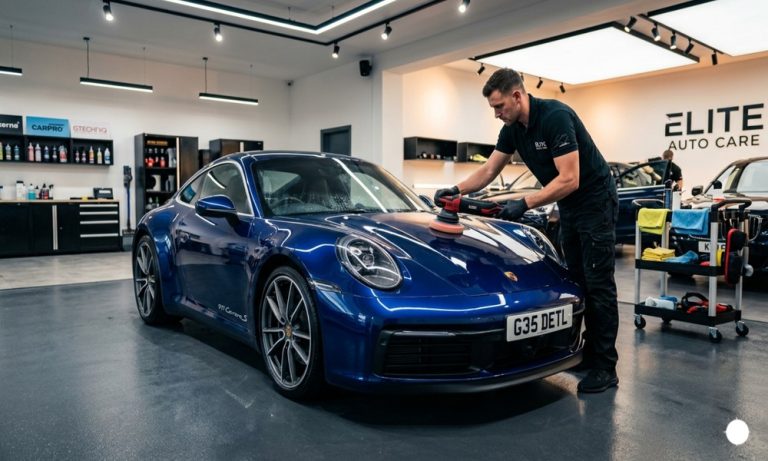
Machine polishing helps restore clarity and gloss by removing microscopic imperfections from the clear coat.

While deep scratches may require paint correction, polishing significantly enhances overall appearance.

Wax or Paint Sealant

One of the most valuable parts of a car detailing service Indianapolis is protecting the paint after cleaning.

Most detailers apply either:

  • High-quality carnauba wax
  • Synthetic paint sealant

These products help:

  • Repel water
  • Reduce UV damage
  • Minimize oxidation
  • Keep dirt from sticking
  • Maintain shine longer

Ceramic Coating (Optional)

Many professional detailers offer ceramic coating as an upgraded service.

Ceramic coatings create a durable protective layer over the paint that provides:

  • Long-lasting gloss
  • Easier maintenance
  • Water beading
  • UV protection
  • Chemical resistance

While not included in every package, it’s one of the best long-term investments for paint protection.

Interior Detailing: More Than Just Vacuuming

A clean interior improves comfort while helping preserve upholstery and interior materials.

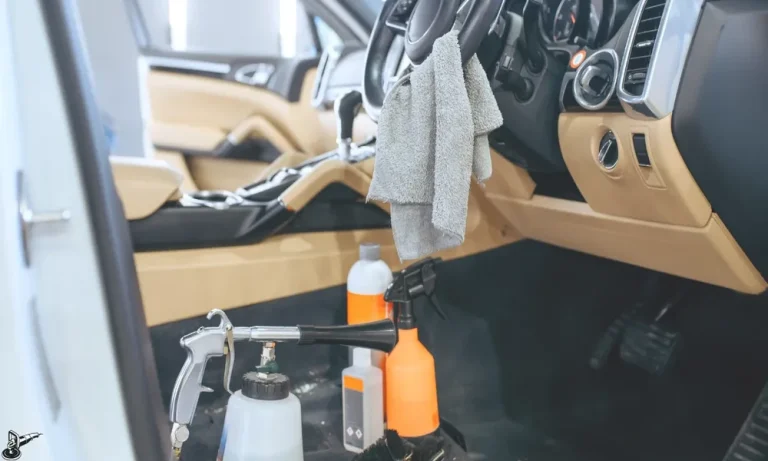
A professional car detailing service thoroughly cleans every surface inside the cabin.

Complete Vacuuming

Professional vacuuming covers every area, including:

  • Carpets
  • Floor mats
  • Seats
  • Trunk
  • Under seats
  • Tight crevices

This removes dirt, sand, pet hair, and debris that ordinary vacuuming often misses.

Carpet and Upholstery Cleaning

Fabric seats and carpets absorb:

  • Food spills
  • Coffee stains
  • Dirt
  • Odors

Detailers use hot water extraction or steam cleaning to remove deep-set contaminants while refreshing the fabric.

Leather seats receive specialized leather cleaners and conditioners to prevent cracking and fading.

Dashboard and Interior Surface Cleaning

Dust and oils build up on interior surfaces over time.

Professionals clean and protect:

  • Dashboard
  • Center console
  • Door panels
  • Steering wheel
  • Cup holders
  • Air vents

UV protectants are often applied to reduce fading and cracking caused by sunlight.

Window Cleaning

Crystal-clear windows improve visibility and safety.

Interior glass is cleaned to remove:

  • Fingerprints
  • Smoke residue
  • Dust
  • Film buildup

Exterior windows are polished for a streak-free finish.

Odor Removal

Persistent odors from pets, smoke, food, or moisture can make driving unpleasant.

Many detailing services include odor elimination treatments that neutralize smells rather than simply masking them.

Some shops also offer ozone treatments for severe odor issues.

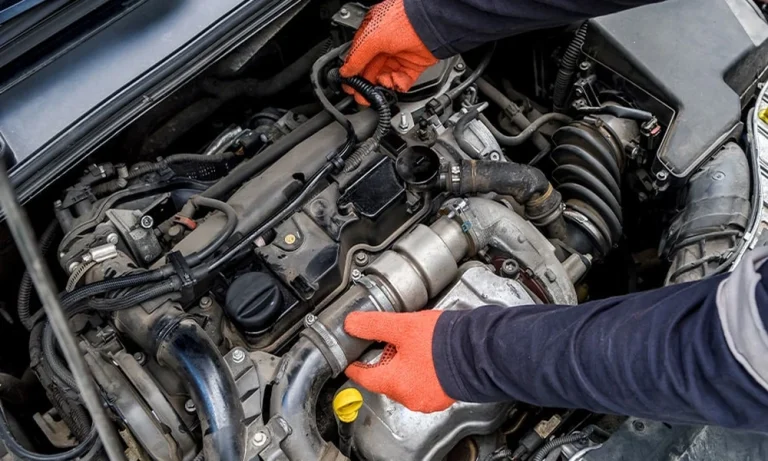
Engine Bay Cleaning

Although often overlooked, the engine compartment can collect grease, leaves, dust, and grime.

Some detailing packages include careful engine bay cleaning using safe degreasers and low-pressure techniques.

A clean engine bay:

  • Looks better
  • Makes leaks easier to detect
  • Simplifies maintenance
  • Helps preserve engine components

Paint Inspection

Before polishing or applying protection, professionals inspect the vehicle’s paint condition.

They identify:

  • Swirl marks
  • Oxidation
  • Water spots
  • Surface scratches
  • Paint contamination

This evaluation helps determine the most effective detailing process for your vehicle.

Headlight Restoration

Cloudy headlights reduce nighttime visibility while making a vehicle appear older.

Many detailing services offer headlight restoration by polishing away oxidation and applying UV protection.

Benefits include:

  • Improved brightness
  • Better appearance
  • Increased driving safety

Trim Restoration

Plastic trim can fade over time due to sun exposure.

Professional detailers restore exterior trim using conditioning products that:

  • Revive color
  • Reduce fading
  • Improve overall appearance

This small detail often makes a dramatic difference.

Why Professional Detailing Is Better Than DIY

While many car owners enjoy washing their own vehicles, professional detailing provides advantages that are difficult to achieve at home.

Professionals have access to:

  • Commercial-grade equipment
  • Premium detailing chemicals
  • Paint-safe polishing machines
  • Specialized training
  • Experience handling different paint types

They also understand how to clean delicate surfaces without causing damage.

A car detailing service near me saves time while delivering results that typically last much longer than DIY efforts.

How Often Should You Get Your Vehicle Detailed?

The ideal schedule depends on your driving habits and environment.

Most professionals recommend:

  • Every 4-6 months for average drivers
  • Every 3 months for heavily used vehicles
  • More frequently for vehicles exposed to harsh weather or off-road conditions

Regular detailing helps maintain your vehicle year-round while preventing long-term damage.

Benefits of Professional Car Detailing

Investing in a professional car detailing service offers numerous long-term advantages.

Some of the biggest benefits include:

Protects Your Paint

Protective coatings reduce damage caused by UV rays, contaminants, and oxidation.

Preserves Vehicle Value

A well-maintained vehicle often commands a higher resale or trade-in value.

Improves Driving Comfort

A clean interior creates a healthier, more enjoyable driving experience.

Extends Material Life

Leather, plastic, vinyl, and fabric last longer when properly cleaned and conditioned.

Enhances Appearance

Nothing compares to the glossy finish and spotless interior achieved through professional detailing.

Choosing the Right Car Detailing Company

Not every detailing shop offers the same level of quality.

  • Positive customer reviews
  • Experienced technicians
  • Transparent pricing
  • High-quality products
  • Multiple detailing packages
  • Paint protection options
  • Satisfaction guarantees

Don’t hesitate to ask what is included before scheduling your appointment.

Final Thoughts

A clean vehicle isn’t just about appearances, it’s about protecting one of your most valuable investments. While routine washing removes surface dirt, it doesn’t address the deeper cleaning, restoration, and protection your car needs over time.

A local car detailing service includes everything from exterior washing and paint decontamination to interior deep cleaning, polishing, protective coatings, and more. These specialized treatments help preserve your vehicle’s finish, improve driving comfort, and maintain its resale value.

Whether you drive every day, own a luxury vehicle, or simply take pride in keeping your car looking its best, investing in a professional car detailing service is one of the smartest ways to extend your vehicle’s life and enjoy that like-new feeling every time you get behind the wheel.
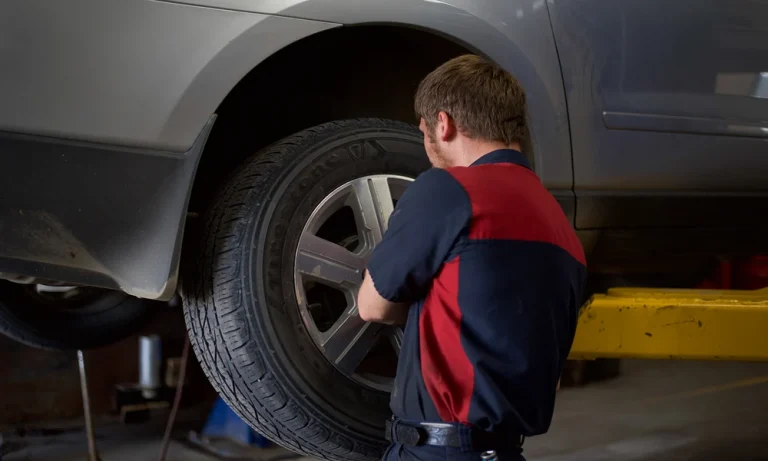
Your car handles rough roads every single day. The suspension system absorbs all these heavy impacts. Inside this system a tiny component works hard. This crucial part is the automotive ball joint. It connects the steering knuckles to control arms. The vehicle wheels move smoothly because of it. However these parts wear out over time. Regular replacement ensures excellent road safety and performance. Auto Repair in Hudson, IA marked a shift in engineering standards. Now mechanics focus deeply on suspension health. Drivers must understand this small part today.

Understanding the Mechanics of Vehicle Stability

The ball joint operates like a human hip. It provides a highly flexible pivot point. This piece allows wheels to move up. The wheels also turn left and right simultaneously. Without this flexibility steering becomes completely impossible. The weight of the entire vehicle presses down. Therefore the component endures massive structural stress daily.

A solid ball joint maintains perfect wheel alignment. Proper alignment prevents uneven and rapid tire wear. Thus the vehicle drives straight without pulling hard. Hudson Automotive manufactures premium replacement parts for global markets. Their designs prioritize ultimate driving safety and control.

The Telltale Signs of Component Wear

Sometimes you will hear strange clicking noises. These faint sounds happen during sharp turns. A worn joint causes these clicking sounds. The internal lubrication dries up after long use. Then metal rubs directly against metal inside. This friction creates dangerous play within the housing. The steering wheel might shake at high speeds. This vibration indicates a very serious mechanical issue. You must inspect the suspension immediately after. Neglecting these early signs leads to complete failure. Hudson Automotive provides detailed inspection guides for modern mechanics. Technicians look for torn rubber dust boots. Damaged boots let harmful dirt inside the mechanism.

The Ripple Effect on Adjacent Suspension Parts

A bad ball joint damages other components quickly. The loose movement stresses the control arm bushings. Struts also wear out much faster than normal. Then the entire suspension system suffers severe damage. You will face incredibly high repair bills later. Therefore early replacement saves a lot of money. The vehicle maintains its original factory ride quality.

New parts absorb bumps without transferring the shock. Passengers enjoy a smooth and quiet ride daily. Modern replacement parts offer much better durability now. Hudson Automotive engineering teams utilize advanced synthetic lubricants. These specialized greases extend the component lifespan significantly.

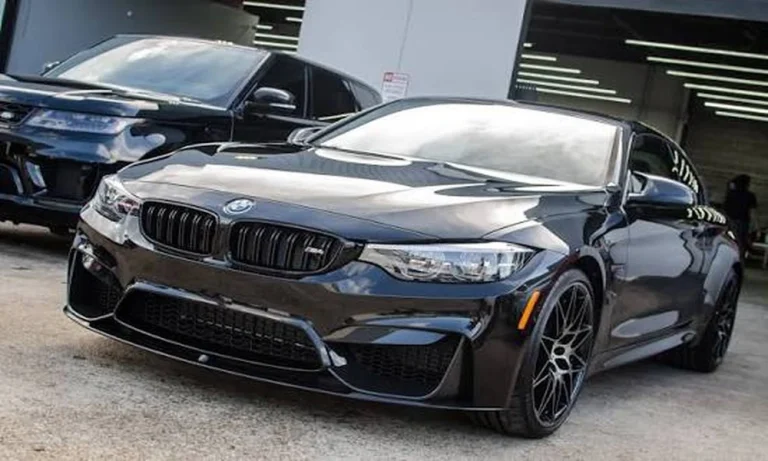
There’s a reason black remains one of the most requested paint colors at dealerships, even though it’s arguably the hardest color to keep looking good. It photographs beautifully, it suits almost any body style, and there’s something undeniably clean about a freshly detailed black car sitting in the sun. The catch is that black paint is unforgiving. Every swirl mark, water spot, and speck of dust shows up against it in a way that silver or gray paint simply hides.

That’s exactly why ceramic coating has become such a common topic among black car owners specifically. It’s not that the chemistry behaves differently on black paint than on any other color – it doesn’t – but the visual stakes are higher, so the expectations, the prep work, and the maintenance habits matter more.

Why Black Paint Shows Everything

Paint color affects how light interacts with a surface, and that has real consequences for how imperfections read to the eye. Lighter colors scatter light in a way that masks fine scratches and haze. Black paint does the opposite – it absorbs most of the light that hits it and reflects the rest almost like a mirror, which means any disruption in the clear coat’s surface, from a light wash-induced swirl to a water spot left to dry in the sun, becomes visible at almost any angle.

This is why black (and other dark, deep colors like navy or dark gray) tends to dominate detailing forums and before-and-after posts. It’s not that these cars get damaged more often. It’s that the damage is simply easier to see, which raises the bar for both the initial paint correction and whatever protection goes on afterward.

What Ceramic Coating Actually Is

Ceramic coating is a liquid polymer, typically based on silicon dioxide (SiO2) or, in some higher-end formulations, silicon carbide, that’s applied by hand and chemically bonds to a vehicle’s clear coat. Unlike wax or traditional paint sealant, which sit on top of the paint and wear off through friction and washing, a properly cured ceramic coating forms a semi-permanent layer that becomes part of the surface itself.

That bond is what gives ceramic coatings their two most talked-about properties: hydrophobicity and added surface hardness. Water beads and sheets off a coated surface instead of clinging to it, which reduces the number of water spots that form as it dries. And the coating adds a harder, more chemically resistant layer on top of the factory clear coat, which is where a lot of the “extra protection” reputation comes from.

It’s worth being precise about what “hardness” means here, because it gets oversold in marketing copy more than almost any other detailing claim. Coating hardness is typically evaluated using pencil hardness testing, a standardized method where pencils of graded lead hardness are dragged across a cured film to see at what point they mark or cut the surface – a method formalized in ASTM D3363, the industry standard for rating film hardness by pencil test. A coating rated at 9H on this scale is genuinely harder than bare clear coat, but that doesn’t make it scratch-proof. It reduces the likelihood of fine marring from improper washing, not impact from a rock chip or a keyed door panel.

The UV and Oxidation Angle

Black cars also tend to show oxidation and fading differently than lighter colors, since any dulling or hazing is immediately obvious against a dark, reflective surface. Ultraviolet radiation is a major driver of that breakdown. Prolonged UV exposure degrades polymers over time, causing the kind of chalking, discoloration, and gloss loss familiar to anyone whose car spends most of its life parked outdoors. The EPA’s UV Index tracks how much ultraviolet radiation reaches the ground at a given time and location, since seasonal shifts and atmospheric conditions change exposure levels throughout the year – useful context for owners in high-sun climates who are trying to understand why paint correction and reapplication schedules tend to be more aggressive in places like Florida, Arizona, or Southern California than in the Pacific Northwest.

Ceramic coatings add a UV-resistant layer that helps slow this process, which is genuinely useful for a color that shows early oxidation more readily than most. It’s a legitimate benefit, just not an indefinite one – no coating stops UV degradation entirely, it only extends the timeline.

What Ceramic Coating Won’t Do

This is the part that gets glossed over in a lot of sales conversations, and it matters more for black cars than almost any other color because expectations run high. Ceramic coating does not prevent rock chips, does not stop a shopping cart from denting a door, and does not make a car “scratch-proof” in any meaningful sense. It also doesn’t replace regular washing. Dirt, brake dust, and bird droppings still land on the surface and still need to be removed; the coating simply makes that removal easier and reduces the odds that a wash introduces new marring.

For black cars specifically, this means owners still need good washing technique – proper mitts, two-bucket methods, pH-neutral soap – because a coated black car with poor wash habits will still develop swirl marks over time. The coating buys some margin for error. It doesn’t eliminate the need for care.

Paint Correction Comes First

One detail that trips up a lot of first-time coating customers: a ceramic coating locks in whatever the paint looks like at the moment it’s applied. If there are existing swirl marks, light scratches, or oxidation, the coating seals them in rather than hiding them, and because black paint reveals those flaws so readily, skipping paint correction beforehand tends to produce visibly disappointing results. A proper installation typically starts with paint decontamination and machine polishing to correct surface defects, and only then moves to coating application. Reputable installers, including mobile operations like Vision Mobile Detailing, generally walk customers through this step rather than jumping straight to the coating itself, since it’s the difference between a coating that looks flawless and one that locks in imperfections for years.

Choosing an Installer

DIY ceramic coating kits exist and can work reasonably well on a budget, but professional application still tends to outperform them in a few specific ways: better surface prep, controlled application environments that keep dust and humidity out of the curing process, and access to professional-grade coatings with longer durability windows than most consumer kits offer. For a color where every flaw is visible, that gap in prep quality often shows up in the final result more than the coating product itself does.

If you’re comparing options, it’s worth asking any shop specifically how they handle paint correction on dark colors, what coating hardness rating they use, and what the expected maintenance wash interval looks like. A ceramic coating service built around proper decontamination and multi-stage correction will generally hold up better on black paint than a quick single-stage application, regardless of which coating brand ends up on the label.

The Bottom Line

Ceramic coating isn’t magic, and it isn’t a replacement for basic car care – but for black cars, which show every imperfection more readily than almost any other color, it’s a genuinely useful layer of protection when it’s paired with proper paint correction and realistic maintenance habits. Owners who go in understanding what the coating actually does, and what it doesn’t, tend to be a lot happier with the results a year or two down the road than those who treat it as a one-time fix-all.

Anyone who’s washed a car on a sunny afternoon has seen it happen. The paint looks glossy and clean for a few minutes, and then, as the water dries, faint rings and cloudy blotches start to appear. Water spots on car paint are one of the most common cosmetic complaints car owners deal with, and while they’re often harmless, they can sometimes point to a more serious problem sitting just beneath the surface.

Understanding why water spots form – and which ones are cause for concern – makes it much easier to keep a car’s finish looking the way it should.

What’s Actually Left Behind When Water Dries

Water itself doesn’t damage paint. The issue is what’s dissolved in it. Tap water, sprinkler water, and even rainwater carry small amounts of minerals, primarily calcium and magnesium, along with trace amounts of silica and other dissolved solids. As water sits on a painted surface and evaporates, those minerals don’t evaporate with it. They’re left behind as a fine residue, which is what shows up as a cloudy ring or a cluster of tiny white spots.

The concentration of minerals varies quite a bit depending on where the water comes from. According to the U.S. Geological Survey, water hardness is largely determined by the amount of dissolved calcium and magnesium picked up as it moves through soil and rock, and hardness levels differ significantly from one region to another. That’s part of why some car owners in certain areas seem to battle water spots constantly, while others rarely notice them.

Two Very Different Kinds of Water Spots

Not all water spots behave the same way, and the distinction matters more than most people realize.

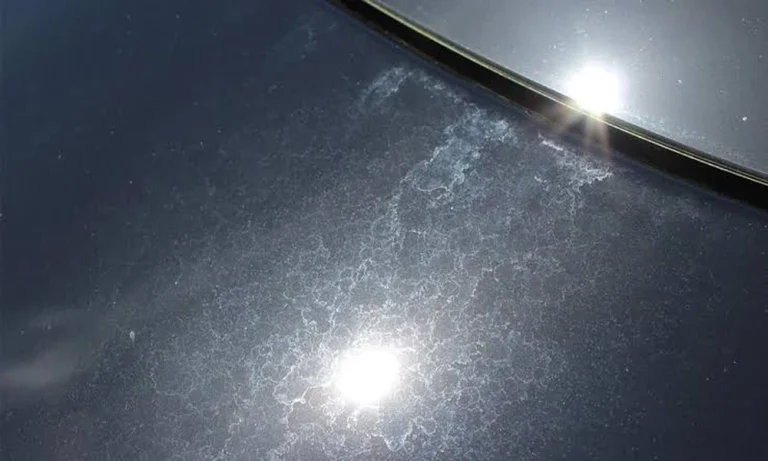
Mineral deposits sit on top of the clear coat. They’re the more common type and, fortunately, the easier one to deal with. Run a fingernail lightly over the spot and you can often feel a slight texture, but the paint underneath is unaffected.

Etched water spots are a different story. These occur when mineral-laden water is left on paint that’s been heated by the sun. As the water evaporates, it can act almost like a tiny magnifying lens, concentrating UV rays and heat on the paint’s surface. Combined with the mild acidity or alkalinity of certain minerals, this can actually eat into the clear coat, leaving behind a ring-shaped etch that no amount of washing will remove.

Telling the two apart usually comes down to touch and persistence. If a spot won’t budge after a proper wash and a light rub with a microfiber towel, it’s likely etched into the surface rather than sitting on top of it.

Where Water Spots Usually Come From

A few everyday situations are responsible for most water spotting:

  • Washing the car in direct sunlight. Water evaporates faster than it can be dried, leaving minerals concentrated on the surface.
  • Sprinkler overspray. Landscaping sprinklers often use hard, untreated water and can hit a parked car repeatedly over weeks or months.
  • Rain followed by sun. A light rain shower that dries under a hot sun behaves almost identically to a bad wash job.
  • Hose water with high mineral content. Depending on the municipal or well water supply, tap water can carry a surprising amount of dissolved solids.
  • Automatic car washes that skip a proper rinse-and-dry cycle, which can leave streaks of hard water residue across large panels.

None of these are unusual or careless habits – they’re just part of everyday car ownership. That’s exactly why water spots are so common.

How to Remove Water Spots

For surface-level mineral deposits, the fix is usually straightforward:

  1. Wash the car first. Removing loose dirt and grime prevents scratching the paint while treating the spots.
  2. Use a dedicated water spot remover or a mild acidic solution. Products formulated for mineral removal work by gently dissolving the deposits without attacking the clear coat. A diluted mixture of distilled white vinegar and water can work on light spots, but should be tested on a small area first and rinsed promptly.
  3. Avoid letting any cleaning solution dry on the paint. Ironically, this can create a second round of water spots.
  4. Dry with a clean microfiber towel, working in straight lines rather than circles, and follow up with a quick detailing spray for extra lubrication.
  5. For stubborn deposits, a clay bar treatment can lift mineral buildup that washing alone won’t remove.

If a spot remains visible after this process, it’s likely etched rather than sitting on the surface – and that requires a different approach entirely.

When Water Spots Point to a Deeper Problem

Etched water spots can’t be washed away because the damage has already reached the clear coat. Fixing them usually means machine polishing to level out the surrounding paint, which is a job that benefits from experience and the right equipment. Too aggressive a polish can thin the clear coat; too light a touch won’t fully remove the etching.

This is where a professional exterior detailing service earns its keep. A trained detailer can assess how deep the etching goes, choose the right compound and pad combination, and restore clarity to the finish without stripping away more clear coat than necessary. It’s also a good opportunity to address any other paint imperfections – light scratches, oxidation, or swirl marks – at the same time, rather than treating each issue separately down the road.

Preventing Water Spots From Coming Back

Once a car’s paint is clean and spot-free, a few habits go a long way toward keeping it that way:

  • Wash in the shade or during cooler parts of the day, ideally early morning or evening, so water doesn’t evaporate too quickly.
  • Dry thoroughly after every wash, rather than letting the car air-dry.
  • Use filtered or deionized water for the final rinse, if possible, since it carries far fewer dissolved minerals than standard tap water.
  • Apply a quality wax, paint sealant, or ceramic coating. These create a barrier that makes it harder for mineral deposits to bond directly with the clear coat, and they generally make cleanup easier.
  • Reposition the car away from sprinklers, or adjust sprinkler heads if the spotting is a recurring issue at home.

None of these steps require special equipment, but they do require consistency, which is often where car care routines fall apart during busy weeks.

Final Thoughts

Water spots on car paint are common, largely preventable, and – in most cases – not something to lose sleep over. The key is catching them early, before sun exposure has a chance to turn a light mineral deposit into a permanent etch. A quick rinse-and-dry habit after every wash solves most of the problem before it starts.

For spots that have already set in, or for anyone who’d rather leave the correction work to someone with the right tools and experience, the team at Pedraza’s Mobile Detailing has seen just about every version of this issue and can usually tell at a glance whether a car needs a simple wash or a more involved polish. Either way, understanding the cause is the first step toward keeping a paint job looking the way it did the day it left the lot.

Your vehicle requires proper care. Many drivers overlook tiny components under the hood. However, small parts keep everything running smoothly. The spark plug is one crucial element. It provides the essential fire for fuel ignition. This little part impacts overall vehicle performance significantly. Regular checkups ensure your car stays healthy. Prompt attention prevents unexpected breakdowns on busy roads. Consistent maintenance ultimately saves money and time. You must monitor your vehicle condition closely.

The Function of Spark Plugs

Sometimes, drivers do not notice early warning signs. But a failing spark plug changes engine sounds. It creates the tiny electrical arc for combustion. This spark ignites the compressed fuel mixture inside. Now, your engine relies heavily on this process. Without a strong spark, fuel burns unevenly. The car might shake during idle moments. You will feel a sudden loss of power. Acceleration becomes slow and frustratingly sluggish. Therefore, clean spark plugs are absolutely vital. The professional team at Wewerized Diesel understands this mechanism well. They inspect the electrical connections thoroughly during service.

Signs of Plug Wear

The spark plug degrades slowly over time. Carbon deposits build up on the metal tip. Consequently, the electrical gap widens too much. This gap requires more voltage to cross. The ignition system strains under this extra pressure. So, you might experience frequent engine misfires. The vehicle hesitates when you press the gas. Sometimes, the check engine light flashes brightly. This warning indicates a serious internal issue. You should never ignore these clear signals. Routine maintenance stops major damage before it starts. Experienced technicians at Wewerized Diesel identify these worn components quickly. They replace the bad parts with precision.

The Value of Inspections

Now, regular vehicle inspections offer huge benefits. A comprehensive checkup uncovers hidden mechanical problems. Mechanics examine the entire engine bay carefully. They look for worn belts and leaky hoses. This preventive care extends your car lifespan. You avoid expensive emergency repairs down the road. Small adjustments keep the system balanced perfectly. Thus, scheduling regular checkups protects your investment. Safe driving depends on reliable vehicle parts. Your family deserves a secure and stable ride. Professional mechanics handle these crucial inspections with care. They ensure every single system functions correctly.

Choosing Professional Help

You need a dependable service provider for assistance. Finding quality care transforms your ownership experience. For excellent support, choose Diesel Repair in Jonesboro, AR services. Expert mechanics use advanced diagnostic tools for accuracy. They locate the exact source of trouble easily. Proper tools prevent damage to delicate engine threads. But DIY attempts often lead to costly mistakes. Certified professionals install the correct plug type every time. This precision guarantees optimal engine performance and efficiency. So, trusting experts is the smartest choice. The dedicated team at Wewerized Diesel provides exceptional automotive solutions. They maintain high standards for every vehicle inspection.

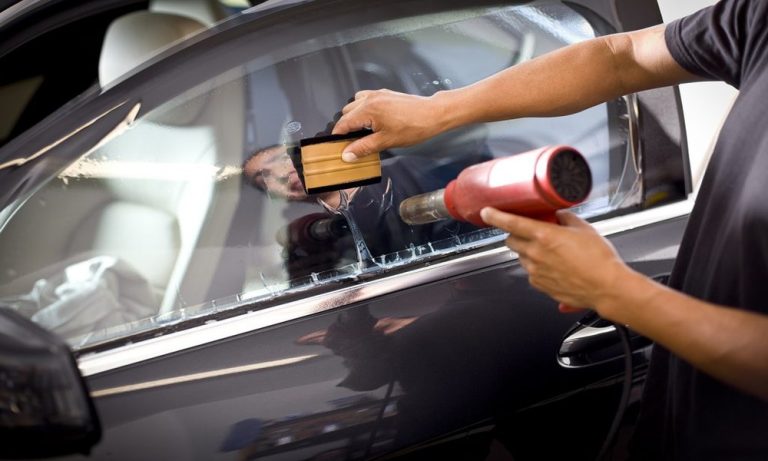
Window tinting is more than just a cosmetic upgrade. It provides valuable protection for both your vehicle and your driving experience. If you’re considering window tinting, the short answer is yes-it can help reduce heat, block harmful UV rays, improve privacy, and protect your vehicle’s interior from long-term damage.

Whether you drive a daily commuter, an exotic sports car, a classic vehicle, or a luxury SUV, quality window tinting offers benefits that go far beyond appearance.

Key Takeaways

  • Window tinting helps reduce heat inside your vehicle.
  • It blocks harmful UV rays that can damage interiors and skin.
  • Tinted windows improve privacy and security.
  • Quality window films help preserve your vehicle’s value.
  • Professional installation delivers better performance and longevity.

How Window Tinting Reduces Heat

One of the biggest advantages of window tinting is heat reduction. Direct sunlight can quickly raise cabin temperatures, especially during the warmer months.

Modern window films are designed to reject a significant amount of solar heat before it enters your vehicle. This helps keep the interior more comfortable and reduces the strain on your air conditioning system.

For owners of luxury, exotic, and classic vehicles, minimizing heat exposure can help preserve delicate interior materials for years to come.

Protection From Harmful UV Rays

Many drivers are surprised to learn that prolonged exposure to ultraviolet (UV) rays can damage vehicle interiors. Leather seats, dashboards, trim pieces, and upholstery can fade, crack, or deteriorate over time.

Professional window tinting can block up to 99% of harmful UV rays, helping maintain the appearance and condition of your vehicle. It also provides an added layer of protection for passengers by reducing UV exposure during daily driving.

Improved Privacy And Security

Tinted windows make it more difficult for outsiders to see valuables inside your vehicle. While window tint should never replace common-sense security practices, it can serve as an additional deterrent against opportunistic theft.

Privacy is especially valuable for owners transporting expensive equipment, collectibles, or personal belongings.

Preserving Your Vehicle’s Appearance

The sun can be relentless. Over time, continuous exposure can cause interior surfaces to fade and age prematurely. This can negatively impact resale value and overall vehicle presentation.

At Skyway Motorspace™, we understand how important vehicle preservation is. As a high-end facility dedicated to the care and protection of unique, exotic, classic cars, and vintage motorcycles, we regularly help owners maintain their vehicles through services such as window tinting, detailing, ceramic coatings, paint protection film, and more. For owners looking to enhance their vehicle’s appearance, we also offer options that can create a sleek, refined smoked taillight look while complementing the overall style of the vehicle.

Conclusion

Investing in professional window tinting is one of the simplest ways to improve comfort, protect your interior, and enhance your vehicle’s appearance. From reducing heat and UV exposure to increasing privacy, the benefits are clear. Whether you own a modern luxury vehicle or a cherished classic car, quality window tint can provide long-term value and protection.

Frequently Asked Questions

1. How long does window tint last?

High-quality window tint can last 10 years or more when professionally installed and properly maintained.

2. Does window tint reduce heat inside the vehicle?

Yes. Modern window films can significantly reduce heat by blocking solar energy before it enters the cabin.

3. Can window tint protect leather seats?

Yes. Window tint helps block UV rays that can cause leather and other interior materials to fade and crack.

4. Is professional installation worth it?

Absolutely. Professional installation helps prevent bubbling, peeling, and uneven application.

5. Does window tint improve privacy?

Yes. Tinted windows make it harder for people to see inside your vehicle, increasing privacy and security.

This post was written by a professional at Skyway Motorspace. Skyway Motorspace is a premier automotive facility offering secure vehicle storage, expert detailing, and precision maintenance services in the Tampa Bay area. Our mission is to provide an unmatched level of care for every vehicle, combining advanced technology, skilled technicians, and a passion for excellence. Whether you own an exotic car, classic, or daily driver, our state-of-the-art facility ensures your vehicle receives the attention it deserves. For drivers searching for detailing in Manatee County, our facility delivers high-quality protection solutions designed to preserve your vehicle’s finish and value. Choose Skyway Motorspace – where automotive excellence and personalized service meet.

The trip hadn’t really begun. Coffee was still warm. Someone was folding camping chairs that probably didn’t need folding yet. Then somebody opened the refrigerator. “It doesn’t feel cold.” Nobody rushed. Not immediately.

One person checked the power connection outside. Another pressed a couple of buttons on the control panel because, honestly, that’s what most of us do first. Push something and hope it comes back to life.

It didn’t.

That sort of morning is why people eventually search for mobile RV repair Albuquerque. Not because they woke up expecting to need help, but because trips have a funny habit of changing direction without asking first.

The Problem Everyone Sees Is Not Always The Real One

RVs can be frustrating like that. A warm refrigerator might have nothing to do with the refrigerator. Weak shore power, a tired battery, a faulty converter or even a loose electrical connection somewhere else can send people looking in completely the wrong direction. Water is even worse.

A damp floor beside the bathroom makes you think the bathroom is leaking. Then someone removes a panel and discovers the water started near the kitchen.

It feels unfair somehow. The clue is standing in one place. The answer is hiding somewhere else. That little stretch of hopeful guessing happens in plenty of driveways and campgrounds.

The Quiet Part Of Every Repair

Most people imagine repairs are noisy. Funny enough, the quiet moments usually last longer. A technician plugs in a meter.

Checks voltage. Looks at a fuse panel. Stops for a second. Looks again.

Nobody says much because everyone is trying to work out the technician’s expression more than the equipment. If they keep checking the same area, people start wondering whether that’s good news or bad.

Meanwhile someone makes sandwiches anyway. The dog falls asleep under the picnic table. Kids carry on like nothing unusual is happening. Life doesn’t completely stop just because an RV decided to misbehave.

Small Things Leave Clues

Looking back is almost irritating. The air conditioner had been taking longer to cool. The slide out sounded slightly different last month. One GFCI outlet needed resetting twice.

A cabinet door wouldn’t quite stay shut. Each one seemed too small to matter. Then after the repair those moments suddenly line up, almost like puzzle pieces that nobody realised belonged together. Maybe they did. Maybe they didn’t.

Not every strange noise means trouble. That’s probably why RV ownership teaches patience as much as anything else.

For many travellers, mobile RV repair Albuquerque simply fits into that reality. The RV stays where it is, the problem gets investigated instead of guessed at, and before long people are talking about tomorrow’s drive again instead of what went wrong this morning.

Most drivers ask this question right after seeing the price. You hand over your keys, get back a car that looks better than the day you bought it, and then wonder whether the result was worth what you paid. It’s a fair thing to question. Detailing isn’t a fixed-price commodity like an oil change, and the range you’ll see quoted can feel confusing.

So let’s skip the sales pitch and look at what you’re actually buying, what it tends to cost, and when the spend makes sense versus when a bucket and a free Saturday would do the job just as well.

Detailing Isn’t the Same as a Car Wash

The first source of confusion is the word itself. A car wash removes surface dirt. Detailing is a deeper restoration of both the exterior and interior, done largely by hand, with the goal of getting a vehicle as close to its original condition as the materials allow.

On the outside, that can mean a clay bar treatment to lift bonded contaminants the soap leaves behind, machine polishing to reduce swirl marks, and a protective layer such as wax, a sealant, or a longer-lasting ceramic coating. On the inside, it usually involves vacuuming, steam cleaning, shampooing upholstery and carpets, conditioning leather, and treating the dashboard, vents, and door panels.

The distinction matters because it explains the cost. You aren’t paying for soap and water. You’re paying for labor, technique, and time.

The Honest Cost Breakdown

Prices vary by region, vehicle size, and the condition you’re starting from. A neglected SUV with pet hair and ground-in dirt takes far longer than a lightly used sedan. With that caveat, here are the ballpark figures you’ll encounter in most markets:

  • Basic exterior or interior package: roughly $50 to $125. Think a solid wash, wax, vacuum, and wipe-down. Good for routine upkeep.
  • Full interior and exterior detail: roughly $150 to $300 for most cars, more for large or heavily soiled vehicles. This is the comprehensive clean most people picture.
  • Paint correction: roughly $300 to $1,000+. This is skilled, multi-stage machine work to remove scratches and oxidation, and it’s priced accordingly.
  • Ceramic coating: roughly $500 to $2,000+, depending on the product, number of layers, and prep work involved.

The spread is wide because the work isn’t standardized. The detailing industry is, as the International Detailing Association notes, largely unregulated, with no federal licensing requirements. That means quality and pricing depend heavily on the individual operator, which is exactly why understanding what’s included matters more than chasing the lowest number.

What You’re Actually Paying For

A full detail can take a single technician three to six hours of focused work. Paint correction can stretch across a full day. When you break the price down by the hour, the labor rate is often modest for skilled manual work.

You’re also paying for materials that aren’t cheap at professional grade, the equipment most people don’t own, like dual-action polishers, extractors, and steamers, and the judgment to know which products and pads suit your specific paint and trim. A detailer who picks the wrong compound can do real damage. Experience is part of the price, and it’s the part that’s hardest to see on an invoice.

When the Spend Is Genuinely Worth It

Detailing earns its cost in a few clear situations:

You’re selling or returning the car. A clean, well-presented vehicle photographs better and signals that it was cared for. Buyers notice, and the cost of a detail is small next to the difference it can make in negotiation. The same logic applies to lease returns, where a thorough cleaning can help you avoid wear-and-tear charges.

You plan to keep the car for years. Protective work like a quality sealant or ceramic coating slows down paint oxidation and makes routine washing easier. Spread across a long ownership period, prevention is usually cheaper than correction.

The interior has a problem you can’t fix. Pet hair, spilled coffee, smoke odor, or allergens often need extraction equipment and steam to remove properly. This is where a professional clean clearly outperforms a home effort.

Your time is genuinely scarce. A proper detail is hours of work. If those hours are worth more to you elsewhere, outsourcing is a reasonable trade.

When You Can Probably Skip It

Honesty cuts both ways. If your car is newer, garage-kept, and you wash it regularly, a full professional detail may be overkill. A maintenance wash and the occasional wax can keep a well-treated vehicle looking sharp for far less money. Paying for paint correction on a car with no real defects is spending on a problem you don’t have.

There’s also a middle path worth knowing about: mobile services that come to your home or office. Skipping the drive and the wait removes the main inconvenience of the traditional shop model, and providers like Cargo Detailing have built their approach around that convenience without sacrificing the depth of the work.

DIY Versus Hiring a Pro

A capable owner with the right products can handle washing, waxing, and basic interior cleaning at home, and there’s satisfaction in doing it well. The honest limits show up with the technical tasks. Machine polishing carries a real risk of burning through paint if you’re inexperienced, and a botched ceramic coating application can leave streaks that have to be sanded out.

There’s an environmental angle too. The U.S. Environmental Protection Agency classifies untreated car-wash runoff as a pollutant because detergents, oils, and road grime flow from driveways into storm drains and waterways. Professional operations are generally set up to capture or properly dispose of that water, which a driveway wash usually isn’t.

The practical rule: do the routine, lower-risk work yourself, and bring in a professional for paint correction, coatings, and deep restoration where the margin for error is thin.

How to Choose a Detailer Without Overpaying

Because the field is unregulated, a little vetting protects your wallet:

  • Ask exactly what’s included. A clear, itemized scope tells you more than the headline price. Vague packages are where unpleasant surprises live.
  • Look for relevant training or certification. Credentials from a recognized body signal that someone took the craft seriously, even if they aren’t legally required.
  • Read recent reviews with photos. Before-and-after images from real customers reveal the quality of the actual work, not just the customer service.
  • Match the service to your goal. If you want a clean car for a sale, you don’t need a full coating package. Booking a focused, well-scoped comprehensive detailing service tailored to what your vehicle actually needs keeps you from paying for extras that don’t move the needle.

The Bottom Line

Professional detailing is worth it when it solves a problem you can’t easily solve yourself, protects a car you intend to keep, or improves what you’ll get when you sell. It’s less compelling when your vehicle is already in good shape and you have the time and inclination to maintain it.

The smartest approach isn’t “always pay” or “always DIY.” It’s matching the level of service to your situation, understanding what each tier of work involves, and treating the price as the cost of skilled labor and protection rather than a luxury splurge. Seen that way, the question stops being whether detailing is worth it in general, and becomes whether this detail, on this car, at this moment, makes sense for you.

A comfortable cabin improves every drive. The air conditioning system creates that comfort. Many parts support this process daily. The condenser plays a vital role. It helps remove unwanted heat efficiently. The cooling process depends on proper function. A healthy condenser supports reliable airflow. So, drivers enjoy better comfort during travel.

Understanding The Purpose of a Condenser

The condenser works beside other components. It releases heat from refrigerant quickly. Hot refrigerant enters the condenser first. Cool outside air passes through fins. The trapped heat leaves the system gradually. This process prepares refrigerant for reuse. The cooling cycle continues smoothly afterward. The condenser supports steady cabin temperatures during changing weather conditions.

A damaged condenser reduces cooling efficiency. Airflow becomes weaker across the cabin. Sometimes cooling performance drops unexpectedly. The system then works much harder. Extra strain affects nearby components. The overall driving experience becomes uncomfortable. Proper maintenance helps prevent these concerns.

How Heat Removal Improves Cooling

Heat removal is the condenser’s main task. Refrigerant carries heat from inside. The condenser releases that heat outside. The remaining refrigerant cools effectively afterward. This process supports strong cooling performance. The cabin reaches comfortable temperatures faster.

Blocked condenser fins reduce efficiency greatly. Dirt and debris restrict airflow. The heat remains trapped longer. Cooling performance decreases over time. Garrin’s Automotive often explains this issue. Professional inspections help identify early damage. Small repairs can prevent larger problems later.

Common Condenser Problems and Effects

Road debris can damage condenser surfaces. Small impacts create leaks sometimes. Refrigerant then escapes from the system. Cooling strength declines very quickly. Strange performance changes may appear. Warm air can enter the cabin. The system may cycle improperly.

Corrosion also affects condenser durability. Moisture exposure creates gradual deterioration. Small leaks often develop unnoticed. Garrin’s Automotive recommends routine inspections. Early detection protects system performance. Timely service supports reliable operation. The cooling system remains dependable longer.

Why Regular Maintenance Matters

Regular maintenance protects condenser condition. Clean surfaces improve heat transfer. Technicians inspect fins and connections carefully. They also check refrigerant movement. Small concerns receive prompt attention. The system performs more efficiently afterward.

Professional service improves overall reliability. Drivers avoid many unexpected issues. The cooling system lasts longer. Auto AC Repair in Lehi, UT helps address condenser concerns before major failures develop and create costly repairs. Proper maintenance also supports better driving comfort throughout changing seasons.

Supporting Long-Term Air-Conditioning Performance

A healthy condenser benefits the entire system. Every cooling cycle depends on it. Efficient heat removal supports strong airflow. The cabin remains pleasant and comfortable. Drivers experience better cooling consistency. The system requires less effort.

Conclusion

Now routine care delivers long term value. Clean components perform more effectively. Prompt repairs prevent unnecessary strain. Garrin’s Automotive helps drivers maintain dependable cooling systems through professional inspections and quality automotive service. A well-maintained condenser supports comfort and reliable performance during every journey.

The alternator plays a vital role in your vehicle. It generates electricity for all the electrical components. A weak alternator can cause sudden vehicle breakdowns. Many drivers face unexpected electrical failures quite often. Regular maintenance prevents these frustrating vehicle issues. You can rely on professional mechanics for assistance. Modern cars depend heavily on continuous electrical power.

Understanding Alternator Failure in Vehicles

Your vehicle relies on a steady electrical charge. The alternator powers the lights and the radio. It also charges your battery while you drive. A failing alternator creates immediate operational problems. You might notice dimming headlights during night driving. This happens because the electrical output drops significantly.

The Signs of a Failing Charging System

You may hear strange noises under the hood. A whining sound often indicates a bad bearing. That noise increases when you accelerate the vehicle. Grinding sounds also mean internal components are worn. Sometimes, a burning rubber smell fills the cabin. This scent comes from a slipping alternator belt. The belt creates friction when it slips badly. This friction generates extreme heat very quickly. Auto Repair in Albany, OR experts can fix these issues easily.

How Electrical Components Experience Malfunctions

The power windows might operate very slowly now. The radio could turn off without warning. Heated seats fail to warm up properly today. These accessories demand a lot of electrical current. A weak alternator cannot support these heavy loads. The vehicle computer system will prioritize essential functions. It shuts down non-essential items to save power.

Dead Batteries and Alternator Connections

A dead battery often mimics alternator failure closely. You can jump start a dying vehicle battery. But the engine might stall soon after. This happens because the alternator fails to charge. It cannot maintain the required electrical current alone. Loose wiring connections also cause severe charging problems. Corrosion builds up on the terminal wires over time. B & B Auto Repair provides excellent electrical diagnostic services for cars.

Conclusion

Electrical problems require specialized diagnostic tools today. Experienced mechanics pinpoint the exact failure point quickly. They test the voltage output under heavy loads. This test reveals the true health of alternators. Prompt action prevents complete electrical system failures. B & B Auto Repair delivers reliable automotive solutions for your peace of mind.

FAQs

What Are the Main Signs of Alternator Failure?

Dim headlights and weak electronics indicate alternator failure.

Can A Bad Alternator Ruin A New Battery?

Yes, a faulty alternator drains batteries completely. It can also overcharge and destroy battery cells.

How Long Do Car Alternators Usually Last?

Most vehicle alternators last for many miles. They typically function well for seven years or more.

Can I Drive with A Failing Alternator?

Driving with a weak alternator is very risky. The vehicle could stall in heavy traffic suddenly.

Where Can I Get My Alternator Tested?

B & B Auto Repair offers comprehensive charging system tests for drivers.