Tag

Auto Repair

Browsing

The majority of contemporary cars come equipped with power door locks as standard, which provide convenience and increased security. They are prone to deterioration over time, though, just like any mechanical system. The power locks on your car need to be inspected on a regular basis to make sure they are operating properly and keeping you and your passengers safe. Your car’s security may be jeopardized by a broken power lock, which would make it simpler for unauthorized people to enter. You may see such problems early and fix them before they become bigger ones by frequently inspecting the locking mechanism. This proactive strategy helps to preserve your car’s general safety and safeguard your possessions.

Preventing Costly Repairs

Ignoring routine power lock inspections can eventually result in more involved and expensive repairs. If caught early, minor problems like a loose connection or a failed actuator are frequently rather simple to remedy. These small issues, however, have the ability to harm other locking system parts and necessitate a replacement if ignored. By including power lock inspections in your regular auto maintenance, you can identify these small problems before they become more serious ones. For reliable power lock maintenance and repairs, Auto Repair in Eugene, OR offers expert services to ensure your vehicle’s locking system remains in top condition. This preventative maintenance strategy ultimately saves you money by preventing costly replacements and labor expenses.

Maintaining Convenience and Functionality

Power door locks improve accessibility and convenience. Locking and unlocking all car doors with one button simplifies daily activities and increases security. An efficient structure provides comfort and authority. However, power lock failures are frustrating, especially when security is crucial. This emphasizes the importance of maintaining these systems. Power locks need regular maintenance to work properly. Preventing and fixing system issues early can save you time and keep your convenience.

Extending the Lifespan of Your Vehicle

The lifespan of your car can be greatly increased with routine maintenance, which includes power lock inspections. You can stop minor problems from further harming other components by taking quick care of them. By taking this proactive approach, you can keep your car in top shape and ensure that it will continue to operate dependably for many years to come. Power locks may appear insignificant, but they increase your car’s value and durability when working properly.

Conclusion

One easy yet efficient method to guarantee your convenience, safety, and security is to incorporate power lock inspections into your routine auto maintenance program. Make sure to discuss any issues with the power locks with your mechanic and refer to the owner’s manual for recommended maintenance intervals. You can prevent any problems and keep your car safe and your power locks operating properly for many years to come by making these regular check-ups a priority.


Experiencing distorted sound from your car radio can be both frustrating and distracting while driving. Whether it’s a slight fuzz or a complete lack of clarity, distorted sound can affect the quality of your listening experience. Several factors can contribute to distorted sound, ranging from issues with the radio’s settings to problems with the speakers or electrical system.

Issues with the Radio’s Settings

One of the first things to check when dealing with distorted sound is the radio’s settings. Incorrect equalizer settings or high levels of bass, treble, or volume can cause the sound to become distorted. If the equalizer is set too aggressively, it can push the speakers beyond their capacity to produce clear sound. Adjusting the settings to more moderate levels can often resolve the distortion. If your car radio has specific sound presets, it’s worth testing different configurations to find a balance that minimizes distortion and provides clear, high-quality sound.

Faulty or Damaged Speakers

Another common cause of distorted sound is a problem with the car’s speakers. Over time, speakers can become damaged due to excessive volume, wear and tear, or physical impact. A blown speaker or damaged speaker cone can cause the sound to distort, especially at higher volume levels. If the distortion only occurs through certain speakers or is more noticeable at specific frequencies, it’s likely a speaker-related issue. Replacing the damaged speakers or repairing the cones will restore clear sound and prevent further damage to the audio system. Choosing the Auto Repair in Marietta, GA based service can work in addressing such cases.

Problems with the Wiring and Connections

Distorted sound can also be caused by issues with the wiring and connections in the car’s audio system. Loose, frayed, or corroded wiring can disrupt the flow of electrical signals to the speakers, leading to poor sound quality. Faulty or damaged connectors between the radio, amplifier, and speakers can also cause the sound to become distorted or intermittent. Inspecting the wiring and connections for any visible damage or signs of wear is an essential step in addressing sound distortion.

Car Radio

Interference from the Electrical System

Electrical interference from other components in the vehicle can also contribute to distorted sound. Alternator noise, which occurs when electrical interference from the alternator is picked up by the radio’s system, can cause a buzzing or static sound. This type of interference can be particularly noticeable when the car is idling or under certain driving conditions. Installing a noise filter or upgrading the grounding system can help eliminate electrical interference and restore clear sound.

Conclusion

Distorted sound from your car radio can be caused by a variety of factors, including incorrect settings, damaged speakers, faulty wiring, or electrical interference. Identifying the specific cause of the distortion is key to addressing the issue and restoring high-quality sound. By adjusting the radio settings, inspecting the speakers and wiring, and addressing any electrical interference, you can improve your listening experience and prevent further damage to your car’s audio system.

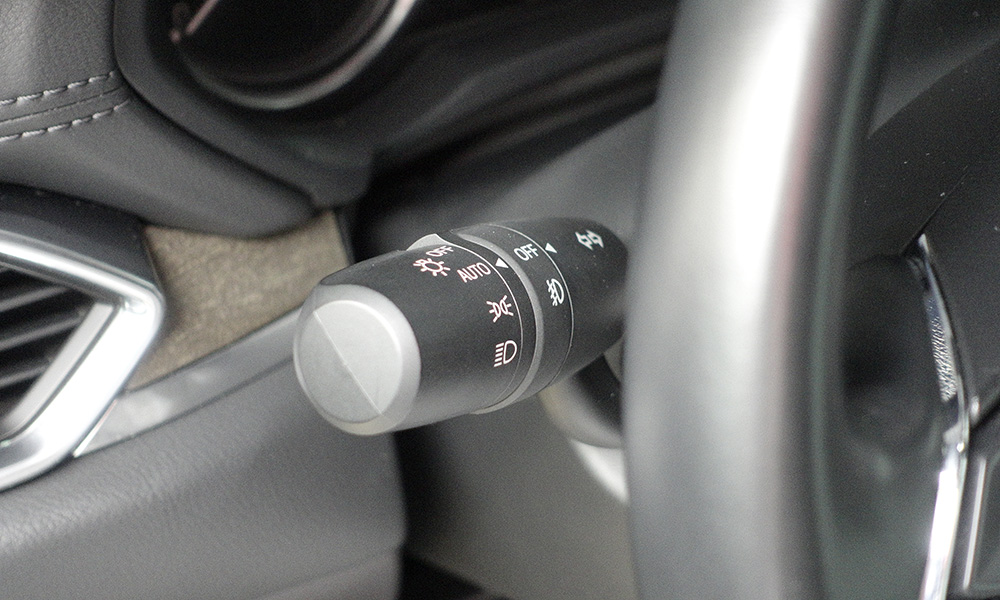
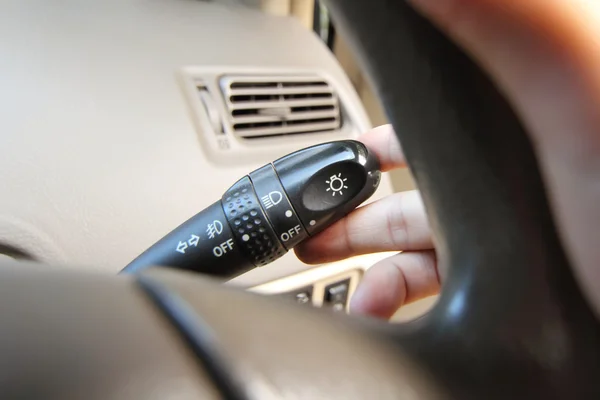
The stalk control, also known as the turn signal lever or switch, is a key component in your vehicle’s signaling system. It allows drivers to activate their turn signals, windshield wipers, and other functions with ease. However, when the turn signal stalk malfunctions, it can lead to a range of issues, from non-functioning signals to problems with other controls. Repairing problems with the stalk control requires careful attention and expertise to ensure it functions properly and safely.

Diagnosing the Problem with the Stalk Control

The first step in repairing a faulty turn signal stalk control is diagnosing the problem. A mechanic will inspect the stalk to determine whether it’s physically damaged or if there’s an electrical issue preventing the turn signals from activating. Common symptoms of a faulty stalk control include the turn signals not responding, the stalk feeling loose or unresponsive, or the signals blinking too quickly or slowly. The technician will check the wiring connections to ensure there are no shorts or disruptions in the circuit. Once the problem is pinpointed, the mechanic can proceed with the appropriate repair. Opting for the Auto Repair in Franklin, KY based service would be essential here.

Inspecting the Turn Signal Lever and Switch Mechanism

If the turn signal stalk is the source of the malfunction, the mechanic will carefully inspect the lever and its internal switch mechanism. Over time, the switch can become worn or sticky due to constant use. Dirt, dust, or debris can also get inside the stalk, causing it to stick or fail to make proper contact with the wiring inside. In this case, the mechanic may disassemble the steering column and remove the stalk to examine the internal parts.

Turn Signal

Repairing or Replacing the Stalk Control

Once the issue is identified, the mechanic will determine whether a repair or a full replacement is necessary. If the stalk control is malfunctioning due to a small issue, such as dirt or corrosion, cleaning and lubricating the parts may solve the problem. However, if the stalk is physically damaged or the internal switch is no longer working properly, replacement may be required. Replacing the turn signal stalk often involves removing the steering wheel and carefully disconnecting the old stalk before installing a new one.

Testing the System After Repair

Once the repair or replacement is completed, the mechanic will test the turn signal system to ensure it’s working correctly. This includes checking both the left and right turn signals, as well as the automatic cancellation feature that deactivates the signal once the turn is completed. The mechanic will also ensure that the stalk control is securely reassembled and functions smoothly without any loose or stuck parts. After testing, the vehicle will be returned to the owner with a fully functional turn signal system.

Conclusion

Turn signal repairs related to the stalk control require a systematic approach to diagnosis and repair. Whether the issue is a simple buildup of dirt or a more complex electrical problem, addressing the malfunction promptly is crucial for maintaining safe driving practices.

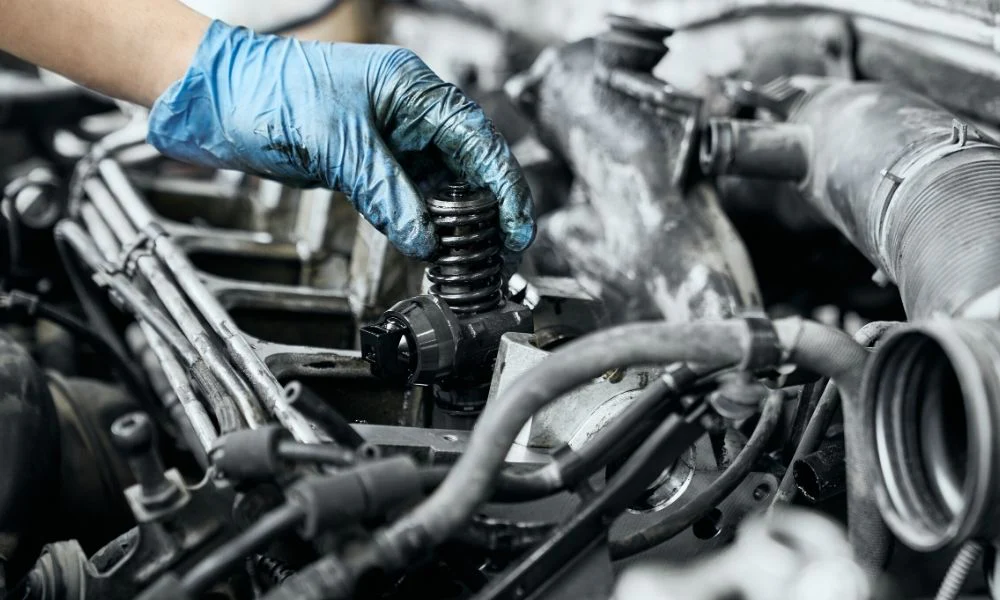
The future of diesel automobiles and their maintenance is a topic of significant interest as the automotive industry evolves. Historically, diesel engines have been favored for their torque and fuel efficiency; however, recent advancements in alternative powertrains and growing environmental considerations are reshaping the landscape of vehicle repair. This article explores the future of diesel vehicle maintenance, considering regulatory changes, technological advancements, and the increasing significance of sustainability.

Advancements in Diesel Engine Technology

The domain of diesel auto repairs is poised for transformation as a result of advancements in technology. Advanced electronics and sophisticated management systems that enhance performance and reduce emissions are increasingly prevalent in contemporary diesel engines. Future repairs are likely to require a greater emphasis on diagnostic and electrical work, rather than relying solely on traditional mechanical solutions, due to this transition. Technicians will need to possess advanced diagnostic tools and software upgrades, as well as a comprehensive understanding of complex engine management systems. Automotive professionals are required to engage in continuous training and education to remain informed about advancements in technology and repair methodologies due to this evolution.

The Impact of Regulatory Measures on Emission Levels

The evolving requirements and maintenance protocols for diesel automobiles are significantly influenced by the implementation of more stringent emission standards. Governments around the world are enacting more stringent regulations aimed at reducing pollution levels, including nitrogen oxides (NOx) and particulate matter. Consequently, emission control technologies such as selective catalytic reduction (SCR) systems and diesel particulate filters (DPFs) have become standard in diesel vehicles. The repair of these components necessitates the use of specific tools and expertise. Moreover, adherence to these regulations may necessitate more regular maintenance and repairs to ensure compliance, potentially increasing the overall cost of ownership for diesel vehicle owners. For that, choosing the Auto Repair in North Kingstown, RI based service is essential here.

Diesel Vehicle maintenance

Transition to Electrification and Alternative Fuels

The future development of diesel auto repairs will be significantly influenced by the increasing trend towards electrification and the adoption of alternative fuels. The maintenance of diesel engines is likely to diminish as the automotive industry progressively shifts towards electric and hybrid vehicles. Diesel vehicles are expected to remain in operation on our roads for an extended period, indicating that this transition will not occur rapidly.

The increasing significance of data and connectivity

The role of data and connectivity is increasingly significant in the realm of automobile maintenance. Modern diesel vehicles are equipped to monitor engine performance and diagnostics in real time, utilizing advanced telematics and networking technologies. These devices facilitate proactive maintenance by alerting owners and repair facilities to potential issues before they escalate into more serious problems. It is anticipated that predictive maintenance solutions, utilizing data analytics to anticipate potential component failures, will see increased adoption in the future. This strategy effectively reduces maintenance expenses and minimizes downtime, thereby enhancing the overall driving experience for diesel vehicle owners.