3D printing technology is rapidly revolutionizing various industries, and the automobile industry is no exception. The ability to print intricate and complex parts has opened up new opportunities for customization and innovation in car design. In this article, we will explore the role of 3D printing in vehicle customization and how it is changing the way we approach car design.
What is 3D Printing?
3D printing is a process of creating three-dimensional objects by layering materials, typically plastic or metal, until the object is complete. The printer reads a digital file and creates the object based on the design. This technology has been used for prototyping and manufacturing for several years, but it is now being used to customize vehicles.
Benefits of 3D Printing in Vehicle Customization
One of the biggest benefits of 3D printing technology is the ability to create customized parts quickly and easily. In the past, customization was limited to aftermarket parts that may or may not fit properly. With 3D printing, a designer can create a custom part specifically for the vehicle and print it out within hours.
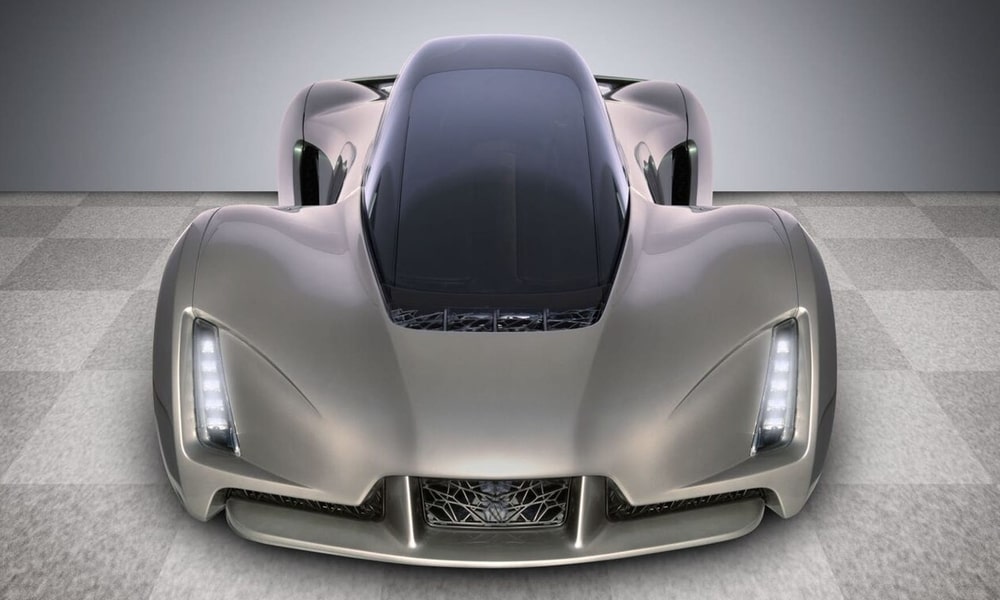
Another benefit of 3D printing is the ability to create complex shapes and designs that would be impossible with traditional manufacturing techniques. This allows for greater creativity in vehicle design and opens up new possibilities for customization.
Examples of 3D Printing in Vehicle Customization
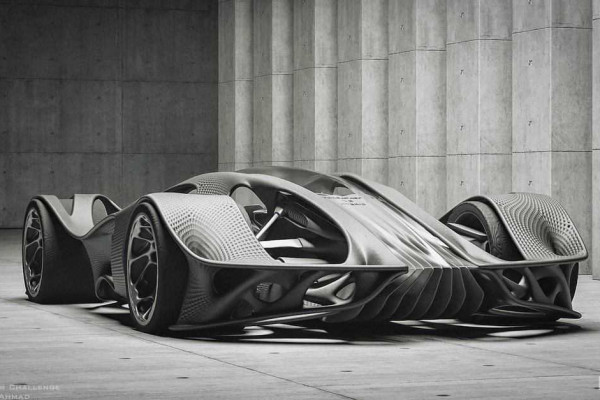
3D printing technology has been used in a variety of ways to customize vehicles. Here are just a few examples:
- Custom Grilles: Car enthusiasts can create their own unique grilles using 3D printing technology. These grilles can be designed to fit specific models and can be made from a variety of materials.
- Interior Parts: Custom interior parts, such as dashboards and center consoles, can be 3D printed to match the style and color scheme of the vehicle.
- Exterior Parts: Body panels, spoilers, and other exterior parts can be 3D printed to create a unique look for the vehicle.
- Performance Parts: 3D printing technology can be used to create custom performance parts, such as intake manifolds and exhaust systems, that can improve the performance of the vehicle.
Challenges of 3D Printing in Vehicle Customization
While 3D printing technology offers many benefits for vehicle customization, there are also some challenges to consider. One of the biggest challenges is the cost of the technology. 3D printers can be expensive, and the cost of materials can add up quickly.
Another challenge is the issue of durability. While some 3D printed parts are durable enough for everyday use, others may not be able to withstand the wear and tear of daily driving. This is especially true for parts that are exposed to extreme temperatures or high levels of stress.
The Future of 3D Printing in Vehicle Customization
Despite the challenges, the future of 3D printing in vehicle customization looks bright. As the technology becomes more affordable and materials become more durable, we are likely to see more and more customized vehicles on the road. The ability to create unique and personalized vehicles using 3D printing technology is an exciting development in the world of car design.
In conclusion, 3D printing technology is changing the way we approach vehicle customization. The ability to create custom parts quickly and easily, as well as the ability to create complex shapes and designs, is opening up new possibilities for customization and innovation in car design. While there are challenges to overcome, the future looks bright for 3D printing in the automobile industry.