
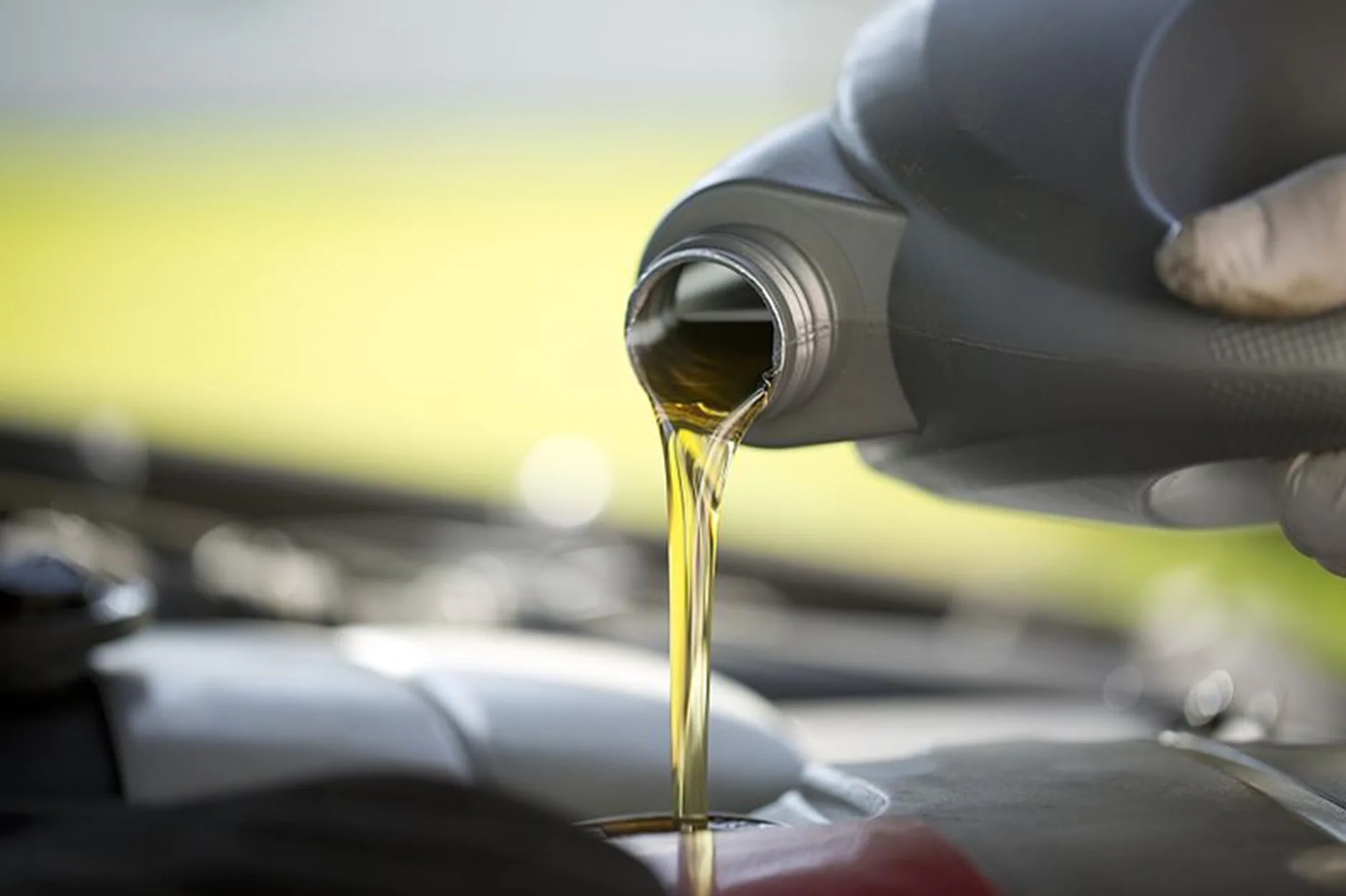
Diesel additives are individual of the most puzzling topics for truck owners. Walk into any automobile parts store, and you’ll find shelves full of bottles claiming to boost capacity, improve fuel economy, clean injectors, prevent gelling, and even “fix lost strength.” With so many promises, it’s fair to ask: Do engine additives indeed work, or are they just clever shopping?
Read the article below for more details.
Cetane Boosters: Useful for Smoother, Quieter Combustion
Cetane number is crucial in engine performance cause it determines by means of what quickly fuel ignites under condensation. Higher cetane generally results in smoother explosions, quieter movement, and easier cold starts. You can also consult with experts like Dave’s Auto Repair.
1. What They Do
- Improve cold-start accomplishment
- Reduce engine knock and noise
- Increase combustion adeptness
2. When They Work Best
Cetane boosters are particularly beneficial for:
- Older diesel tools
- Cold climates
- Fuel with contradictory quality
They do not considerably increase power or fuel rate on their own. Their main benefit is improving drivability and lowering stress on the engine during startup. You can also visit shops for Auto AC Repair in Goshen, IN.
Lubricity Additives: Helpful for Modern Low-Sulfur Diesel
Ultra-low sulfur engine (ULSD) burns cleaner but uniformly has less lubrication. Modern, excited fuel pumps and injectors rely massively on lubricity in order to avoid wear.
1. What They Do
- Reduce friction inside the fuel supply
- Extend injector life
- Prevent untimely wear in the high-pressure structure
2. When They Work Best
They are useful in:
- Older engines designed before ULSD
- High-rate diesel vehicles
- Trucks with injector or push wear symptoms
While ULSD meets minimum lubricating requirements, preservatives can provide an extra coating of protection—particularly for older engines.
Water Dispersants: Effective Only in Certain Situations
Water contamination is an important enemy of engines. Dispersant supplements can break water into tiny beads so it passes safely through the system.
1. What They Do
- Help prevent injector damage
- Reduce bacterial growth in fuel tanks
- Improve diesel balance
2. When They Work Best
These are most helpful when:
- Fuel sits for long periods
- Equipment is stocked outdoors
- Drivers periodically get adulterated fuel
However, they do not fix severe water adulteration. Large amounts of water require draining the tank and replacing filters.
Additives That Rarely Work: Power Boosters & MPG Enhancers
Some preservatives promise dramatic strength increases, massive fuel funds, or engine “renovation.” These claims are usually embellished. You can also consult with experts like Dave’s Auto Repair.
Why They Don’t Help Much
- Diesel performance depends thickly on air, boost pressure, and tuning—not additives
- Fuel economy is influenced by driving habits, load, and engine condition
- No additive can repair used mechanical elements
Conclusion
Diesel supplements are not all hype. Many of them serve very specific—and very real—purposes. So, choose according to your choice.

Comments are closed.