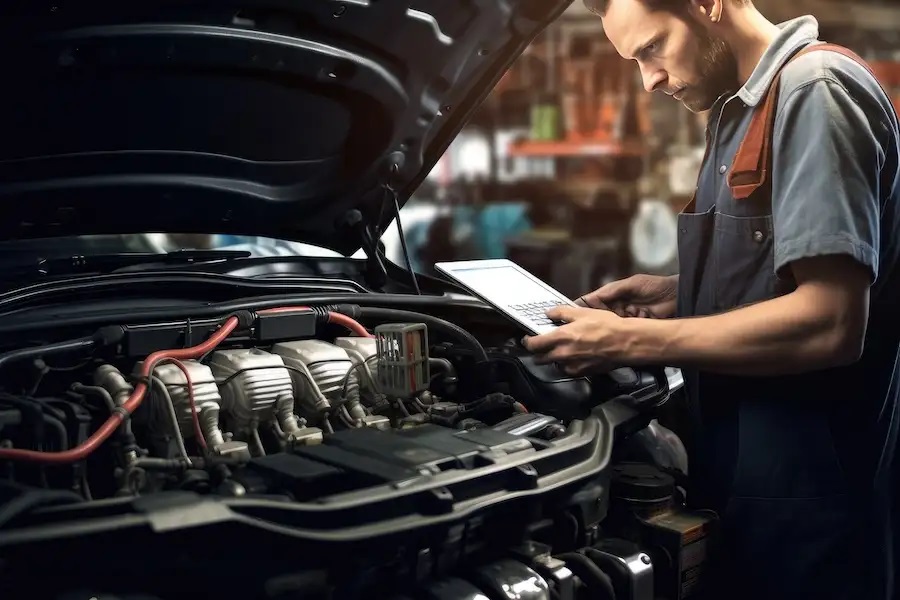
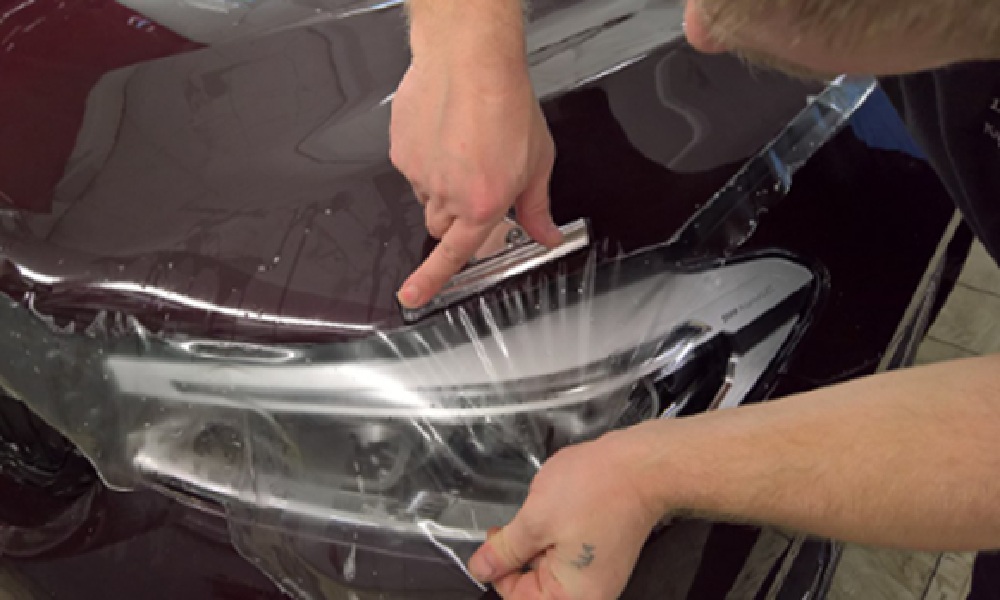
Maintenance affects automotive safety, performance, and reliability. Choosing a repair shop with qualified technicians, fair costs, and customer respect will keep your cars in good condition. Honest and educated engineers who understand about each car’s needs and recommend the correct parts, notably oil, develop trust. As the best Auto Repair shop in Gering, NE, this method means faster service and long-lasting happiness.
Exceptional Value and Respectful Service
Respecting customers and pricing fairly is the foundation of excellent car care. Knowledgeable professionals recommend vehicle-specific services rather than unneeded ones. Respect and honesty build deep, valued client relationships.
Tailoring Oil Levels to Your Vehicle
Your car will last longer if you replace the oil often. Oil that stops greasing and stresses the engine can be old. Engine parts stay clean and efficient with regular oil changes. Engines function better and sustain less damage when oil is changed regularly.
What to Expect During Oil Servicing
Learn what kind of car it is, when it was produced, and what make it is. These things assist techs decide between ordinary oil, semi-synthetic oil, synthetic blend oil, and complete synthetic oil. Choose the proper oil for your car so that it runs smoothly and gets the best viscosity and speed.
Commitment to Trust and Transparency
Good car maintenance starts with honesty. Service providers who properly explain their task, fees, and results are easy to trust. You build trust in your advice and give clients the power to make smart maintenance choices by keeping them up to date at every stage, even after the work is done.
Comprehensive Repair and Maintenance Services
A full-service approach ensures critical systems work. Modern diagnostic equipment allow experienced technicians to swiftly discover and rectify problems, major or small, to improve car performance.
Convenience Through Easy Appointments
For busy drivers, making auto care easy to get is important. Online and phone consultations allow customers to seek support at their convenience. Fast and accurate diagnostics, oil checks, and tire rotations let drivers focus on safety and peace of mind without changing their schedules.
The Competitive Edge in Customer Care
Excellent auto repair stands out because they pay attention to every detail and care about their consumers. Attention to client concerns, thorough explanations, and good work distinguish technicians. This care fixes mechanical flaws and builds consumer confidence and loyalty.
Conclusion
A good vehicle repair service values honesty, respect, and competence over technology. Professionals change the oil, do diagnostics, and do preventative maintenance to keep cars running smoothly with Auto Repair in Gering, Ne. Pick an auto repair shop in Gering, Nebraska that places honesty, talent, and value above everything else. With this mix, every mile of road is safe, smooth, and well taken care of.
Purchasing a car with built-in digital tools and navigation does not have to entail going broke. Pre-owned models that provide amazing technology features at a fraction of the initial price are increasingly sought after by many consumers. The need for reasonably priced, convenient vehicles has resulted in a larger range of choices on the market. Clients searching for used cars in fort myers may now examine models that combine value with innovation to provide ease, internet access, and trust on the road.
Technology Improves Driving Experience
Modern cars include more than simply basic capability. Many practically priced secondhand vehicles nowadays include combined technology that improves ease and safety. Drivers are enjoying the conveniences traditionally reserved for luxury models, from simple dashboard controls to urbane entertainment systems. These characteristics enable drivers to remain linked and more informed during their travels, therefore smoothing their daily driving and increasing its enjoyment. For those wishing to experience modern-day facilities without sacrificing their budget, used vehicles with such developments provide outstanding value for money and make a wise choice.
Smart Choices That Fit Your Lifestyle
Picking the appropriate used automobile means aligning the aspects of your routine with those of the vehicle. Whether it’s daily travel, weekend excursions, or commercial travel, having built-in technology can really help. Beyond simply navigation, technologically advanced automobiles increase comfort and utility. Many of the models on the used market have these characteristics without calling for a premium price. Those who intend to sell my car fort myers can even see improved resale value if their car has appealing tech since consumers are giving digital features top priority when deciding what to buy.
Finding Value Without Compromise
Affordability need not imply sacrificing convenience or quality. Many used cars come from reliable sources with well-kept interiors, great mechanical dependability, and completely working tech systems. Those who take the time to evaluate features and weigh several manufacturers may often find machines that feel shockingly modern despite their less expensive price tags. Certified choices or ones with a solid service record can provide long-lasting pleasure and help to control costs. The key is to strike the proper mix between comfort, capability, and cost.
For drivers of today, reasonably priced used automobiles with built-in navigation and computer tools present a convincing choice. They remain easily available to a wide spectrum of budgets and satisfy the increasing need for innovation. By means of careful shopping and well-defined criteria, consumers can choose a car that improves their daily experience free from financial burden.
If you’re a fan of the Dark Knight, there’s no better way to showcase your passion than by adding a Batman decal for car to your ride. Whether you’re cruising downtown or parked at a local meet-up, a sleek Batman decal not only enhances your vehicle’s appearance but also broadcasts your admiration for one of the most iconic superheroes of all time.
In this comprehensive guide, we’ll explore everything you need to know about choosing, applying, and maintaining Batman decals for cars. Plus, we’ll share tips on styling your vehicle to complement the decal and introduce you to trusted sources for high-quality wraps and decals, including a trusted resource like 10kwraps.com.
Why Choose a Batman Decal for Your Car?
Batman is more than just a comic book character — he’s a symbol of justice, mystery, and sophistication. Adding a Batman decal to your car isn’t just about fandom; it’s about making a statement.
Express Your Personality
A Batman decal is a bold expression of your personal style and interests. It tells the world you appreciate stealth, power, and a touch of the extraordinary. From the classic Bat-Signal silhouette to more intricate designs featuring Gotham City, there’s a Batman decal style to fit every personality.
Customize Your Vehicle Affordably
Unlike costly body kits or custom paint jobs, decals are an affordable way to personalize your car. They offer instant transformation without permanent alteration. You can choose a subtle emblem on your rear window or a full-sided wrap for a dramatic effect.
Protect Your Vehicle’s Original Paint
High-quality decals can protect your car’s paint from minor scratches and sun damage. When applied correctly, they act as a barrier, keeping your vehicle looking fresh and unique longer.
Popular Styles of Batman Decals for Cars
The world of car decals is vast, but Batman-themed decals come in several popular categories:
Classic Bat-Signal Decal
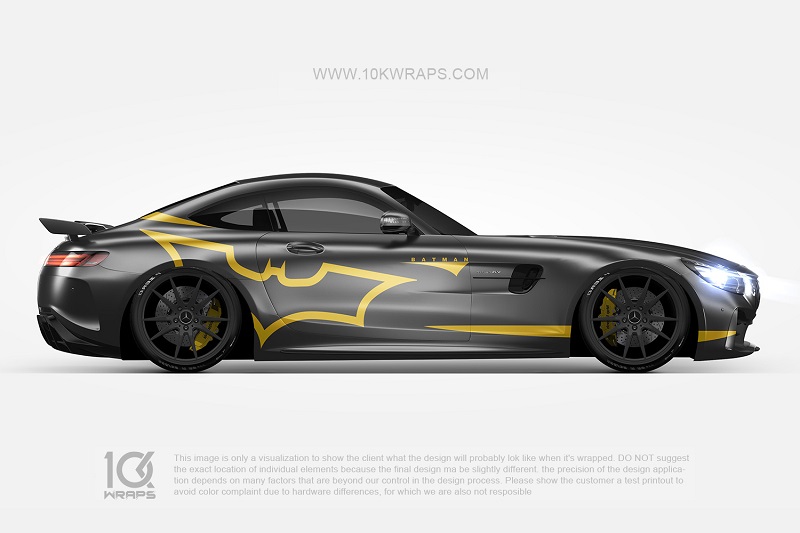
The iconic bat silhouette projected in yellow or black is the most recognizable symbol. It’s perfect for those who want a minimal yet powerful look, usually placed on the rear windshield, side doors, or hood.
Gotham Skyline and Batmobile Silhouettes
Some decals feature Gotham’s dark cityscape or the sleek outline of the Batmobile, adding depth and narrative to your car’s look. These can be combined with smaller bat logos to create a layered effect.
Comic Book Art and Graphic Designs
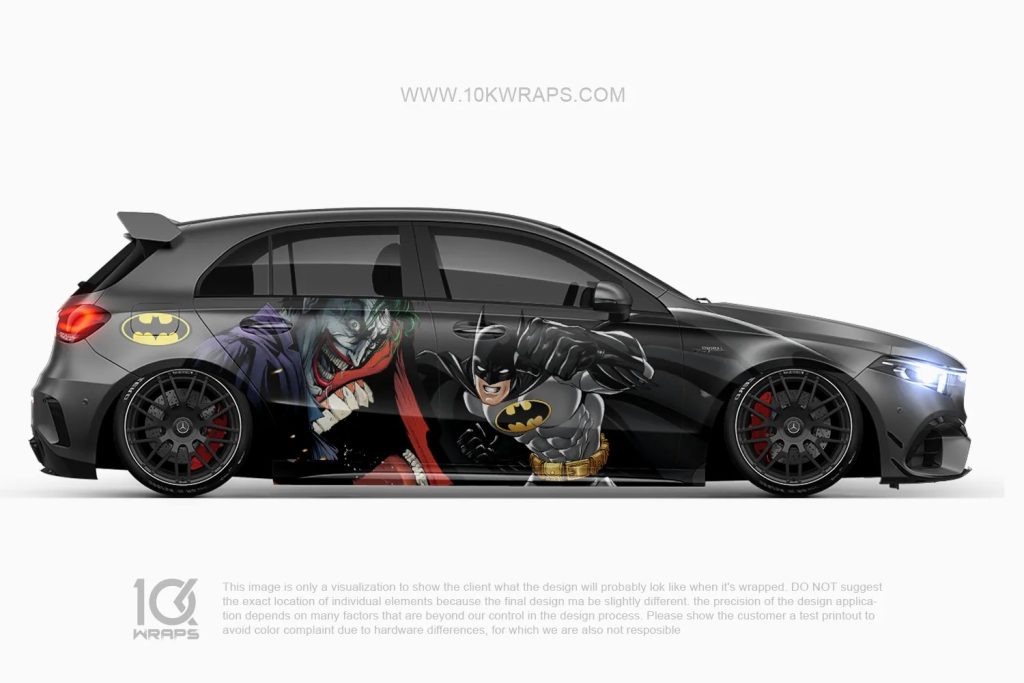
For fans of the original comics, decals showcasing detailed artwork or Batman in action bring a vibrant and dynamic vibe. These are ideal for larger surfaces, like full door wraps or rear windows.
Glow-in-the-Dark or Reflective Decals
These high-tech options provide visibility at night, adding an element of safety while turning heads during late-night drives.
How to Choose the Right Batman Decal for Your Vehicle
Picking the perfect decal isn’t just about size or design. Here are factors to consider:
Vehicle Type and Surface Area
Different cars have different shapes and surfaces. A Batman decal that looks stunning on a Jeep might need resizing or repositioning for a sleek sedan. Measure the area carefully and consider how the decal will complement your vehicle’s contours.
Color and Contrast
Decals should contrast well with your car’s paint. A black decal on a black car may be subtle but might not stand out as much. Conversely, a yellow Bat-Signal decal on a dark-colored car offers high visibility and classic appeal.
Material Quality
Choose vinyl decals that are weatherproof, UV-resistant, and durable. This ensures your Batman decal maintains its look over time without peeling or fading.
Installation Method
Decals come with different adhesives. Some are permanent, while others can be removed without damage. Decide based on whether you want a temporary or long-term design.
Step-by-Step Guide to Applying Your Batman Decal for Car
Proper installation is key to achieving a flawless look. Here’s how to do it yourself:
1. Clean the Surface Thoroughly
Wash the area where the decal will be applied. Remove any dirt, wax, or grease with rubbing alcohol to ensure maximum adhesion.
2. Position the Decal
Before peeling off the backing, place the decal with tape or by holding it up to see exactly where it fits best. Mark lightly with painter’s tape if needed.
3. Peel and Stick
Slowly peel the backing off the decal. Starting from one edge, press the decal onto the surface while smoothing it out to avoid air bubbles.
4. Smooth Out Bubbles
Use a squeegee or a credit card wrapped in a soft cloth to push out bubbles from the center outward.
5. Let It Set
Allow the decal to adhere for at least 24 hours without exposure to water for best results.
Maintaining Your Batman Decal for Longevity
Once applied, keeping your decal looking sharp requires some care:
Avoid high-pressure car washes: These can peel edges.
Hand wash gently: Use mild soap and soft sponges.
Park in shaded areas: Prevent UV fading.
Inspect regularly: Look for lifting edges and reapply adhesive if necessary.
Enhancing Your Batman Decal with Complementary Accessories
To elevate your car’s Batman-themed look further, consider these additions:
Batman-themed license plate frames
Custom Bat-logo wheel caps
Interior accessories like seat covers or steering wheel wraps featuring the Batman emblem
These subtle touches create a cohesive theme that makes your vehicle stand out even more.
Where to Find Quality Batman Decals for Your Car
Finding the right Batman decal can be a challenge if you don’t know where to look. Trusted sources like 10kwraps.com offer a broad range of vinyl decals, including superhero-themed designs crafted with quality materials.
Working with reputable suppliers guarantees that you get decals made for durability, style, and ease of application.
Why Consider Full Vehicle Wraps?
If you’re looking to make an even bigger statement, full vehicle wraps are a fantastic option. A Batman wrap can cover your entire car with custom graphics, turning your ride into a mobile tribute to Gotham’s protector.
A professional wrap from places like 10kwraps.com ensures flawless application with materials that protect your car’s paint and provide eye-catching visuals.
Frequently Asked Questions About Batman Decals for Cars
Can I remove the decal without damaging my car’s paint?
Yes, high-quality vinyl decals are designed to be removable without harming the paint, especially if they haven’t been on the vehicle for years. Use heat (like a hairdryer) and careful peeling to make removal easier.
Will a decal affect my car’s resale value?
Tasteful and easily removable decals usually do not harm resale value. However, large or permanent decals may deter some buyers. Consider this if you plan to sell your car soon.
How long do Batman decals typically last?
With proper care, a quality vinyl decal can last between 5 to 7 years.
Wrapping Up: Elevate Your Ride with a Batman Decal for Car
Choosing a Batman decal for your car is a fun, affordable, and stylish way to display your fandom while adding a unique personality to your vehicle. Whether you prefer a subtle Bat-Signal on your window or a full graphic wrap, there’s a design to suit your style and car type.
Don’t hesitate to explore quality options from reliable providers like 10kwraps.com to ensure you get the best materials and craftsmanship for your vehicle’s transformation.
Take your car from ordinary to extraordinary and let the world know you drive with the spirit of the Dark Knight guiding you.
If you’d like more advice on car wraps, decals, and customization, feel free to reach out or explore resources from specialists in vehicle styling. Your ride deserves a look that’s as bold and unique as you are.
If horror films had horsepower, they’d probably scream down the street with teeth-baring grins and red balloons tied to the antenna. In recent years, the Pennywise car wrap has surged in popularity among horror fans, thrill seekers, and automotive enthusiasts alike. It’s not just about scaring the neighbors—it’s about standing out, turning heads, and transforming an ordinary vehicle into a rolling homage to Stephen King’s twisted imagination.
Whether you’re gearing up for Halloween, attending a horror-themed car meet, or just want your ride to have the chilling charisma of a haunted house on wheels, this trend is revving up in high gear. This article dives deep into the origin, appeal, design options, and customization tips for Pennywise-themed car wraps.
The Cultural Impact of Pennywise: Why Horror and Cars Collide
Clowns have long been a subject of fascination—and fear. But none has reached the level of infamy quite like Pennywise, the shape-shifting antagonist from Stephen King’s It. From the moment he offered Georgie that iconic red balloon, Pennywise cemented his status as a cultural icon of horror.
But why put him on a car?
It’s simple. Car customization is about personal identity. And for horror fans, there’s no better statement than integrating a horror legend with a vehicle that already turns heads. A Pennywise car wrap blends pop culture, dark fantasy, and automotive art into one terrifyingly cool package.
The horror community, much like the custom car community, thrives on individuality. Combining the two creates something that’s not just unique—it’s unforgettable.
What Makes a Pennywise Car Wrap So Visually Striking?
Design-wise, a Pennywise car wrap offers endless creative possibilities. You’re not just slapping a clown face on a bumper; this is a full-scale design challenge that combines horror storytelling with automotive aesthetics.
Here’s what makes it work:
1. Haunting Artwork
Most Pennywise wraps feature hyper-detailed digital illustrations. Think glowing yellow eyes, razor-sharp teeth, weathered clown makeup, blood splatter effects, and haunting shadows that stretch across the panels. Some even include entire scenes from the movie, like Georgie reaching into the storm drain or the “You’ll float too” message.
2. Color Psychology
Wrap artists use dark tones—black, crimson, and deep greys—as base colors to amplify the sinister vibe. Highlights in red or white (like Pennywise’s makeup) add bold contrast that stands out on the road or at night.
3. 3D Illusions
Some wraps incorporate illusions of Pennywise peeking out from windows, bursting through doors, or crawling across the hood. These 3D effects add depth and motion that make the wrap feel alive (or undead).
Who’s Wrapping Their Cars with Pennywise?
This isn’t just a novelty for Halloween lovers. Here’s who’s embracing the fear:
YouTubers and influencers who want to create viral content
Collectors of horror memorabilia looking for a mobile addition to their collection
Cosplayers and event attendees who want to arrive in style
Haunted attraction owners using wrapped vehicles for promotion
Die-hard horror fans who live and breathe the thrill of fear
It’s not just for Dodge Chargers or muscle cars, either. We’ve seen wrap applications on sedans, Dodge truck conversions, motorcycles, even Slingshots and vans
Designing Your Own Pennywise Car Wrap
Thinking of diving into the deep end and designing your own horror-themed ride? Here’s how to approach it.
Step 1: Choose Your Pennywise Era
Do you want the classic 1990 Tim Curry version or the modern, monstrous Bill Skarsgård portrayal? Both have their charm. The OG Pennywise has retro appeal and campy creepiness. The new version leans into supernatural terror with a more grotesque design.
Step 2: Pick a Style
You can go:
Minimalist: Just Pennywise’s face on the hood or trunk, with subtle horror cues.
Maximalist: A full-wrap cinematic tribute, complete with background scenes, movie quotes, and grunge overlays.
Hybrid: Focused on one side or element of the vehicle—like the doors or rear quarter panels—with themed colors elsewhere.
Step 3: Add Finishing Touches
Red balloon-shaped valve caps or antenna toppers
Matching window tints or blood-drip overlays
Under-glow lighting (red, of course)
Custom license plate: “D3ADEND” or “FLOATER”
Material Matters: What to Use for Horror-ThemedWraps
A professional Pennywise car wrap needs the right materials. Low-quality vinyl won’t hold up to weather or give you the sharp resolution needed for detailed horror art.
Here’s what to ask for:
Cast Vinyl Wraps like Avery Dennison Supreme or 3M IJ180 – ideal for complex contours and long-term use
High-definition printing with solvent or latex ink
UV laminates to prevent fading under sun exposure
Matte or satin finishes for that spooky, cinematic look
Some wrap companies even offer textured effects (like fog or blood splatter texture) to enhance realism.
Safety and Legal Considerations
Let’s be real: Pennywise is scary. Some wraps might be too intense for children or sensitive audiences. If you’re wrapping a commercial vehicle or driving in neighborhoods with schools and parks, consider these tips:
Avoid graphic violence or gore in the imagery
Don’t place wrap elements over headlights, taillights, or license plates
Make sure the wrap doesn’t block visibility from inside the vehicle
Check with local laws on color-changing lights or reflective elements
Maintenance Tips for Your Horror Wrap
Owning a custom wrap means taking care of it, especially when the design includes complex shading and dark tones.
Hand-wash only: Avoid automated car washes, especially with brushes
Use pH-neutral soap to maintain vinyl integrity
Dry thoroughly to prevent water spots on darker sections
Avoid prolonged sun exposure: Park in shade or use a car cover when possible
Touch-up kits can help repair small nicks or scratches
The better you maintain it, the longer your wrap will retain its fear-inducing freshness.
Where to Get It Done
Look for shops that specialize in custom print vinyl wrap jobs. Not every installer can handle high-resolution horror graphics, especially when aligning detailed illustrations across complex surfaces.
You want a team with experience in:
Custom Itasha-style anime or horror wraps
Photoshop/mock-up previews before printing
Full-panel installation without creases or bubbling
If you’re planning a promotional vehicle or an appearance at an event, plan ahead—good wrap shops may have a waiting list, especially around spooky seasons.
Real-World Examples: Wraps That Went Viral
Some standout Pennywise-themed builds include:
The “FloatMobile” – a Dodge Charger fully wrapped in a foggy sewer scene, with Pennywise grinning across the rear panels and red LED underglow.
The “Clown Truck” – a lifted Ford F-150 with balloon trails, bloody tire marks, and Pennywise peeking out from the back window wrap.
The “Itasha of Terror” – a JDM-style Subaru WRX with a half-anime, half-horror aesthetic featuring manga Pennywise merged with realistic textures.
These vehicles often draw large crowds at car meets and horror cons—and tons of viral attention on platforms like TikTok, YouTube Shorts, and Instagram Reels.
More Than Just a Wrap: The Psychology of Fear and Style
A Pennywise car wrap isn’t only about looking cool—it taps into something deeper. Fear is a powerful emotional driver, and harnessing that through art gives people a chance to express themselves in unexpected ways.
It also reflects the broader trend in the wrap industry where customization is no longer just about aesthetics—it’s a form of storytelling. Whether it’s anime, comics, horror, or sci-fi, the car becomes a mobile canvas, and the road becomes a gallery.
Wrap It Up (Without Floating)
Horror has always found new ways to slip into the mainstream, and the Pennywise car wrap is one of the most chilling—and creative—examples. From design innovation to street-level impact, it’s a wrap that goes beyond cosmetic flair and dives deep into the driver’s psyche.
If you’re ready to add a dose of darkness to your vehicle and aren’t afraid of scaring a few pedestrians, this might be the ultimate transformation your ride’s been waiting for. Just don’t be surprised if people start crossing the street when they see you coming.
When the sun goes down, your car’s taillights become one of its most vital safety features. Often taken for granted, taillights serve as visual signals that help other drivers see you, judge your speed, and react to your movements. They play a key role in preventing rear-end collisions and ensuring smooth, safe driving after dark. Understanding their importance can help you take better care of your vehicle and drive more confidently at night.
Enhancing Vehicle Visibility in Low Light
At night, or during poor weather conditions, visibility drops significantly. Taillights ensure your vehicle remains visible from a distance, giving other drivers ample time to respond. Without them, your car could blend into the darkness, increasing the risk of accidents. A working pair of taillights acts like a glowing safety marker, making sure your vehicle is seen even on dimly lit roads or highways.
Communicating Your Movements to Other Drivers
Taillights do more than just glow—they also include brake lights and turn signals that communicate your intentions. When you slow down, the brake lights alert the driver behind you to reduce speed. If you’re preparing to turn or change lanes, turn signals in the taillight assembly provide crucial directional cues. These simple functions help maintain safe following distances and prevent sudden surprises on the road.
Supporting Safe Stopping and Following Distances
Maintaining a safe stopping distance is critical at night, and taillights play a big role in helping drivers judge how far away another car is. The brightness and clarity of taillights can help trailing drivers better assess your vehicle’s position and speed. Dim or non-functioning taillights create confusion, especially in heavy traffic, leading to misjudgments that can cause rear-end collisions.
Reducing the Risk of Traffic Violations
Driving at night without functional taillights is not only unsafe but also illegal. Law enforcement officers often conduct night patrols to check for lighting issues, and broken or missing taillights can lead to traffic stops and fines. Regularly checking that all rear lights are working properly ensures you stay on the right side of the law while also keeping yourself and others safe. Look for the Auto Repair in Phoenixville, PA based service would be essential here.
Simple Maintenance for Reliable Night Safety
Keeping your taillights in good condition doesn’t require much effort. Regularly inspect them for cracks, fading, or dim light output. Replace bulbs as soon as they burn out and clean the lenses to remove dirt and grime. You can also apply UV protectant to keep lenses from fading over time. These quick maintenance steps go a long way toward ensuring your taillights are always ready for safe night driving.
Conclusion
Car taillights are essential safety tools for driving after dark. They provide visibility, communicate your actions, and help prevent accidents by ensuring other drivers can see and understand your movements. Keeping them clean, bright, and functional is a small but critical part of responsible car ownership. So next time you head out at night, remember—your taillights are guiding the way.
The car hood is not merely an aesthetic component; it’s a critical safety feature designed to protect the engine and its associated components. In the event of a front-end collision, the hood absorbs and disperses impact energy, shielding vital systems from damage and, more importantly, safeguarding the vehicle’s occupants. Understanding the impact of front-end damage on the car hood is essential for accurate collision assessment and ensuring proper vehicle repair.
Deformation of Hood Components
Front-end collisions pose a serious threat to the structural integrity of a vehicle’s hood. The immense force generated upon impact can lead to significant damage, ranging from minor dents to severe buckling or tearing. The leading edge of the hood, being the first point of contact, is particularly vulnerable, often absorbing the brunt of the initial impact. This can result in bending and crumpling of the metal. Furthermore, the hood’s surface itself can suffer deformation, manifesting as dents, creases, or even complete collapse, as the collision’s energy is transferred throughout its structure. The extent of the damage is directly correlated with factors such as the speed of the collision, the angle of impact, and the size and weight of the opposing object. Higher speeds and heavier objects will undoubtedly inflict more substantial damage to the hood. Look for the Auto Repair in Santa Barbara, CA based services in this case.
Impact on Latch Points
The hood latch mechanism is a vital safety component, ensuring the hood remains securely closed while the vehicle is in motion. In a front-end collision, this crucial system is particularly vulnerable. The force of impact can directly damage the latch itself, potentially bending, misaligning, or completely breaking its components. Furthermore, the surrounding support structure, often made of thinner metal, can be deformed, hindering the latch’s ability to engage correctly. A compromised hood latch presents a significant safety hazard. Should the latch fail, the hood could unexpectedly fly open, instantly obstructing the driver’s forward visibility. This sudden obstruction can lead to panic and a loss of control, dramatically increasing the risk of a secondary accident. Regular inspection and prompt repair of any damage to the hood latch mechanism are essential for maintaining vehicle safety.
Collision Assessment
A thorough collision assessment is essential to determine the extent of the damage to the hood and its associated components. This assessment should include a visual inspection of the hood’s surface for dents, bends, and tears. The latch mechanism and its support structure should be carefully examined for any signs of damage or misalignment. Additionally, the hood’s alignment with the fenders and grille should be checked to identify any structural distortions.
Repair Considerations
Depending on the severity of the damage, the hood may require repair or replacement. Minor dents and bends can often be repaired using specialized techniques, such as paintless dent repair or panel beating. However, if the hood is severely damaged, with extensive tears or structural deformation, replacement is usually the best option. When replacing the hood, it’s crucial to ensure that the replacement hood is compatible with the vehicle and that the latch mechanism is properly aligned and functioning.
Paint Protection Film (PPF), also called clear bra, is a popular way to keep your car’s paint looking clean and new. It’s a thin, clear layer that covers your car’s surface to protect it from scratches, chips, bugs, road salt, and sunlight. But how long does this protection really last?
Most good-quality paint protection films last between 5 to 10 years. How long it lasts depends on a few things: the quality of the film, how it was installed, how you take care of it, and where you live.
Quality of the Film
Not all PPF is the same. Top brands like XPEL, SunTek, or 3M make films that last longer and don’t turn yellow or peel easily. Cheaper films may only last a few years before showing wear.
Professional Installation Matters
Even the best film won’t work well if it isn’t installed right. A trained installer will apply it smoothly with no bubbles or loose edges. Bad installation can make the film peel or get damaged early.
Climate and Driving Habits
The weather in your area makes a difference. Hot, sunny places can cause the film to wear down faster. Snow, ice, and road salt can also damage it. Driving on rough roads often can make the film wear out sooner.
Maintenance and Care
Caring for your PPF is easy but important. Wash your car regularly and don’t use rough sponges or harsh cleaners. Avoid automatic car washes with stiff brushes. Some films can heal light scratches when warmed by the sun or hot water.
When Should You Replace It?
If the film starts turning yellow, peeling, or looking cloudy, it’s time to replace it. Many brands offer warranties for up to 10 years, so check with the shop that installed it.
Paint Protection Film is a smart way to keep your car looking great. With a good product, proper installation, and regular care, it can last for years. It helps protect your paint and can save you money on repairs down the road.
This post was written by a professional at Gorilla Wraps & PPF. At Gorilla Wraps & PPF, we are dedicated to providing premium paint protection film (PPF), custom color change wraps, and vehicle wraps that enhance both the look and durability of your car. We also specialize in commercial vehicle wraps, offering businesses a dynamic way to boost their brand visibility with impactful designs. Proudly serving the Tampa Bay area, our team combines top-tier craftsmanship, high-performance materials, and exceptional customer service. We focus on delivering precision, quick turnaround times, and results that go above and beyond expectations. Whether you’re looking for PPF Clearwater FL, a color change, or commercial wrap solutions, trust us to deliver exceptional quality. Discover the Gorilla Wraps experience and get in touch today for the best car wrap and PPF service around!
Auto repairs can feel like a necessary cost especially when unexpected issues arise. Of course if you’re proactive and know what you’re doing, you can significantly cut your car repair costs. Keep your car in great shape and save money at the same time with these top tips.
Schedule regular maintenance
Regular upkeep is the best way to avoid paying a lot for repairs. If you change your oil, check your fluids, rotate your tires and replace your brake pads when they wear out, you can escape big problems. Find out how often you should service your car in the owner’s manual and stick to that plan. Fixing things later will cost you much more than the care you do now.
Use independent repair shops
Dealerships know a lot about each brand but usually charge more for parts and work. Most of the time, independent auto repair in Fairbanks, AK can do the same good work for less money. Before you pick a shop, read reviews online, ask around and look for certifications.
Estimate multiplely
Don’t take the first price that comes your way. Prices for the same job can change significantly from one shop to the next. Get written quotes from at least three mechanics so you can compare prices. This not only helps you find the best deal, but it also shows you which store seems the most honest and reliable.
Learn DIY Repair Basics
Easy things like air filters, windshield wipers or brake lights can be fixed easily. Many guides are available online, walking you through the steps one by one. If you have a few simple tools and some faith, you can save a lot of money by not paying someone to do the work for you.
Buy parts yourself
Mechanists often charge higher prices for parts. However you can save a lot of money by buying them yourself from reputable car parts stores or online. Just make sure that the parts will work with your car type and that the shop lets customers bring their parts.
Use coupons, loyalty programs
There are a lot of auto repair shops that give deals, coupons and loyalty programs. Before you make an appointment look at their websites or area ads to see if they have any deals. When you join a store’s loyalty program, you might get free or cheap maintenance after a certain number of trips.
Conclusion
You don’t have to skimp on car repairs to save money; you must make wise decisions. You can keep your car running well without spending much money if you do regular maintenance, shop wisely and are willing to learn. These tips will not only help you save money on repairs but they will also make your car last longer.
In an age where security concerns are rising across global cities and developing regions alike, armored SUVs have emerged as a popular choice for individuals and organizations seeking a blend of high-level protection, comfort, and practicality. These vehicles are designed to withstand ballistic threats and physical attacks while delivering the sophistication and utility expected from premium sport utility vehicles. But how do armored SUVs manage to balance all three elements—protection, luxury, and utility—so seamlessly? Let’s take a closer look.
Advanced Protection Without Compromise
At the core of any armored SUV is its protective capability. These vehicles are engineered to resist a wide range of threats, including:
Small arms fire (e.g., 9mm, .44 Magnum, 7.62mm)
Explosive blasts
Forced entry attempts
Fire-related threats
Protection is achieved through the integration of multi-layered ballistic glass, reinforced body panels, armored floors and ceilings, and run-flat tire systems. Despite the robust reinforcement, these security features are often discreetly integrated to preserve the original aesthetics and vehicle silhouette.
Seamless Integration of Security Features
One of the most impressive aspects of modern armored SUVs is the way security upgrades are installed without altering the vehicle’s appearance or performance. Premium armoring companies go to great lengths to ensure that:
The doors close smoothly, despite the added weight
The suspension system is upgraded to maintain ride comfort
Interior features, electronics, and luxury components remain intact
Visibility, maneuverability, and handling are optimized post-armoring
This seamless integration ensures that the occupant enjoys the same level of sophistication and driving pleasure as they would in a factory-standard SUV.
Luxury Interiors and Custom Options
Luxury is a non-negotiable for many armored SUV buyers, and manufacturers are meeting this demand with interiors that rival top-tier executive vehicles. Features may include:
Hand-stitched leather seating
Climate-controlled interiors
Ambient lighting systems
High-end infotainment and connectivity
Optional privacy partitions and security intercoms
Clients can also request custom interiors designed for specific use cases—such as mobile offices, VIP transport, or diplomatic convoys—enhancing the versatility and personalization of the vehicle.
Versatile Utility for Daily and Professional Use
Beyond protection and comfort, SUVs are inherently practical vehicles. Their spacious design allows for:
Ample passenger seating (often 5–7 occupants)
Room for security personnel or assistants
Large cargo capacity for personal or business use
All-terrain capability for rural or unpredictable environments
Troy Armoring armored SUVs are an excellent example of vehicles that deliver on all three fronts—combining superior engineering, ballistic protection, and everyday usability. Known for their meticulous craftsmanship and global reputation, Troy Armoring creates armored SUVs that are as suitable for urban commutes as they are for high-risk zones.
Discreet Yet Authoritative Presence
Unlike military-grade vehicles that draw attention, modern armored SUVs are designed to blend in. They maintain a civilian appearance while silently offering elite protection. This balance is particularly important for business executives, diplomats, and public figures who prefer a low-profile yet secure mode of transportation.
Key Features to Look For
If you’re considering an armored SUV, prioritize models that offer:
Certified ballistic protection (e.g., NIJ or VPAM standards)
Upgraded suspension, brakes, and drivetrain
Uncompromised luxury features
Proven performance in high-risk scenarios
Reliable after-sales service and maintenance support
Conclusion
Armored SUVs today are the perfect embodiment of modern mobility — powerful, secure, and sophisticated. By blending cutting-edge protection with premium materials and real-world utility, these vehicles cater to the growing demand for safety without sacrificing style or performance. Brands like Troy Armoring armored SUVs demonstrate how advanced engineering can meet luxury expectations, ensuring you travel confidently, comfortably, and securely wherever the road takes you.
Driving a well-maintained, scratch-free vehicle is not just a point of pride; it’s an investment we wish to preserve. Nothing can be more frustrating than seeing tiny pebble impacts and random scratches leaving unsightly scars on your beloved car. Enter Paint Protection Film (PPF), a genuine superhero in the world of automobile maintenance. This robust urethane film is our savior from the harsh realities of the road, absorbing the brunt of road debris impact and preventing scratches and scuffs from reaching the actual paint layer of our cars. 21 Bradwick Dr #8, Vaughan GET A FREE QUOTE(905) 766 3367 provides an offer that keeps your vehicle looking brand new and helps in maintaining its value over time. Applying PPF on the surface of your vehicle helps keep it protected against the daily challenges it encounters, paving the way to preserve its pristine condition for longer periods.
The Guardians of Car Aesthetics – SRS Tints
With over 10 years of experience and more than 30,000 content clients, SRS Tints has established itself as one of the top providers in terms of quality car window tinting services, earning them the title as the Best Paint Protection Film company in Mississauga. Specializing in paint protection film application, ceramic coating, and vinyl wrapping, SRS Tints offers full-service automobile beauty treatments for different types of vehicles. Investment in automobile grooming and protection is best left into the hands of experienced professionals like Mississauga’s Best Paint Protection Film Providers who understand the needs of your vehicle and offer tailored solutions to keep it in top shape. Overall, Paint Protection Films (PPF) help you say goodbye to paint scuffs and scratches while keeping your vehicles in superior conditions. SRS Tints continuously awards Mississauga and Vaughan’s residents with its exceptional service quality, robust car window tinting, and additional services such as ceramic coating and vinyl wrapping. A comprehensive package offered by SRS Tints guarantees that your vehicle retains its glossy finish, preserving its beauty and value for extended periods.