
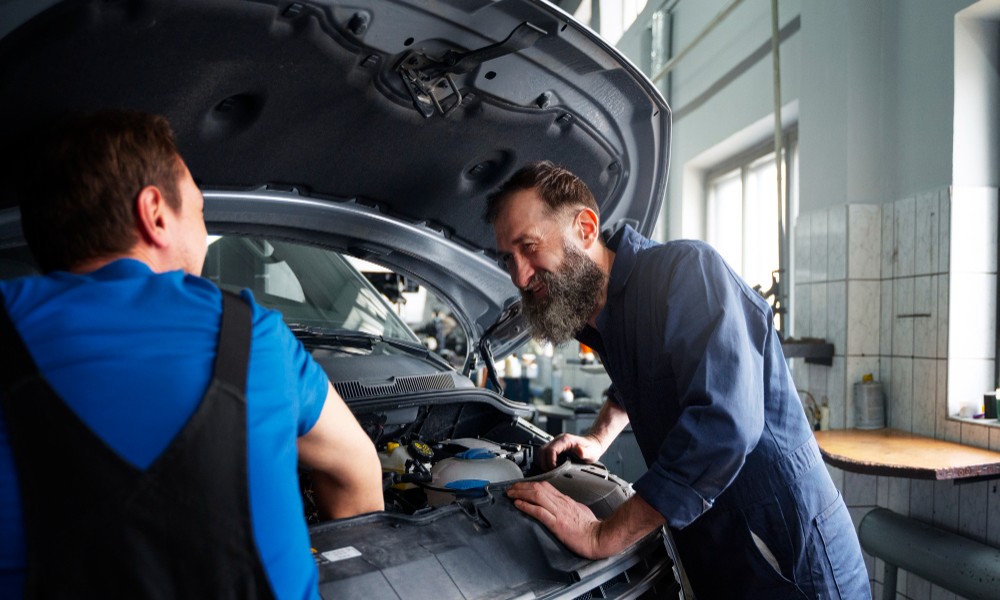
Vehicle are sitting outside a repair facility rarely tells the whole story. From a distance, the damage may appear limited to a scratched bumper or a dented screen. Inside the shop, technicians move around the vehicle with lights, and inspection notes. While waiting for updates, some owners pause to learn more about replacement parts, paint work, and the steps that happen after an estimate gets approved. The repair process begins quietly, long before any fresh paint reaches the vehicle.
The First Inspection Usually Changes the Conversation
A silver sedan rolled into a service bay shortly after opening time. The front corner looked damaged, but additional issues appeared once the bumper came off. Small cracks hid beneath areas covered by road grime. A technician placed removed parts beside a toolbox while another employee reviewed photographs from the initial inspection. The estimate on paper started looking different from the estimate discussed days earlier.
Parts Arrive at Different Times
Several boxes rested against a wall near the receiving area. One contained a replacement fender. Another held trim pieces wrapped in protective plastic. A third shipment arrived two days later than expected.Work continued where possible. Nearby vehicles followed different schedules. One waited for a mirror assembly, another for a grille. The repair floor never looked completely finished because new deliveries seemed to appear every afternoon.
Reflections Reveal What Eyes Miss
Freshly repaired panels attract attention under bright lighting.A technician wiped a painted surface with a clean cloth and stepped backward. Reflections from overhead lights stretched across the door panel. A slight imperfection appeared near the edge. Sanding resumed. More polishing followed.Hours later, the same panel reflected light evenly. The difference felt small until the vehicle rolled outside.
A Small Dent Received More Attention Than Expected
Near the back corner of the shop, a technician focused on a dent smaller than a golf ball.The surrounding paint remained intact. No replacement panel sat nearby. No sanding dust filled the air. Specialized tools moved behind the metal surface while tiny adjustments slowly changed the shape. From several feet away, progress seemed invisible. Up close, the panel looked different every few minutes.
Paint Booth Activity Feels Separate from Everything Else
The repair floor stayed busy with movement and conversation. Behind another door, the atmosphere changed.A vehicle entered the paint booth after preparation work finished. Masking materials covered sections not being painted. Fresh colour settled across repaired panels. Hours later, the finish looked deep and smooth beneath controlled lighting conditions.
Outside the booth, technicians continued repairs on other vehicles without interruption.
Common Activities Seen During Restoration
| Repair Stage | What Happens in The Shop | What Gets Checked |
|---|---|---|
| Parts Replacement | New components arrive | Fitment and alignment |
| Dent Repair | Metal reshaping occurs | Surface smoothness |
| Auto Painting | Panels receive refinishing | Colour consistency |
| Final Review | Vehicle undergoes inspection | Overall appearance and finish |
Insurance Files Tend to Grow
Folders stacked near a desk contained estimates, photographs, approval documents, and handwritten notes. Phones rang throughout the day. A service advisor reviewed paperwork while speaking with a customer about claim updates.Midway through the repair process, drivers occasionally stop to learn more about insurance procedures because unexpected details emerge after disassembly begins. Additional approvals sometimes arrive. Other times, revised estimates wait for review.
FAQs
Why do repair timelines sometimes change?
Additional damage occasionally appears after parts are removed, leading to revised repair schedules.
Can repaired paint match the original finish exactly?
Paint technicians spend considerable time comparing colour and reflections before approving finished work.

Comments are closed.