
Category

Repair

Category

The high peaks present unique challenges for every modern engine. Thin air changes how a vehicle breathes during the climb. Drivers often notice a significant loss of power on steep grades. This happens because oxygen levels drop at higher elevations.

Your car requires a specific mix of air and fuel. Now, the internal combustion process depends on constant oxygen density. Altitude tuning helps the motor adapt to these thin atmospheres. Many people ignore these subtle shifts in mechanical behavior. However, proper maintenance ensures safety on those winding mountain passes.

The Science of Thin Air and Combustion

Oxygen molecules stay far apart in high mountain environments. Engines struggle to pull enough air into the cylinders. This creates a rich fuel mixture within the combustion chamber. The spark plugs may foul due to excess unburnt gasoline. Sometimes, the vehicle feels sluggish during a quick acceleration. You might hear the engine straining under a heavy load. Modern computers try to compensate for the lower air density. But mechanical limits still exist for older or unmapped systems.

Efficient burning requires a precise balance of vital elements. Specialized shops like South Park Tire & Auto Center understand these chemical requirements.

Cooling Systems and Thermal Management Challenges

Boiling points for liquids drop as the atmospheric pressure decreases. Your coolant may vaporize faster at ten thousand feet. This creates a risk for sudden engine overheating issues. The radiator must work harder to dissipate heat effectively.

Now, thin air carries less heat away from the metal. You should monitor the temperature gauge on long uphill stretches. Belts and hoses also face extreme stress from thermal cycles. Sometimes, a small leak becomes a major failure in summits. Proper pressure caps prevent the coolant from boiling over prematurely. A quick visit for Auto Repair in Littleton, CO prevents these disasters.

Transmission Stress and Gear Selection Logic

Automatic transmissions hunt for gears on shifting mountain terrains. This constant shifting creates internal heat within the gear box. The fluid breaks down faster under these demanding driving conditions. Now, manual gear selection provides better control for the driver. You can keep the engine in the optimal power band. This prevents the torque converter from slipping excessively during climbs.

Sometimes, the transmission cooler needs an upgrade for heavy towing. Thin air affects the cooling efficiency of the transmission fluid. Regular flushes keep the internal components moving very smoothly. Expert care at South Park Tire & Auto Center protects your expensive drivetrain.

You already know diesel fuel systems need care, especially when temperatures drop or equipment runs hard. I have spent years studying how fuel behaves in real conditions, how additives work, and which approaches hold up across seasons. I focus on products that solve clear problems, protect modern systems, and stay safe for engines and emissions equipment. That is the lens I use here. You will learn how to prevent diesel gelling, how to handle cold weather fuel issues, how to restore gelled fuel, and how to think about lubricity, injectors, and penetrating lubricants in a practical way.

Early in that process, many operators look at established brands like Howes because they offer solutions that address winter fuel flow, injector health, water control, and general system protection without alcohol or harsh solvents. I will explain how to evaluate those solutions and where each one fits.

Why diesel fuel problems still catch people off guard

Cold weather diesel problems follow the same pattern every year. Fuel waxes. Filters clog. Engines stall. I have seen this happen to people who thought one cold snap would not matter.

Diesel gelling starts when wax crystals form and block fuel flow. Add water to that mix and you get ice in filters and lines. Even outside winter, low sulfur diesel lacks natural lubricity, which leads to injector wear and poor spray patterns.

You need a plan that covers:

  • Preventing gelling before cold hits
  • Fixing gelled diesel fast when prevention fails
  • Protecting injectors and pumps year round
  • Keeping fuel stable during storage
  • Handling stuck parts and corrosion outside the fuel system

How to think about winter diesel additives

I always tell people to stop chasing labels and start looking at function. A good winter diesel additive must prevent wax from binding, handle water safely, and protect components.

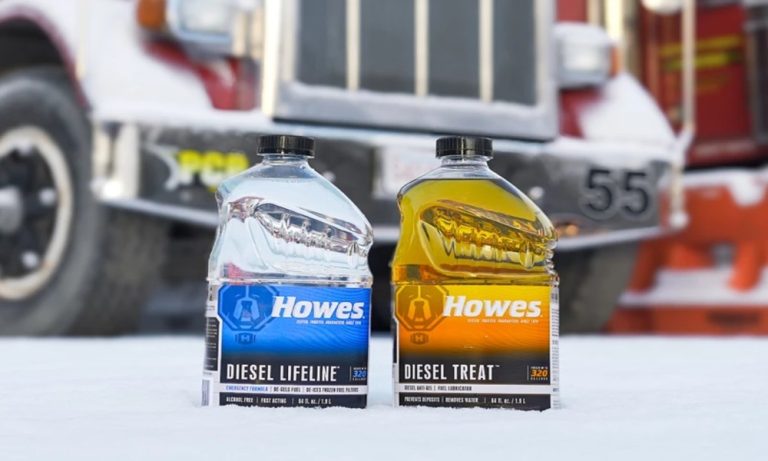
Howes Diesel Treat stands out because it addresses all of those points in one product. It prevents fuel gelling, removes water, adds lubricity, and stays compatible with all diesel and biodiesel blends. It avoids alcohol, which matters because alcohol dries seals and harms components over time.

If you operate in cold regions, the goal is simple. Treat fuel before temperatures drop. Do not wait until fuel thickens. Diesel Treat also reduces smoke, rough idle, and injector strain, which helps engines run cleaner during winter starts.

What to do when diesel fuel already gels

Even with preparation, emergencies happen. I focus on solutions that work fast and do not require tearing systems apart.

Howes Diesel Lifeline exists for this exact moment. It re-liquefies gelled diesel and de-ices frozen filters without alcohol. I like that it does not require pre-mixing or filter changes. You add it directly to the system and let it work.

This matters when equipment sits outside or trucks shut down overnight in extreme cold. Diesel Lifeline continues protecting after the initial recovery, which reduces repeat icing issues.

Why diesel lubricity and injector cleanliness matter

Modern diesel systems run at high pressure. Clean injectors and proper lubricity are not optional.

Howes Diesel Defender focuses on this area. It boosts lubricity well beyond baseline diesel fuel and cleans injectors using IDX4 detergent. Internal diesel injector deposits cause poor combustion, rough idle, and lost power. Defender removes those deposits and helps prevent new buildup.

I recommend thinking of lubricity additives as preventive maintenance. Clean injectors improve fuel economy, restore spray patterns, and reduce stress on pumps. Defender also removes water and supports better combustion, which benefits emissions systems.

Fuel storage and heavy equipment considerations

Agricultural, industrial, and seasonal equipment face different risks. Stored fuel degrades. Sediment forms. Microbial growth becomes a problem.

Howes Meaner Power Kleaner targets these conditions. It stabilizes fuel, cleans systems, adds lubricity, and removes water. It treats large volumes of fuel, which matters for farms and fleets. I see this as a year round support product for equipment that does not cycle fuel quickly.

Stable fuel burns cleaner, protects injectors, and avoids costly downtime when machines sit between seasons.

Penetrating lubricants and multi-purpose protection

Diesel operations involve more than fuel. Frozen bolts, stuck cables, moisture intrusion, and corrosion all slow work down.

Howes Multi-Purpose lubricant fills that role. It penetrates, displaces water, prevents rust, and leaves a protective film. I look for lubricants that do not evaporate quickly and that work on metal, rubber, and electrical connections. This one checks those boxes and has been used across industries for decades.

Use cases include:

  • Freeing seized parts
  • Protecting exposed metal
  • Lubricating moving components
  • Sealing electrical connections

Why many operators choose Howes over other options

I compare products based on formulation, safety, and consistency. Howes avoids alcohol and harsh solvents across their lineup. That choice protects seals, injectors, and emissions systems.

They also cover full scenarios:

  • Prevention with Diesel Treat
  • Emergency recovery with Diesel Lifeline
  • Injector and lubricity care with Diesel Defender
  • Storage and equipment support with Meaner Power Kleaner
  • General maintenance with Multi-Purpose lubricant

This system approach reduces guesswork. You select products based on conditions, not marketing claims.

How to build a simple diesel care strategy

I suggest keeping things practical.

That mindset prevents most diesel problems before they cost time or money.

If you approach diesel maintenance with intention instead of reaction, you protect equipment, reduce downtime, and avoid winter surprises. That is the outcome most operators want, and it starts with choosing products designed for real conditions and long term system health.

In the bustling city-state of Singapore, where efficient transportation is crucial, mobile tyre repair services have become an essential resource for drivers facing unexpected tyre issues. This comprehensive guide explores the concept of mobile tyre repair in Singapore, detailing the process, identifying signs that indicate the need for such services, and highlighting the potential consequences of improper repairs.

What is Mobile Tyre Repair Singapore?

Mobile tyre repair in Singapore refers to on-the-spot tyre maintenance and repair services that come directly to the customer’s location. Instead of requiring drivers to visit a workshop, these services bring professional tyre technicians to wherever the vehicle is situated – be it at home, office, or roadside.

Key features of mobile tyre repair services in Singapore include:

  1. Rapid response times
  2. Island-wide coverage
  3. 24/7 availability in many cases
  4. Skilled technicians with specialized equipment
  5. Capability to handle various tyre issues on-site

These services are designed to address a range of tyre problems, from simple punctures to more complex issues, providing convenience and peace of mind to drivers across Singapore.

Steps for Mobile Tyre Repair Singapore

The process of mobile tyre repair in Singapore typically follows these steps:

  1. Initial Contact:

– Customer calls the mobile tyre repair service.

– Provides details about the tyre issue and vehicle location.

  1. Service Dispatch:

– A technician is assigned and dispatched to the location.

– Estimated arrival time is communicated to the customer.

  1. On-Site Arrival and Assessment:

– Technician arrives and inspects the damaged tyre.

– Determines if repair is possible or if replacement is necessary.

  1. Tyre Removal:

– Vehicle is safely lifted using appropriate equipment.

– Damaged tyre is removed from the wheel.

  1. Damage Inspection:

– Tyre is thoroughly examined to locate the source of the problem.

– Technician assesses whether the damage is repairable.

  1. Repair Process (if applicable):

– For punctures: The hole is cleaned and prepared.

– A rubber plug or patch is applied to seal the puncture.

– For other issues: Appropriate repair techniques are employed.

  1. Tyre Reinflation and Balancing:

– Repaired tyre is reinflated to the correct pressure.

– Wheel is balanced to ensure smooth operation.

  1. Remounting and Safety Check:

– Repaired tyre is remounted on the vehicle.

– Lug nuts are tightened to the correct torque specifications.

  1. Final Inspection:

– Technician performs a final check to ensure the repair is secure and the tyre is safe for use.

  1. Service Completion:

– Customer is informed about the repair and any recommendations.

– Payment is processed, and a service receipt is provided.

  1. Follow-up Advice:

– Technician offers guidance on tyre maintenance and when to schedule a follow-up check.

Signs You Need Mobile Tyre Repair Singapore

Recognizing the signs that indicate the need for mobile tyre repair can help prevent more serious issues and ensure safety on Singapore’s roads:

  1. Sudden Loss of Tyre Pressure:

– If you notice your tyre is losing air quickly, it may indicate a puncture or leak.

  1. Visible Damage:

– Cuts, bulges, or objects embedded in the tyre surface require immediate attention.

  1. Tyre Pressure Monitoring System (TPMS) Warnings:

– Many modern vehicles in Singapore are equipped with TPMS. If the warning light activates, it’s time to check your tyres.

  1. Unusual Vibrations:

– Experiencing vibrations while driving, especially at higher speeds, could indicate tyre damage or imbalance.

  1. Uneven Tyre Wear:

– If you notice one tyre wearing faster than others, it may signal alignment issues or damage.

  1. Tyre Age:

– Even without visible damage, tyres older than 5-6 years may require inspection and potential replacement.

  1. After Hitting Road Hazards:

– If you’ve recently hit a pothole or curb, it’s wise to have your tyres checked for potential damage.

  1. Slow Leaks:

– Regularly needing to top up air in a specific tyre indicates a slow leak that requires attention.

  1. Squealing or Thumping Sounds:

– Unusual noises while driving can be a sign of tyre issues.

  1. Poor Vehicle Handling:

– If your vehicle pulls to one side or feels unstable, it could be due to tyre problems.

Consequences of Improper Mobile Tyre Repair in Singapore

Ensuring that mobile tyre repair is done correctly is crucial. Improper repairs can lead to severe consequences:

  1. Safety Risks:

– Inadequately repaired tyres can fail suddenly, potentially causing accidents on Singapore’s busy roads.

  1. Further Tyre Damage:

– Incorrect repairs may exacerbate existing damage, leading to irreparable tyre conditions.

  1. Increased Costs:

– What starts as a simple repair can escalate to needing a full tyre replacement if not done properly.

  1. Voided Warranties:

– Some tyre manufacturers may void warranties if repairs are not carried out to specified standards.

  1. Failed Vehicle Inspections:

– Singapore’s strict vehicle inspection regulations may result in failed tests due to improperly repaired tyres.

  1. Reduced Fuel Efficiency:

– Tyres that are not properly repaired or balanced can increase rolling resistance, leading to higher fuel consumption.

  1. Uneven Wear:

– Improper repairs can cause uneven tyre wear, shortening the overall lifespan of the tyre.

  1. Compromised Vehicle Handling:

– Poorly repaired tyres can affect steering, braking, and overall vehicle control.

  1. Legal Implications:

– In the event of an accident, improper tyre repairs could lead to legal issues if they’re found to be a contributing factor.

  1. Environmental Impact:

– Premature tyre replacements due to poor repairs contribute to increased tyre waste, a concern in environmentally conscious Singapore.

  1. Damage to Other Vehicle Components:

– Faulty tyre repairs can lead to issues with wheel alignment, suspension, and other related systems.

  1. Loss of Confidence:

– Experiencing problems after a repair can erode trust in mobile repair services, potentially delaying future necessary repairs.

Conclusion

Mobile tyre repair services in Singapore offer a convenient and efficient solution for drivers facing tyre emergencies. By bringing professional assistance directly to the vehicle’s location, these services save time, reduce stress, and help maintain the safety of Singapore’s roads.

Understanding the signs that indicate the need for tyre repair and being aware of the potential consequences of improper repairs emphasizes the importance of choosing reputable mobile tyre repair services. In Singapore’s fast-paced environment, where vehicle maintenance is strictly regulated, having access to reliable, professional mobile tyre repair can be invaluable.

For drivers in Singapore, it’s advisable to have the contact information of a trusted mobile tyre repair service on hand. Regular tyre maintenance, including proper inflation and rotation, can prevent many issues. However, when problems do arise, knowing that professional help is just a phone call away provides peace of mind.

By choosing skilled technicians and ensuring repairs are done correctly, drivers can maintain their vehicle’s safety, performance, and longevity. This not only contributes to personal safety but also to the overall efficiency and safety of Singapore’s road network. Remember, when it comes to tyre repair, cutting corners can lead to significant risks and costs down the road. Opt for professional, reliable mobile tyre repair services to keep your journey smooth and safe on Singapore’s streets.