Unpacking the Ultimate Protection: Why Choose an Enclosed Gooseneck Trailer?
Safeguarding Your Cargo: Weather and Theft Resistance
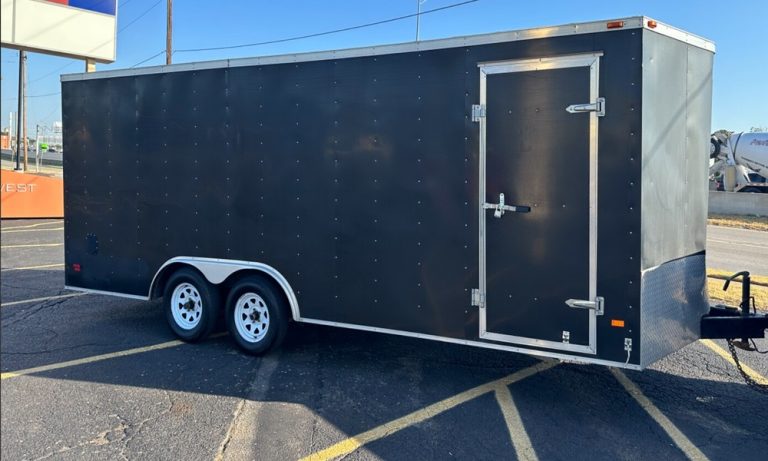
One of the most prominent advantages of an enclosed gooseneck trailer is its ability to protect your cargo from adverse weather conditions and potential theft. Unlike open trailers, the enclosed design provides a robust barrier against rain, snow, UV rays, and wind. This protection is vital for transporting sensitive materials such as construction equipment, motorcycles, or fragile goods. The sealed environment ensures that your cargo remains dry and intact, which can be especially important in regions prone to severe weather.
Moreover, the enclosed nature of these trailers enhances security. Standard open trailers are more susceptible to theft, as the contents are readily visible and accessible. In contrast, gooseneck trailers are equipped with solid locking systems and often include features like reinforced walls and theft-resistant doors. This level of security not only deters thieves but also provides peace of mind to owners, ensuring that valuable items are safeguarded against unauthorized access.
Enhanced Stability and Safety on the Road
The design of gooseneck trailers promotes superior stability and handling compared to conventional bumper-pull trailers. The gooseneck hitch, which connects to the vehicle’s bed, provides a lower center of gravity, thereby reducing sway during transport. This stability is crucial when navigating sharp turns or handling high winds, making the ride not only safer for the driver but also preserving the integrity of the cargo.
Furthermore, beneath the surface, these trailers are built with higher weight capacities, allowing for a more robust structural integrity during travel. Many enclosed gooseneck trailers come equipped with advanced braking systems, enhancing stopping power and control on the road. This aspect is particularly important when hauling significant loads, especially for industries that demand transporting heavy machinery or stock over long distances. Safety regulations are stricter for large vehicles, and utilizing an enclosed gooseneck trailer can help meet or exceed these requirements, giving you confidence and compliance during transportation.
Impact of Enclosure on Valuables and Fragile Items
The enclosure of gooseneck trailers not only shields against environmental factors but also provides essential protection for valuable and delicate items. For businesses involved in logistics, art transportation, or event services, ensuring items arrive in pristine condition is non-negotiable. Enclosed gooseneck trailers mitigate risks associated with bumps, vibrations, and movement during transport, minimizing damage potential to fragile items such as artwork, electronics, or critical machinery.
Moreover, the enclosed space facilitates the use of additional protective measures, such as padding and strapping systems designed to secure items efficiently without compromising their integrity. Increased protection against impacts significantly enhances the value proposition of using this type of trailer for specialized transport needs. For hobbyists and businesses alike, the reduction in loss and damage translates to real financial savings, improved customer satisfaction, and a sterling reputation.
A Closer Look at the Versatile Features of Enclosed Gooseneck Trailers
Customizable Interiors for Maximum Usability
Enclosed gooseneck trailers are not just utilitarian; they can be personalized to meet specific needs. Many manufacturers allow for custom interior layouts that can incorporate shelving, cabinets, or specialized hooks and racks tailored to the type of cargo being transported. This customization transforms the trailer into a functional workspace on wheels, ideal for mobile mechanics, contractors, and entrepreneurs who require efficiency during operations.
For instance, carpenters can set up organized storage for tools and materials essential for jobsites, while musicians might customize their trailer for touring purposes, ensuring instruments are stored securely yet accessible for performances. Gone are the days of a one-size-fits-all approach to trailers; enclosures that reflect the owner’s requirements reflect innovative design and the ability to cater to niche markets effectively.
Integrated Technology: Lights, Power, and More
Modern enclosed gooseneck trailers are often outfitted with a variety of integrated technologies designed to enhance functionality and user experience. LED lighting is not only energy-efficient but also provides illumination in low-light conditions, making loading and unloading much easier and safer. Some models include electrical outlets and battery systems that enable hauling of power tools, appliances, or other electrical devices without reliance on the tow vehicle.
Other technological enhancements may include built-in audio systems, HVAC units for climate control, and even surveillance systems. These features cater to both convenience and security, allowing owners to monitor their trailers remotely or ensure a comfortable environment for sensitive goods. As technology evolves, so does the functionality of enclosed gooseneck trailers, offering operators increasingly sophisticated tools to improve their business or hobbies.
Storage Solutions: Maximizing Space Efficiently
Effective space utilization is a crucial aspect of enclosed gooseneck trailers, which are designed with various storage solutions in mind. From configurable shelving units to hidden compartments, every inch of space can be optimized to prevent clutter and ensure easy access to items when needed. Many trailers come equipped with tie-down points that allow users to secure loads effectively, preventing movement during transit while keeping items organized.
Utilizing vertical space is another critical consideration for those heavily reliant on their trailers for business. For instance, customizing the height of shelving can allow larger items to be stored below while maximizing upper areas for smaller tools and equipment. Innovative designs, such as foldable tables or benches, provide additional options for workspace when parked, adding further versatility without compromising the trailer’s storage capacity.
When and Where to Use Your Enclosed Gooseneck Trailer
Ideal Industries and Professions That Benefit Most
The versatility and protection provided by enclosed gooseneck trailers make them advantageous for various industries. For construction professionals, these trailers are indispensable for transporting tools, equipment, and materials to job sites, all while securing them against theft and environmental damage. Similarly, mobile service providers, such as electricians and plumbers, benefit immensely from these trailers by having a portable workspace that keeps their materials organized and secure.
In the entertainment industry, enclosed gooseneck trailers serve as perfect transport solutions for equipment and props for theatrical productions, concerts, and film shoots. Artists and musicians also favor these trailers for road trips and events, as they provide the dual benefit of transport and storage without compromising the safety of their valued instruments. Even those in the agriculture sector find these trailers beneficial for transporting livestock, feeds, or farm equipment over varying terrains.
From Road Trips to Trade Shows: Practical Applications
Enclosed gooseneck trailers are ideal for numerous practical applications beyond professional needs. For families or groups planning road trips, these trailers serve as a mobile amenity center, providing additional storage for recreational items like camping equipment, bicycles, and outdoor gear. Their streamlined design aids in reducing drag and fuel consumption, making long-distance travel more efficient.
Trade shows and exhibitions represent another venue for utilizing an enclosed gooseneck trailer. Exhibitors can transform these trailers into mobile showrooms or booths that reflect their brand, offering products and materials directly from the trailer. As an added advantage, the enclosed nature allows for rise above typical outdoor market vulnerabilities, such as inclement weather or theft. This versatility ensures that vendors can display their offerings effectively while maintaining the integrity of their display and products.
Seasonal Considerations: Perfect Trailing Year-Round
Because enclosed gooseneck trailers provide protection from the elements, they are suitable for year-round use in various climates. During the winter months, items stored within are shielded from freezing temperatures, snow, and ice, which could cause damage to sensitive equipment or goods. This feature is crucial for businesses operating in regions that experience heavy snowfall or extreme cold.
In the summer, these trailers protect contents from harmful UV radiation and excessive heat, maintaining a stable internal environment conducive to preserving items that are temperature-sensitive. For agriculture, this means transporting seed, fertilizers, or livestock without risking exposure to conditions that could threaten their viability. Whether it’s the holiday season or summer festivals, the enclosed gooseneck trailer serves as a reliable companion throughout the year, increasing utility while ensuring that any seasonal fluctuations can be easily managed.
Investing in Quality: How to Choose the Right Enclosed Gooseneck Trailer
Key Factors to Consider: Size, Weight Capacity, and Build Quality
Before making a decision on acquiring an enclosed gooseneck trailer, potential buyers must consider a variety of critical factors such as size, weight capacity, and overall build quality. The size of the trailer should correspond to the anticipated load and dimensions of the cargo, ensuring that it can be loaded and unloaded efficiently. Factors such as height, width, and length must be well evaluated to prevent overloading, which could lead to performance issues or safety hazards on the road.
The weight capacity is another vital consideration; different models can handle varying amounts of weight, significantly impacting the types of loads they cater to. Selecting a trailer with an appropriate weight capacity that slightly exceeds your requirements can ensure accommodating future needs without compromising the trailer’s safety or durability. Additionally, potential buyers must assess the construction quality, focusing on materials and the craftsmanship involved in the trailer’s design. High-quality materials may increase the upfront cost but can offer substantial long-term value in form of reduced maintenance and extended lifespan.
Brand Comparison: Who’s Leading the Market?
When it comes to choosing an enclosed gooseneck trailer, the brand can play a significant role in determining the quality and reliability of the product. Major manufacturers such as Featherlite, Big Tex, and ATC are recognized for their commitment to crafting durable and dependable trailers designed to withstand arduous tasks. Customer reviews, warranties offered, and service reputation can provide insights into brand performance and satisfaction levels.
Understanding the differences in features offered across brands helps cultivate an informed decision. Some brands might specialize in technology features, while others prioritize lightweight construction or customization options. Researching these attributes ensures that a buyer can align their needs with the right manufacturer, ultimately making a purchase that meets or exceeds expectations.
Understanding Pricing: Balancing Cost and Value
Investing in an enclosed gooseneck trailer represents a significant financial commitment; thus, understanding the pricing structure is crucial. Prices can vary widely depending on features, brand reputation, size, and construction quality. It is essential to weigh the cost against the features offered, considering what adds lasting value regarding durability, functionality, and security.
Determine how much you are willing to spend and identify trailers within that range that fulfill your requirements. Often, more economical trailers might require further investment in upgrades or safety features which could offset initial savings. An effective strategy involves evaluating both new and used trailers, where established brands in the used market can offer significant purchasing power without sacrificing quality. By understanding these factors, owners can make well-informed decisions that provide practical utility while ensuring great value for their investment.